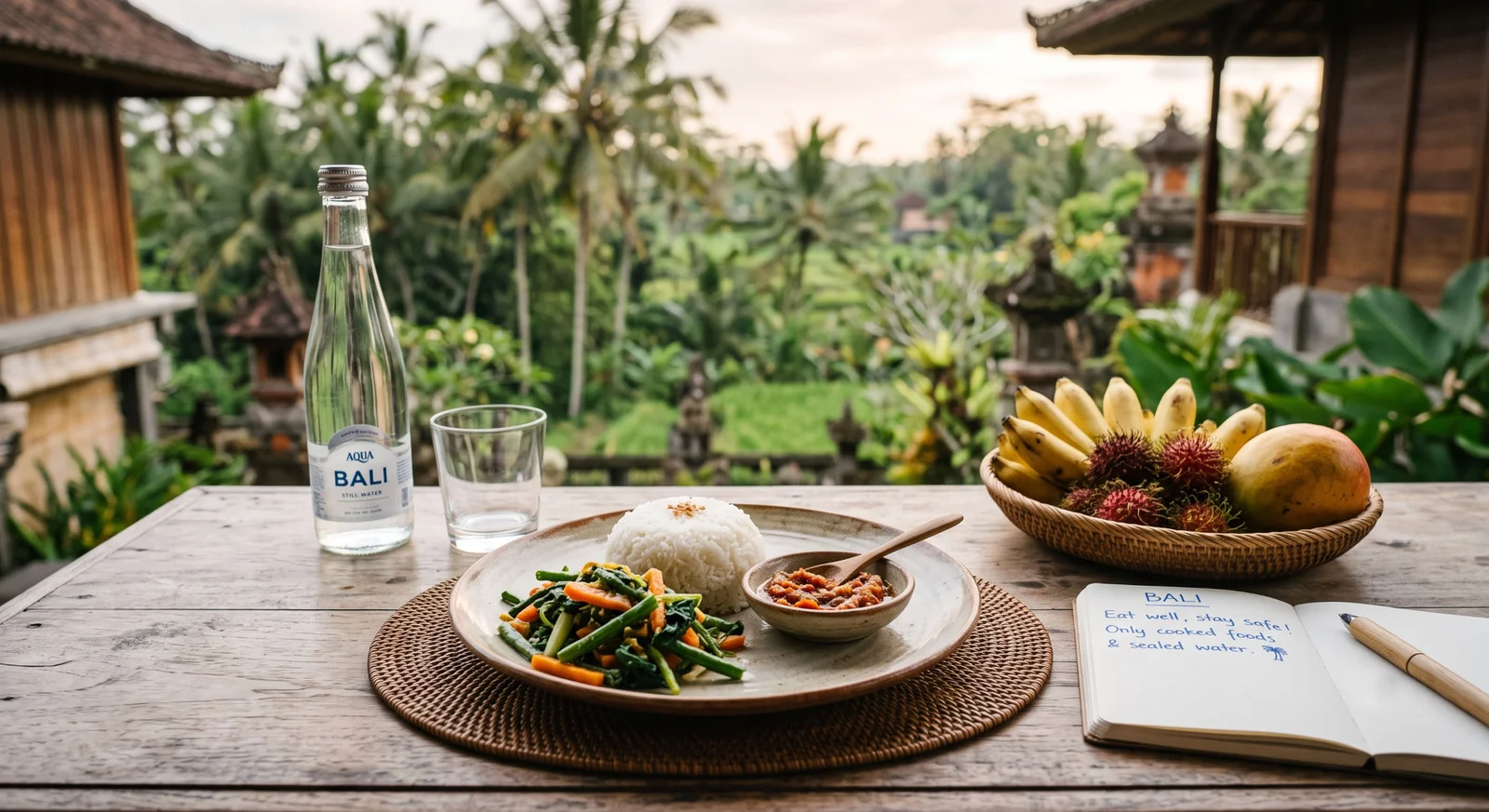


Food is one of the best parts of Bali when you approach it calmly: choose fresh hot dishes, drink safe water, be sensible with ice, fruit, seafood, and alcohol, and give your stomach time to adjust. Bali is a good place to explore food; the tropics simply ask for a little more attention to water, heat, freshness, and unfamiliar spices.
Use this as a practical system for a normal holiday: how to choose warungs and cafes, when ice is usually fine, which fruit is easier to start with, how to think about seafood, and why the source of alcohol matters.
In short, you do not need to avoid warungs, fruit, or local food. Choose in a way that keeps food fresh, water clear, and the first days gentle on your body.
- water - sealed, boiled, or reliably treated;
- food - hot, fresh, and served somewhere with good turnover;
- fruit - preferably whole fruit you peel yourself;
- seafood - from places where freshness and guest flow are clear;
- alcohol - reputable sources only, no unknown arak or suspiciously cheap cocktails.
Is food in Bali safe for tourists?
Food in Bali is generally comfortable for tourists if you choose places with high turnover, fresh preparation, and visible hygiene. Stomach trouble is usually less about "local food" itself and more about unsafe water, questionable ice, raw ingredients, food kept warm for too long, and a body overloaded by heat, alcohol, spice, and jet lag.
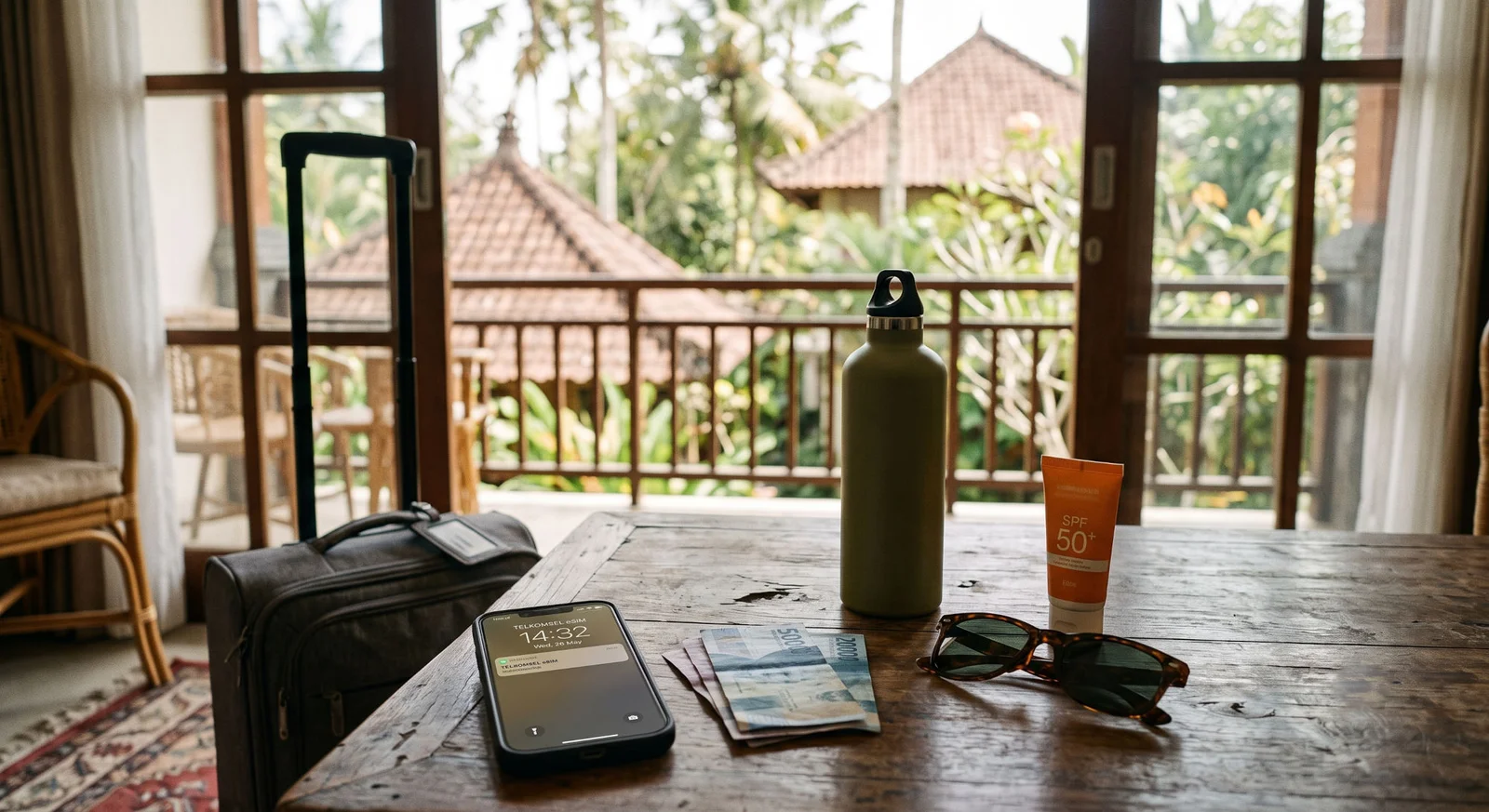
For the first day after arrival, keep it simple:
- hot, freshly cooked food;
- bottled or safely treated water;
- no food sampling marathon on the first evening;
- less alcohol;
- go easy on sambal if you are not used to it;
- sleep before a long tour day.
This gives your body time to adapt and helps you notice what suits you after the flight, heat, sleep loss, and new spices.
Can you drink tap water in Bali?
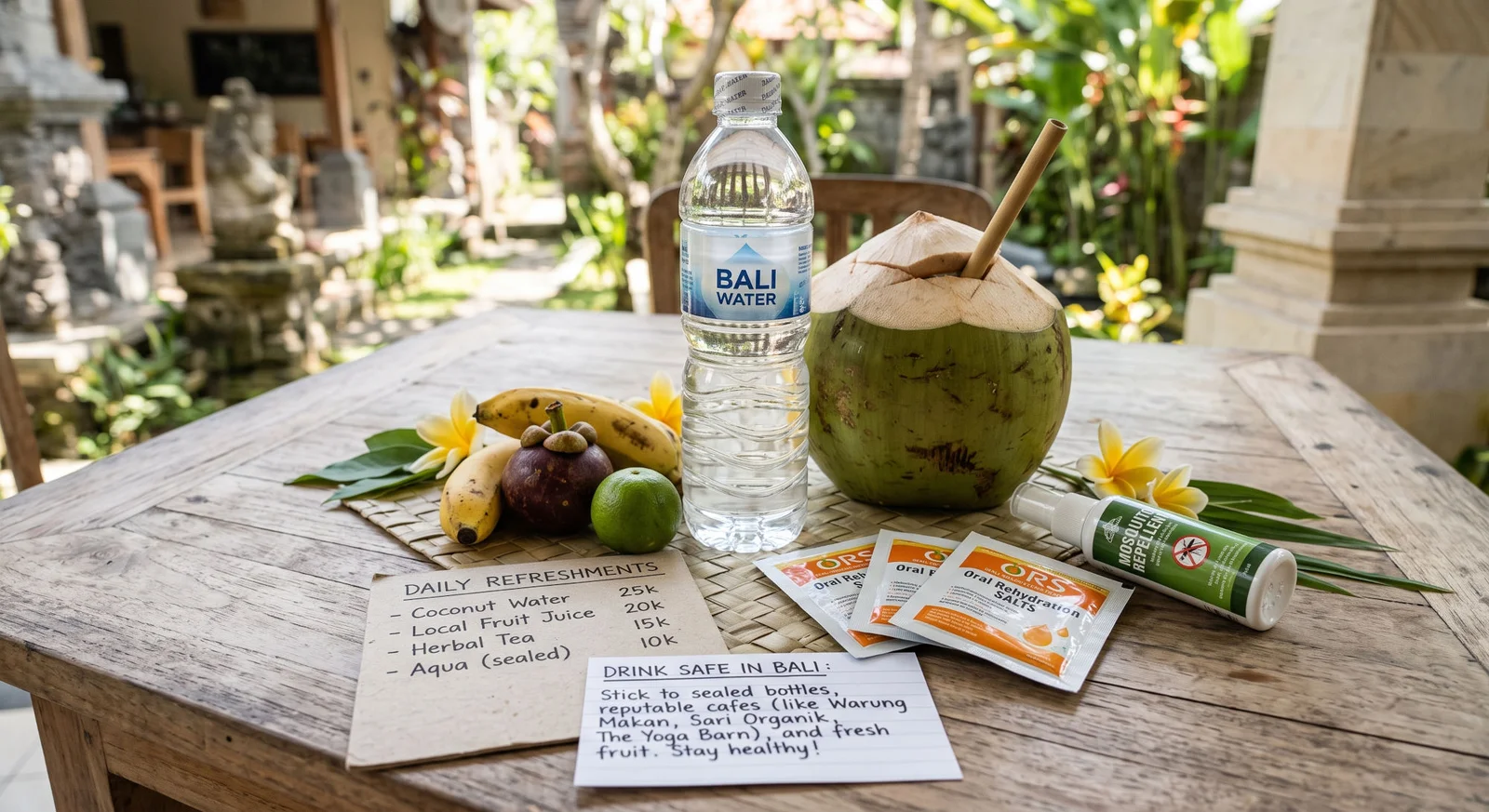
Tourists should not drink tap water in Bali, but this is easy to manage because bottled and treated water are widely available. Use sealed bottled, boiled, or reliably treated water for drinking, brushing teeth, medicines, and baby formula; international travel health guidance also advises caution with water of unknown quality.
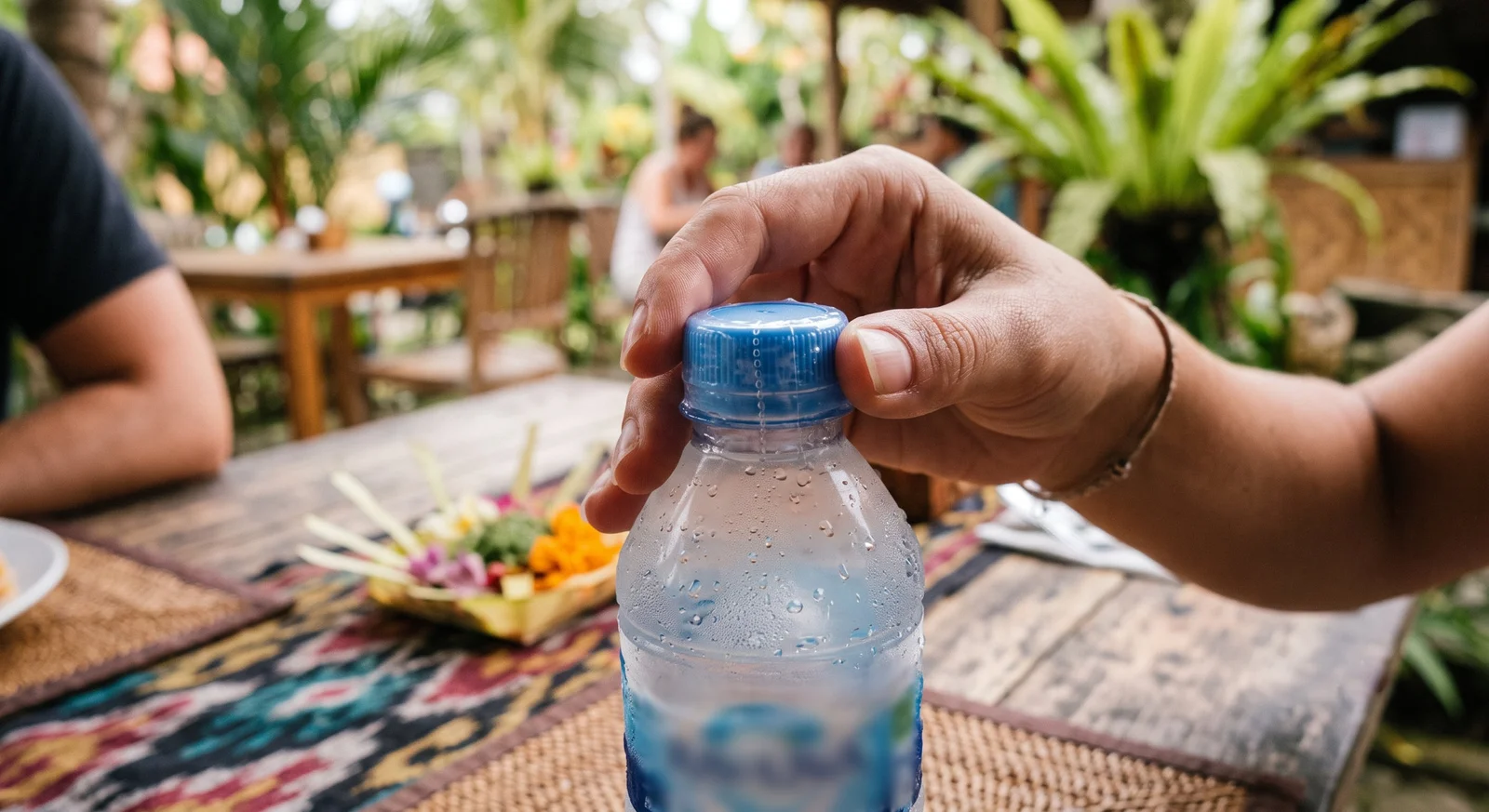
Practical rules:
- buy sealed bottles;
- check that the cap has not been opened;
- brush teeth with safe water;
- avoid swallowing shower or pool water;
- carry water on tours, beaches, and waterfall routes;
- if your stomach is sensitive, be careful with ice in small stalls.
Ice in hotels, established cafes, and busy restaurants is often made with purified water, so drinks in reputable places are usually straightforward. If a place feels improvised, glasses are washed casually, or drinks sit in the heat, choose a sealed bottle or a steaming hot drink instead.
FAQ: water and health
How do you choose warungs and street food in Bali?
Warungs can be a great way to eat in Bali without a restaurant setting. Judge them by food turnover rather than decor: food cooked to order, hot dishes moving quickly, and a place busy enough that ingredients do not sit around for long.
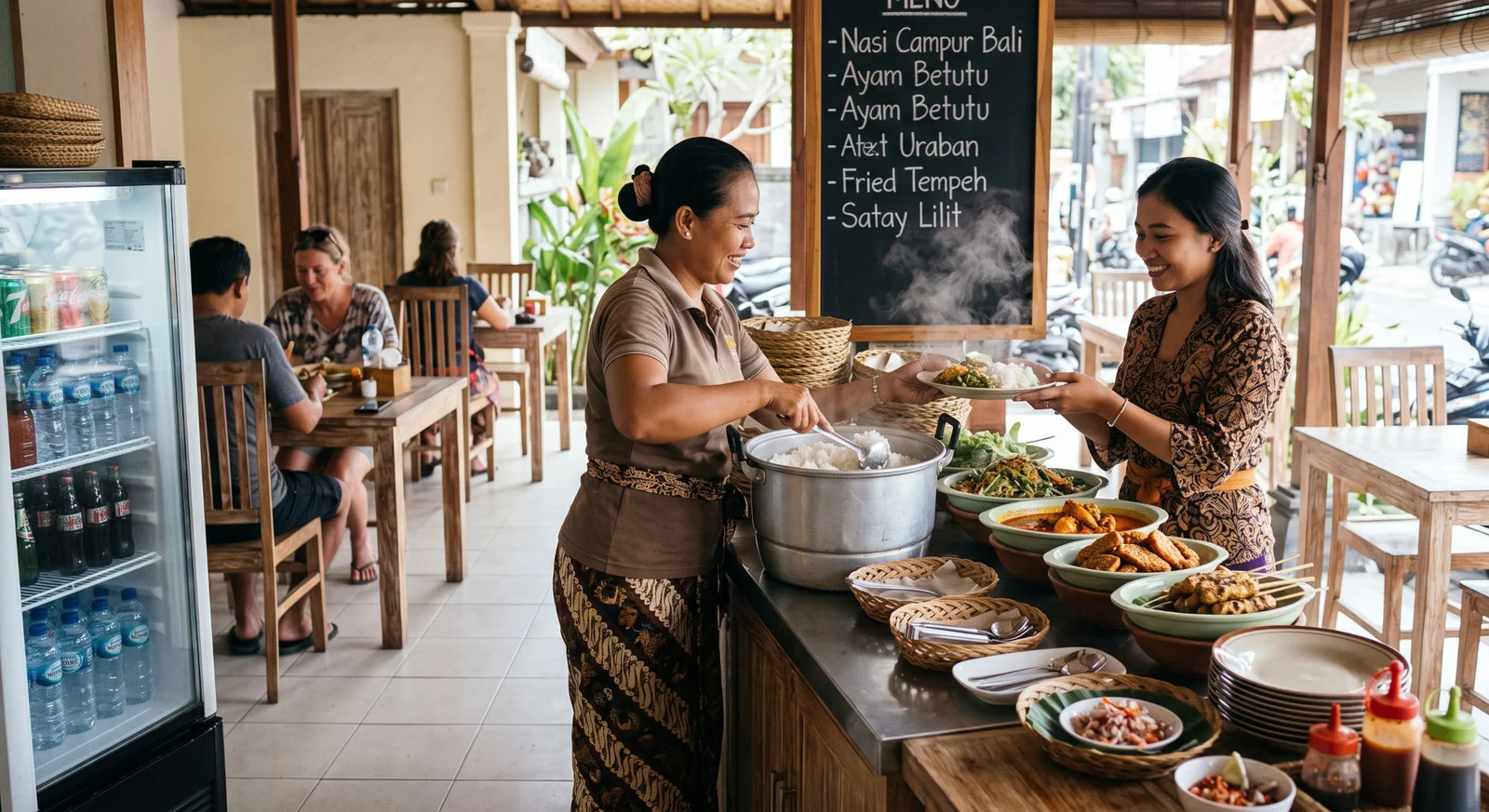
Choose places where:
- locals and visitors are actively eating;
- hot food is actually hot;
- rice and dishes do not look dry or tired;
- clean tongs, spoons, or staff service are used;
- you can order something cooked fresh;
- drinks come from sealed bottles or cans.
Better to skip or choose more carefully:
- raw salads and vegetables of unknown washing quality;
- cut fruit sitting in heat;
- open sauces left out for long periods;
- display food late in the day;
- seafood where turnover is unclear;
- very spicy food if your stomach is not used to it.
When unsure, order a simple hot dish: rice, noodles, soup, chicken, cooked vegetables. It is a calm first-choice meal, especially after travel or before a long tour day.
FAQ: warungs and Balinese food
What Balinese dishes are easier for a first trip?
Balinese and Indonesian food can be spicy, sweet, fried, and sauce-heavy, which is part of the fun when you pace yourself. Start gradually in the first days, try local food without turning every meal into a challenge, and add sambal or chili slowly.
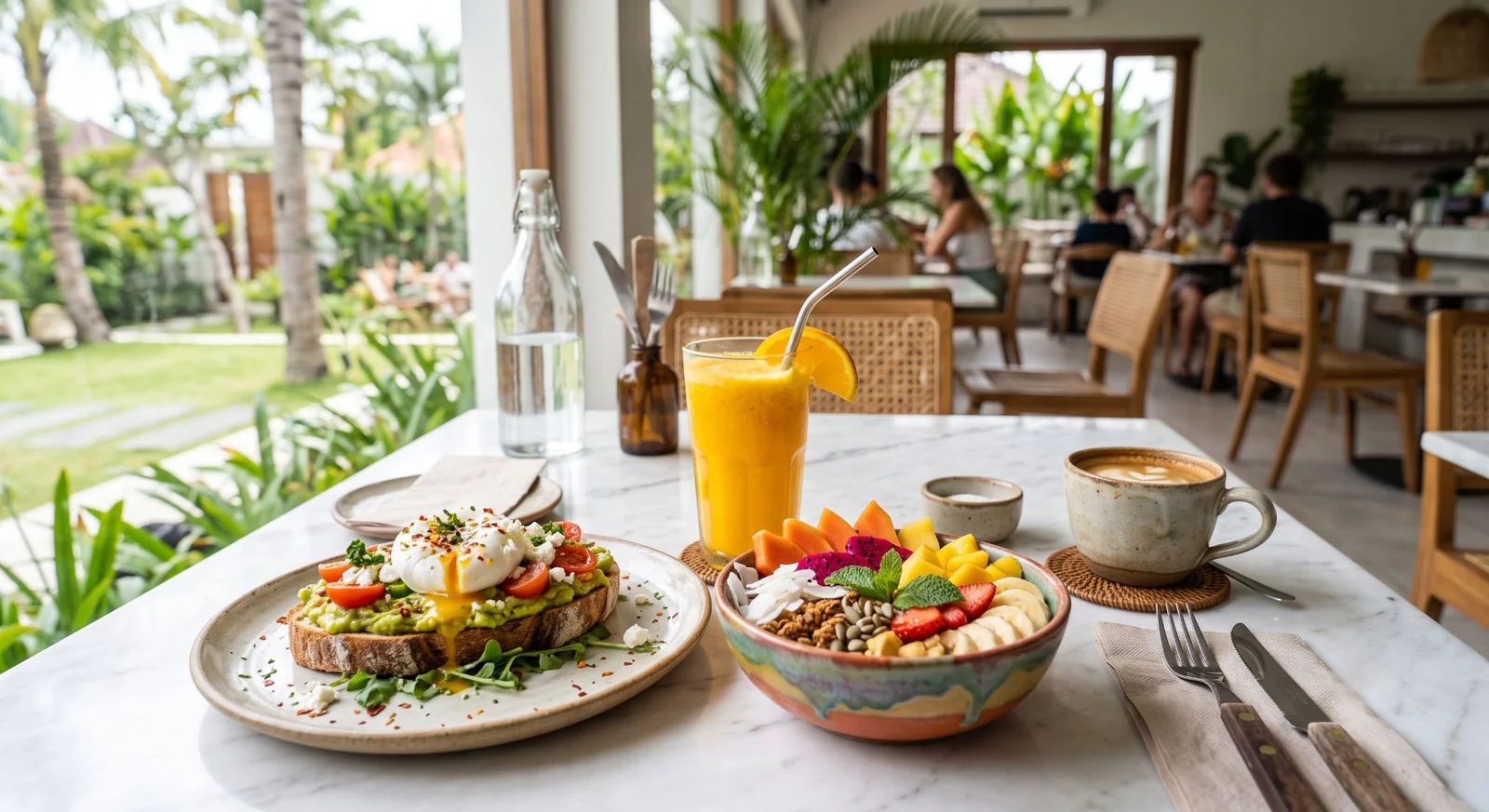
Gentler starting points:
- nasi goreng - fried rice, ask for not spicy;
- mie goreng - fried noodles;
- soto ayam - chicken soup;
- gado-gado - vegetables with peanut sauce in a trusted place;
- tempeh and tahu - fermented soy and tofu;
- grilled fish - in places with strong turnover;
- fresh coconut - opened in front of you.
Ubud and tourist areas make vegetarian, vegan, and gluten-free eating easy, but the same rule applies: start simple, then experiment. If you have allergies or restrictions, explain them clearly before ordering and do not rely only on menu photos.
FAQ: vegetarian and special diets
Where is seafood safer to eat in Bali?
Seafood can be an excellent Bali dinner, especially near the water, when freshness and guest turnover are clear. Jimbaran is known for beach seafood dinners, but the useful test is not the most scenic table; it is a clean display, normal smell, calm selection, and food that has not waited in the heat.

For a first seafood meal, a simple grilled fish or prawns, rice or cooked vegetables, and sealed water usually makes for a more relaxed and predictable dinner than the most complex mixed platter.
How do you eat fruit safely in Bali?
Fruit in Bali is worth trying: mango, mangosteen, rambutan, salak, and fresh coconut often become part of the trip. The calmest choice is whole fruit that you wash with safe water and peel yourself; with cut fruit, smoothies, and small-stall juices, pay attention to water, ice, tools, and heat exposure.
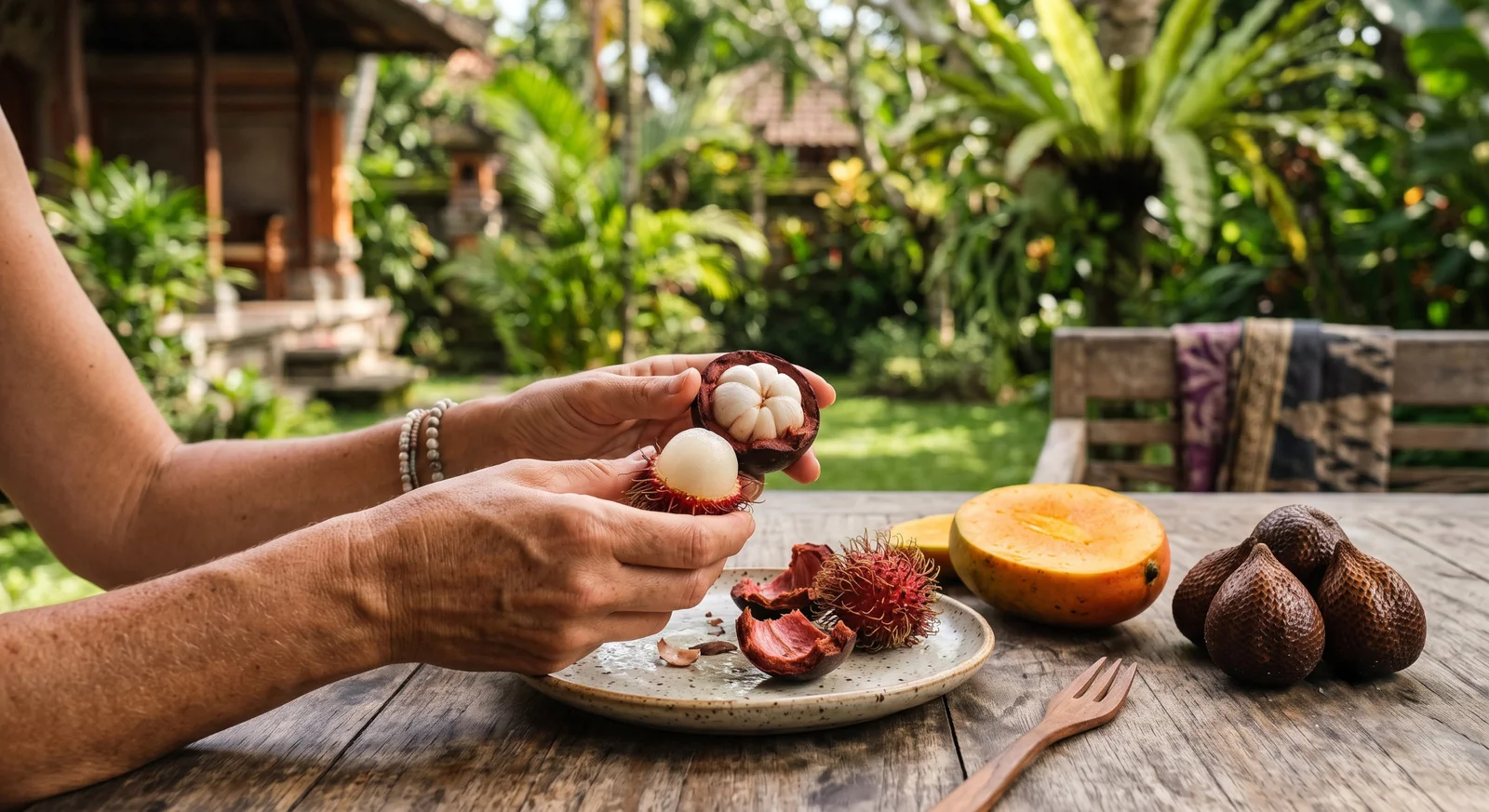
Good logic:
- banana, mango, mangosteen, rambutan, and salak if you peel them yourself;
- coconut if opened in front of you with a clean tool;
- hotel or established cafe fruit plates by judgment;
- fruit salads sitting in heat - be careful;
- juices with ice from random stalls - skip if uncertain.
With children, introduce fruit gradually. Do not combine a new fruit, spicy food, beach heat, a long drive, and adult alcohol in one day, because it becomes hard to know what caused a problem.
What is Bali belly, and what should you do if you get sick?
"Bali belly" is a casual name for travelers' stomach upset: diarrhea, cramps, nausea, weakness, and sometimes fever. Mild cases often improve with safe fluids, oral rehydration, rest, and simple food; if symptoms are strong or unusual, contact your insurer or a doctor instead of relying on forum advice.

Basic response:
- sip safe water regularly;
- use oral rehydration salts;
- rest in a cool place;
- pause alcohol, spicy food, fatty food, and dairy;
- return to simple food when appetite comes back.
Do not delay medical help for blood in stool, severe pain, high fever, repeated vomiting, dehydration, confusion, pregnancy, a young child, or chronic illness. If symptoms continue after travel, tell your doctor you were in Indonesia.
FAQ: if you feel sick
Can you drink alcohol in Bali safely?
Alcohol is widely available in Bali in hotels, restaurants, bars, and shops, and reputable venues are usually straightforward. The key is source and quality: a recognizable sealed bottle and licensed venue are better choices than unregulated local spirits, suspiciously cheap cocktails, or unknown "free flow" drinks.
Rules that help:
- drink at reputable licensed venues;
- choose sealed bottles when possible;
- be cautious with arak of unknown origin;
- stop if taste, smell, or symptoms feel wrong;
- never leave your drink unattended;
- do not mix alcohol with heat, scooters, ocean swimming, and sleep loss.
Smartraveller and GOV.UK honestly warn about methanol poisoning in Indonesia, including tourist areas. This is not a reason to fear every drink, but it is a good reason to stay with reputable venues: methanol cannot be reliably identified by taste or smell, and nausea, weakness, headache, visual disturbance, or confusion after alcohol should be treated as a medical issue.
FAQ: alcohol and safety
How should families eat safely in Bali?
With children, predictable food and hydration usually work better than culinary bravery. Safe water, familiar breakfasts, shaded breaks, and gradual food introductions make the trip easier than trying every new dish during the first day.
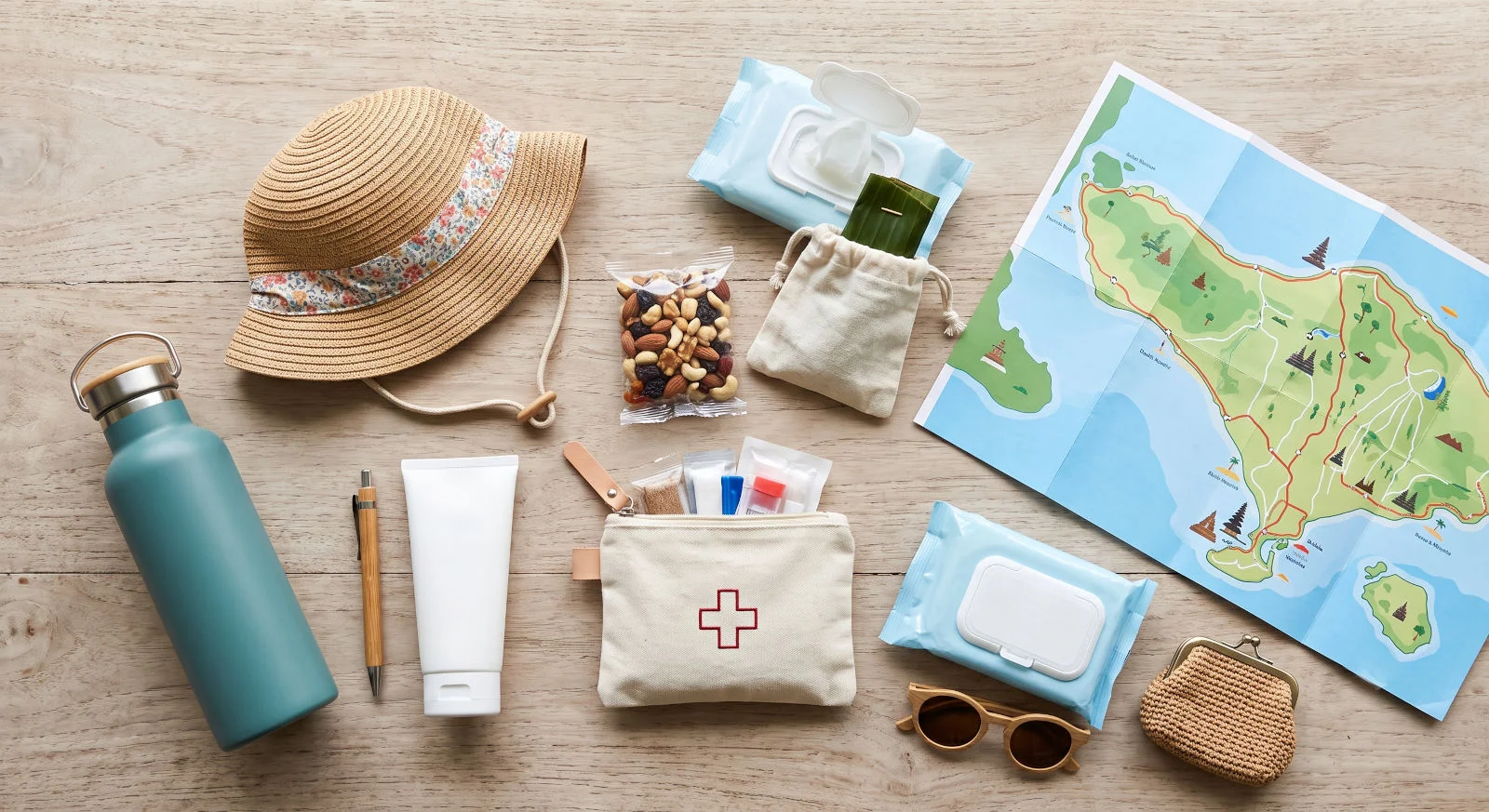
Helpful habits:
- safe water only;
- carry snacks and water on routes;
- choose shade or air conditioning in the heat;
- ask for "not spicy" or "tidak pedas";
- clean hands before eating;
- pack oral rehydration salts;
- skip long tours after a bad stomach night.

If a child struggles with heat, water, shade, a shower, sleep, and a slower plan often help more than sweet drinks and constant snacking.
FAQ: water, first aid, and children
Bali food and drink checklist
Eating well in Bali is not a list of bans. It is a simple filter: hot fresh food, safe water, caution with raw items, moderate alcohol, and a willingness to get medical help when symptoms are outside the normal travel-stomach range.
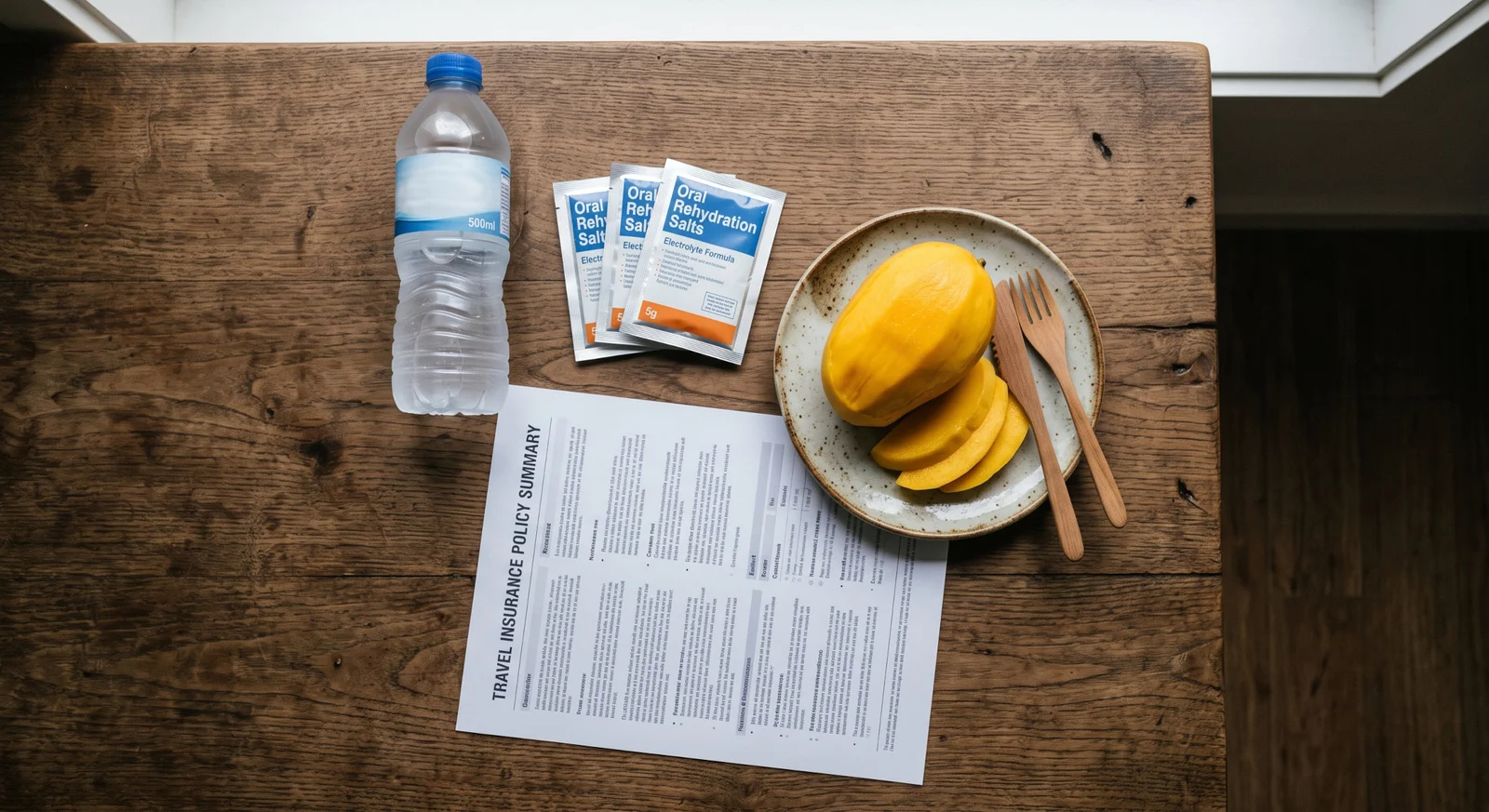
Check yourself:
- water - sealed, boiled, or treated;
- ice - only where you trust the venue;
- food - hot and fresh;
- fruit - whole and peeled yourself where possible;
- seafood - only in places with good turnover;
- alcohol - reputable source, no unregulated spirits;
- first-aid kit - rehydration and personal medicines;
- insurance - active, contact saved, process understood.
The simple rule: Bali is easier on your stomach when you do not turn the first days into a food challenge. Let your body adapt, choose freshness and water quality, and expand the menu once you feel settled.