Top Sights & Locations
Select a fascinating location to see photos, detailed guides, and the handpicked excursions visiting it.
92 places
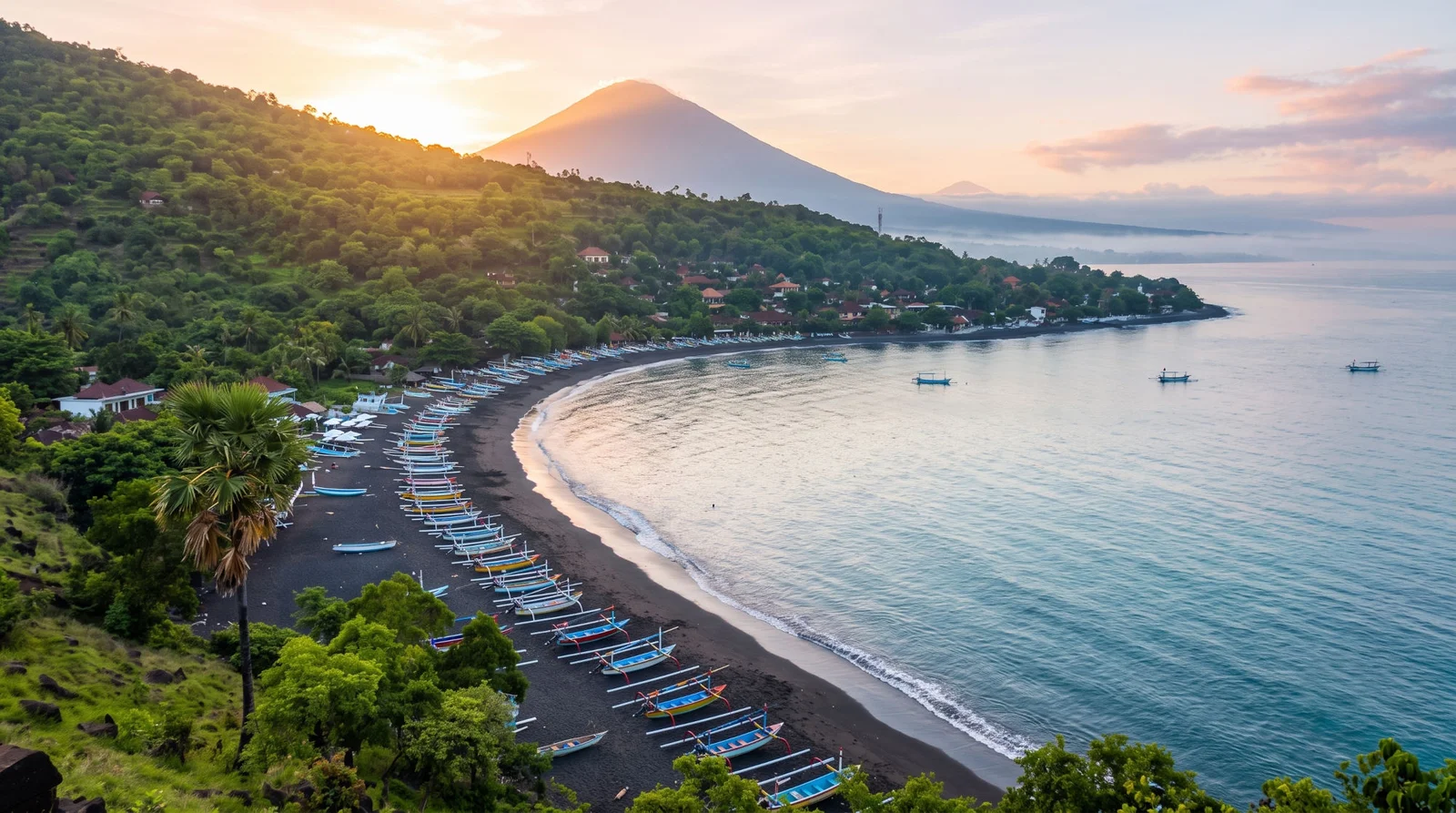
Amed & Tulamben
Bali's north-east dive coast — volcanic black sand, coral gardens from the shore and the famous USAT Liberty wreck at Tulamben.
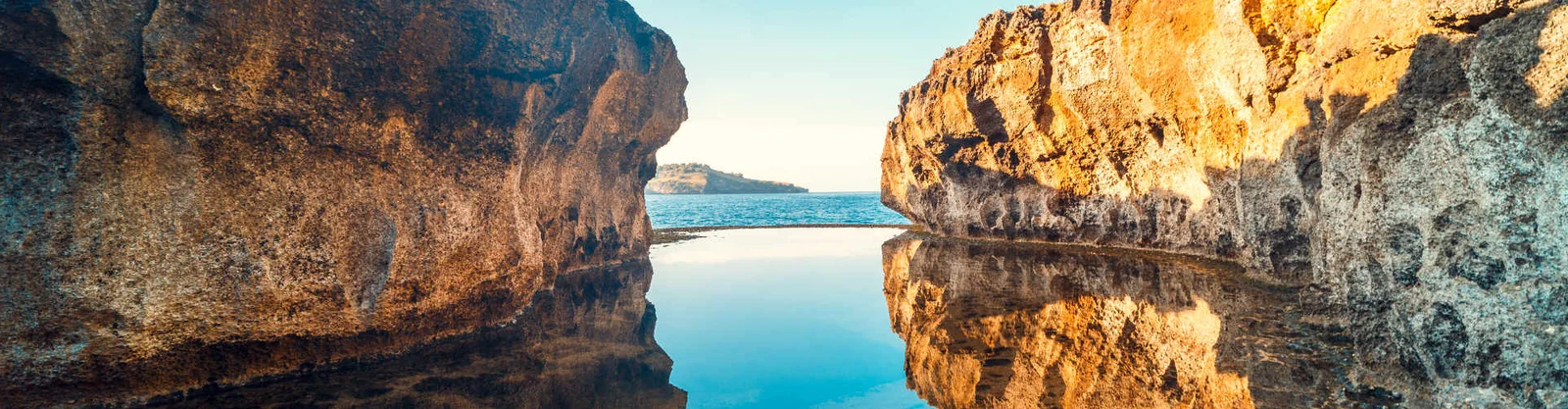
Angel's Billabong
A natural rock pool on west Nusa Penida: at low tide a calm, clear basin at the ocean's edge. Swimming is banned because of dangerous waves.
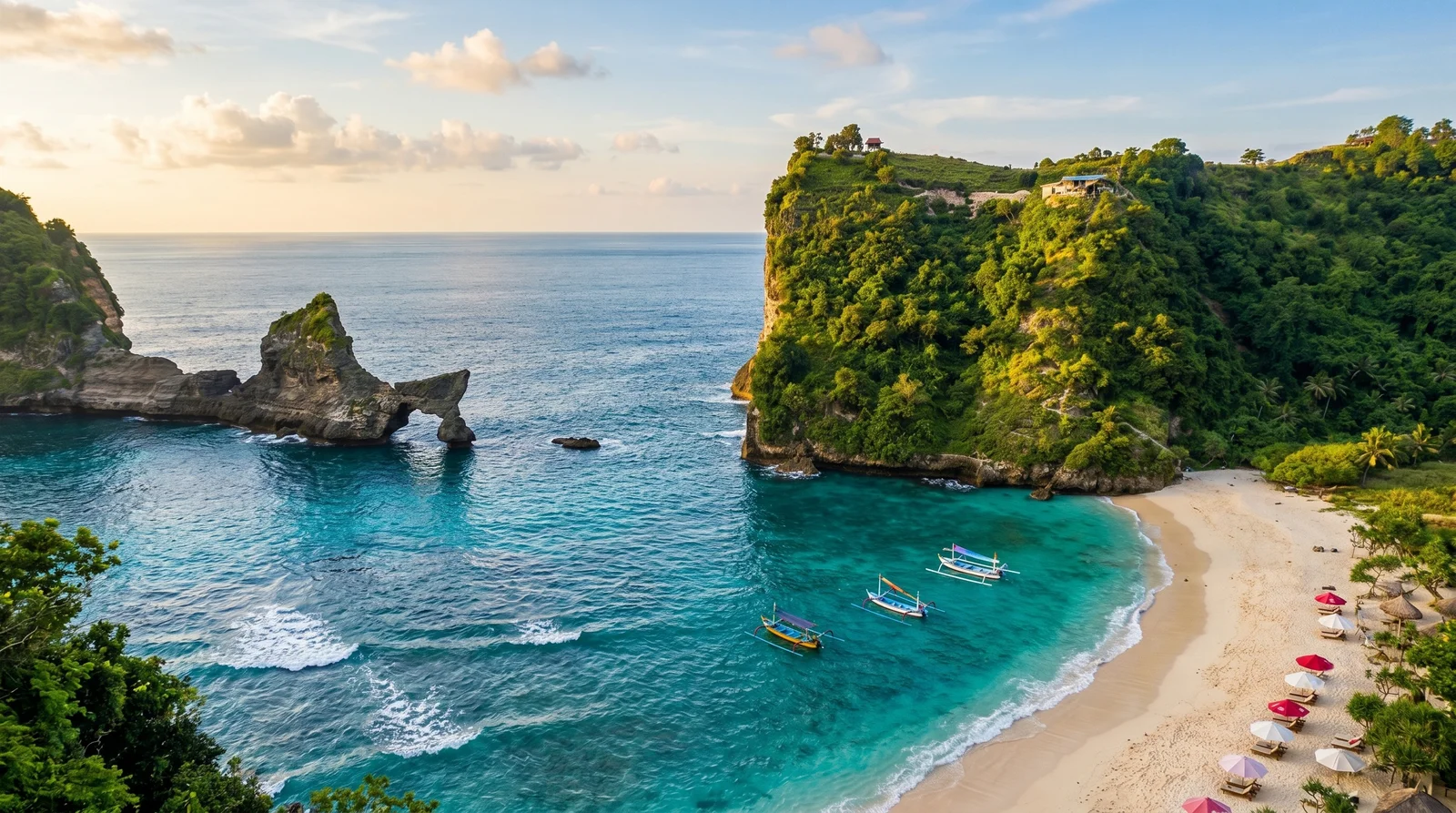
Atuh Beach
A sheltered white-sand cove on east Nusa Penida: an easy descent, calmer water and the famous sea-stack view, right next to Diamond Beach.
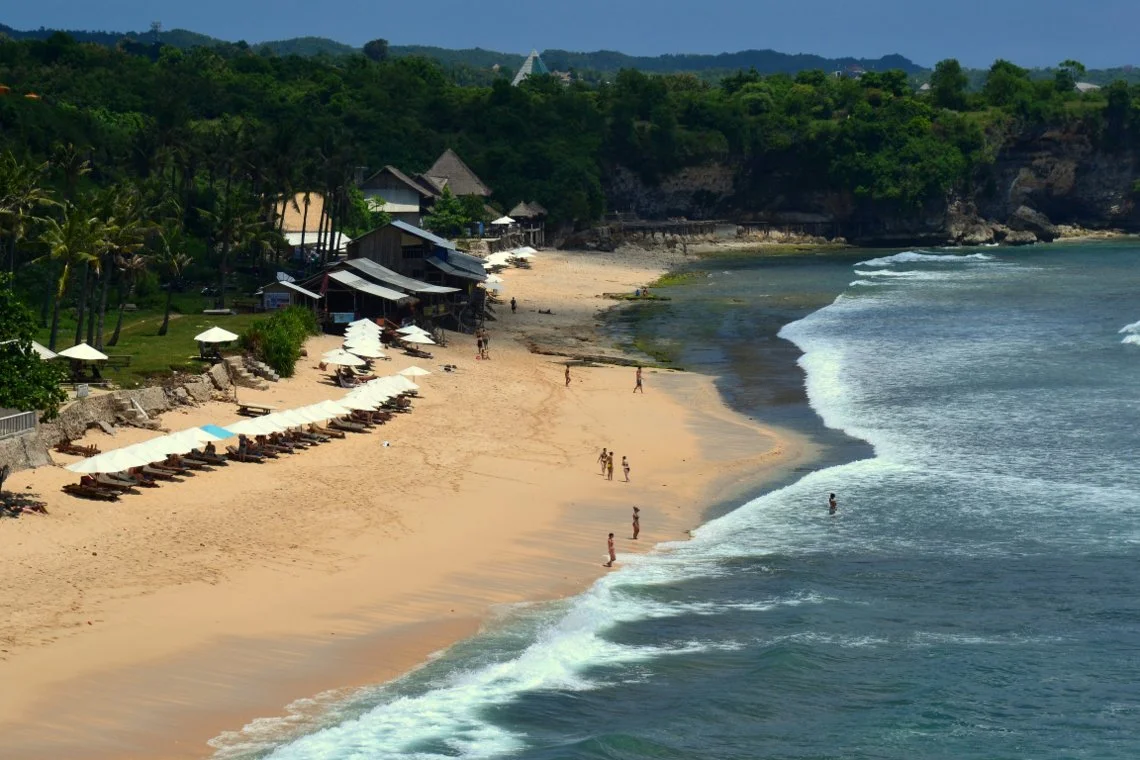
Balangan Beach
A long sandy beach beneath limestone cliffs on the Bukit: one of Bali's longest left-hand reef breaks and clifftop sunsets.
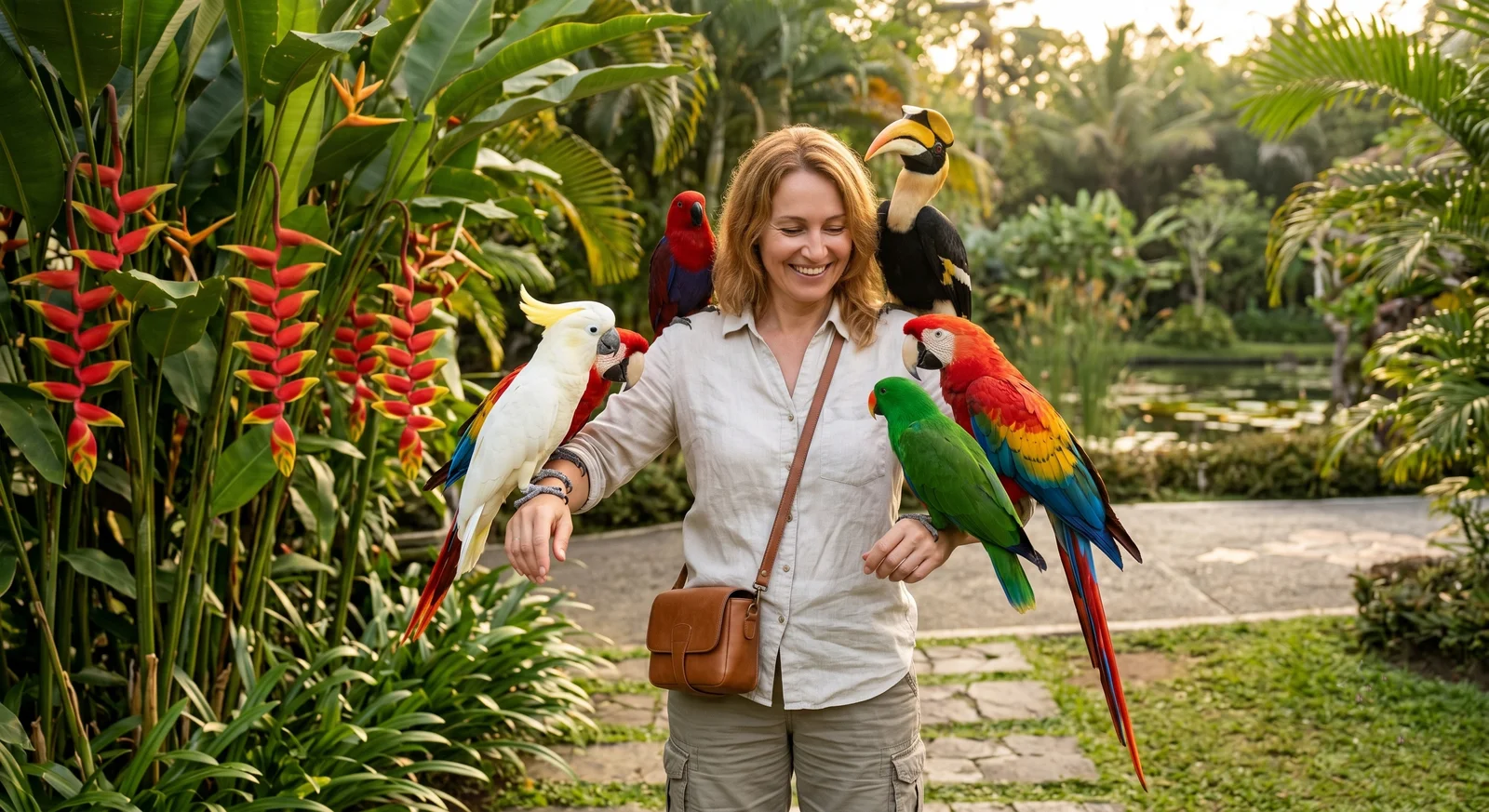
Bali Bird Park
A 2-hectare botanical park in Singapadu with around 1,000 birds of 250 species, Komodo dragons and a bird-of-prey show — a top family day out near Ubud.
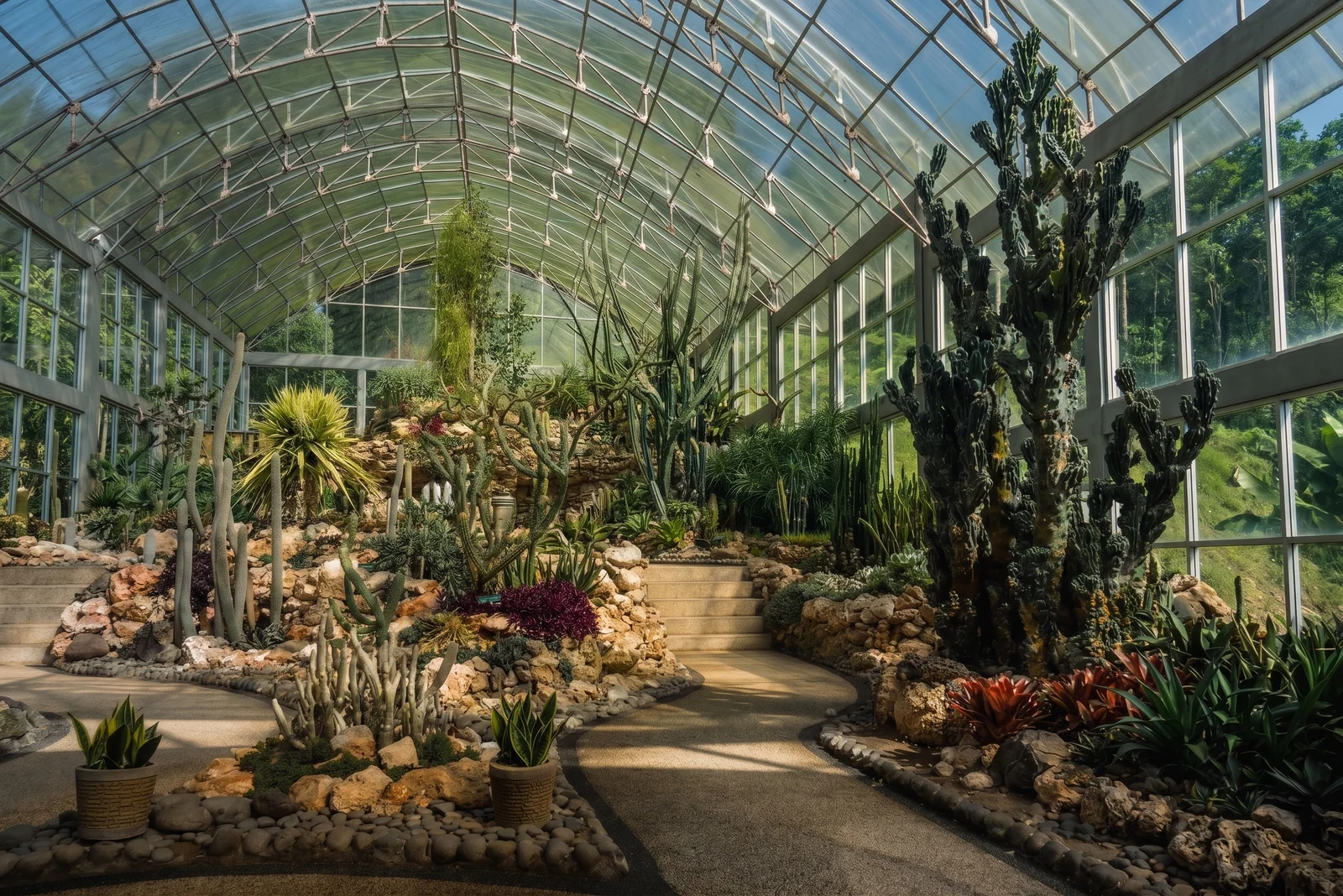
Bali Botanic Garden
Indonesia's largest botanic garden in cool Bedugul: 157.5 ha, over 2,000 plant species and a famous orchid garden.
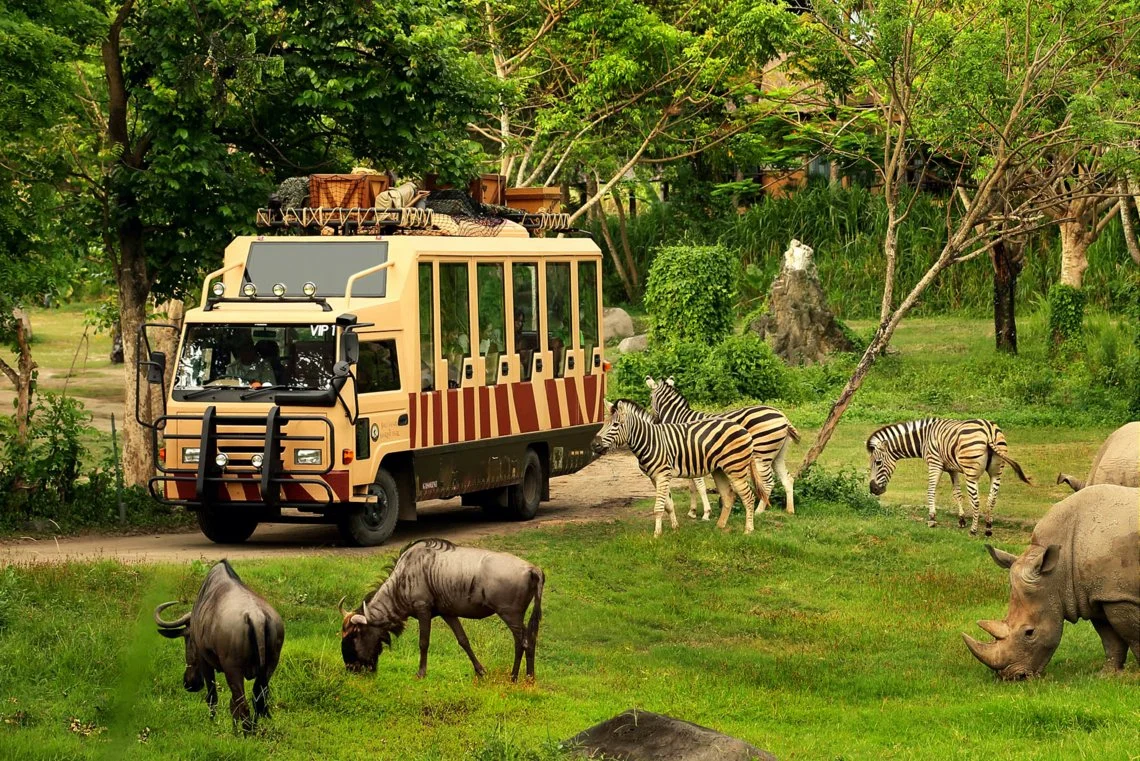
Bali Safari Park
Indonesia's largest safari park in Gianyar: 1,000+ animals, a safari bus ride through the habitats, shows, a water park and a night safari.
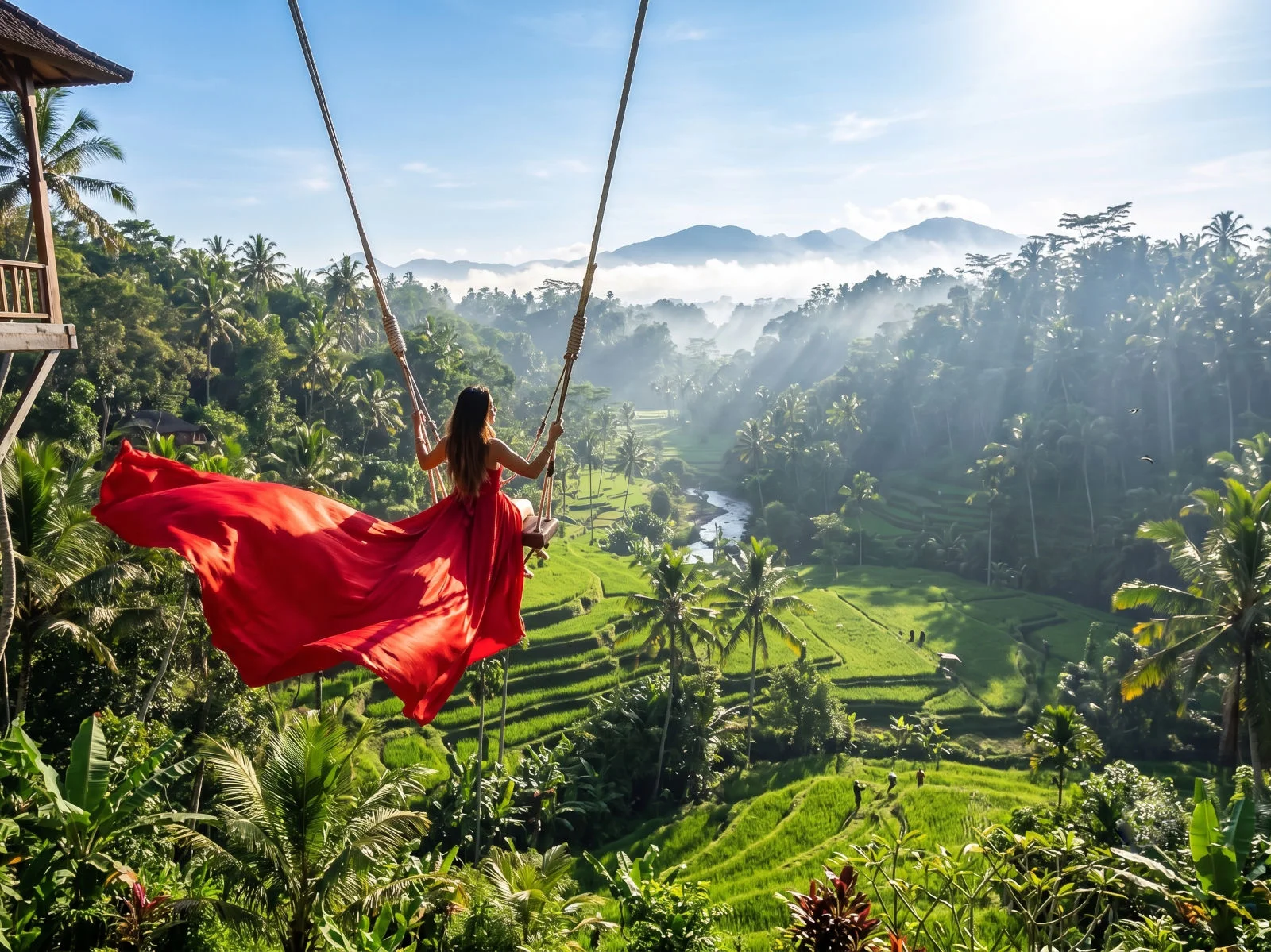
Bali Swing — Jungle Swings
Parks of giant swings and photo platforms over the Ayung River jungle valley near Ubud — the classic flowing-dress shot above the trees.
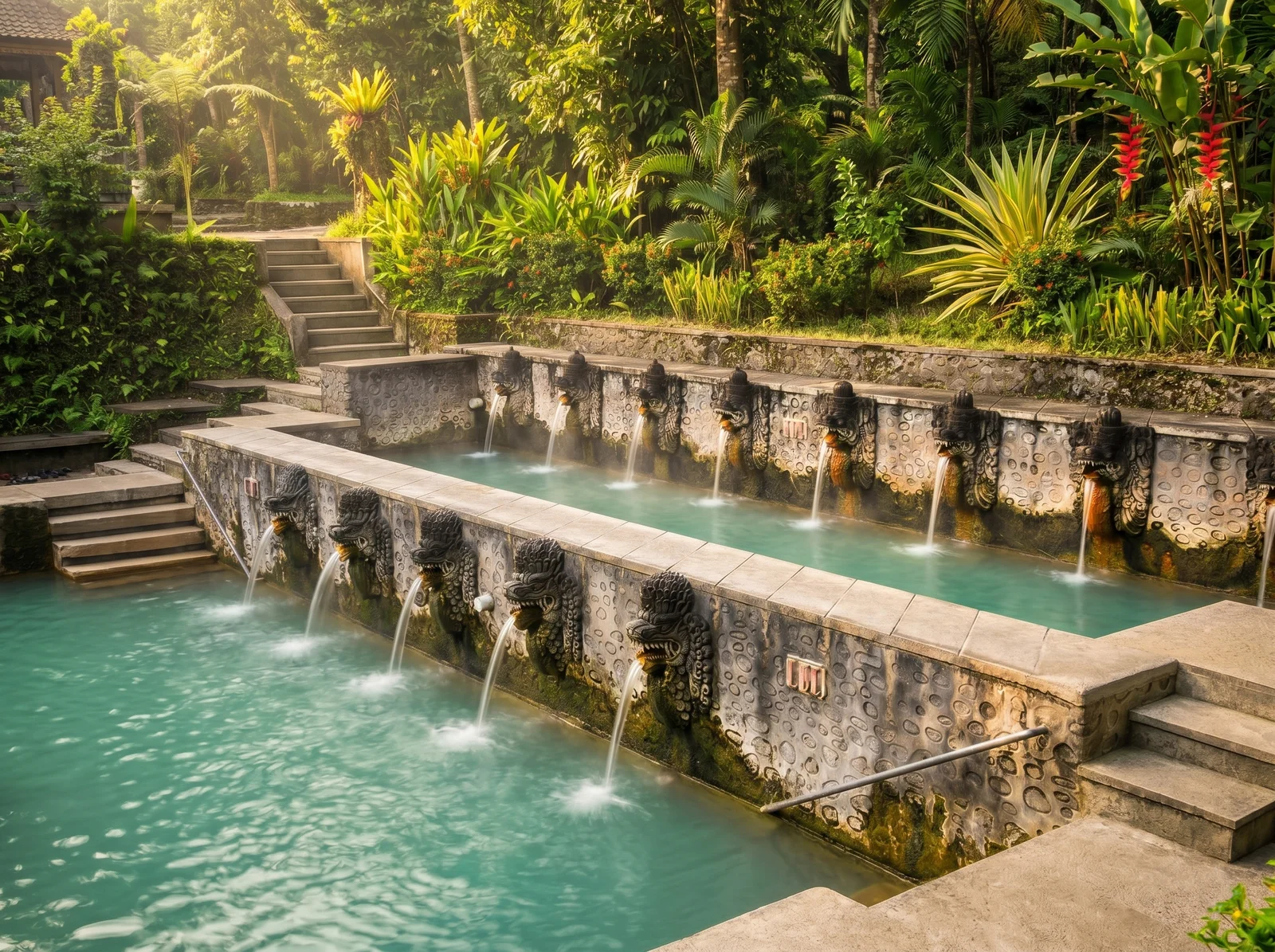
Banjar Hot Springs
Sulfur thermal springs in the jungle of north Bali: warm pools fed by water from carved dragon mouths, near Lovina.
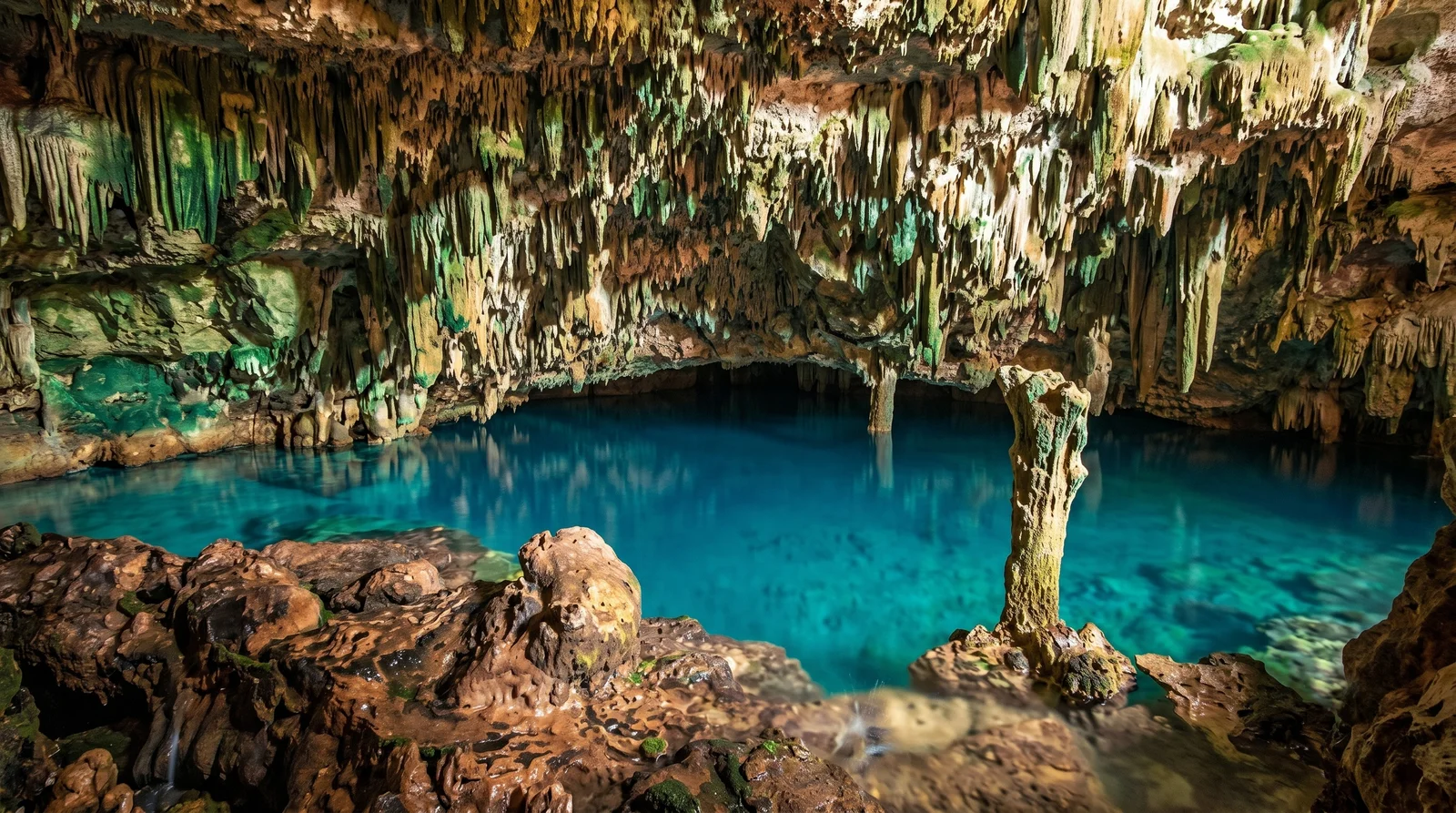
Batu Cermin Cave
A stalactite 'mirror' cave near Labuan Bajo on Flores: sunbeam reflections on the wet walls and marine fossils in the rock.
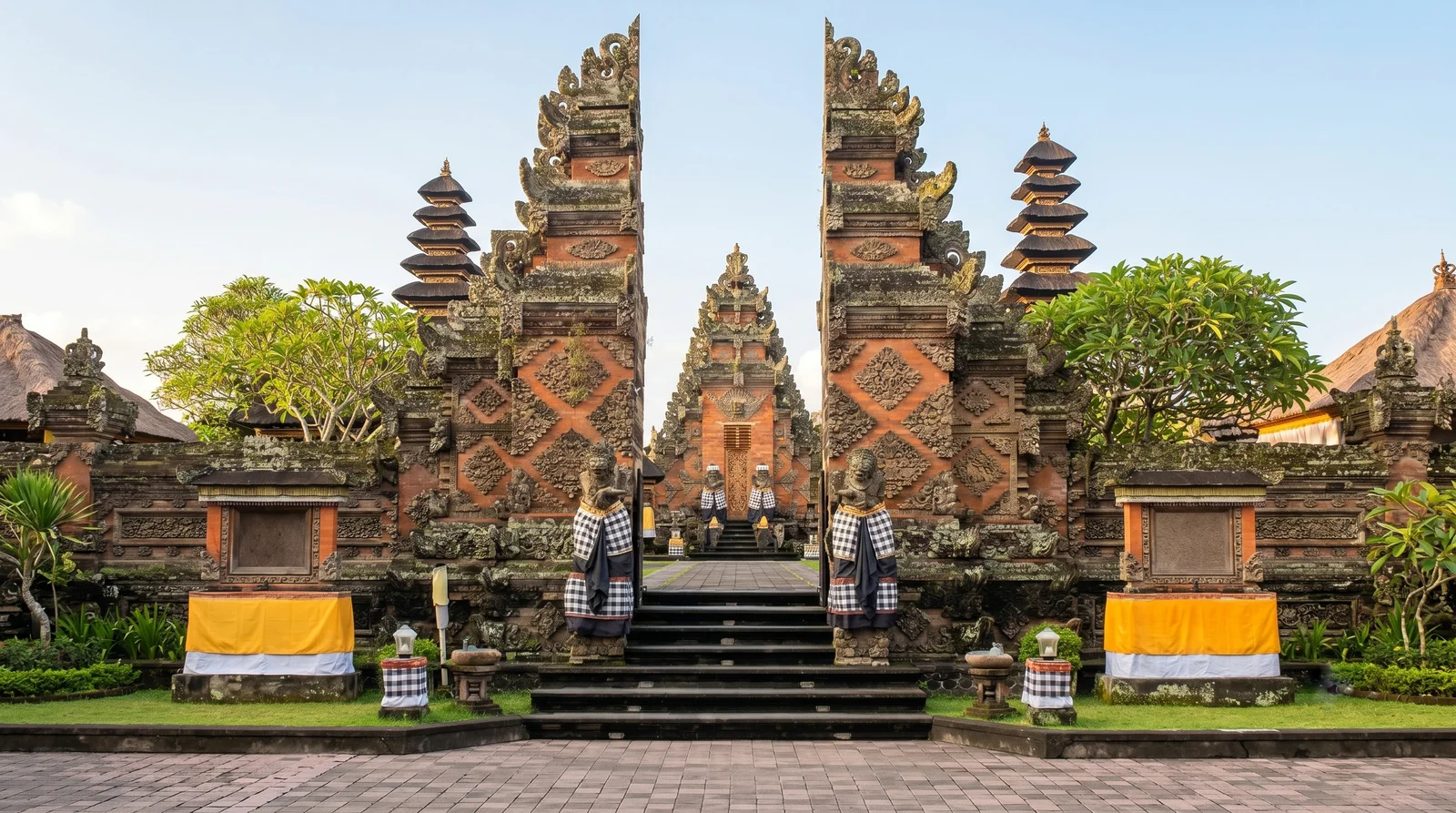
Batuan Temple
An ancient Hindu temple (around 1020 AD) in the Batuan artists' village near Ubud: classic Balinese architecture, carved gates and meru shrines.
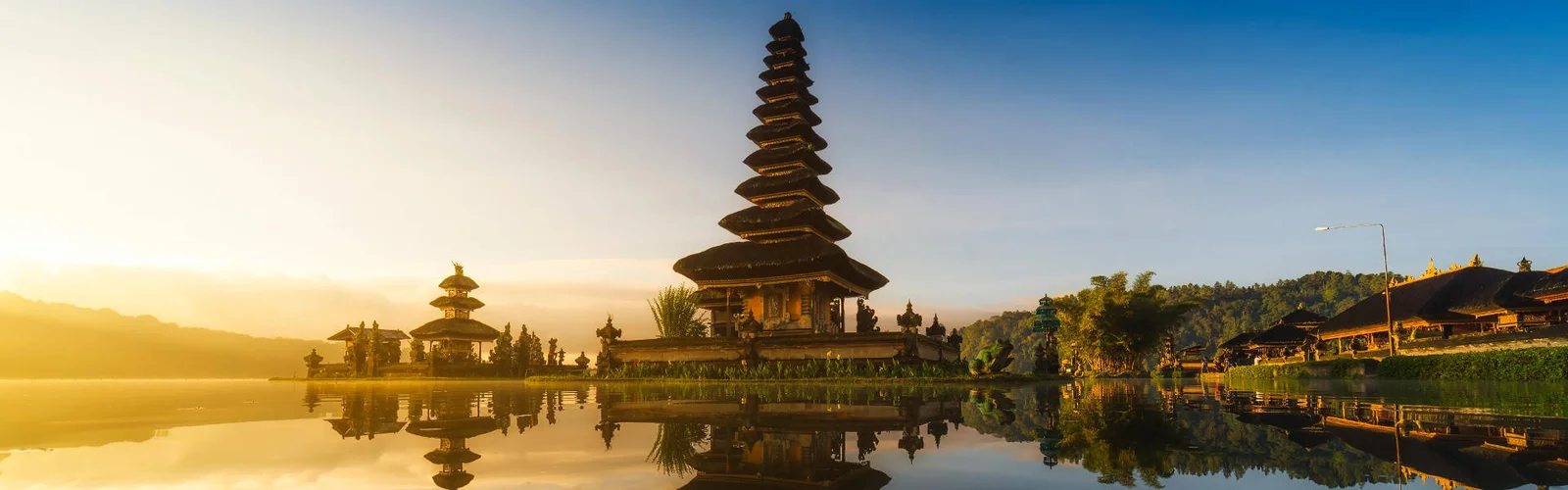
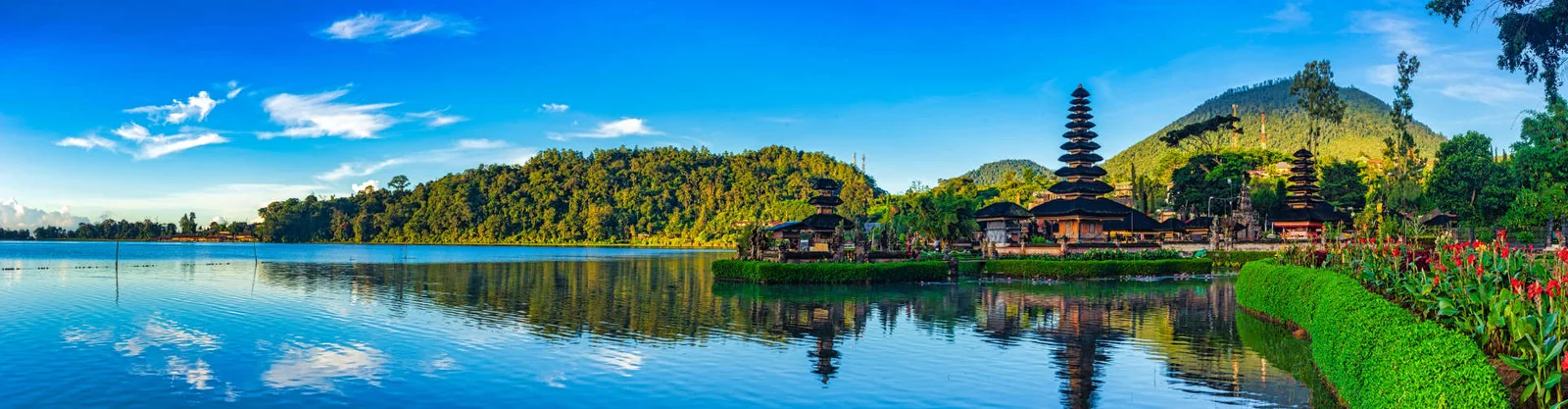
Bedugul (Lake Bratan & Ulun Danu Temple)
A cool mountain region with Lake Bratan and the "floating" Ulun Danu Beratan temple.
Besakih Mother Temple
Bali's largest and holiest temple complex, on the slope of Mount Agung — the island's "Mother Temple" of dozens of shrines.
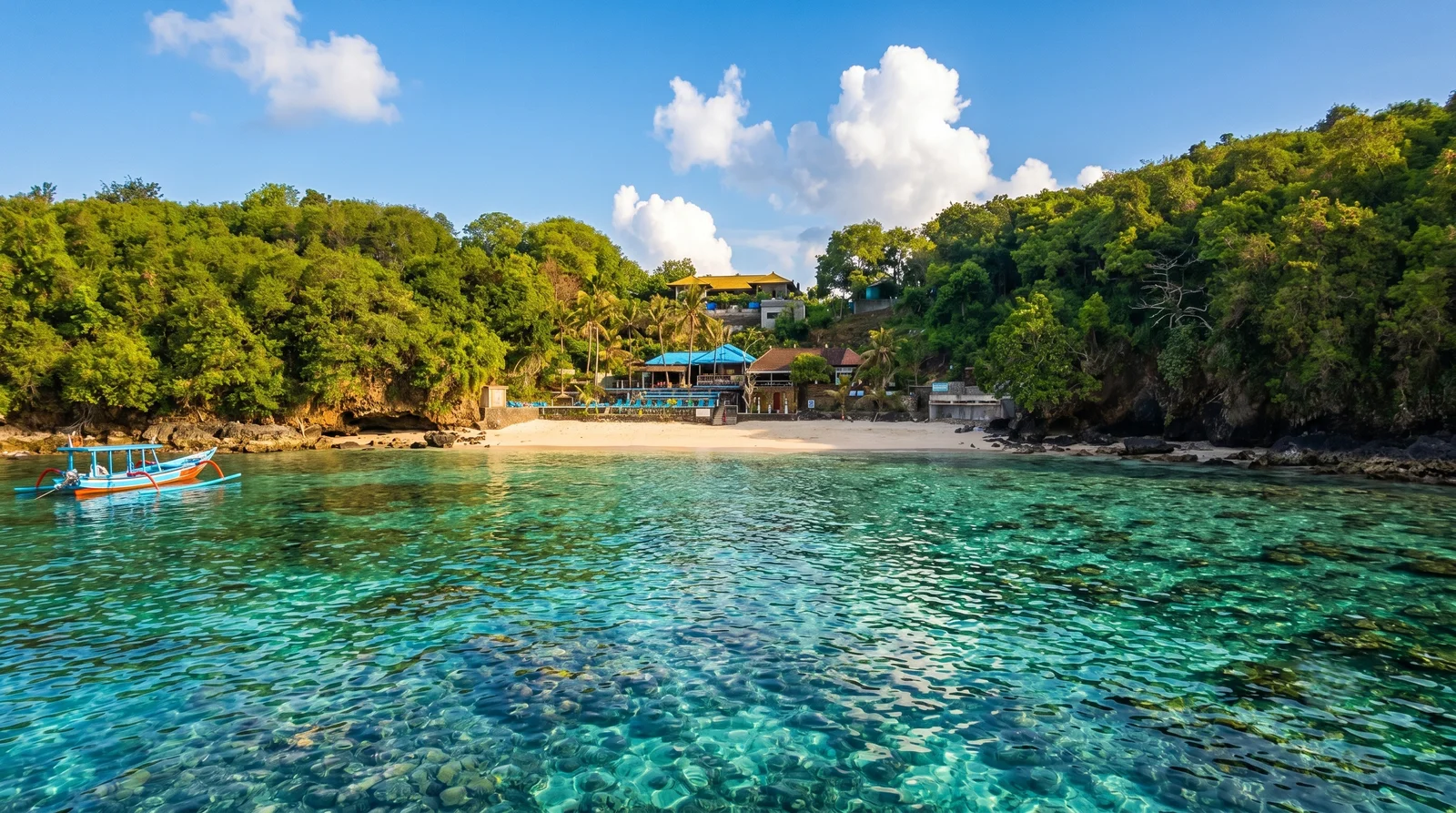
Blue Lagoon - Padangbai
A sheltered white-sand cove near Padangbai with a shallow coral reef — one of East Bali's best spots for shore snorkeling and diving.
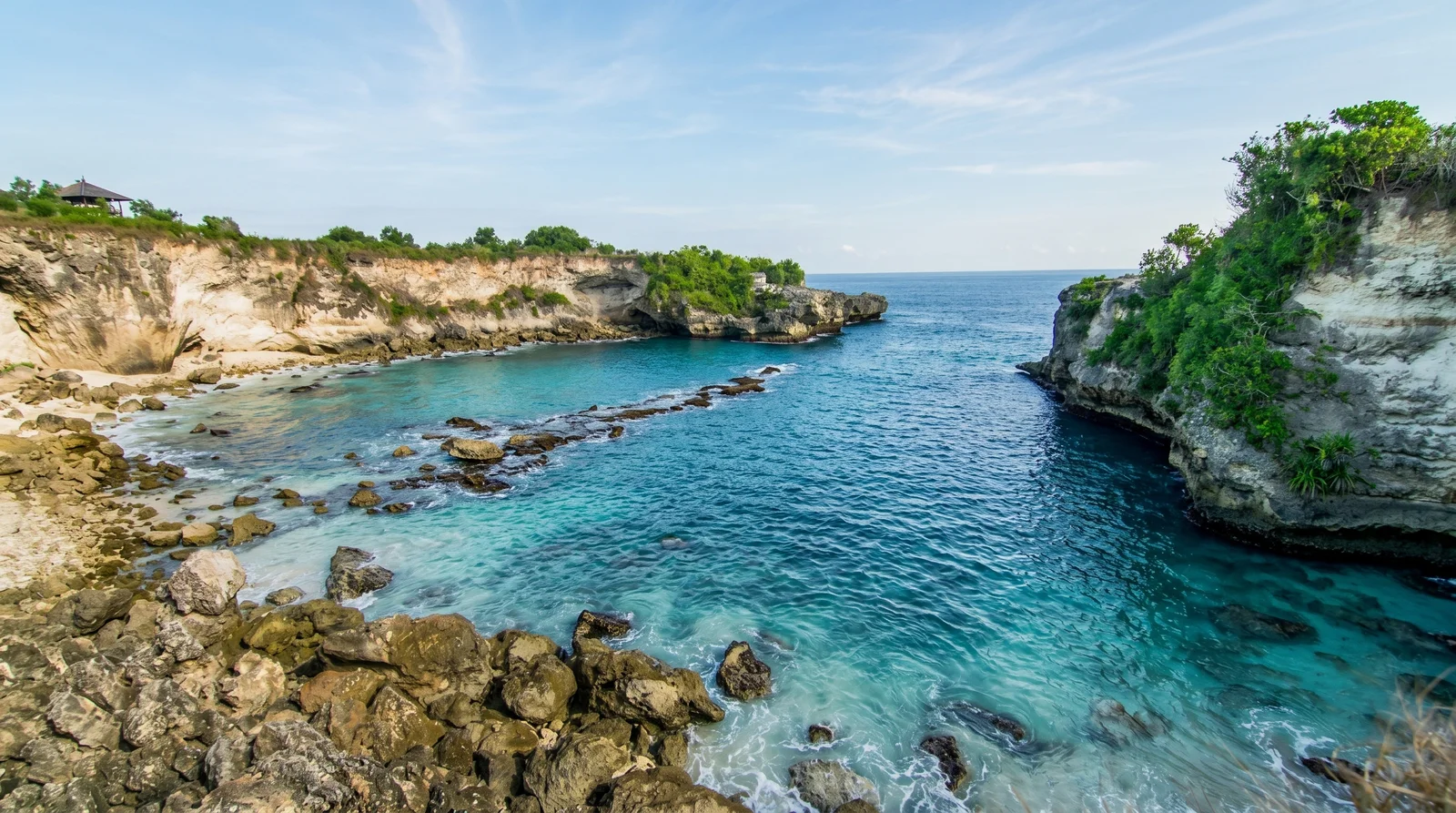
Blue Lagoon (Ceningan)
A narrow turquoise inlet in the cliffs on Nusa Ceningan: a striking viewpoint and a cliff-jump spot. Swimming is for the experienced and tide-dependent.
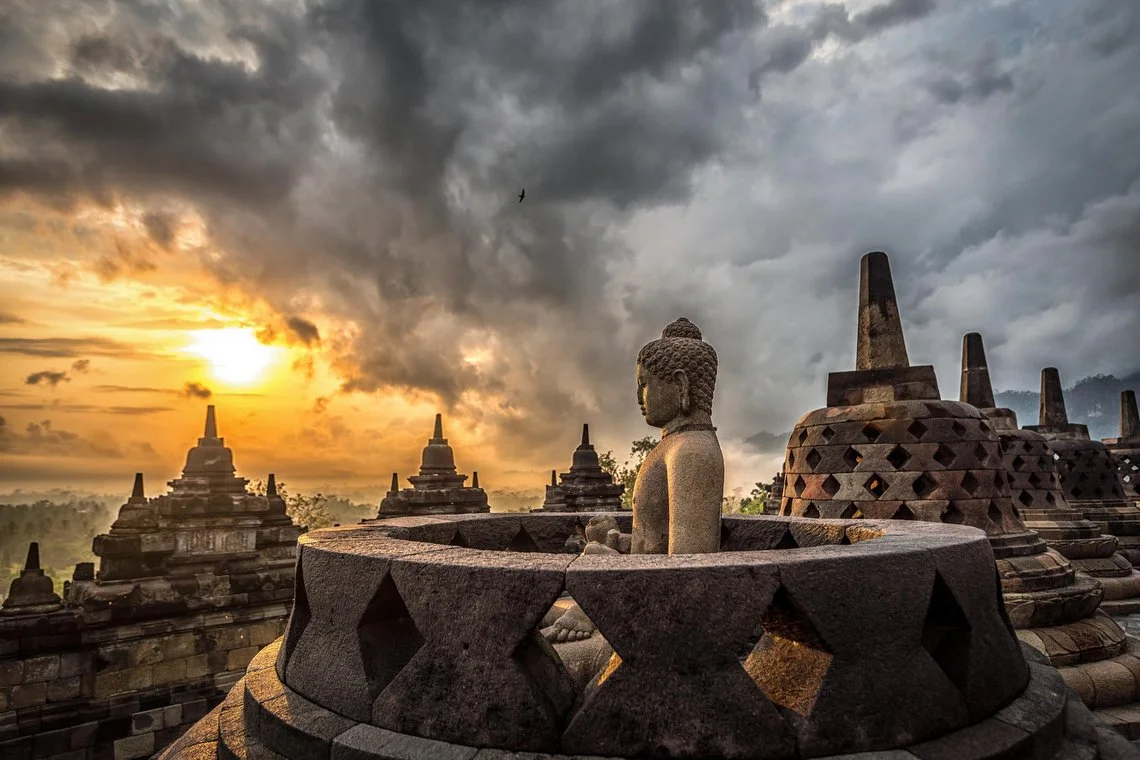
Borobudur Temple
Explore Borobudur in Central Java. Tickets, dress code, historical guides, and sunrise viewing details.
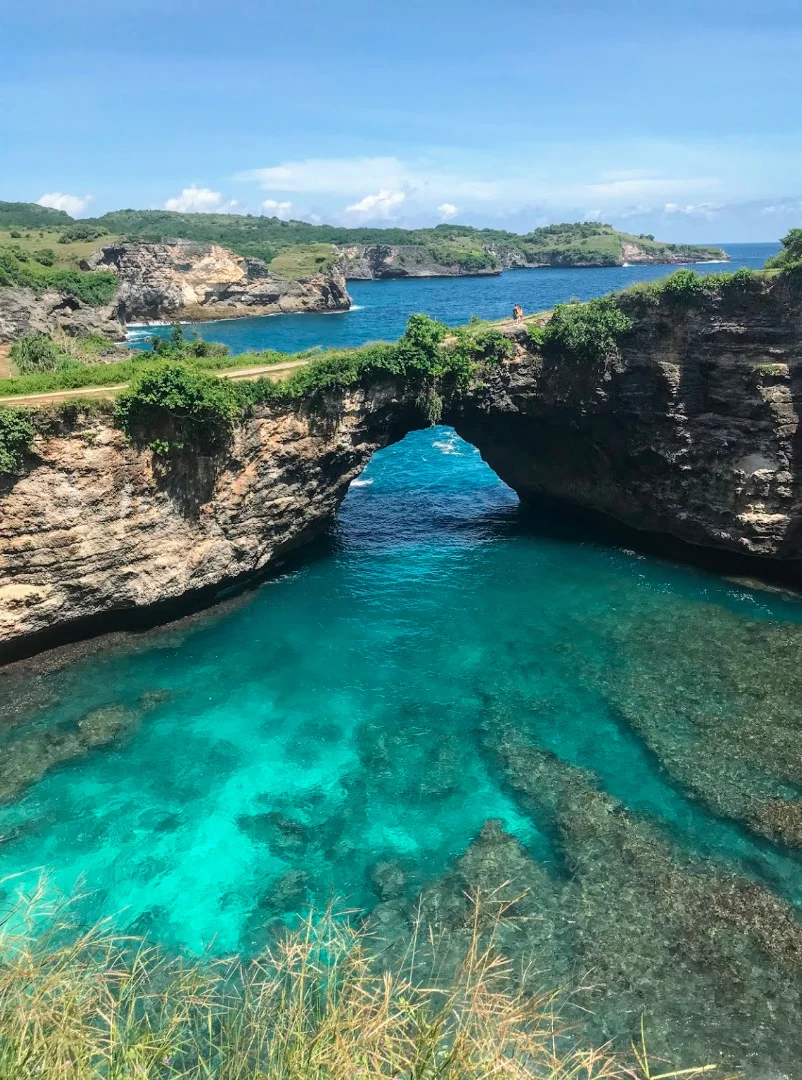
Broken Beach
An unusual circular bay on west Nusa Penida (Pasih Uug): the ocean flows into a stone 'well' through a natural arch and tunnel in the cliff.
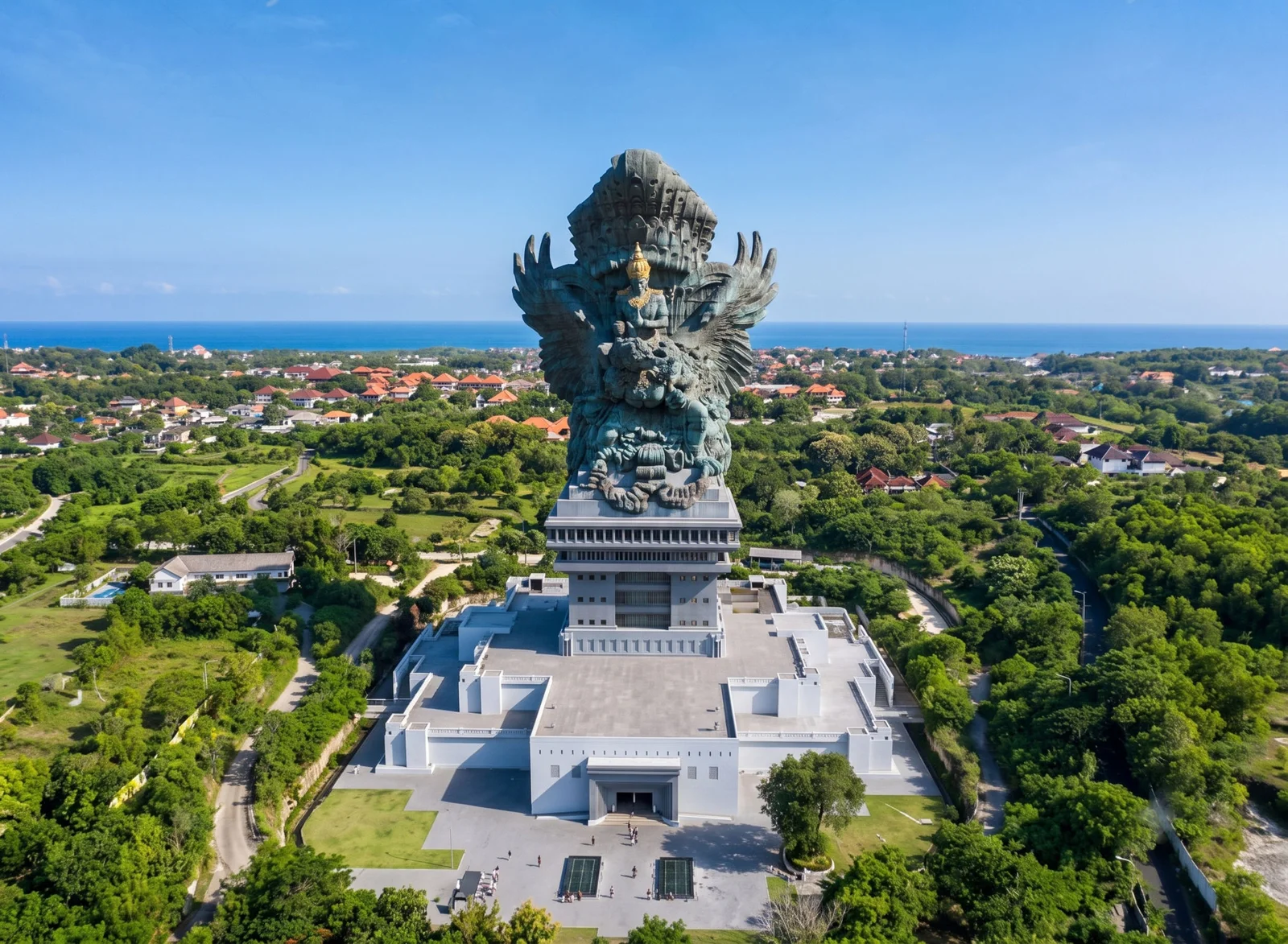
Bukit (Bukit Peninsula)
Bali's southern limestone peninsula — clifftop surf breaks, cove beaches and the Uluwatu sea temple. It holds Uluwatu, Jimbaran and Nusa Dua.
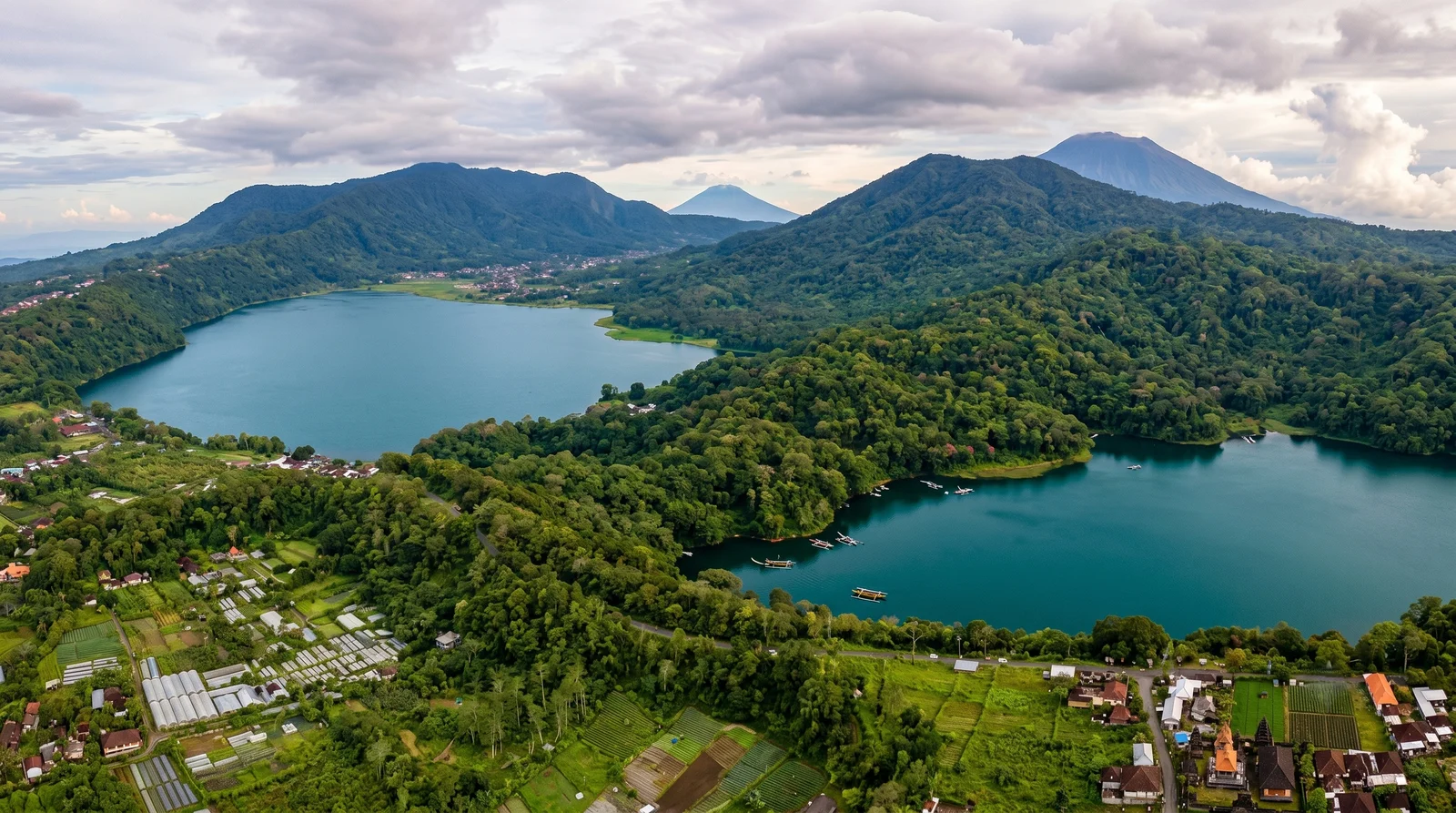
Buyan and Tamblingan Lakes
Twin crater lakes in the cool Bedugul highlands: a panoramic viewpoint, quiet protected Tamblingan and coffee plantations all around.
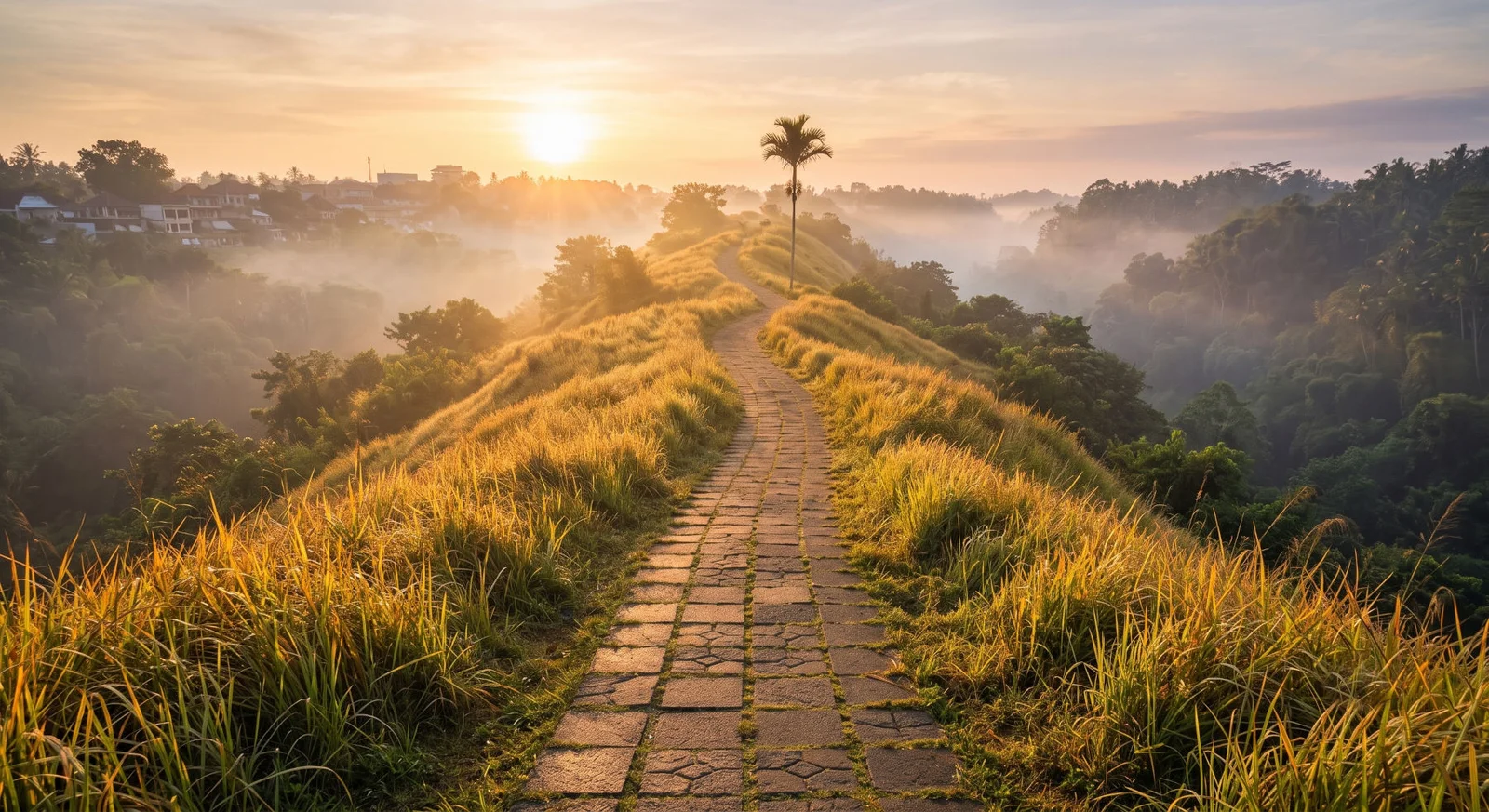
Campuhan Ridge Walk
A free walk along a green hilltop ridge on the edge of Ubud: a paved path from the Pura Gunung Lebah temple across the hills.
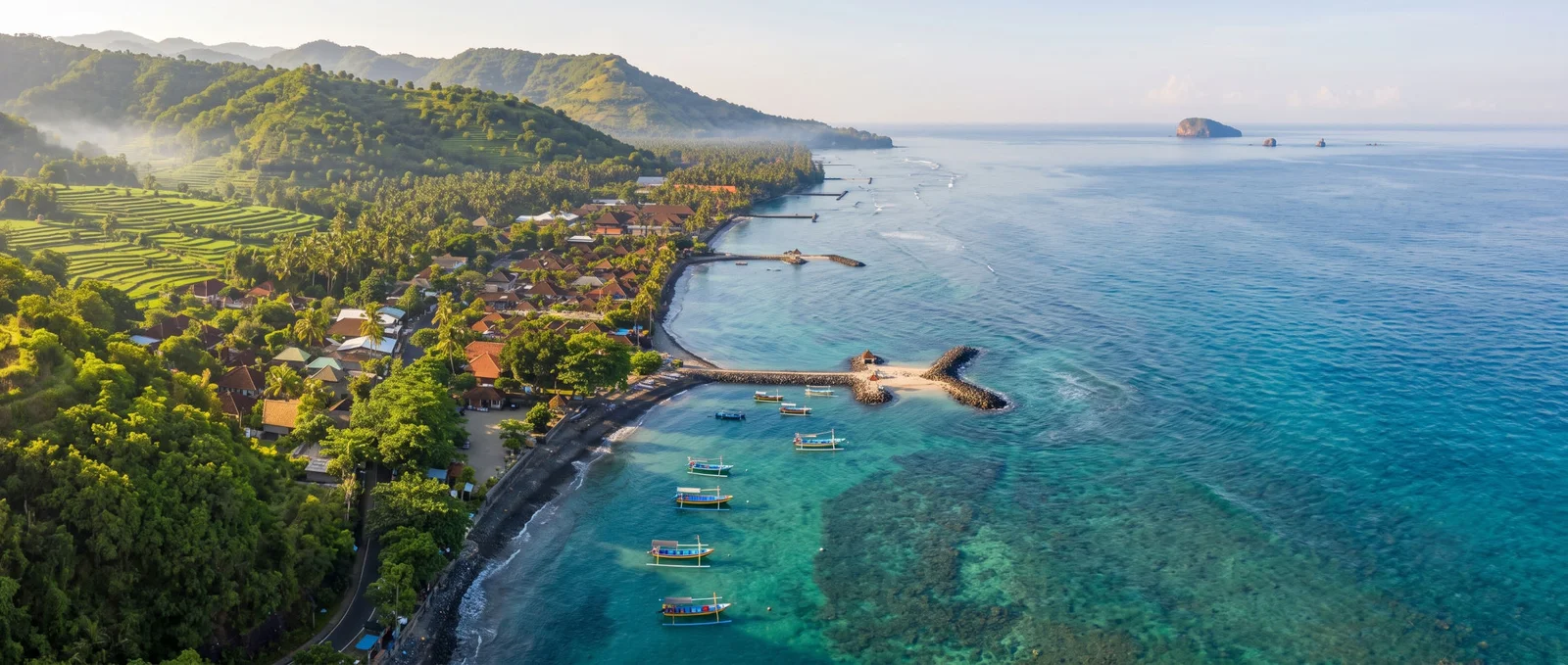
Candidasa
A quiet stretch of Bali's east coast — calm bays, Blue Lagoon snorkelling, Virgin Beach, the ancient village of Tenganan and the ferry port to the islands.
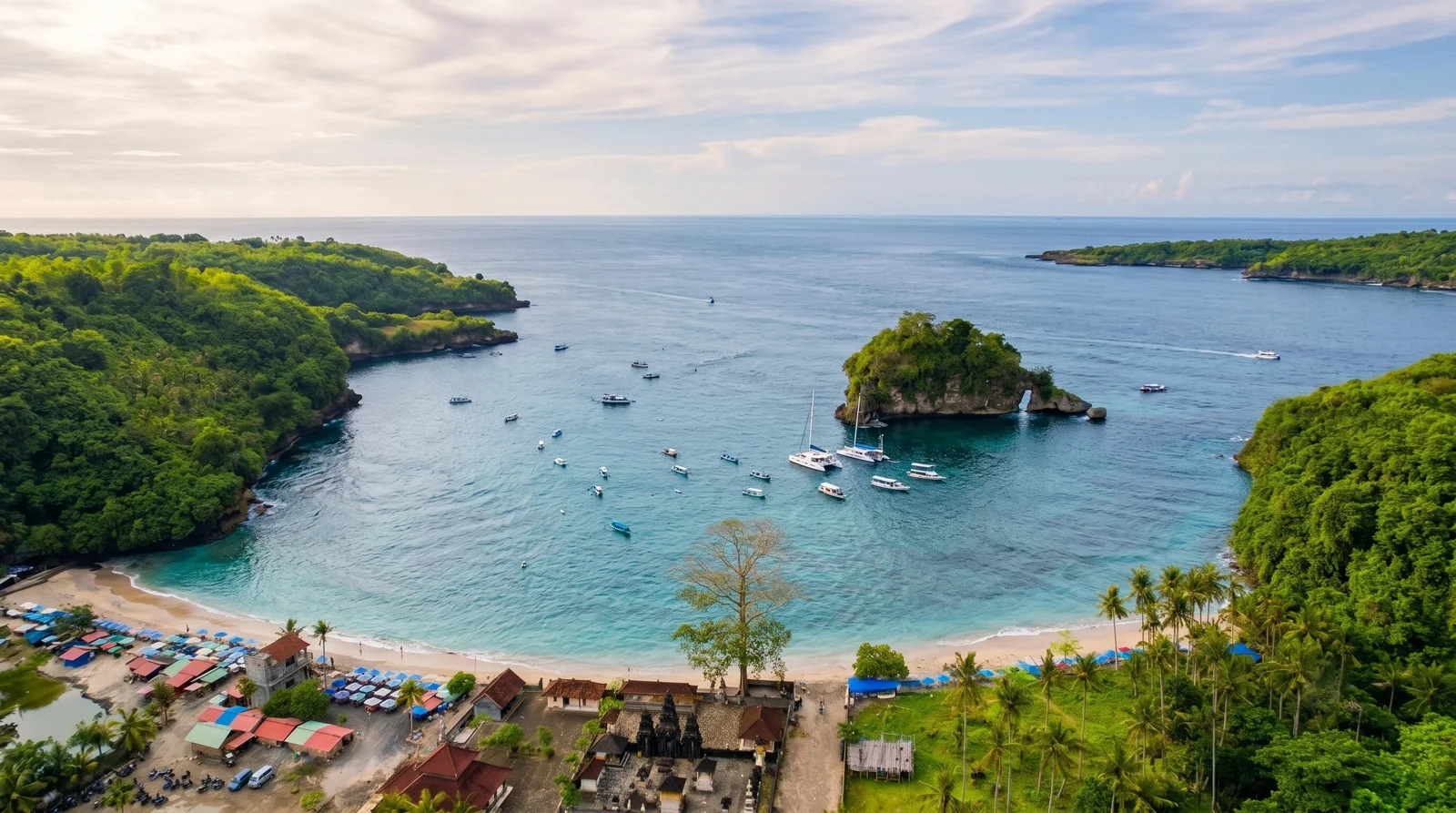
Crystal Bay
A bay beach on west Nusa Penida with crystal-clear water: the island's best snorkeling, coral and turtles near shore, and beautiful sunsets.
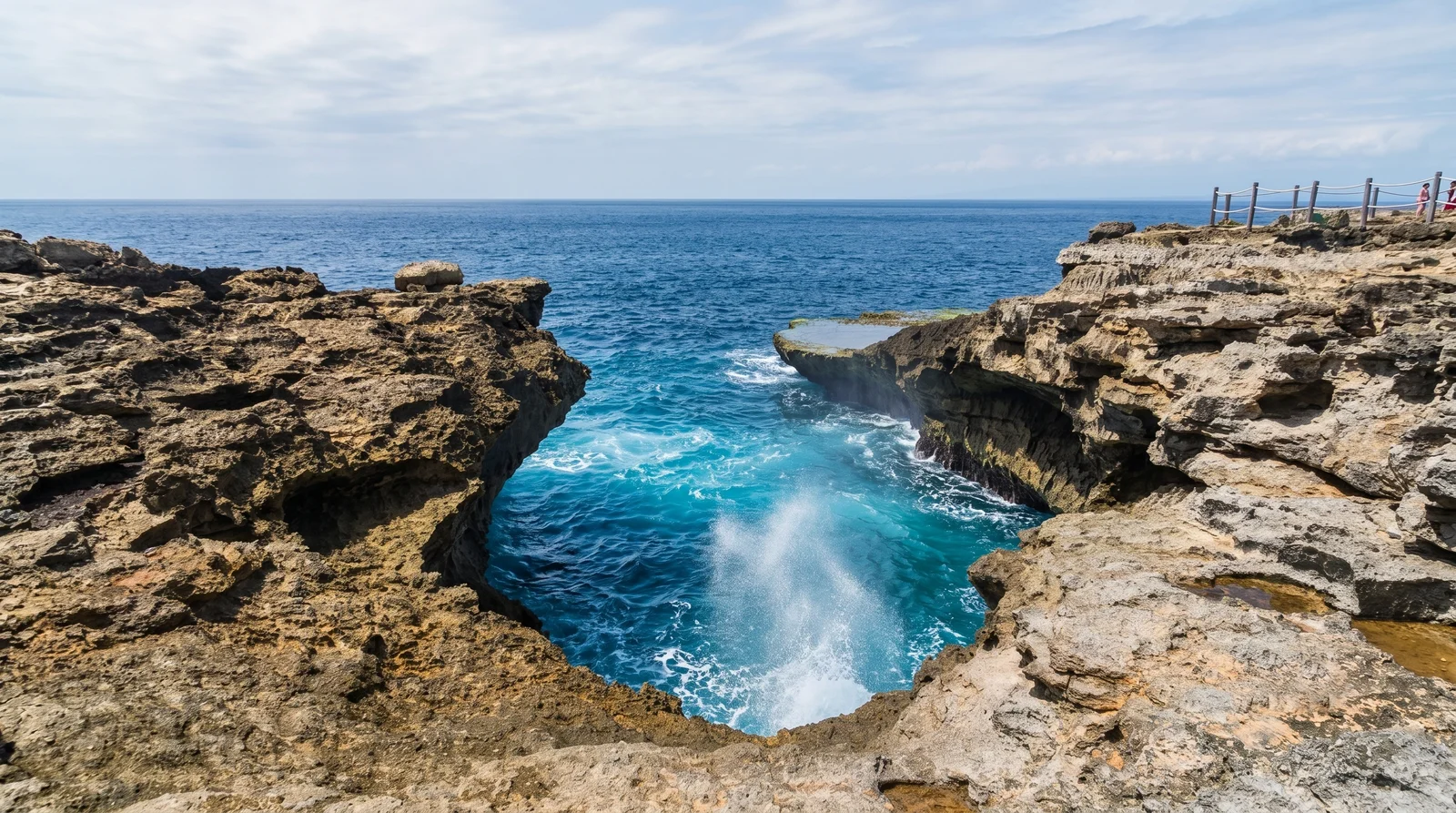
Devil's Tears
A rocky headland on Nusa Lembongan where waves explode against the cliffs in spray and drain through arches: a spectacular spot for photos and sunsets. Swimming is dangerous.
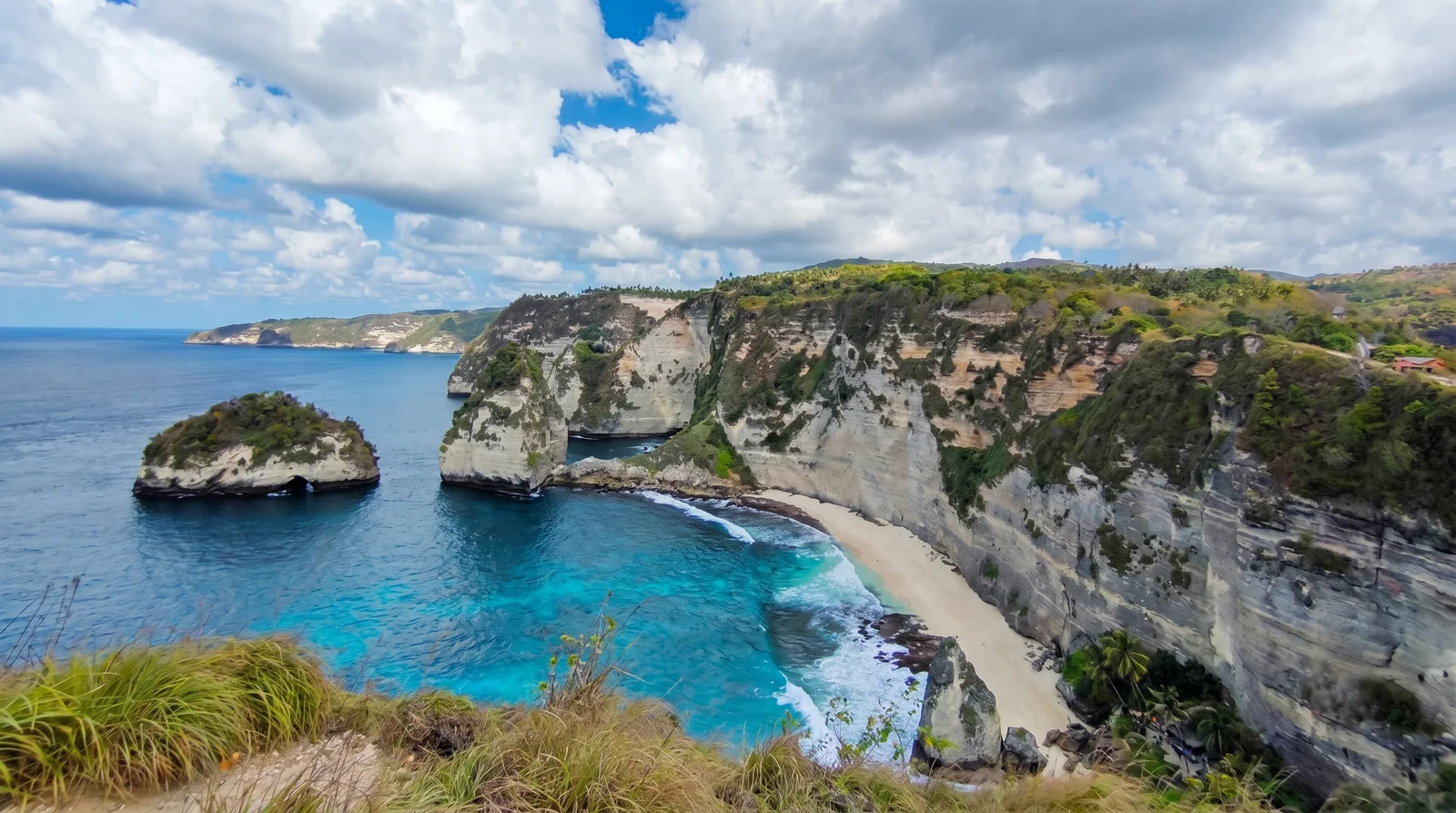
Diamond Beach
A white-sand beach on southeast Nusa Penida below sheer cliffs: turquoise water, the diamond-shaped rock and a 166-step staircase carved into the cliff.
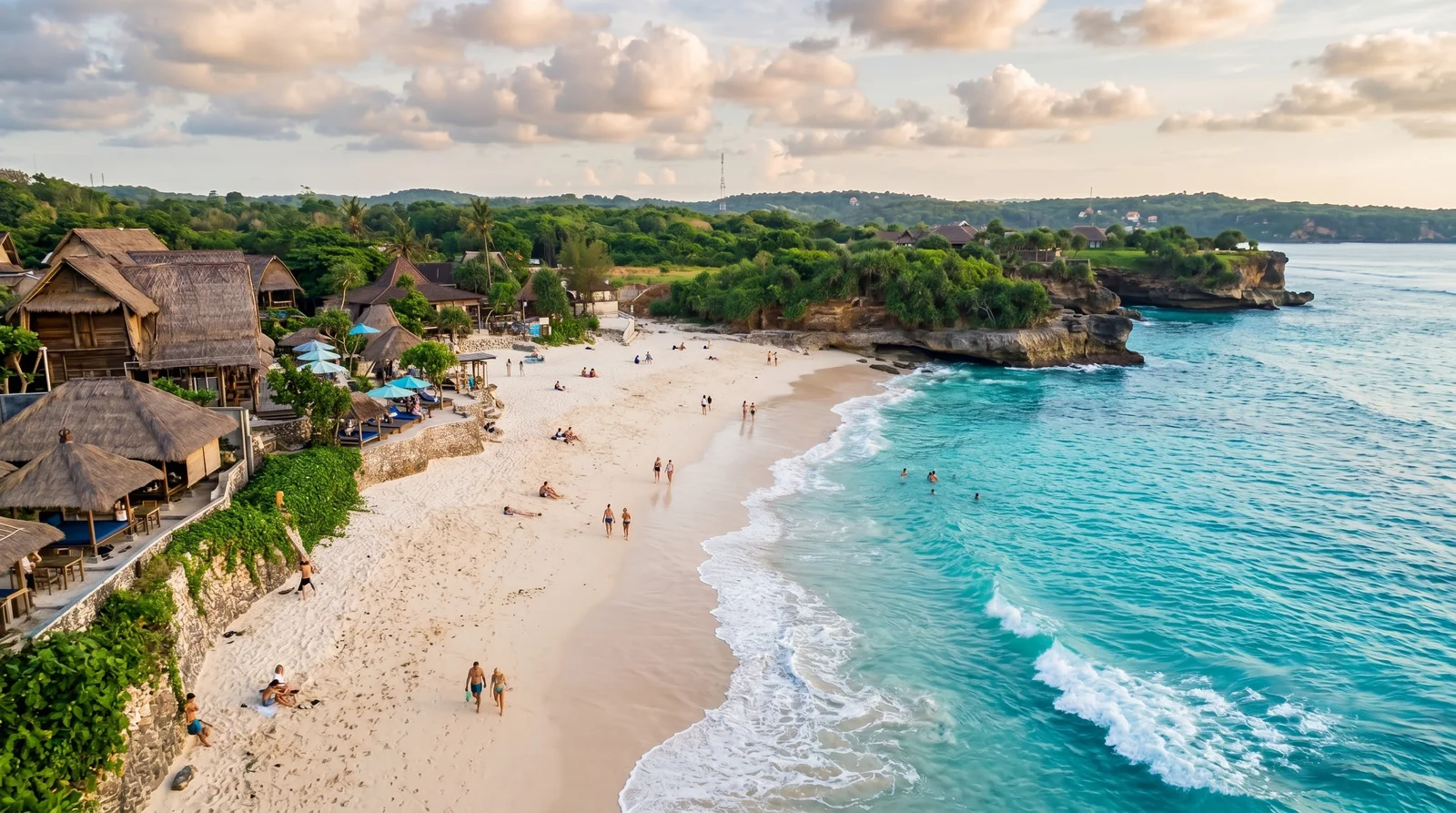
Dream Beach
A small golden-sand beach with turquoise water on southwest Nusa Lembongan: striking views, powerful surf and neighbouring Devil's Tears.
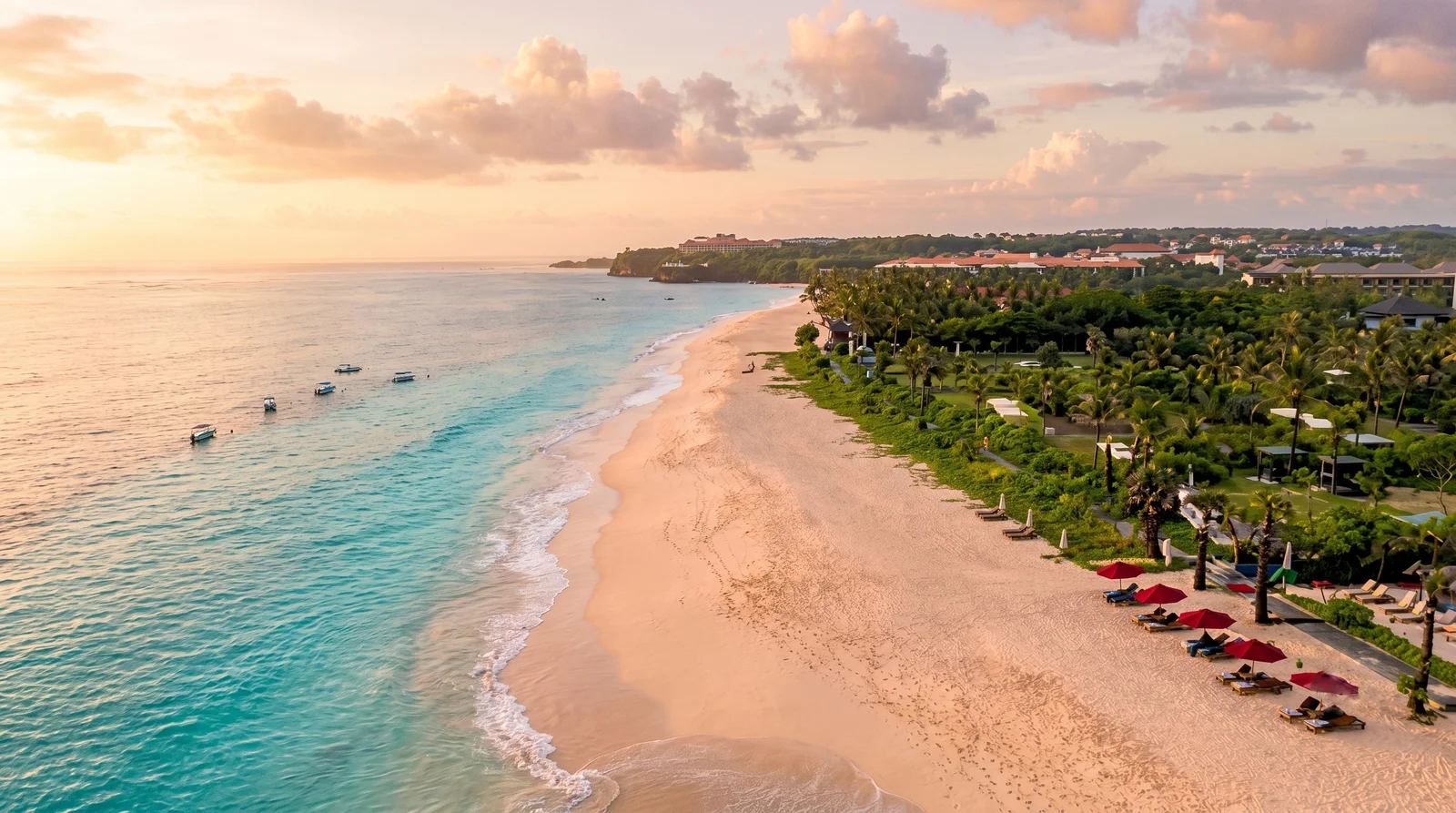
Geger Beach
A quiet white-sand beach in Nusa Dua sheltered by a reef: calm shallow water with no waves, loungers and the Geger temple on the headland — one of the south's most family-friendly beaches.
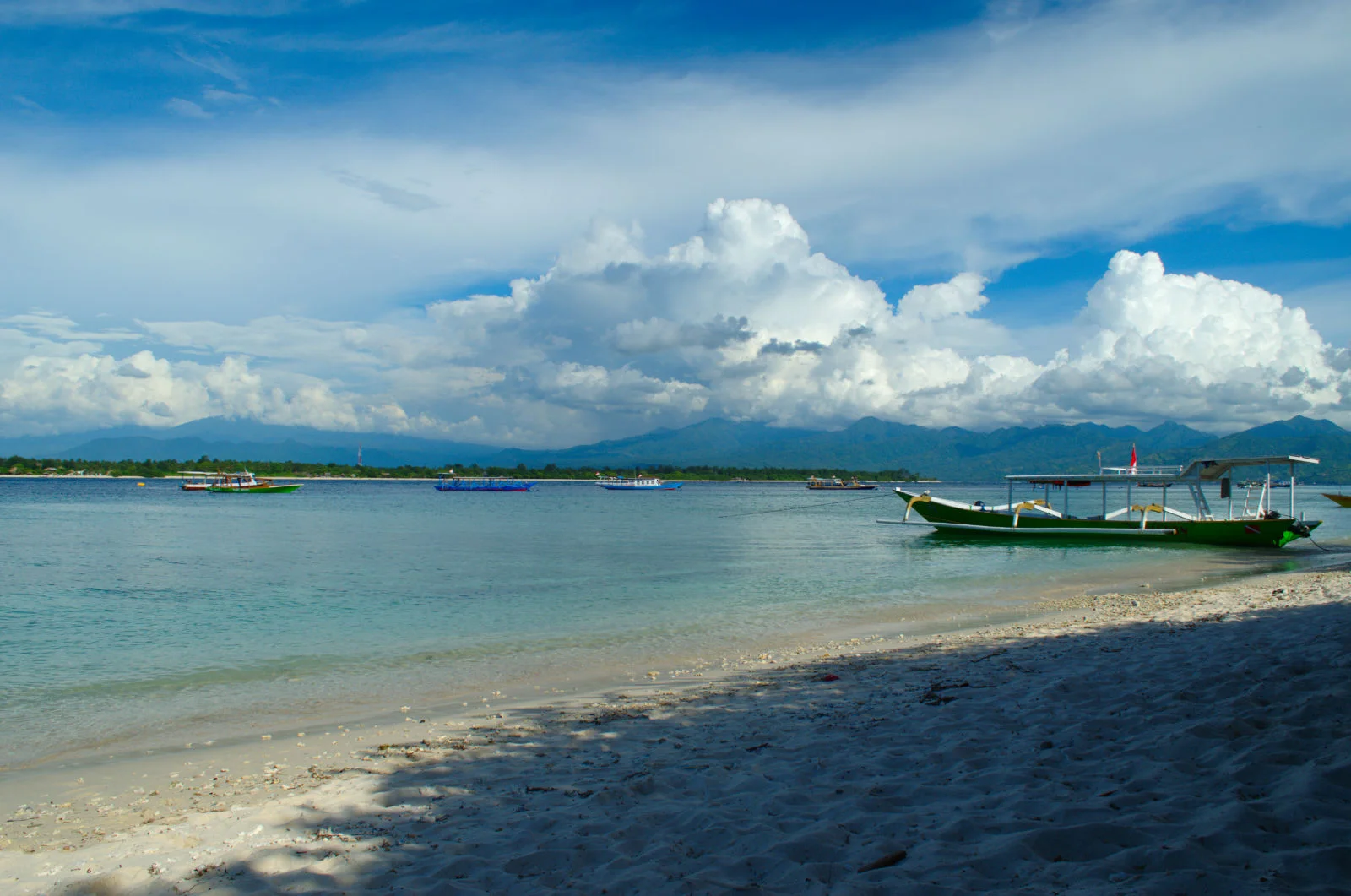
Gili Islands
Plan your trip to Gili Trawangan, Gili Meno, and Gili Air. Snorkel with turtles, find hotels, and take speedboats.
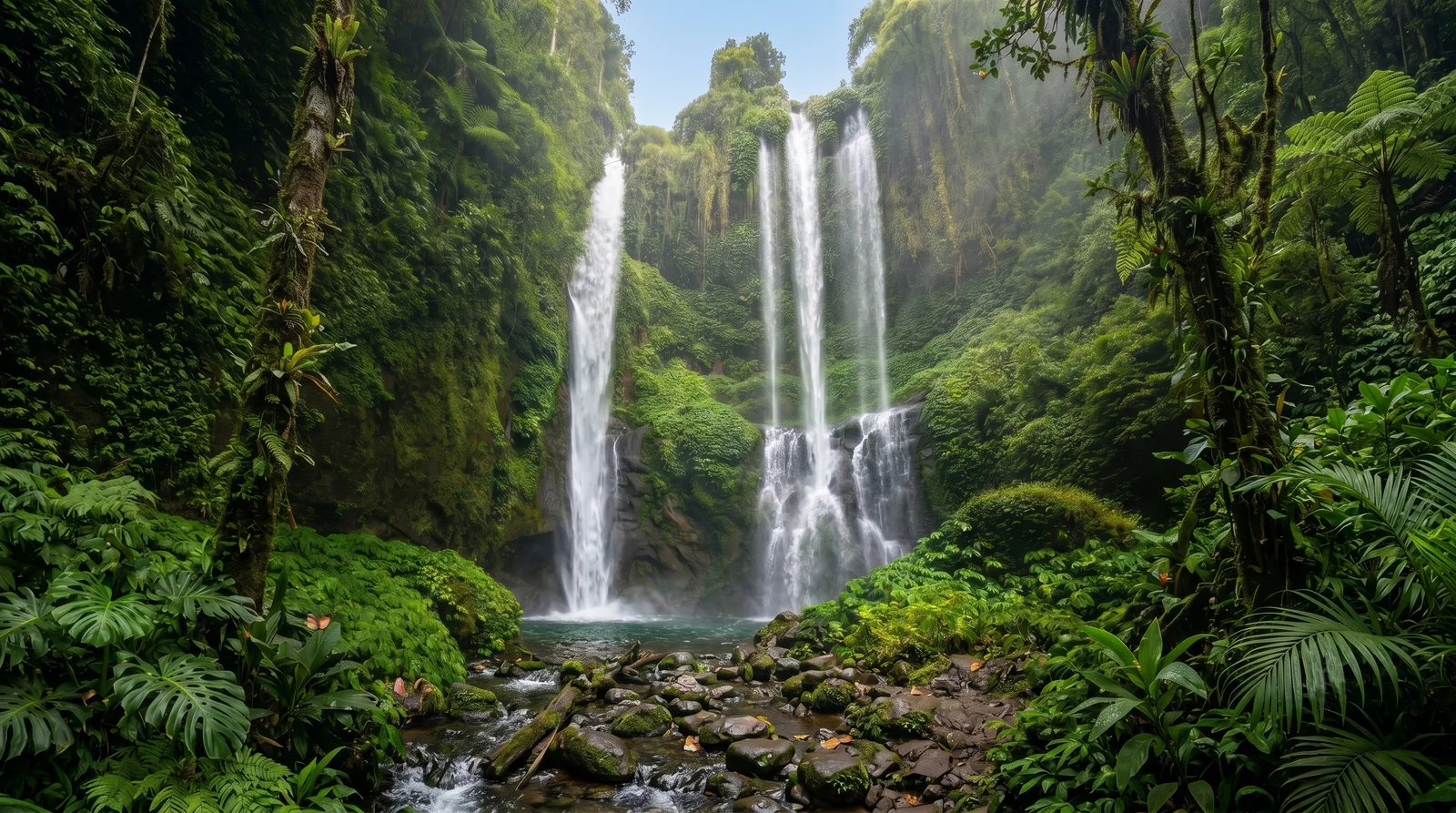
Gitgit Waterfall
One of Bali's tallest waterfalls — a 35-metre jungle cascade in the island's north.
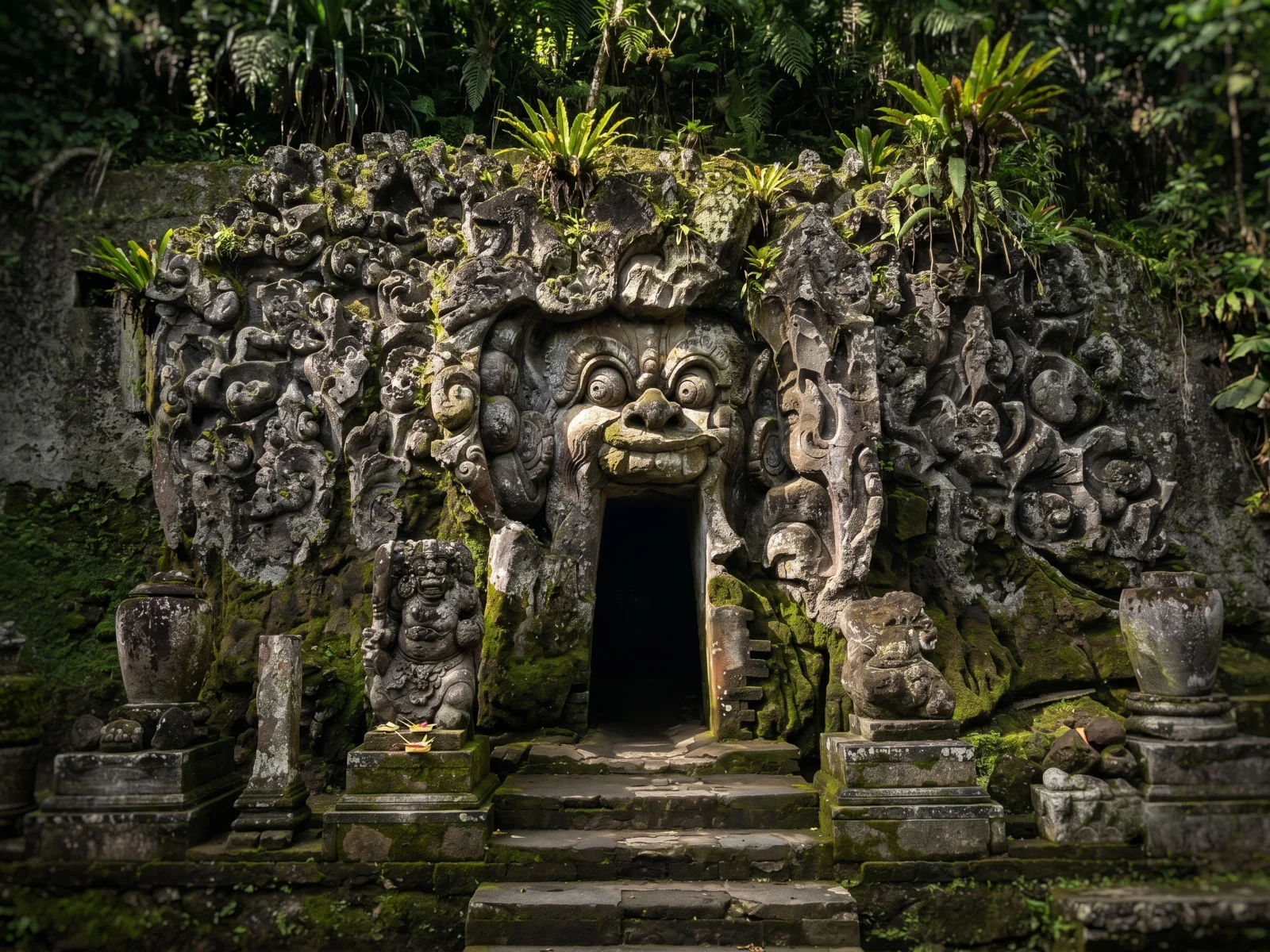
Goa Gajah (Elephant Cave)
An ancient 11th-century cave temple near Ubud: a demon-mouth carved into the rock, and bathing pools with nymph statues unearthed in 1954.
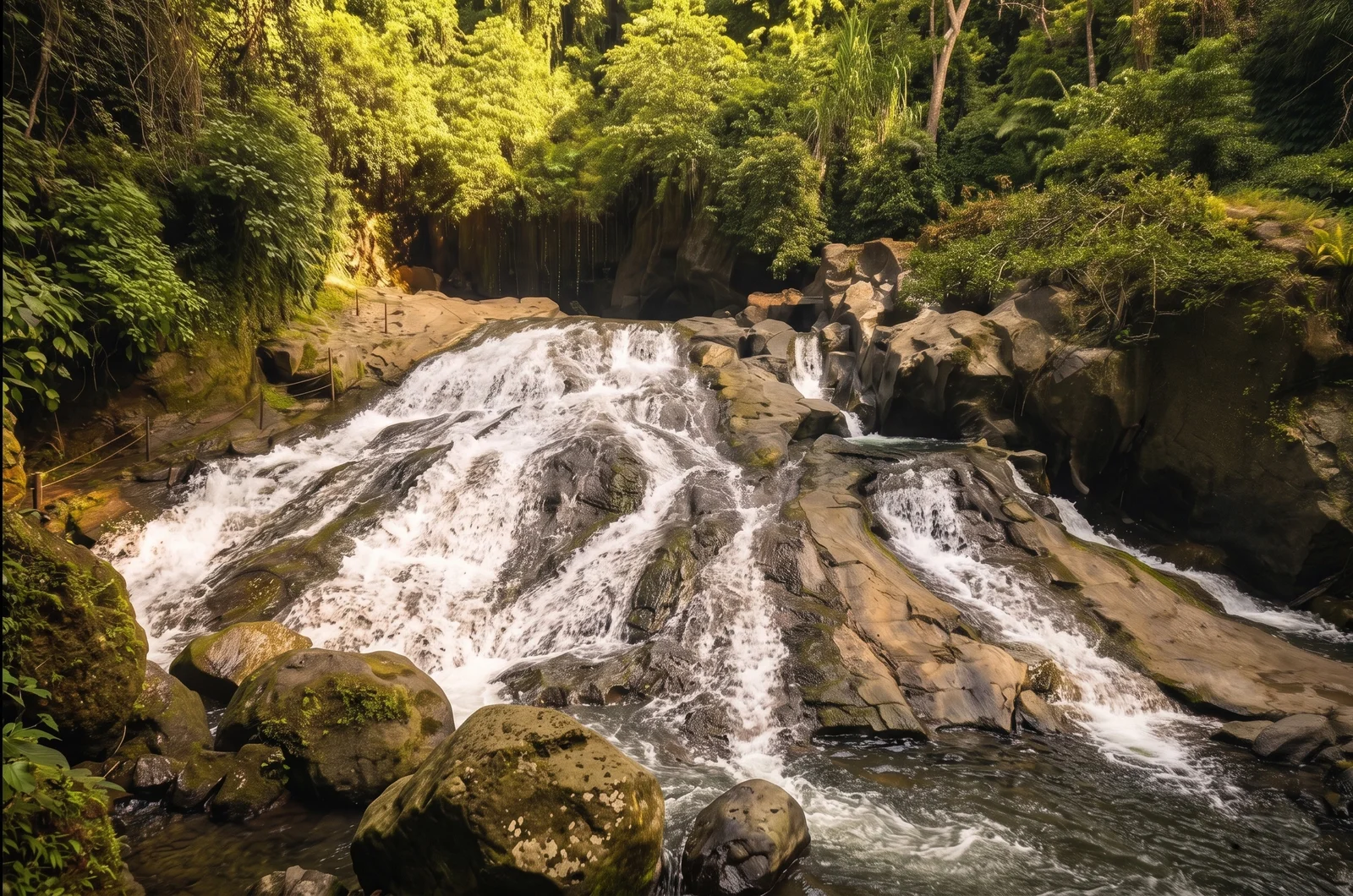
Goa Rang Reng Waterfall
A gentle stepped waterfall with a sacred cave in Gianyar — a site for Melukat purification rituals, 35 minutes from Ubud.
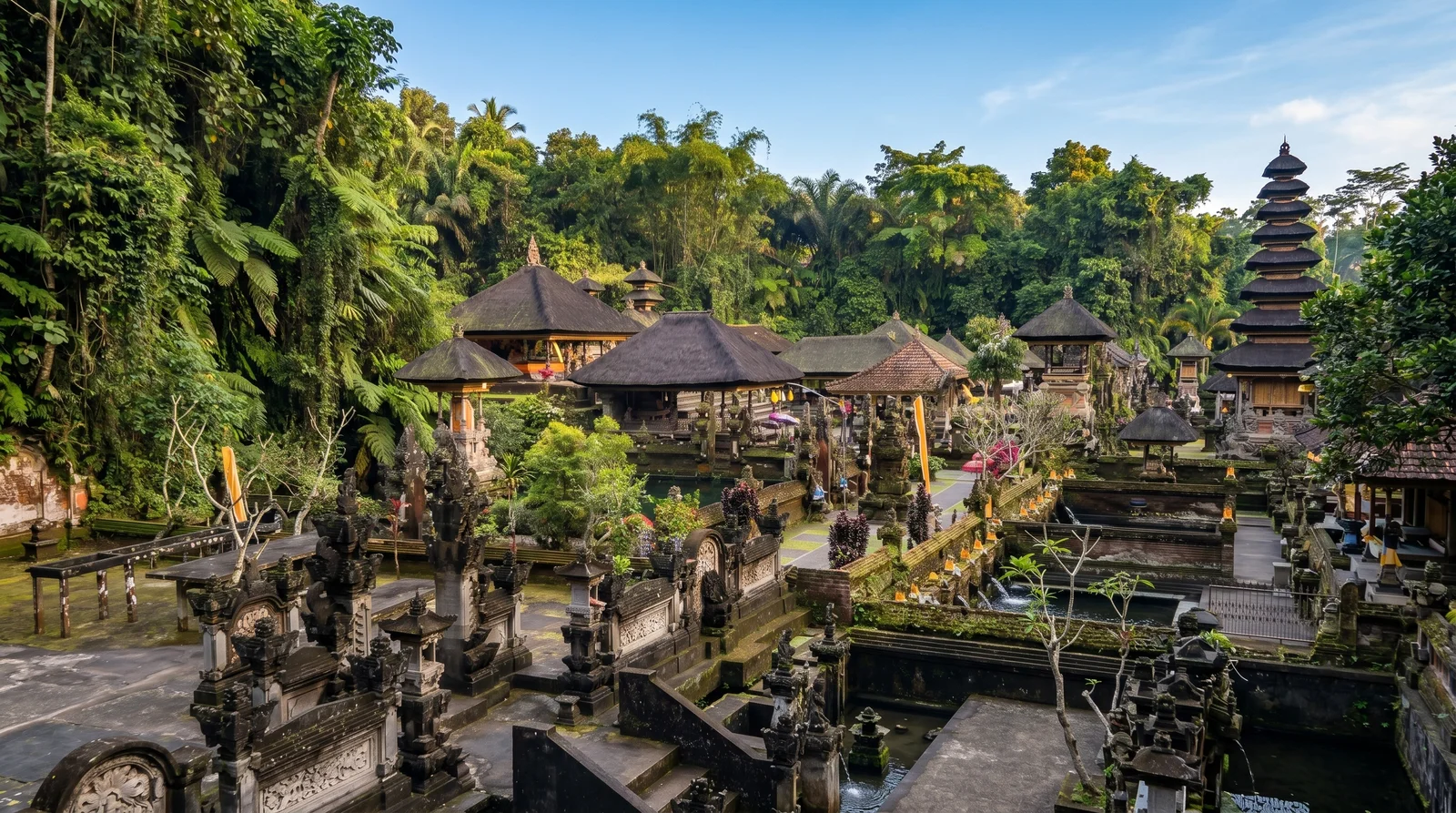
Gunung Kawi Sebatu Temple
A quiet holy-spring water temple in Sebatu village near Ubud — koi ponds, lotus pools and the melukat purification ritual without the crowds.
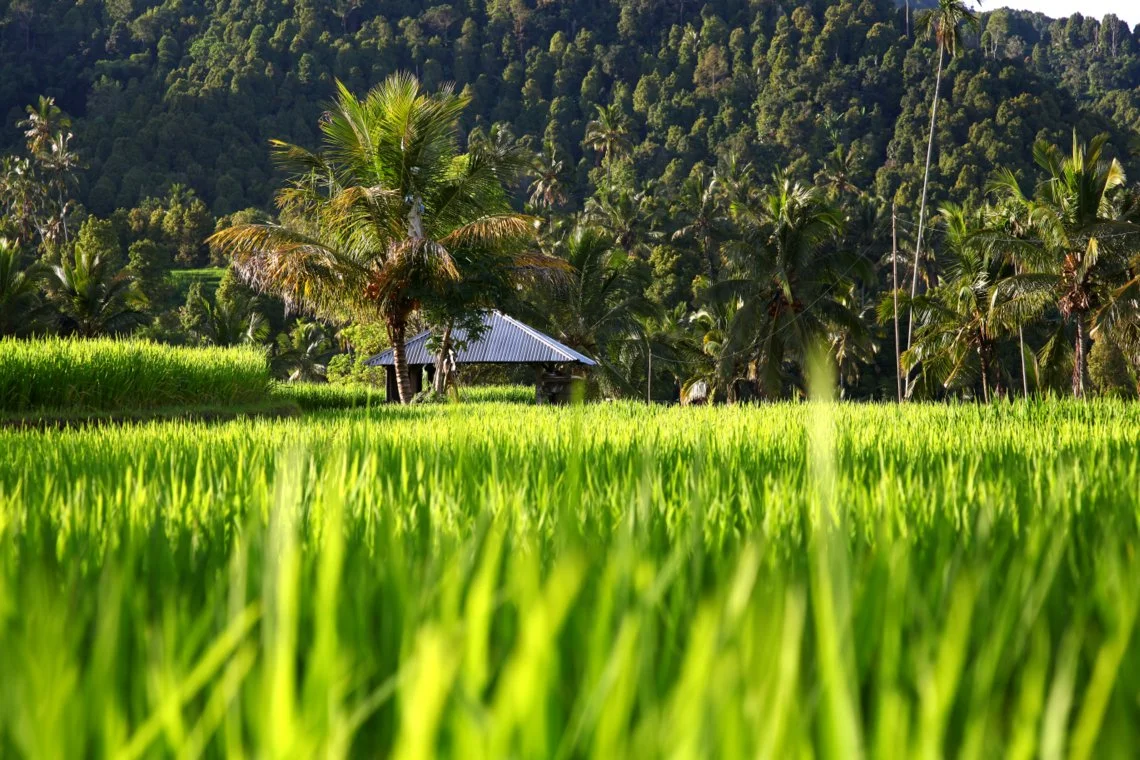
Jatiluwih Rice Terraces
Explore the vast rice paddies of Jatiluwih in Central Bali. Trekking trails and local farming experiences.
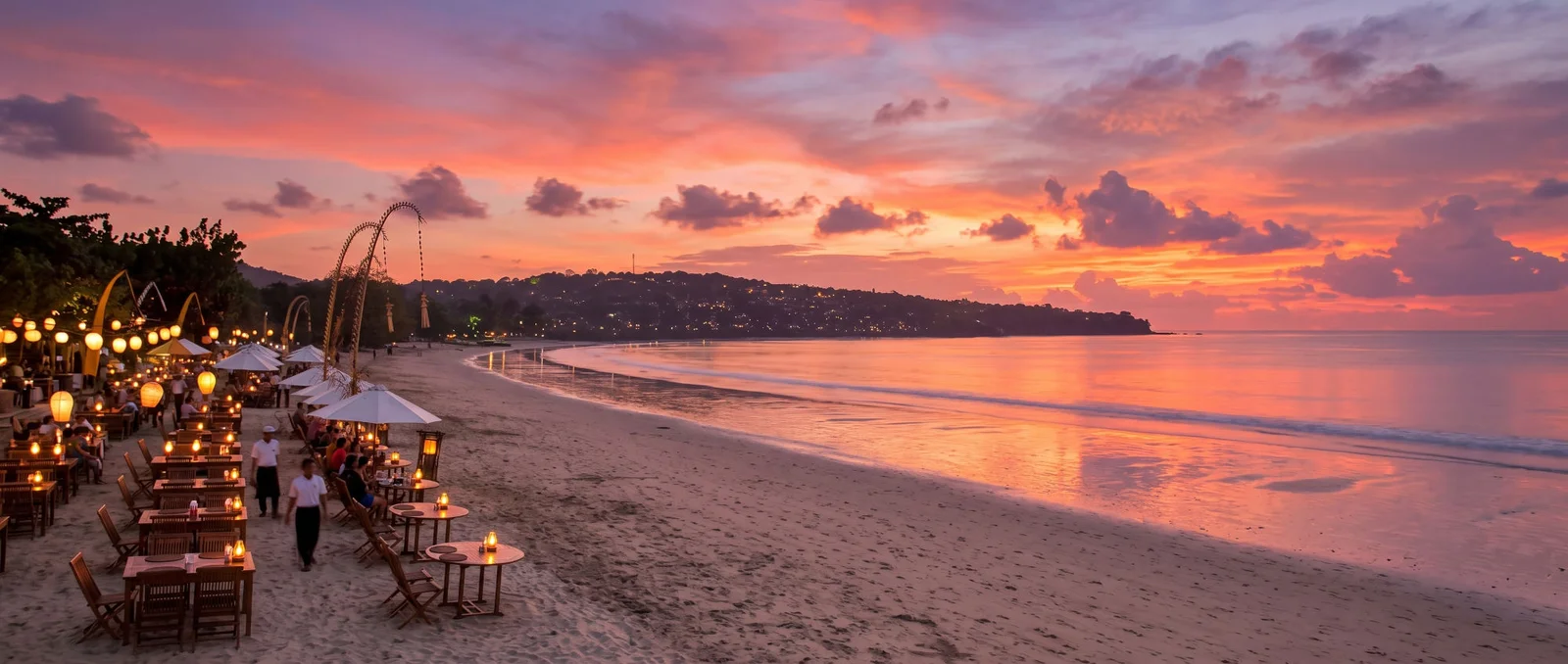
Jimbaran
A quiet district on the isthmus of the Bukit Peninsula — a fishing village near the airport, resorts, the fish market and the gateway to south Bali.
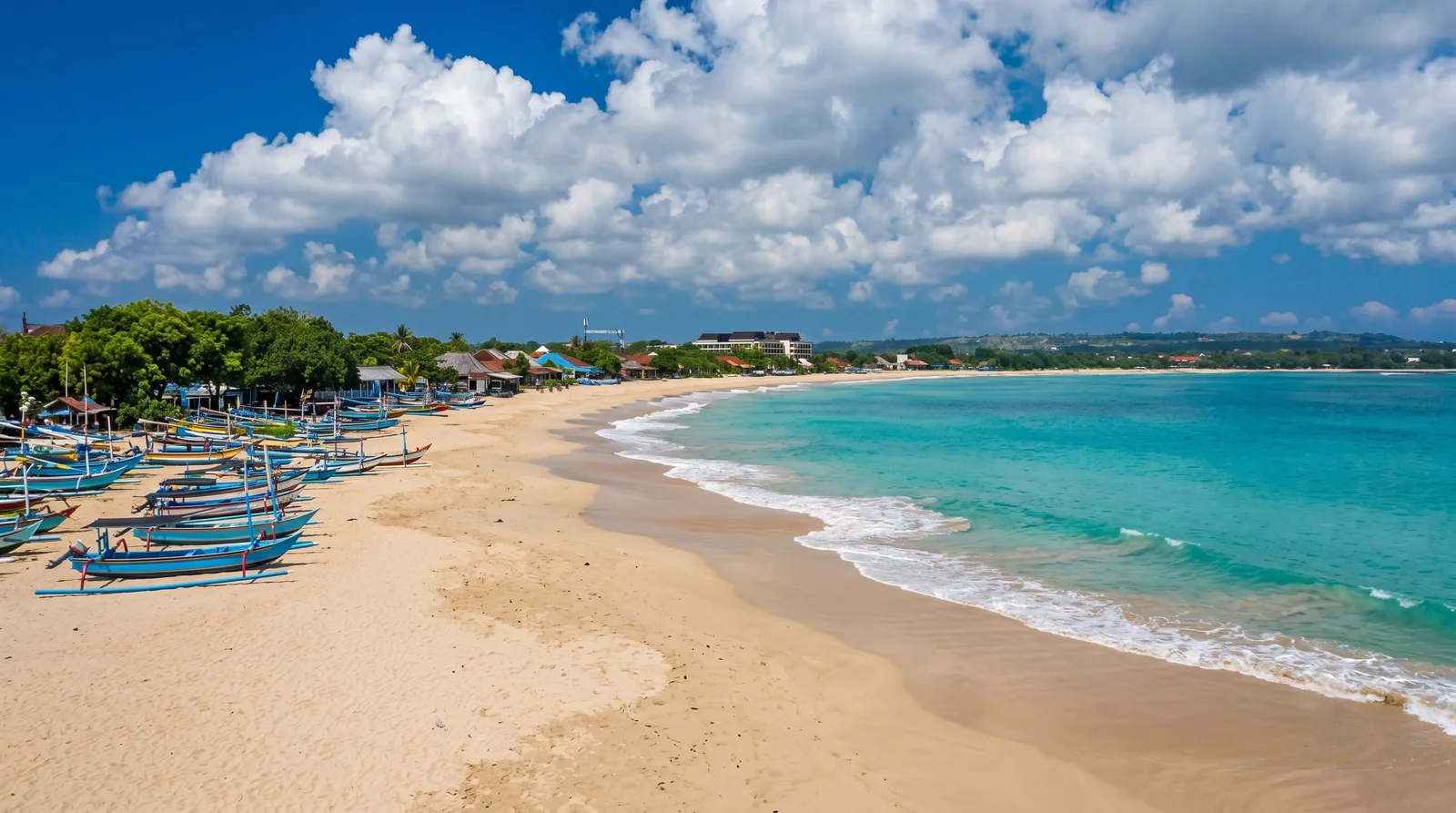
Jimbaran Beach
A wide, calm sandy beach on Jimbaran Bay — famous for grilled-seafood dinners on the sand at sunset, gentle swimming and golden-hour views.
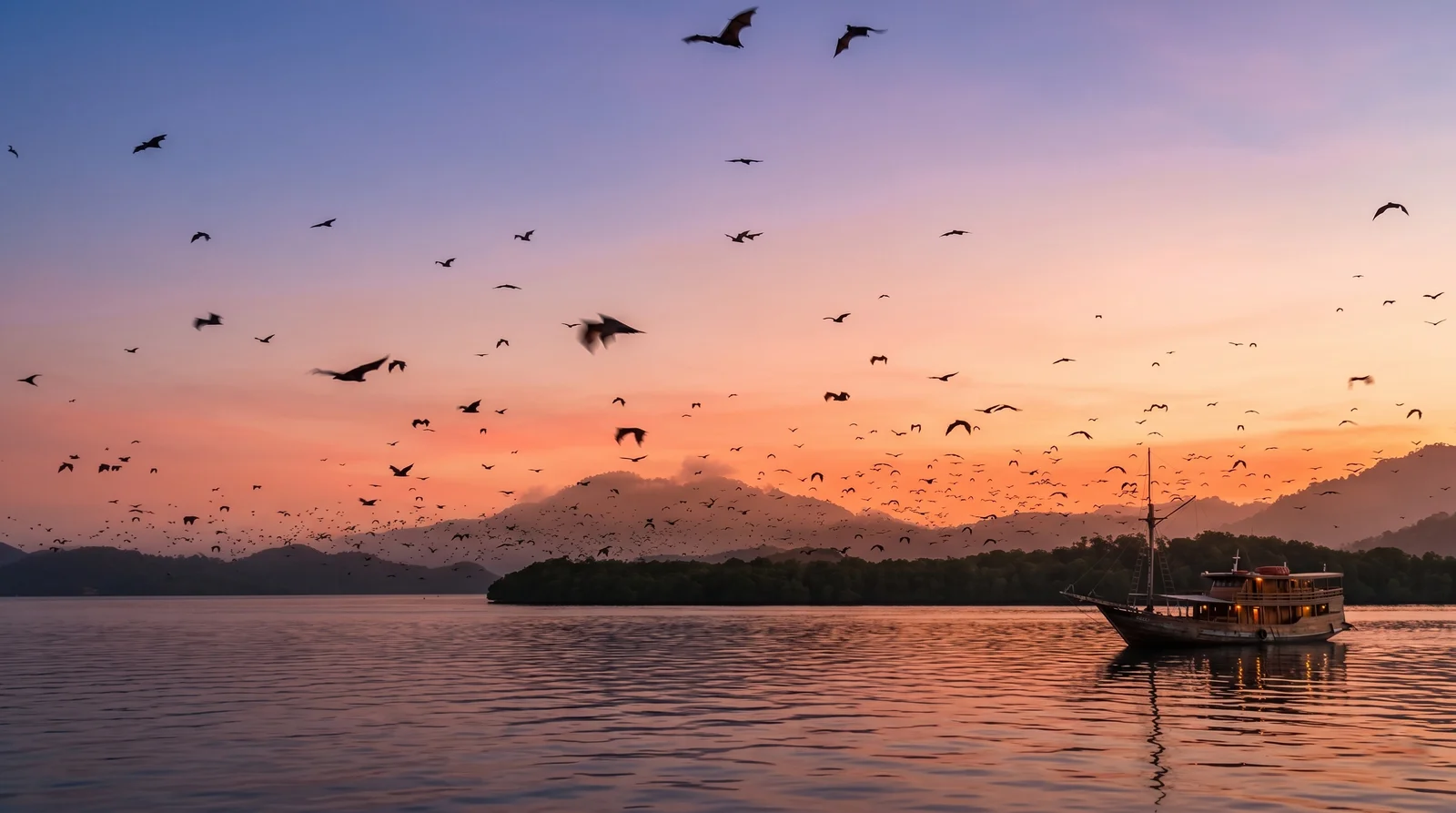
Kalong Island
A mangrove islet in Komodo National Park: at sunset thousands of flying foxes rise from the mangroves toward Flores — an atmospheric scene of a Komodo cruise.
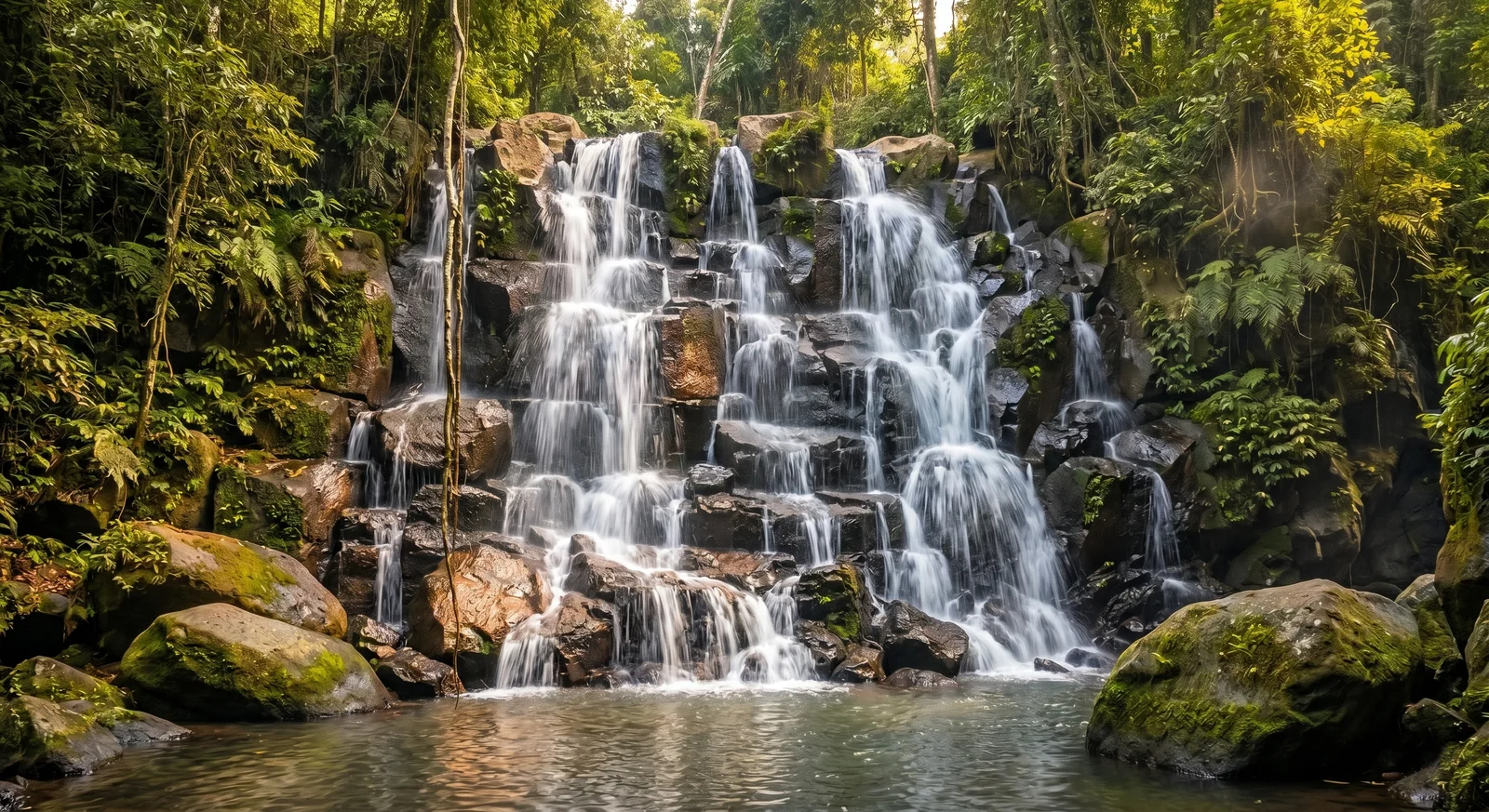
Kanto Lampo Waterfall
A famous fan-shaped waterfall in Gianyar where water spreads across a stepped black cliff — one of Bali's most photogenic spots.
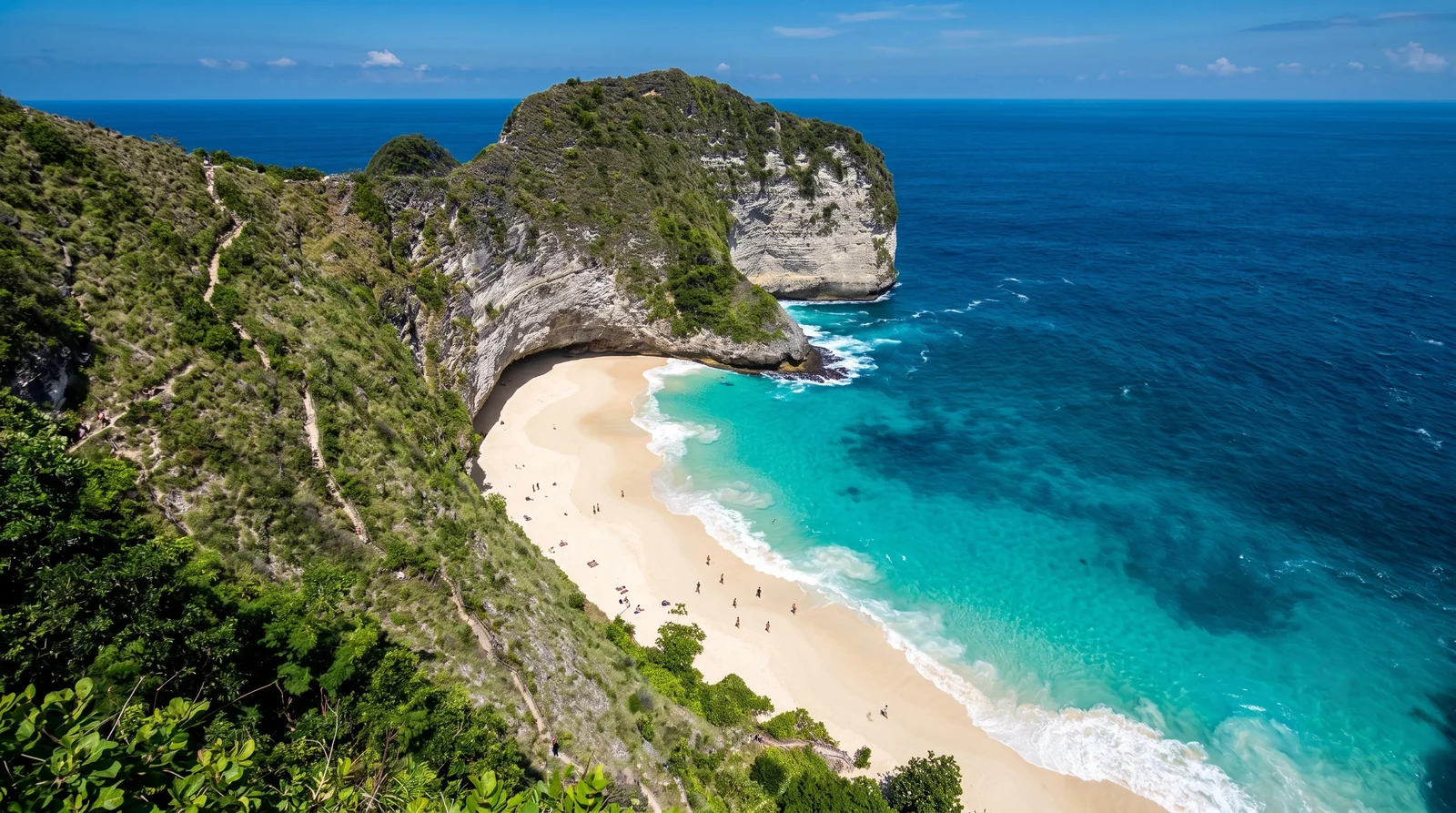
Kelingking Beach
Nusa Penida's famous T-Rex cliff: a clifftop viewpoint over a white-sand beach where swimming is banned because of dangerous currents.
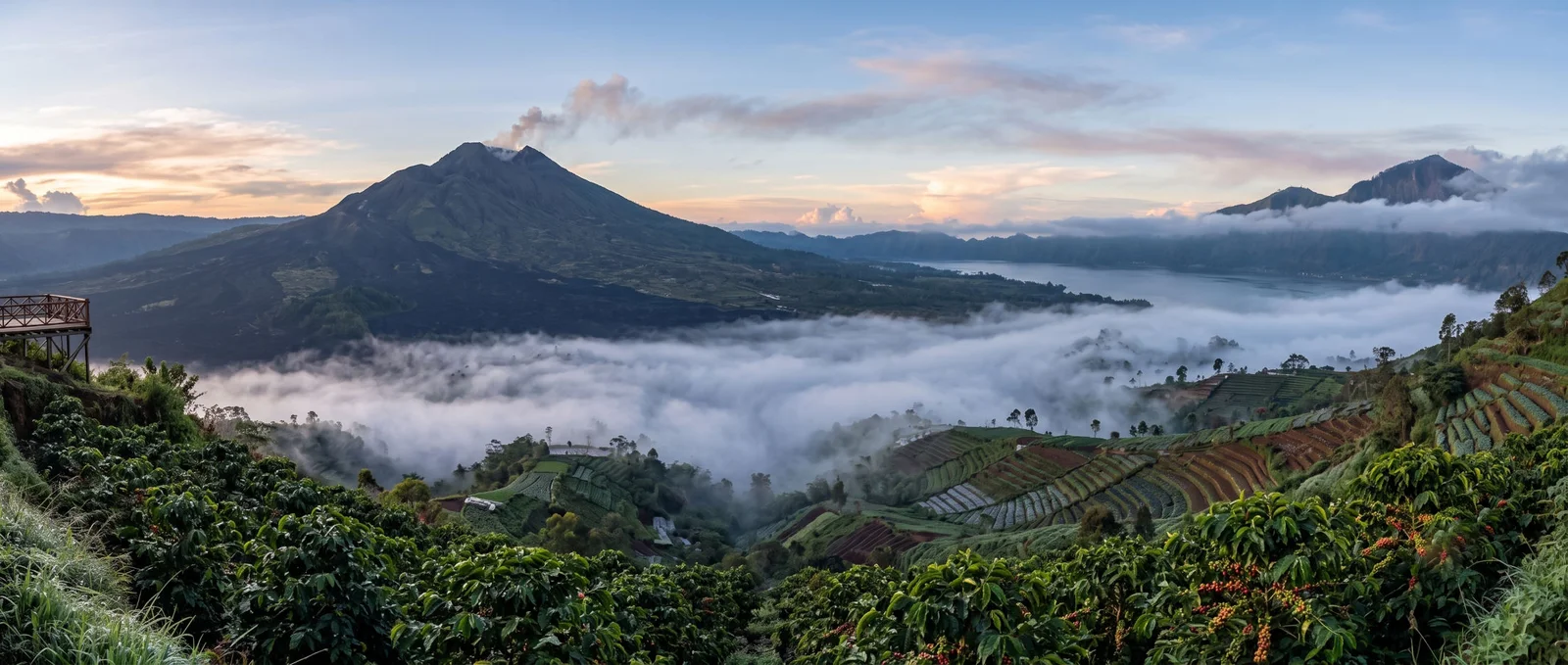
Kintamani
A highland caldera in Bali's interior — the active Mount Batur volcano, a crater lake, natural hot springs and coffee plantations.
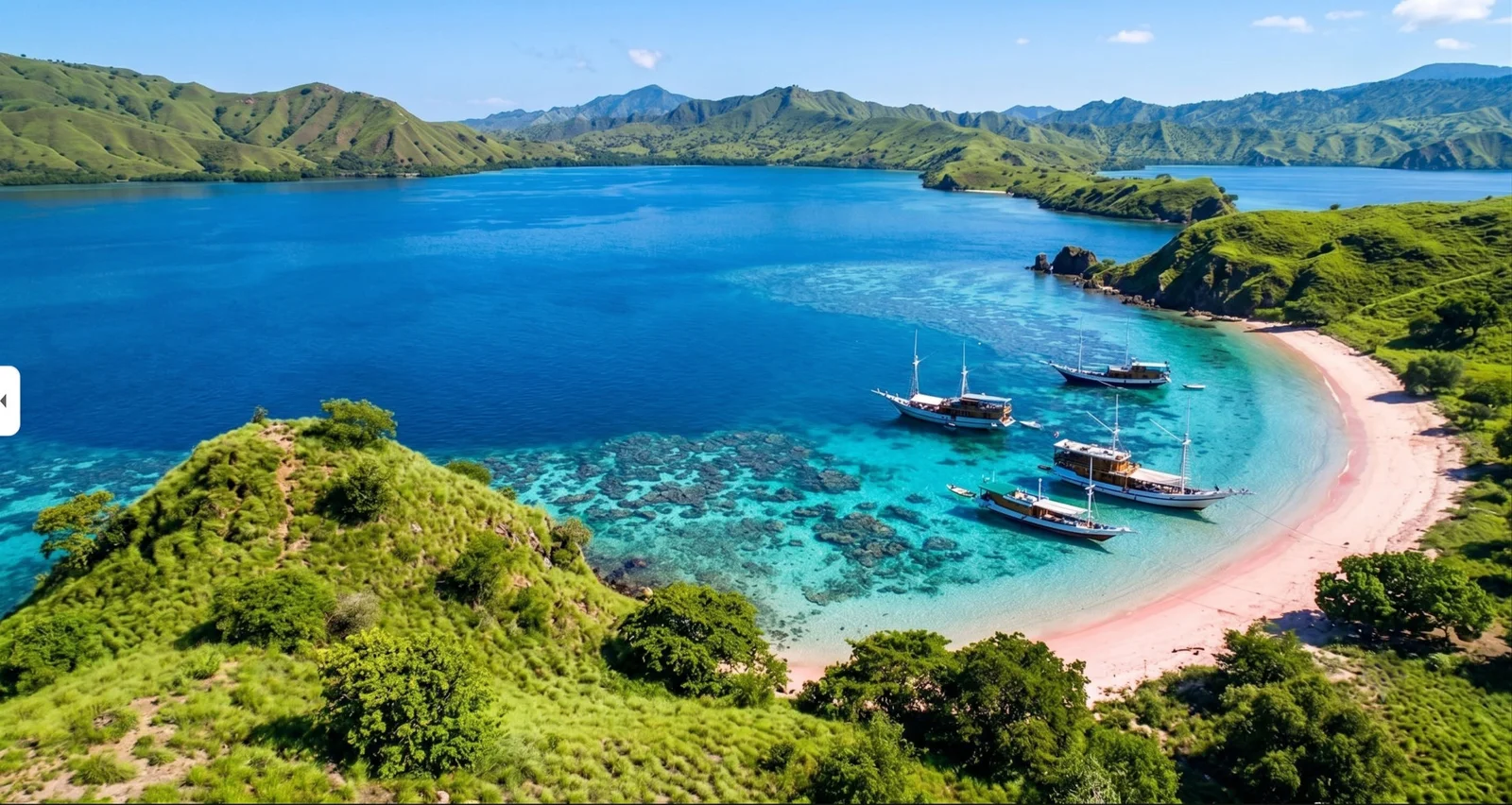
Komodo National Park
A UNESCO marine park off Flores — home to the Komodo dragons, pink-sand beaches, Padar's panoramic hills, world-class diving and manta rays.
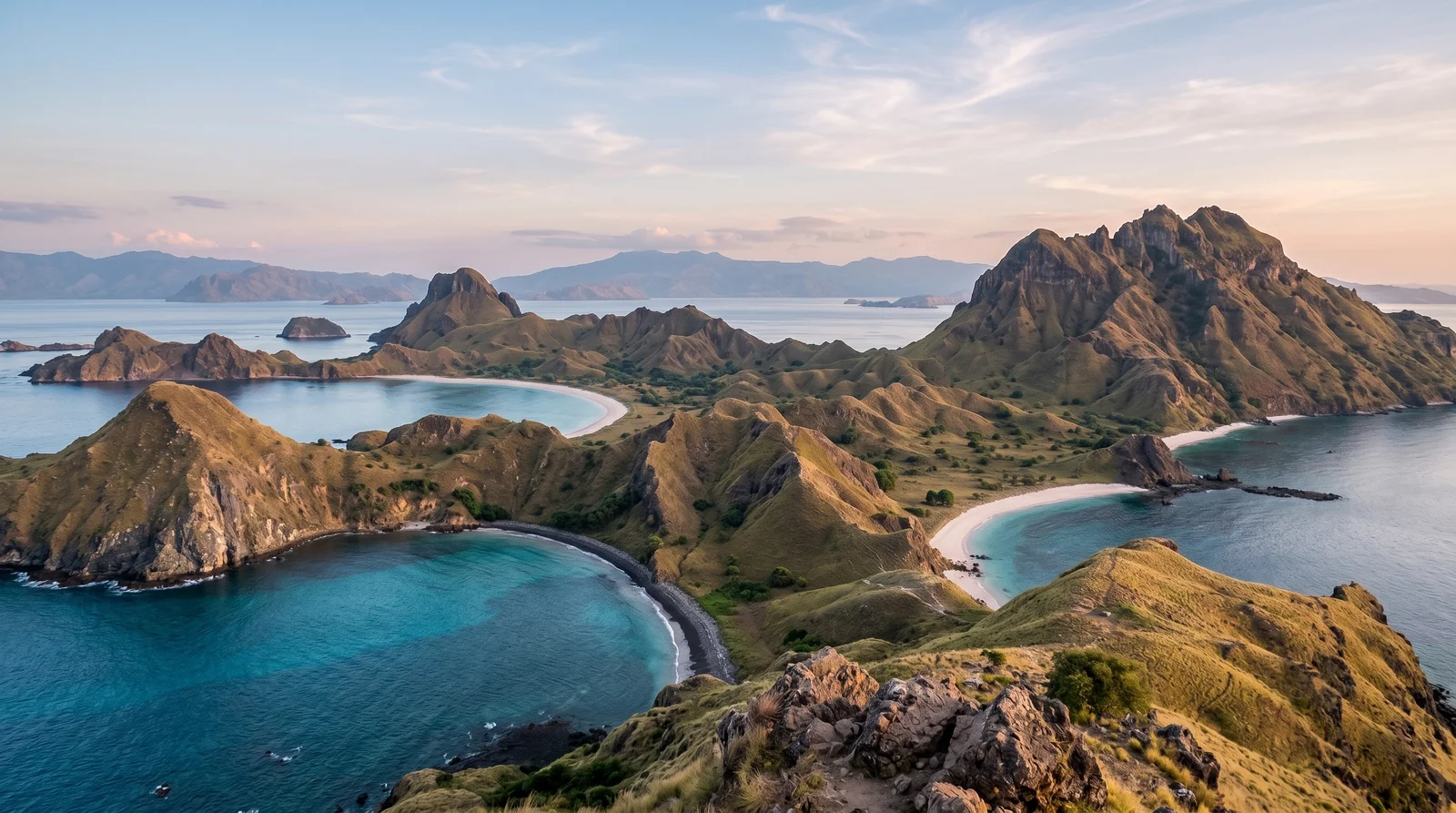
Komodo National Park
The only place on Earth where giant Komodo dragons roam free, with a famous pink-sand beach and world-class manta diving.
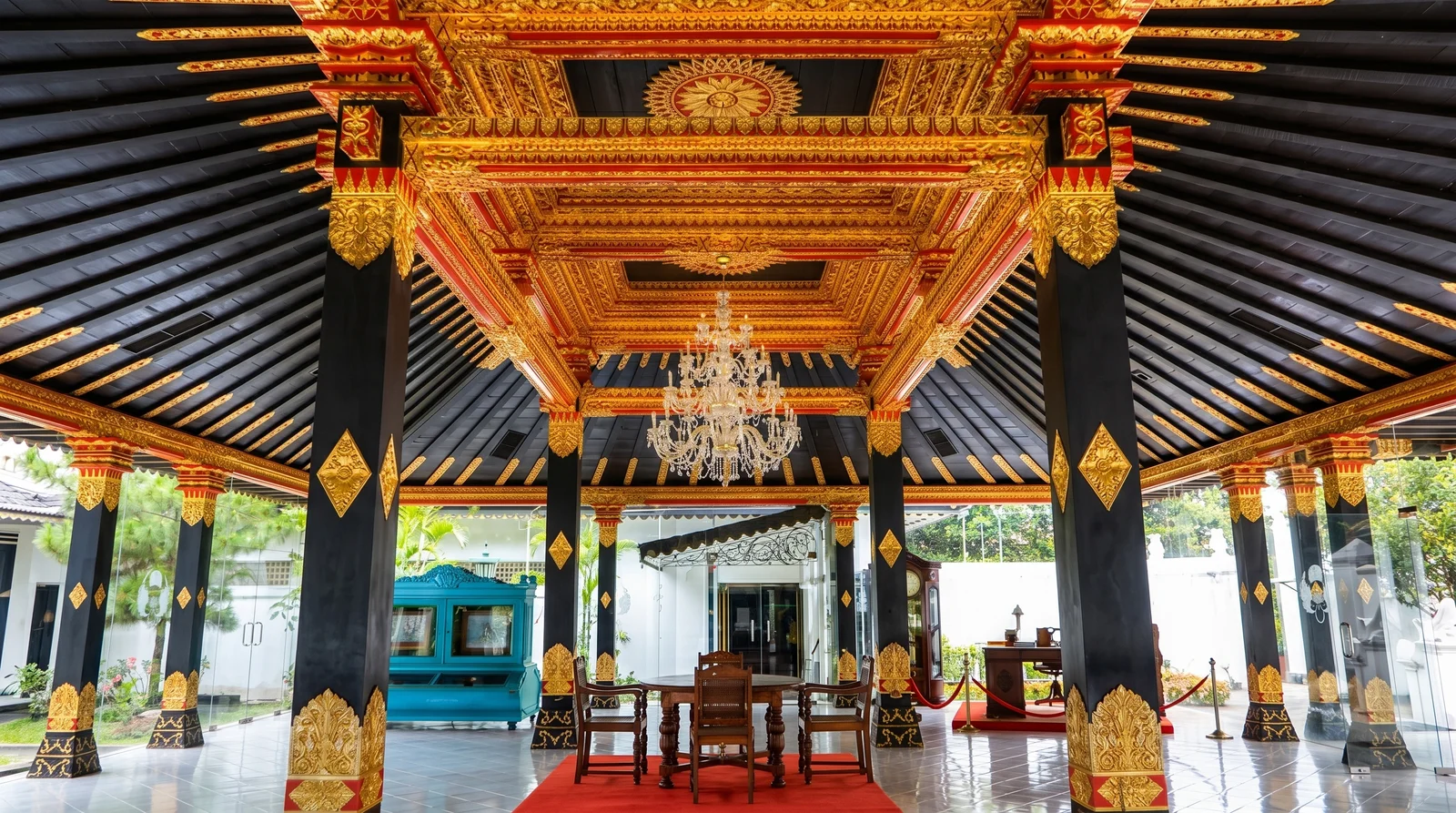
Kraton (Sultan's Palace)
The working palace of the Sultan of Yogyakarta (since 1755) and Java's cultural heart: pavilions, regalia, gamelan and court traditions.
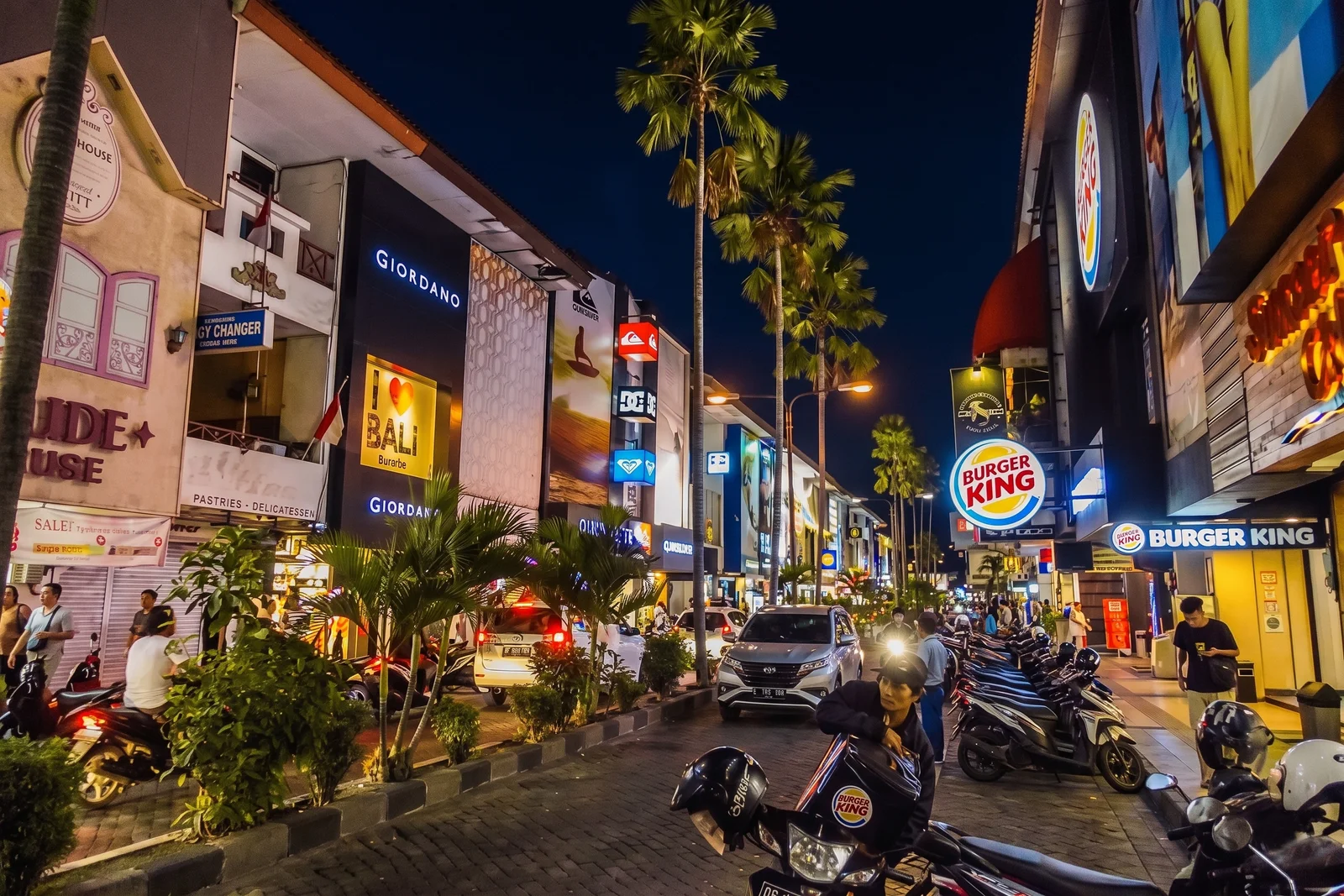
Kuta
The cradle of Bali tourism: a buzzing resort district in the south with beginner surf, shopping, the Waterbom park and legendary sunsets, 10 minutes from the airport.
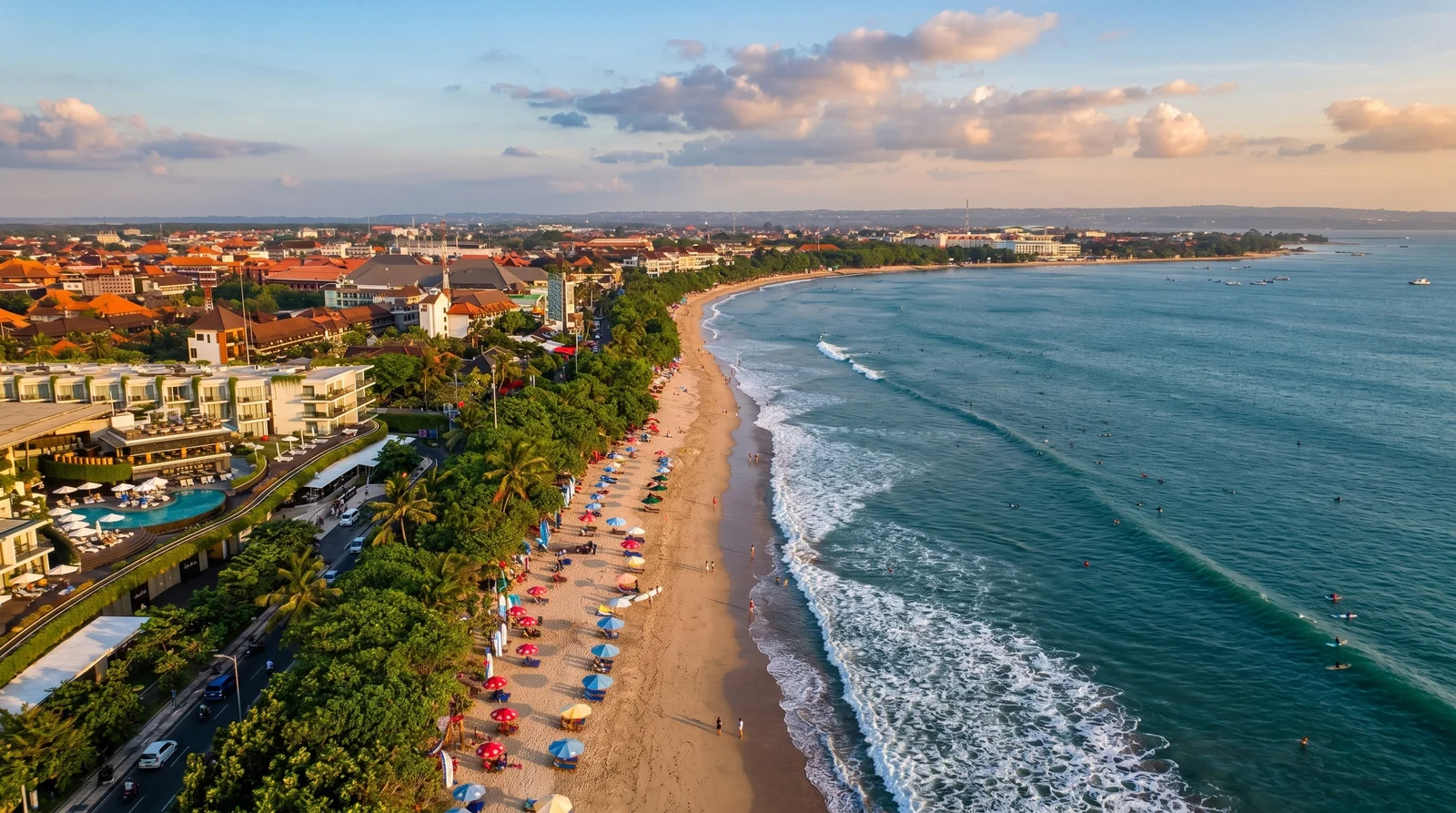
Kuta Beach
A wide 3 km beach in the heart of Kuta: soft sand-bottom waves for learning to surf and legendary sunsets over the ocean.
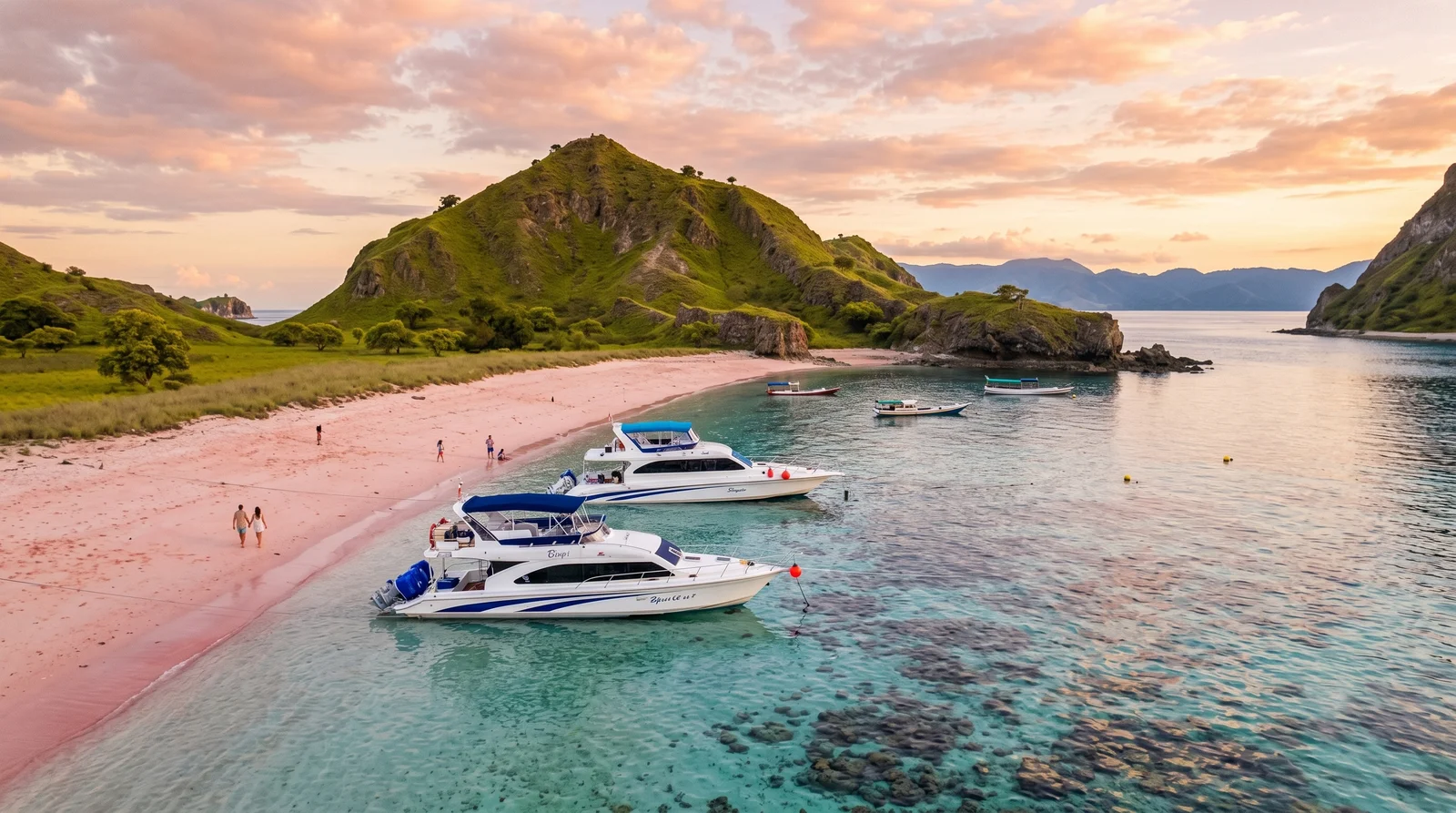
Labuan Bajo
The harbour town on western Flores — the main gateway to Komodo National Park, where every island boat tour departs.
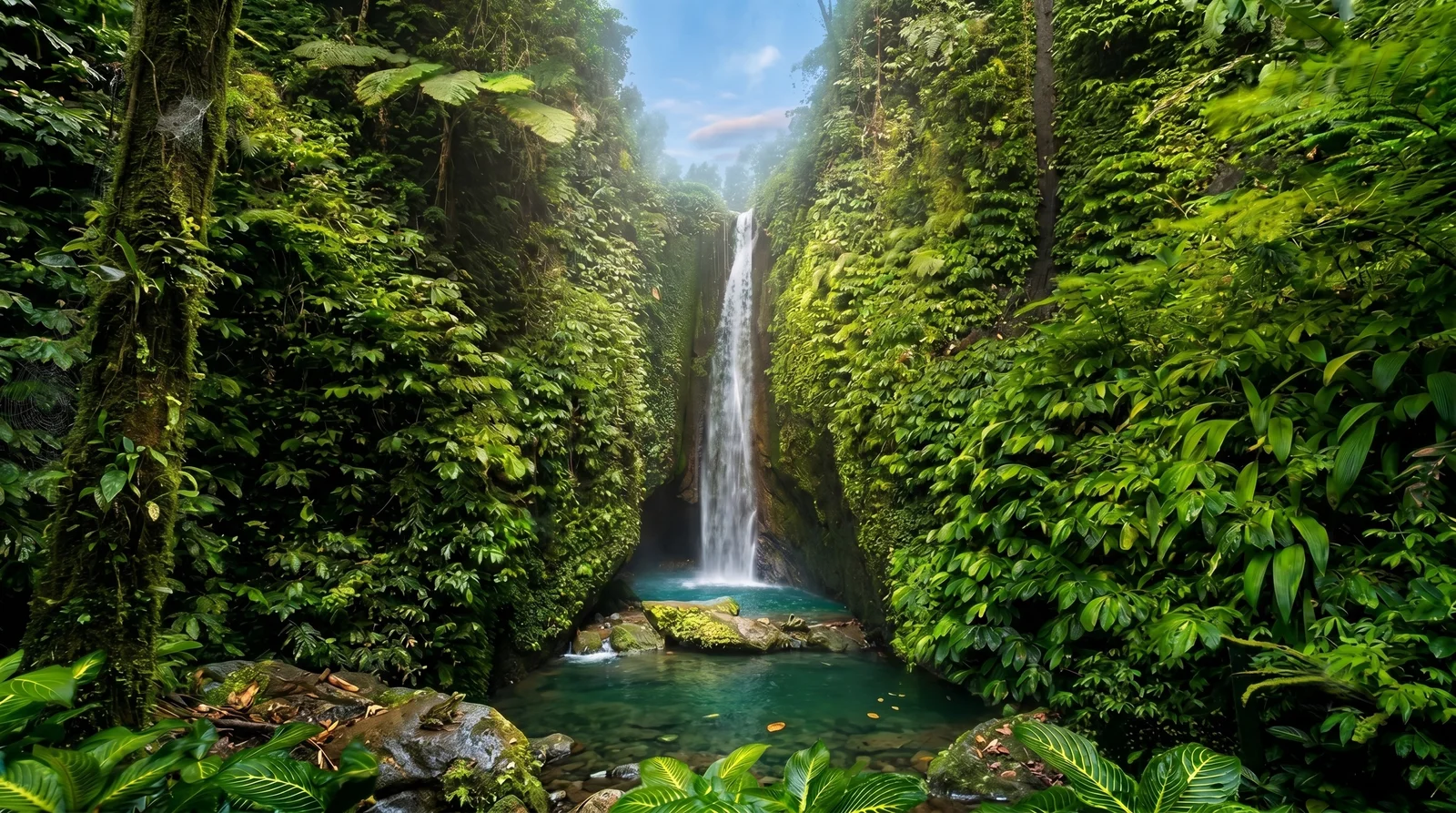
Leke Leke Waterfall
An elegant 32-meter waterfall in a narrow Tabanan grotto, reached by a short, scenic jungle trail.
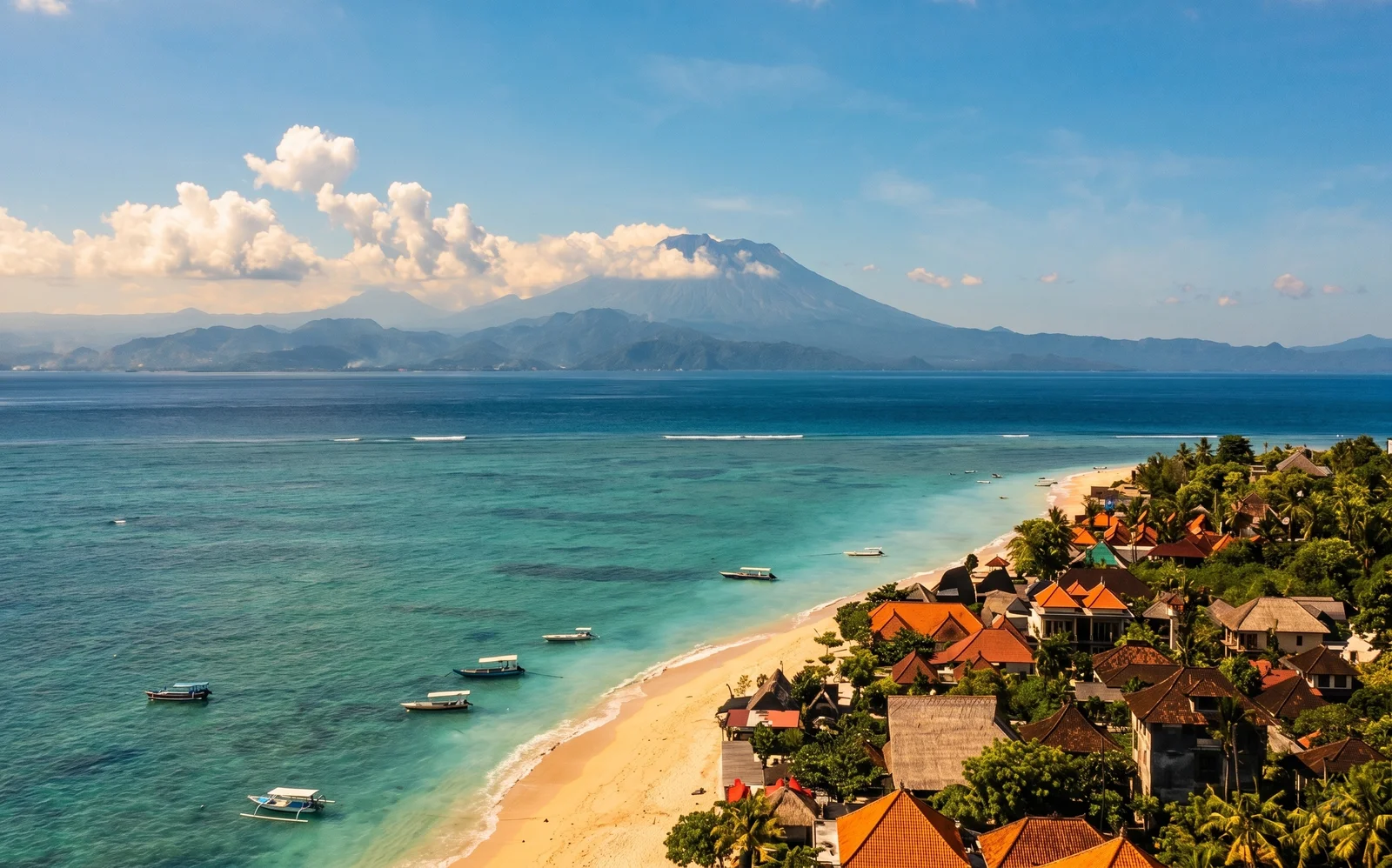
Lembongan Island
A laid-back island 30 minutes from Bali with beaches, surf, mangrove forests, and a yellow bridge to Ceningan.
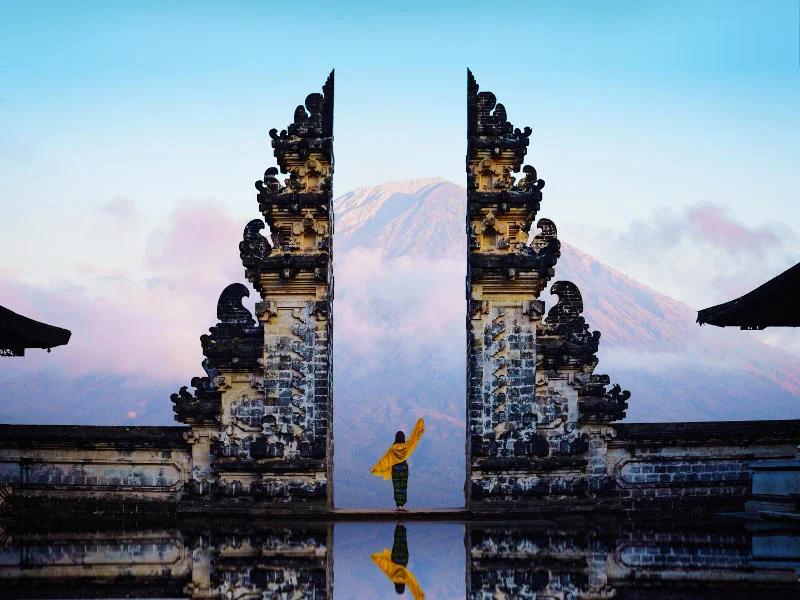
Lempuyang Temple
Complete guide to visiting Lempuyang Temple in East Bali. Ticket prices, how to avoid queues, and photo information.
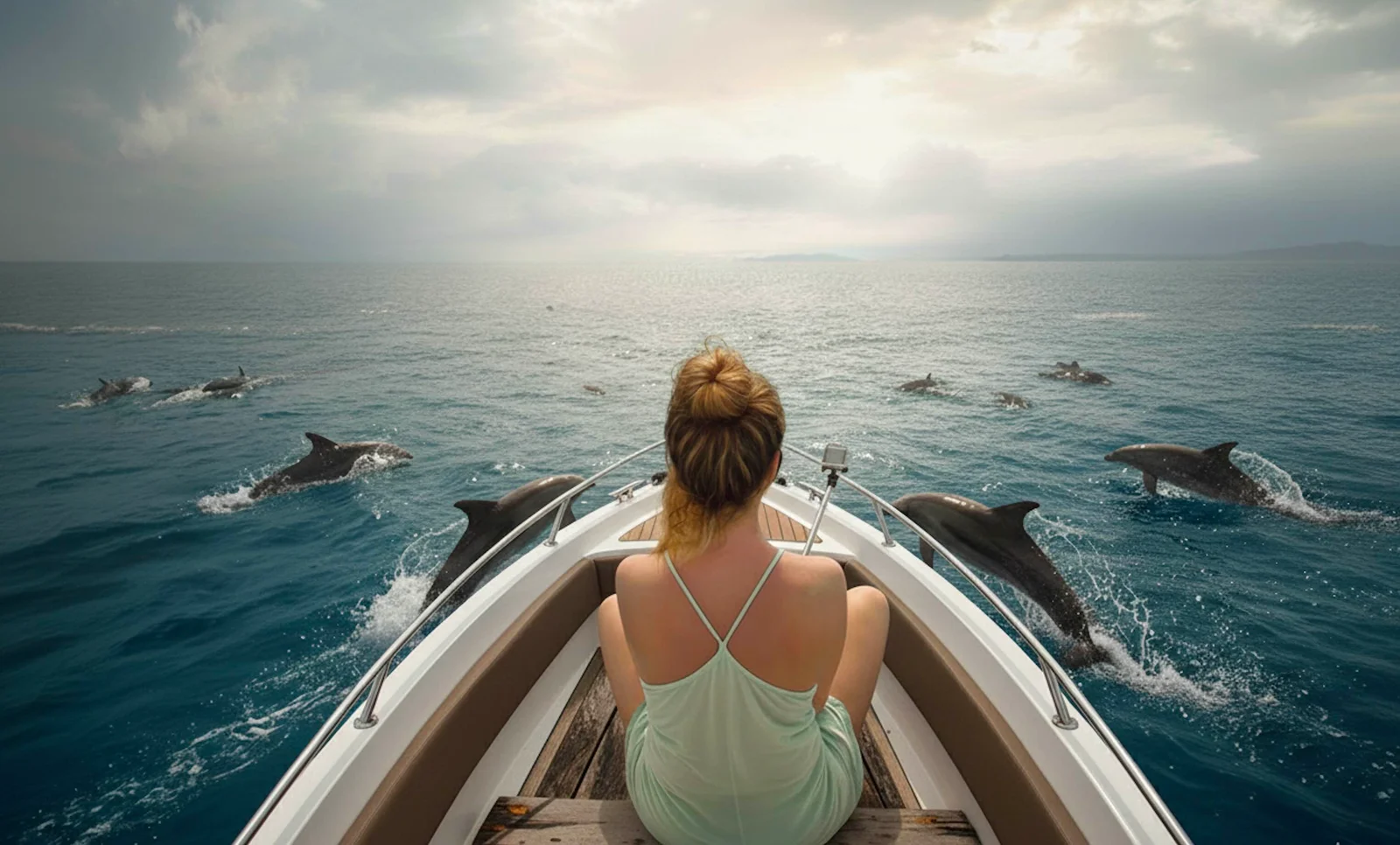
Lovina
A laid-back resort region on Bali's north coast with black volcanic beaches, famous for sunrise wild dolphin tours.
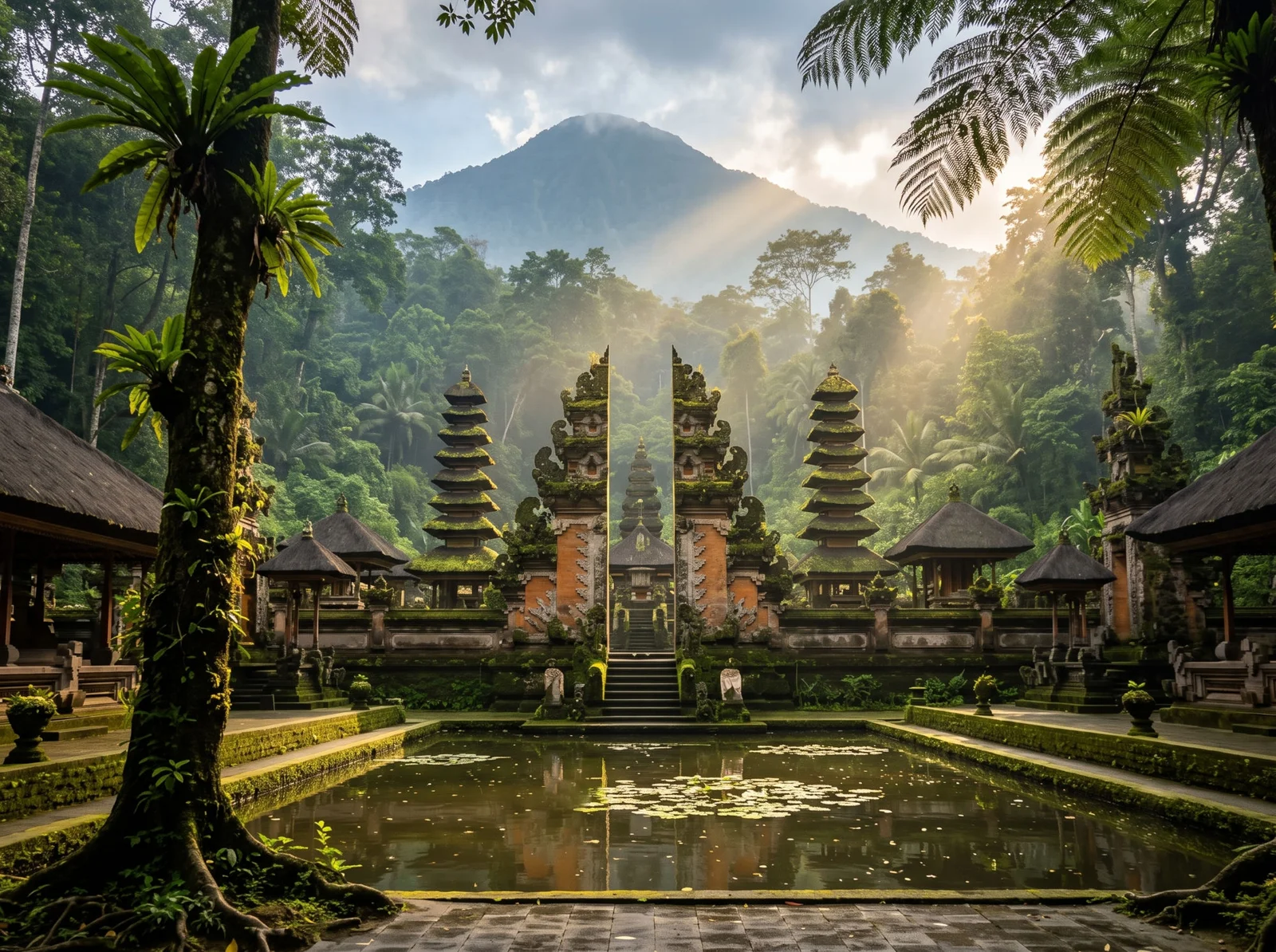
Luhur Batukaru Temple
One of Bali's nine key directional temples, nestled in peaceful seclusion on the slopes of Mount Batukaru surrounded by lush rainforests.
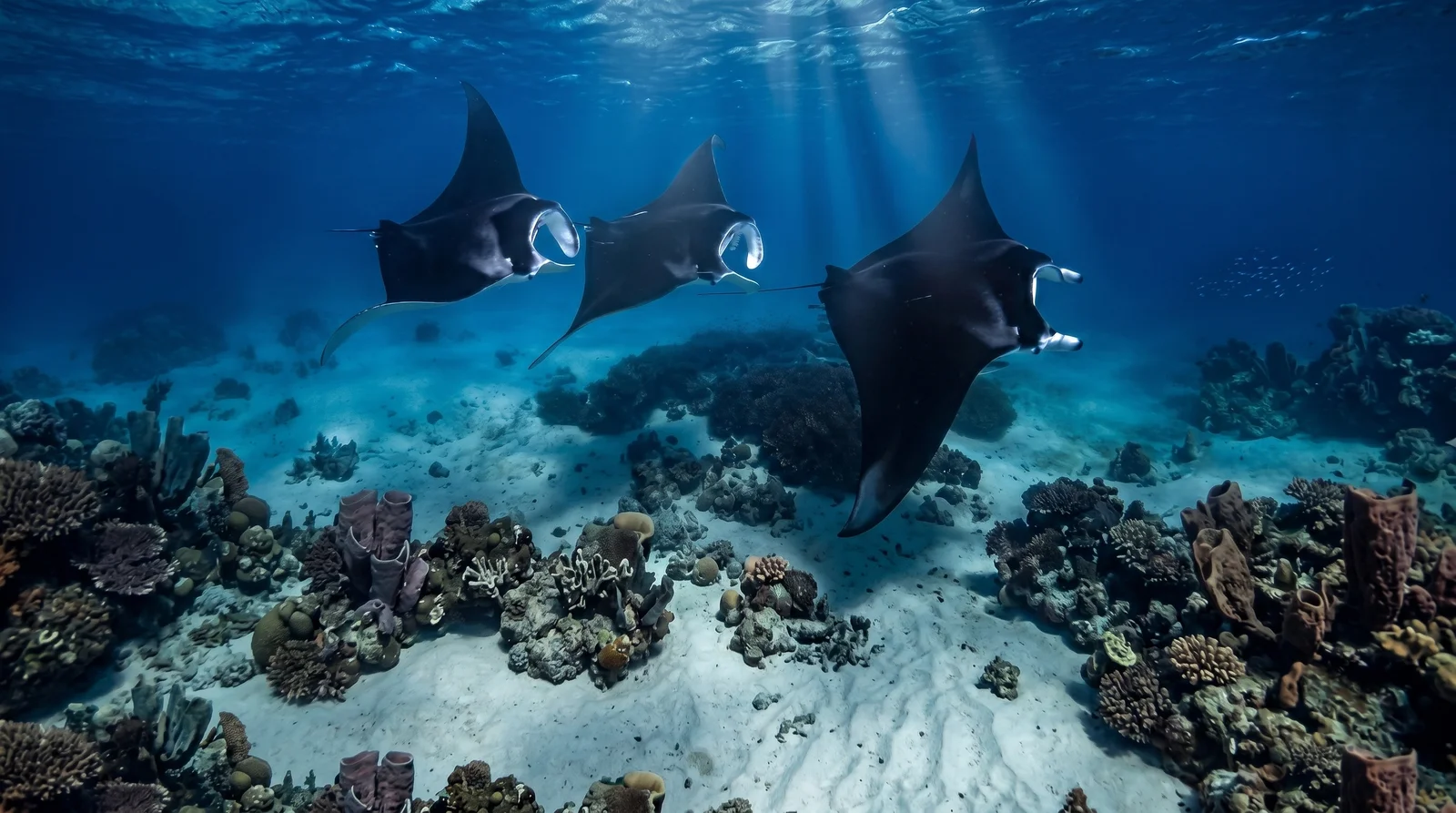
Manta Point
A marine site off south Nusa Penida — Bali's most reliable spot to encounter giant manta rays by snorkeling or diving.
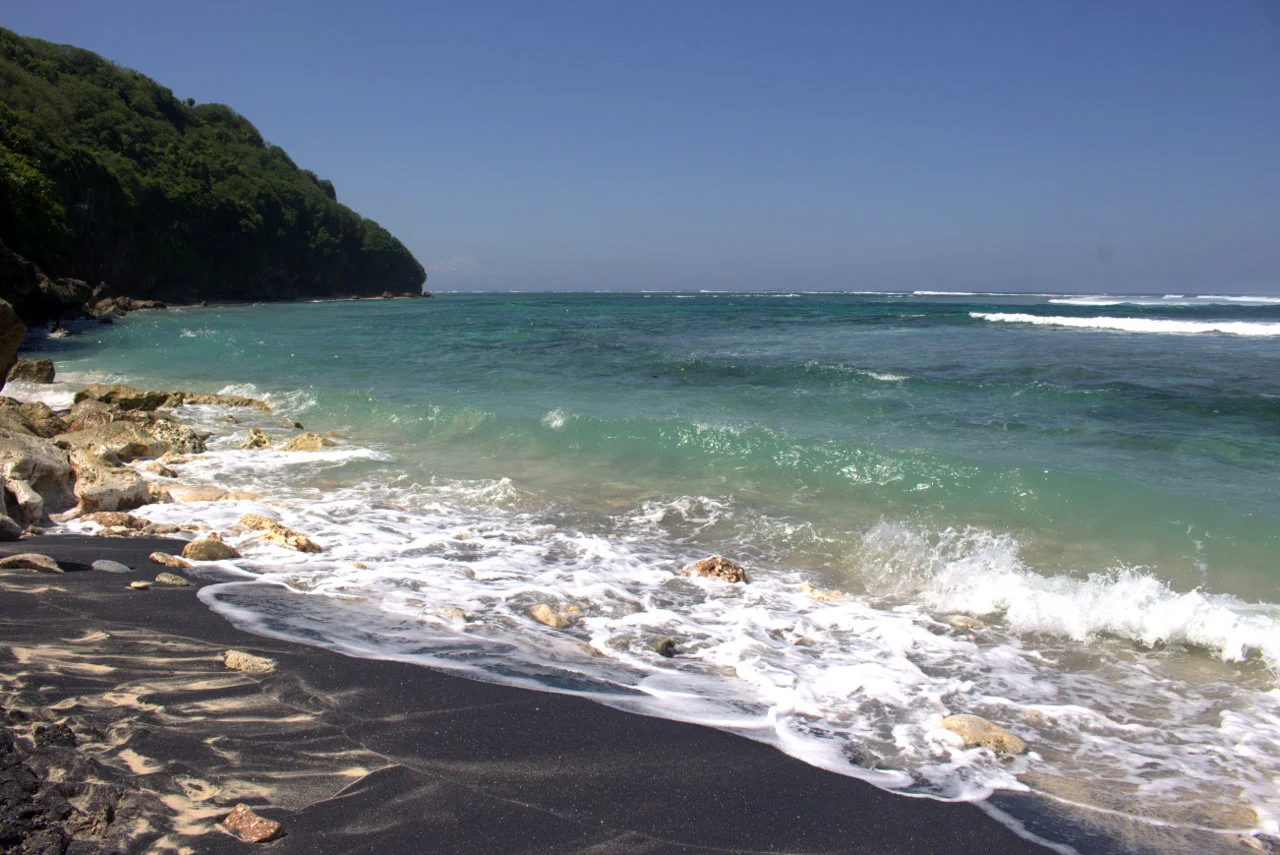
Melasti Beach
Discover Melasti Beach. Fine white sand, turquoise water, spectacular cliff roads, and modern beach clubs.
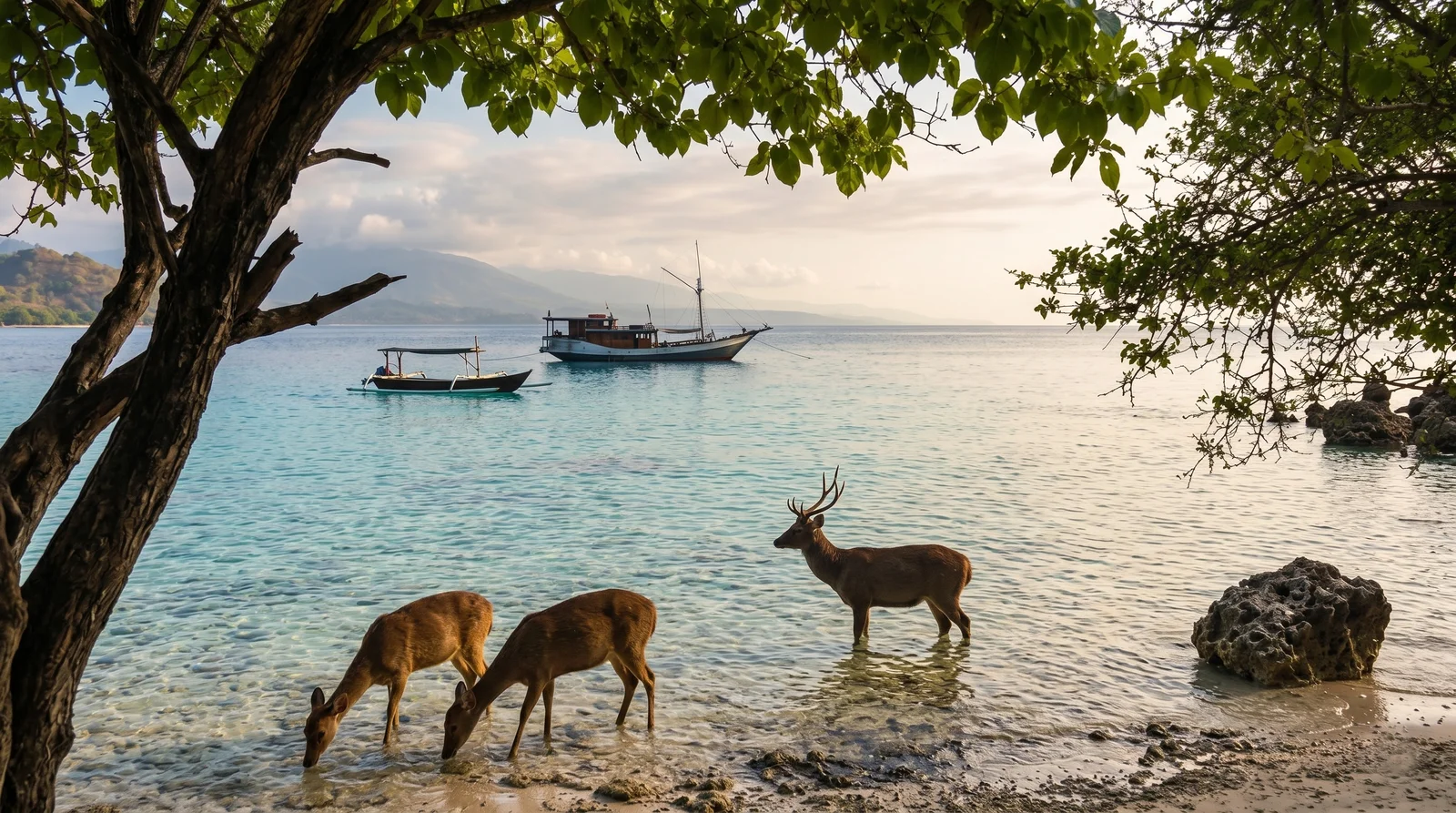
Menjangan Island
An uninhabited island in West Bali National Park: the island's best diving and snorkeling — calm, clear water and dramatic reef walls.
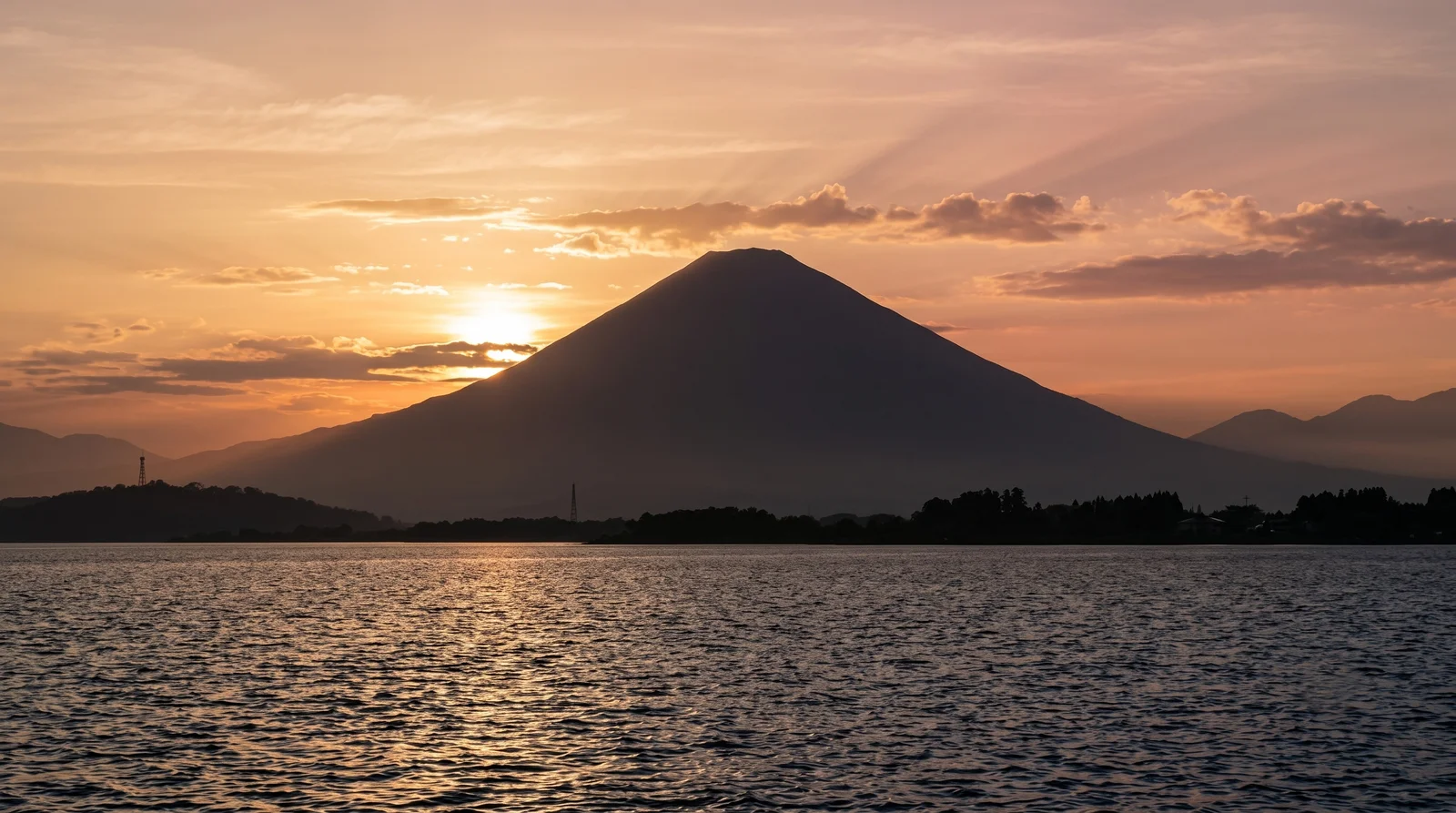
Mount Agung
The sacred volcano Mount Agung (3,031 m) is Bali's highest peak and spiritual heart, and the goal of a demanding sunrise trek.
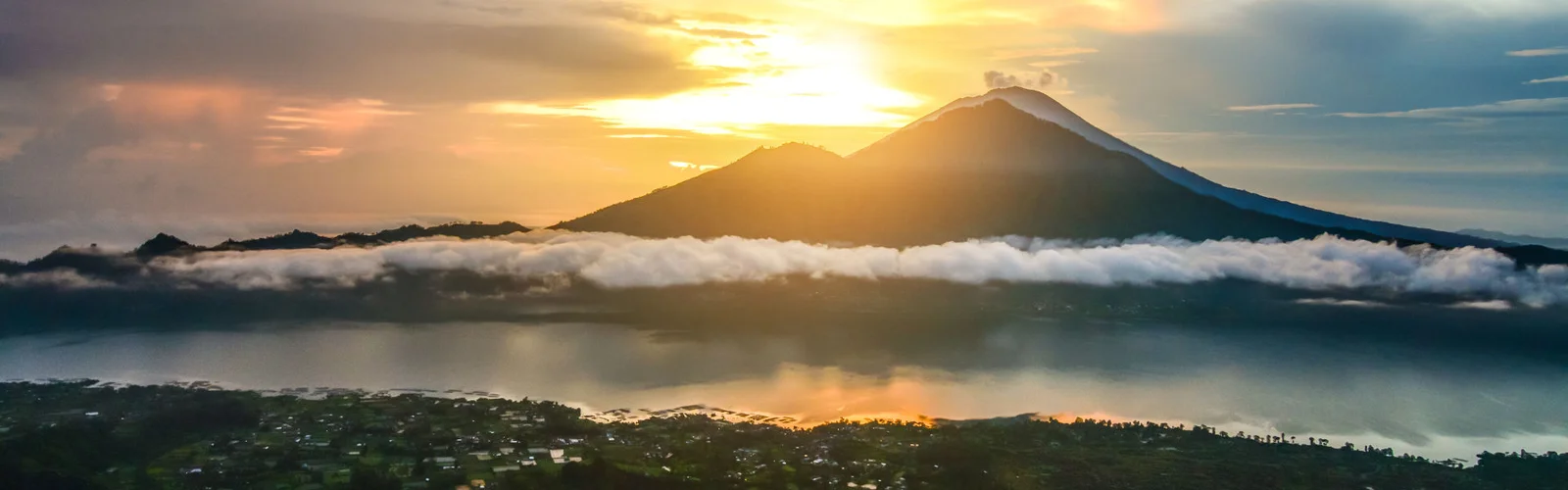
Mount Batur
An active 1,717 m volcano in Kintamani — Bali's most popular peak for a sunrise hike above a sea of clouds.
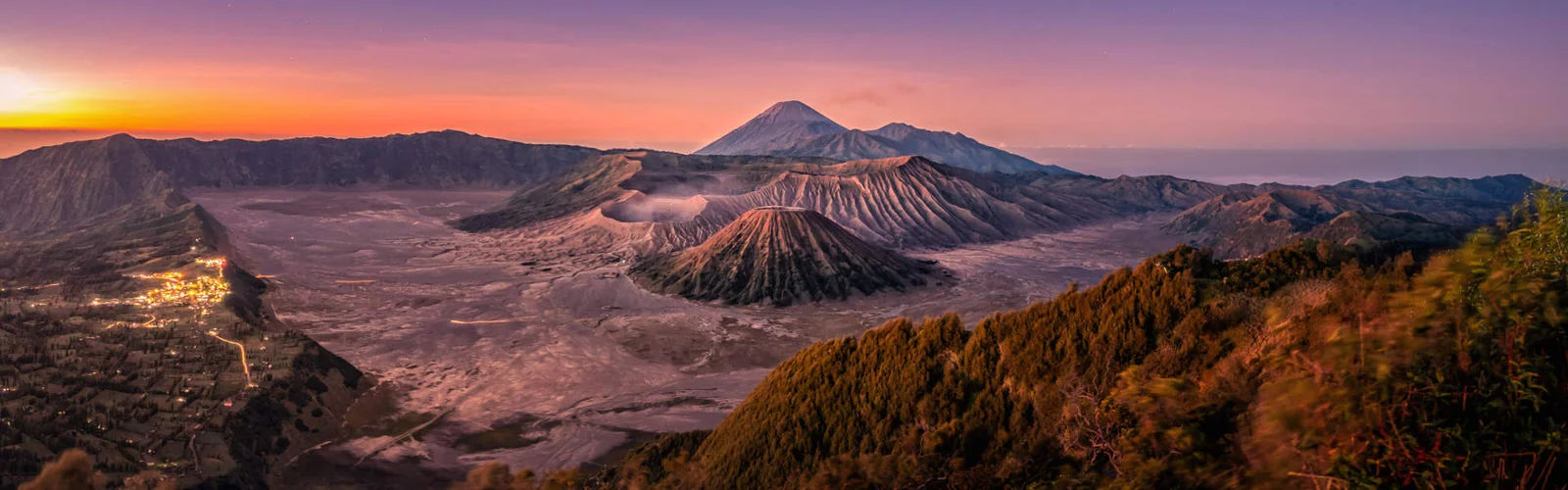
Mount Bromo
An active volcano in East Java with sunrise over a "sea of sand" and a climb to its smoking crater.
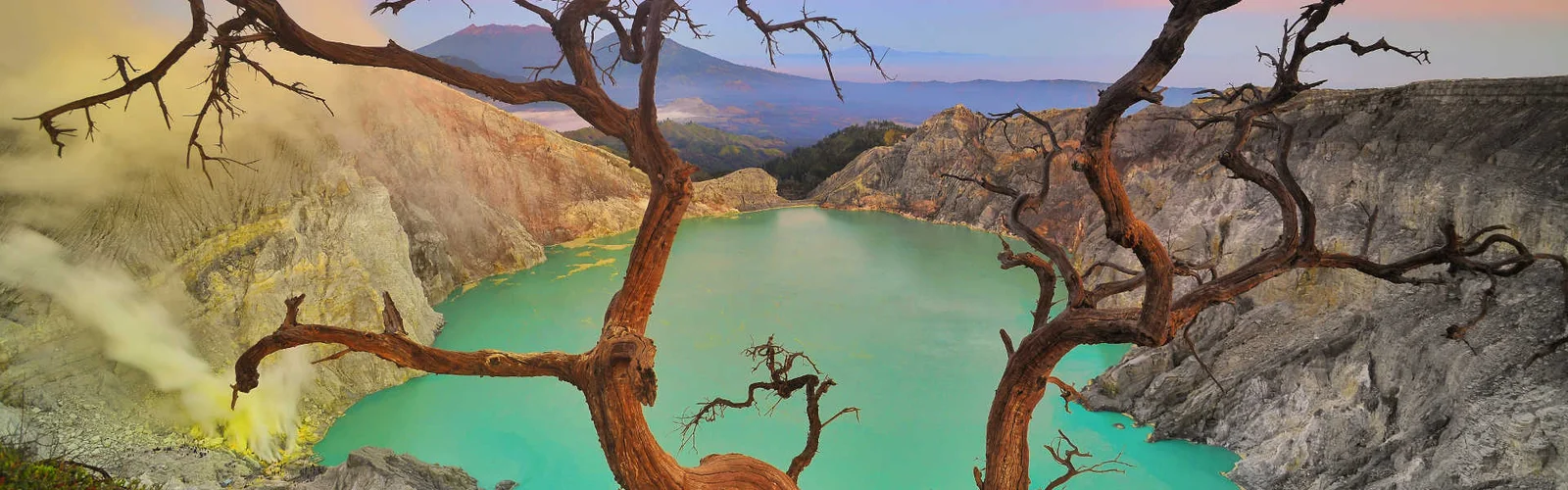
Mount Ijen
An active volcanic complex in East Java with a night trek, blue fire, a turquoise acid crater lake and working sulfur miners.
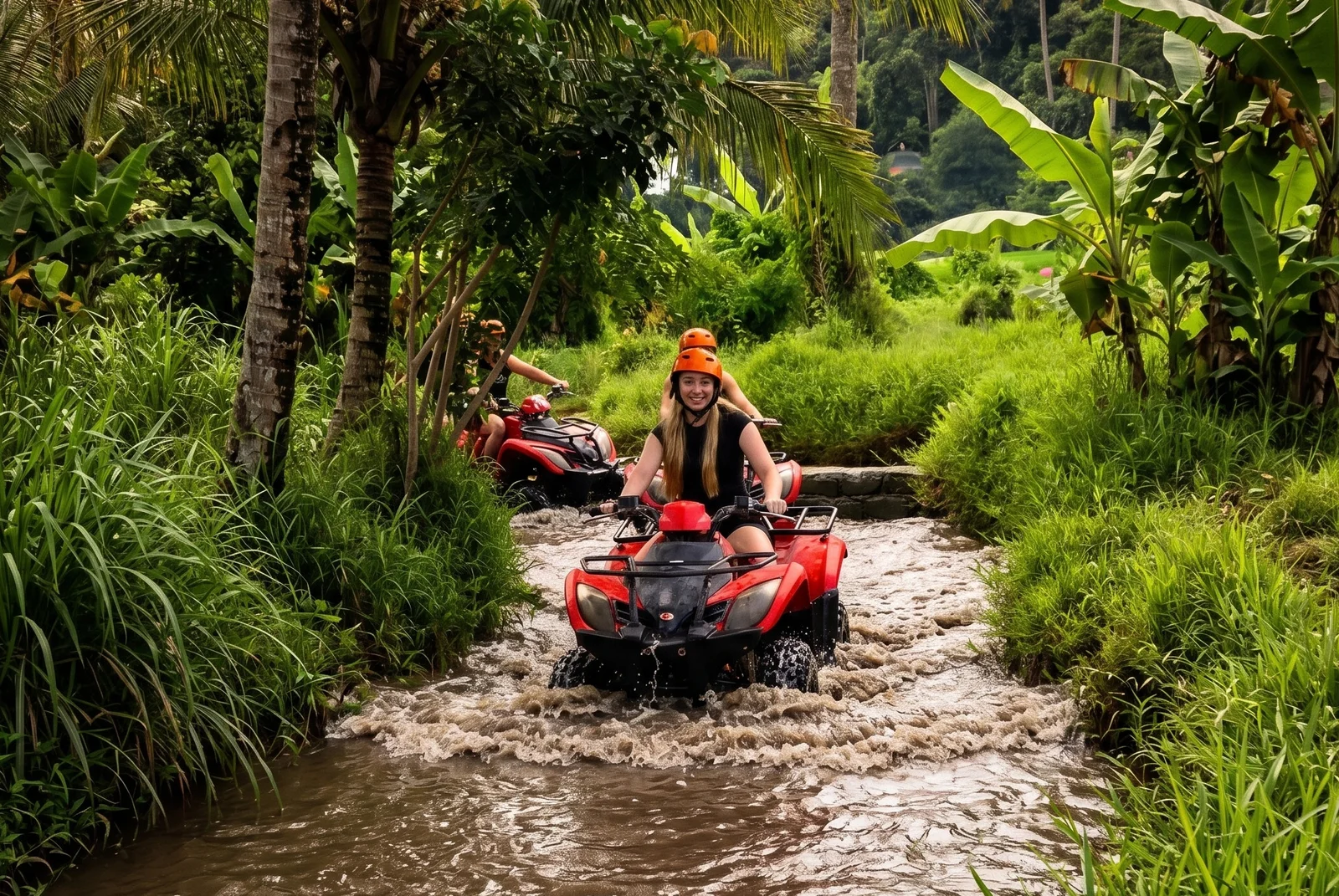
Munduk
A misty mountain village in northern Bali ringed by coffee and clove plantations, jungle waterfalls and the crater Twin Lakes of Buyan and Tamblingan.
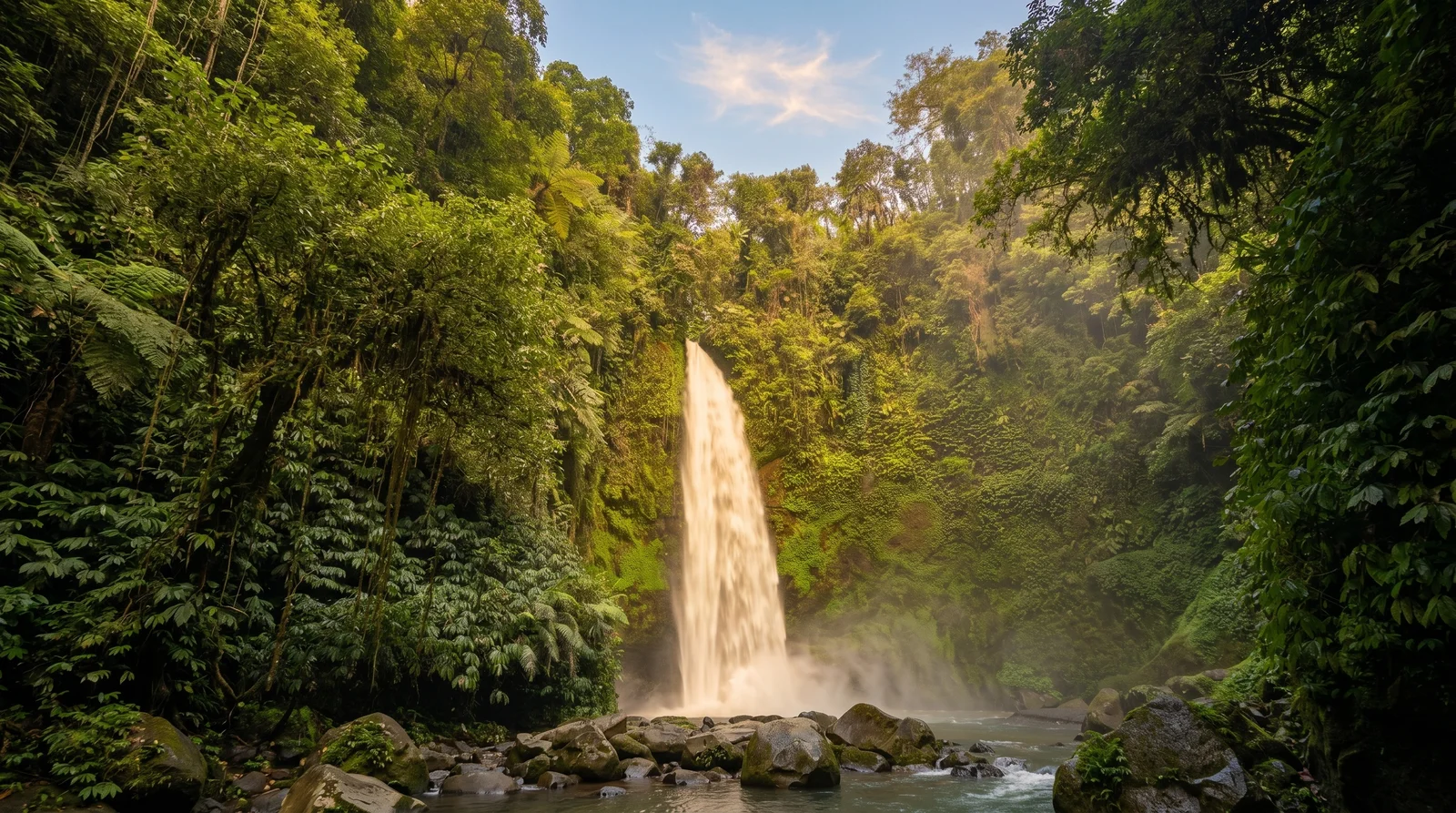
Nungnung Waterfall
A powerful 50-meter waterfall in the Badung highlands, reached by a steep staircase of 500+ steps.
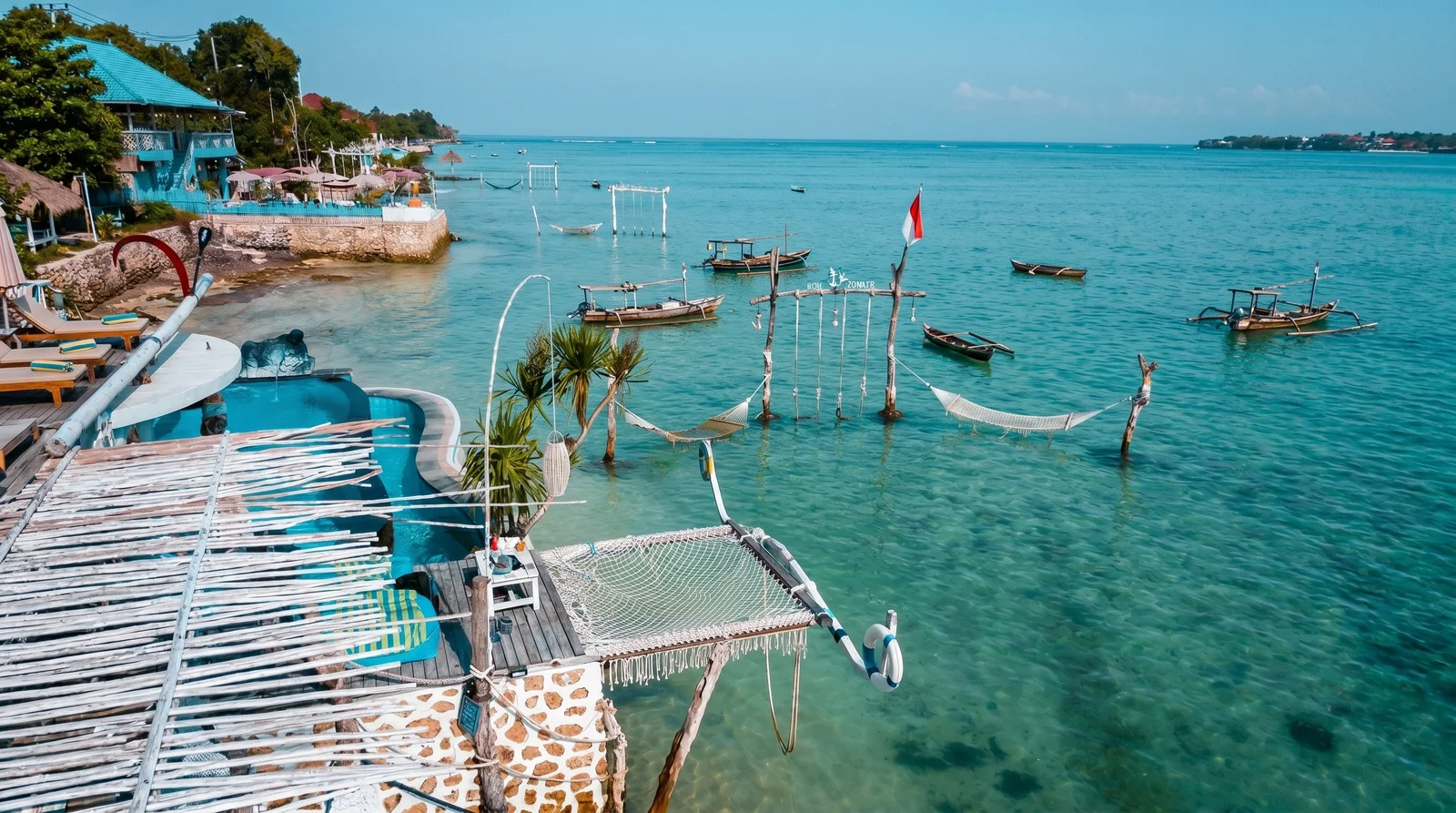
Nusa Ceningan
A small island between Lembongan and Penida linked by the Yellow Bridge: the cliff Blue Lagoon, cliff jumping, the mangrove channel and quiet coves.
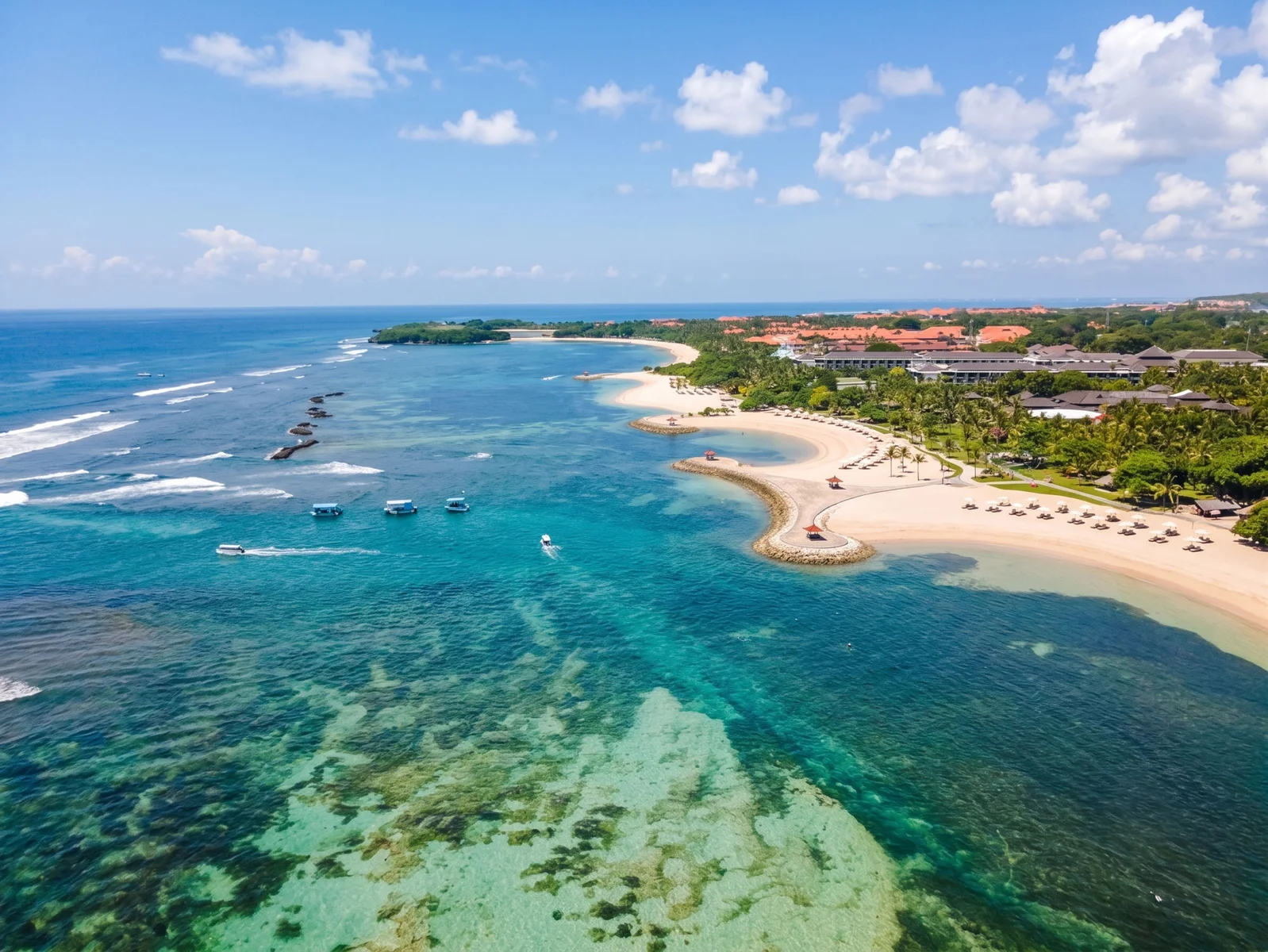
Nusa Dua
A manicured resort enclave in south Bali — white-sand beaches, calm reef-protected water, a coastal boardwalk and family-friendly comfort.
Nusa Penida Island
The largest of the three Nusa islands off Bali's southeast coast: sheer cliffs, turquoise bays and snorkeling with manta rays.
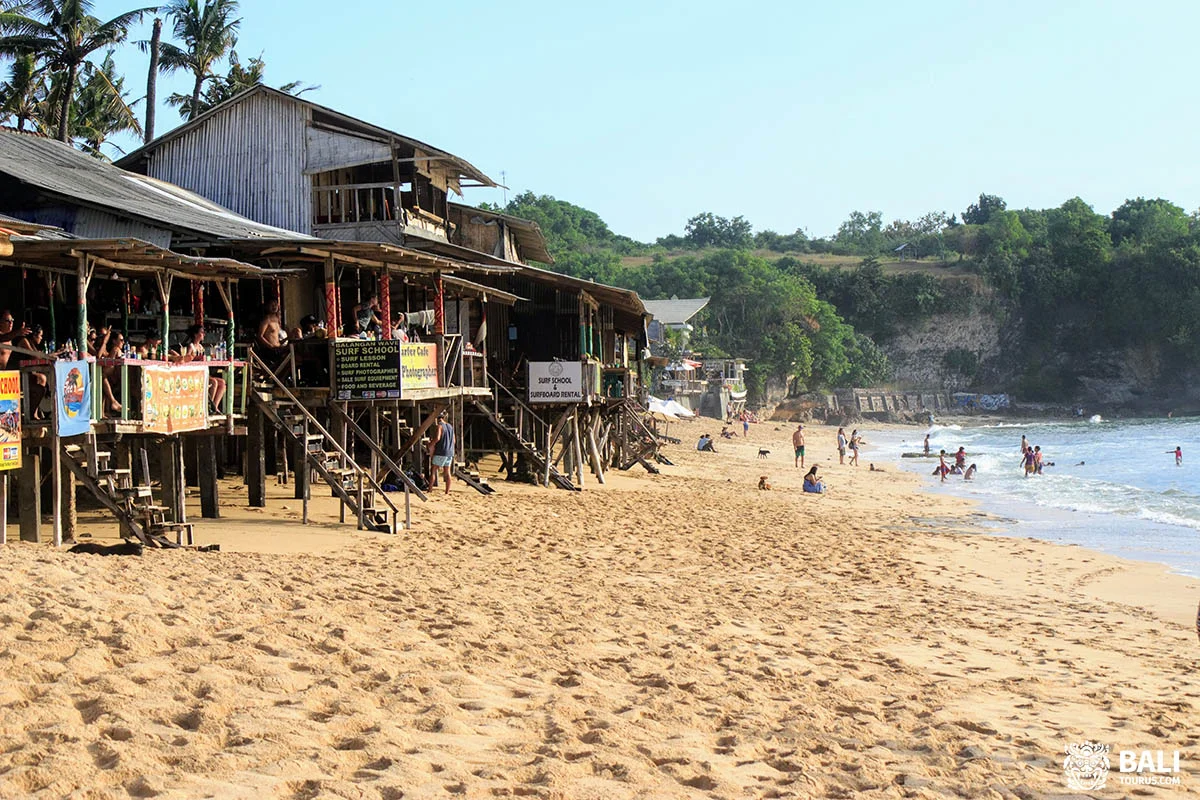
Padang Padang Beach
A small golden-sand cove on the Bukit reached through a rock crevice — a surf icon and the beach from 'Eat Pray Love'.
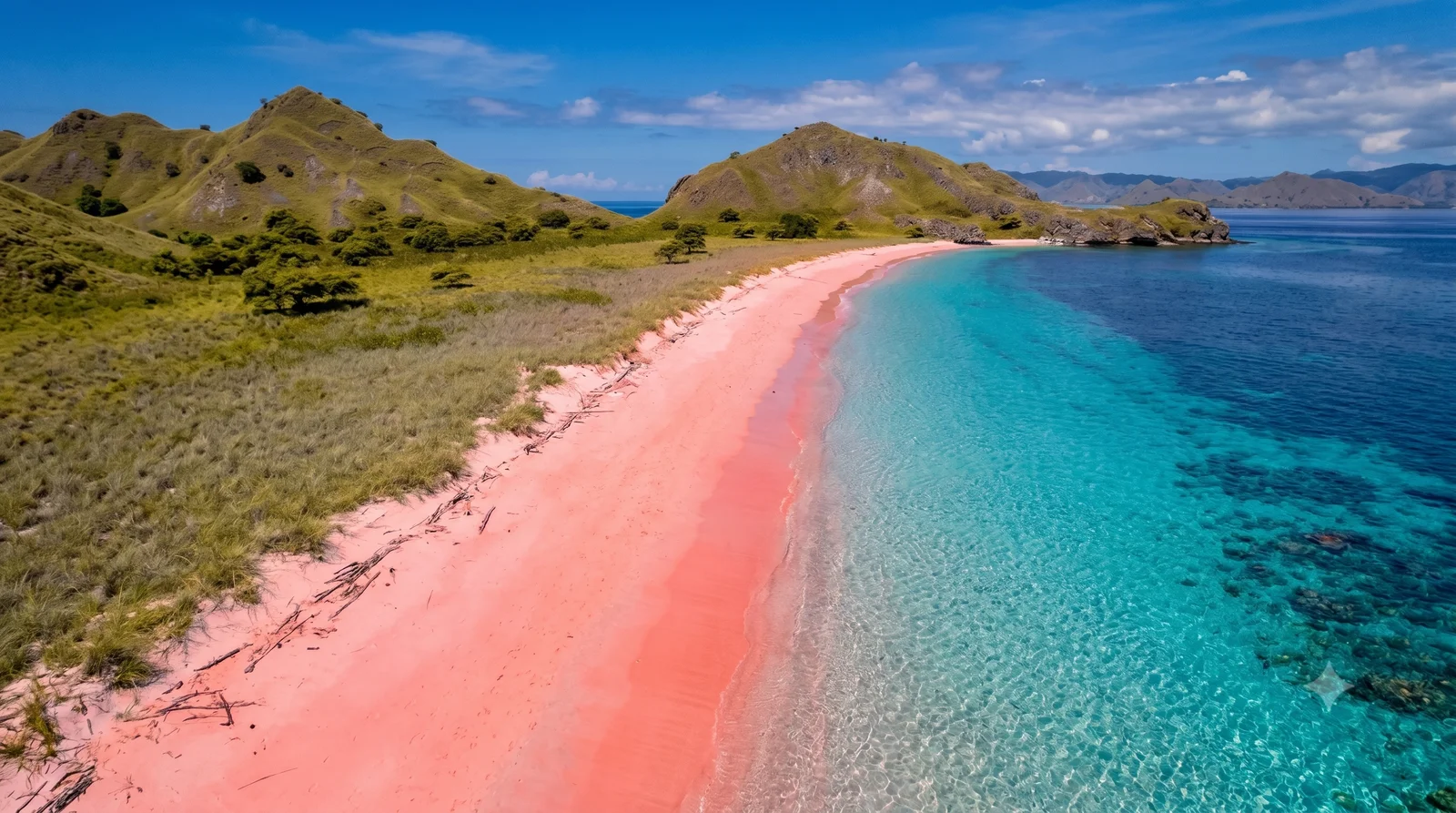
Padar Island
The third-largest island in Komodo National Park, famous for the viewpoint over three bays with black, white, and pink sand.
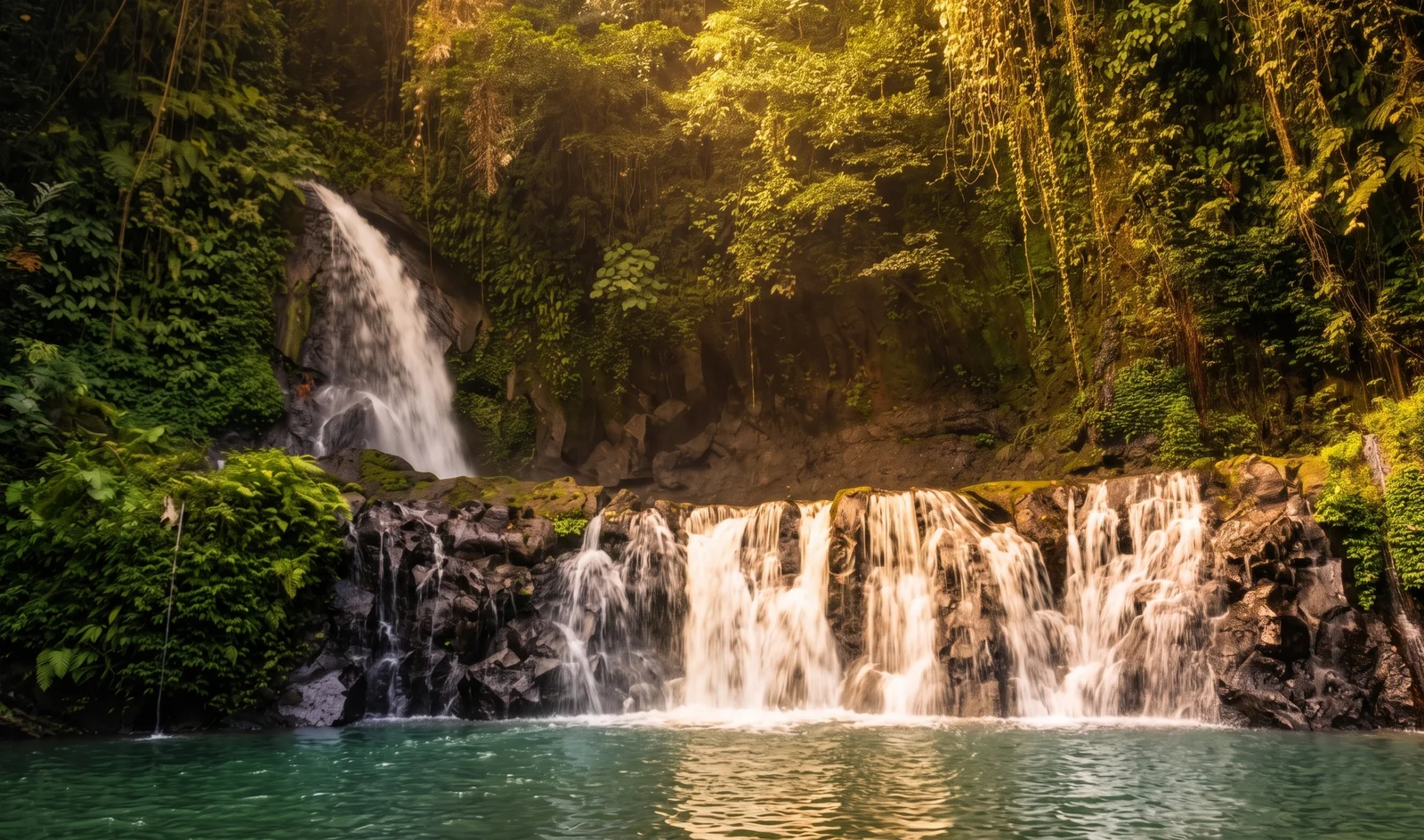
Pengibul Waterfall
A multi-tiered cascade with natural pools next to Tibumana in Bangli — a quiet spot away from the crowds.
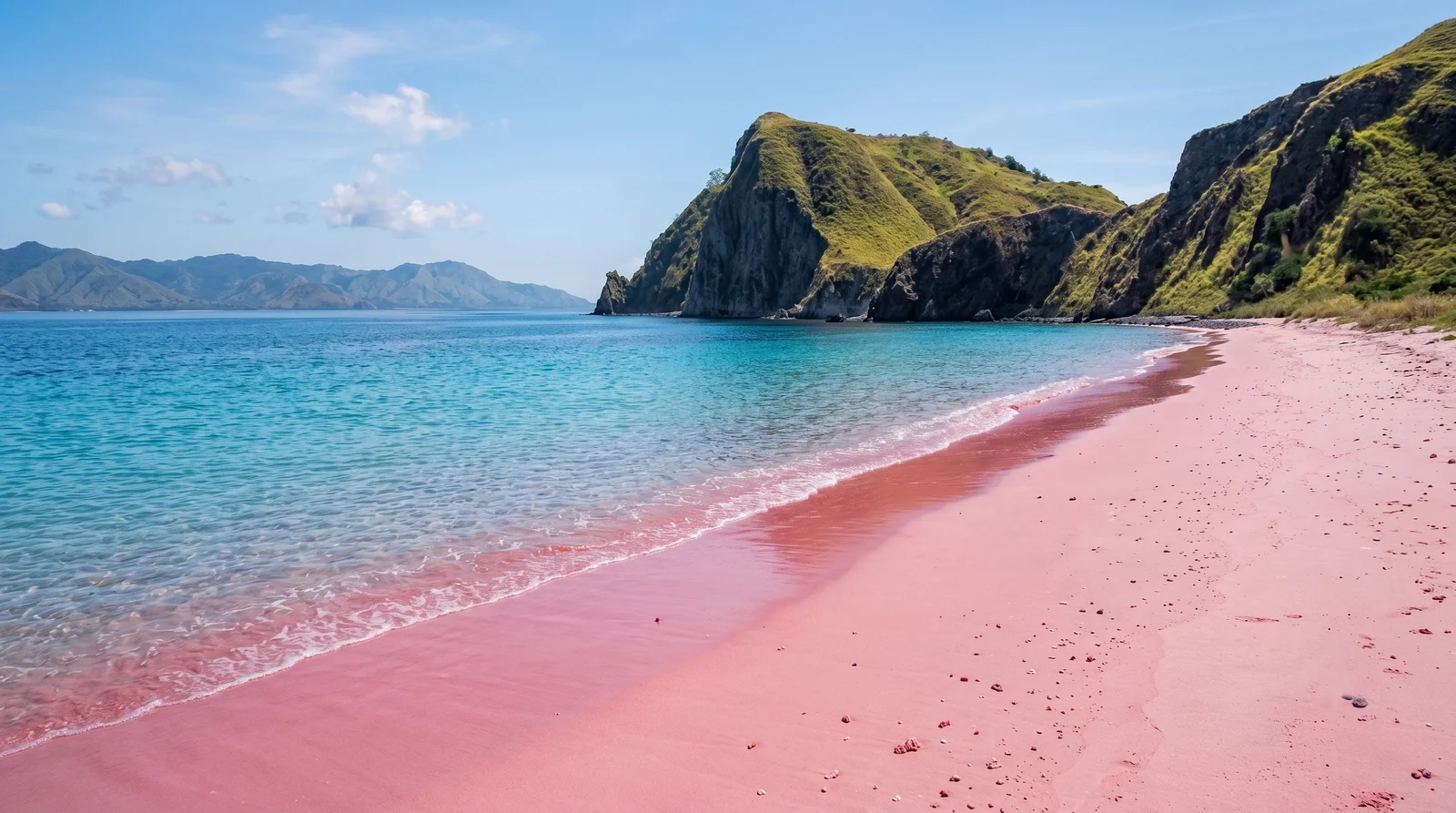
Pink Beach (Pantai Merah)
One of the few pink-sand beaches in the world, where red coral fragments tint the sand and the reef begins right off the shore.
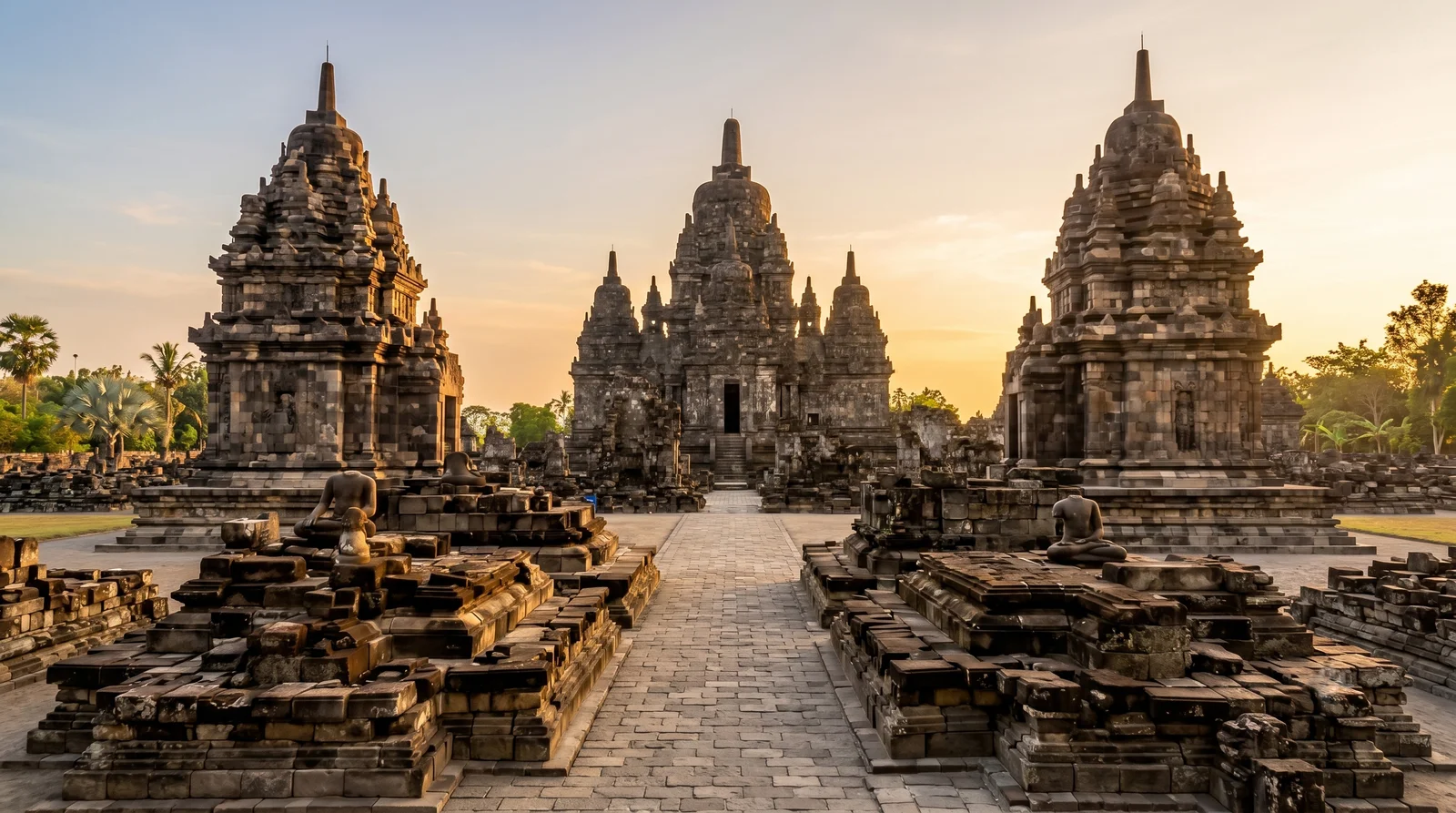
Prambanan Temple
Indonesia's largest Hindu temple complex (9th century) near Yogyakarta on Java: the candi towers of Brahma, Vishnu and Shiva, a UNESCO site.
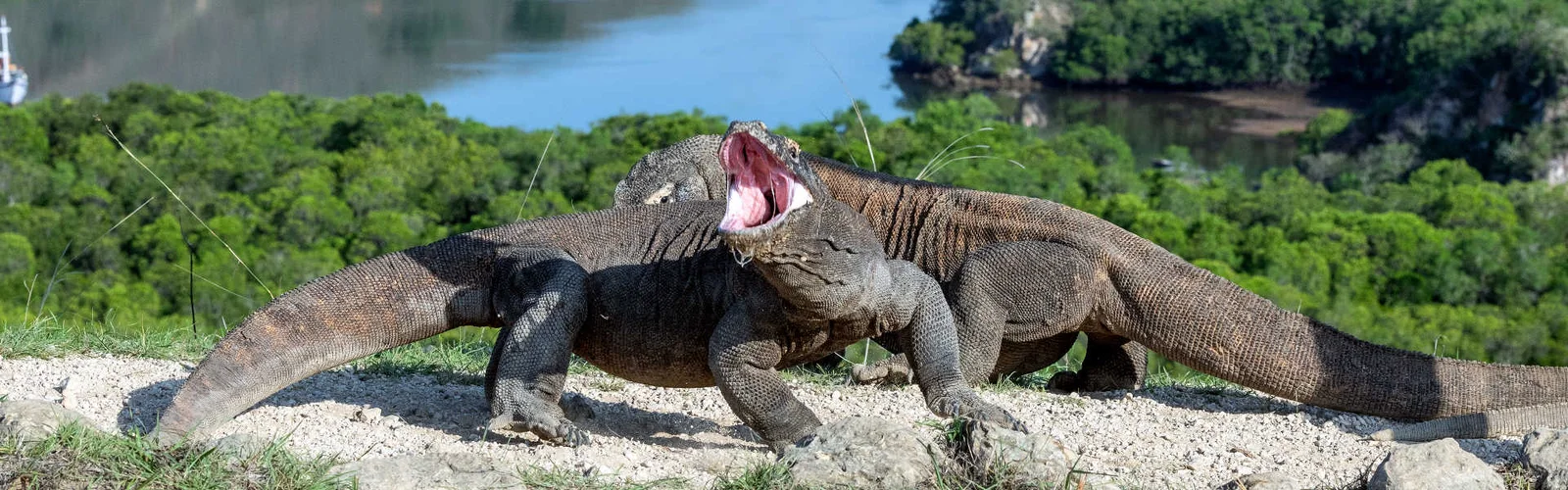
Rinca Island
The second main dragon island in Komodo National Park: a dense population of Komodo dragons and short savannah treks from the Loh Buaya ranger station.
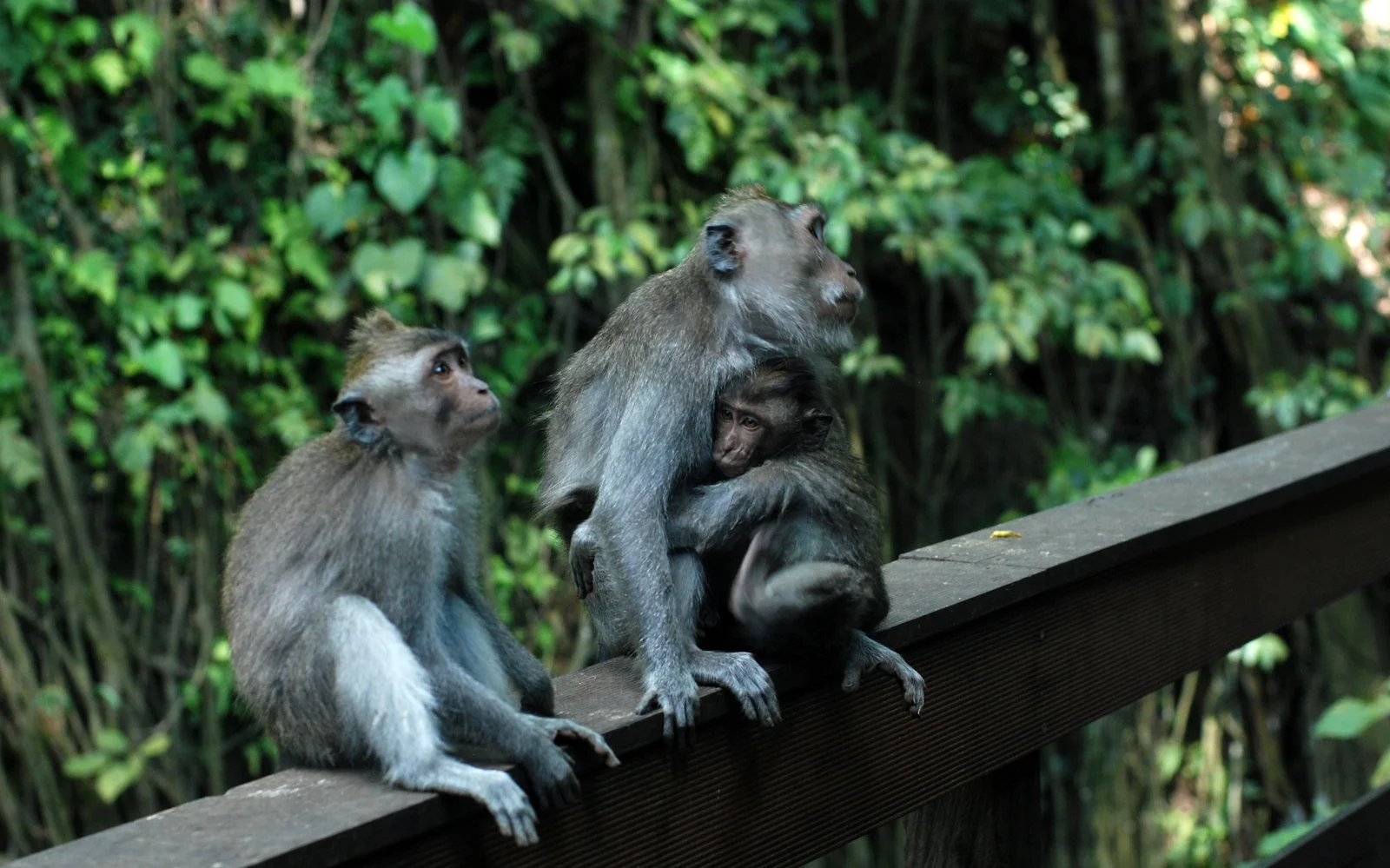
Sacred Monkey Forest Ubud
A nature reserve in the heart of Ubud with three ancient temples and more than a thousand wild long-tailed macaques.
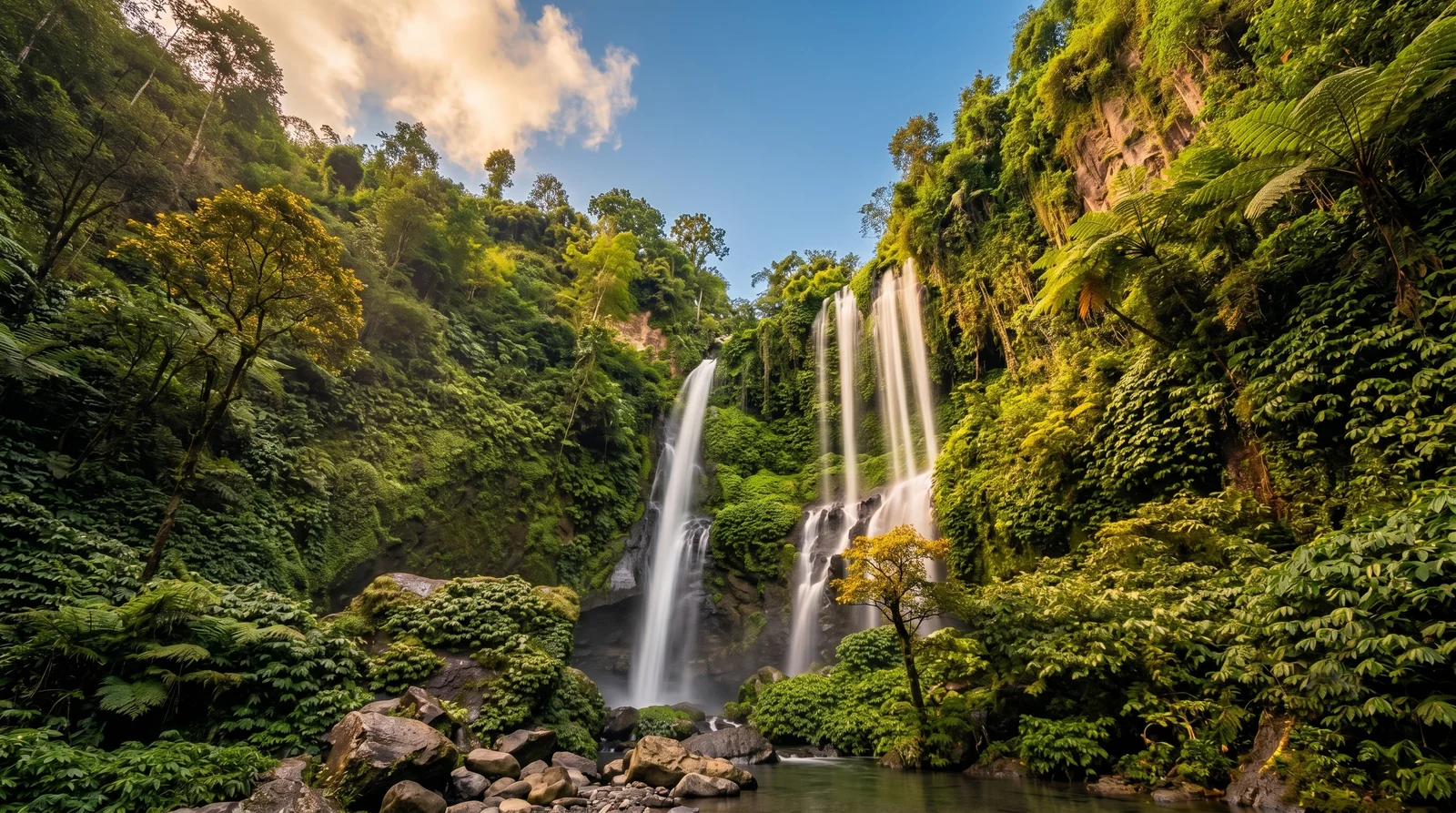
Sekumpul Waterfall
A cluster of tall cascades in the jungle of north Bali, often called the most beautiful waterfall on the island.
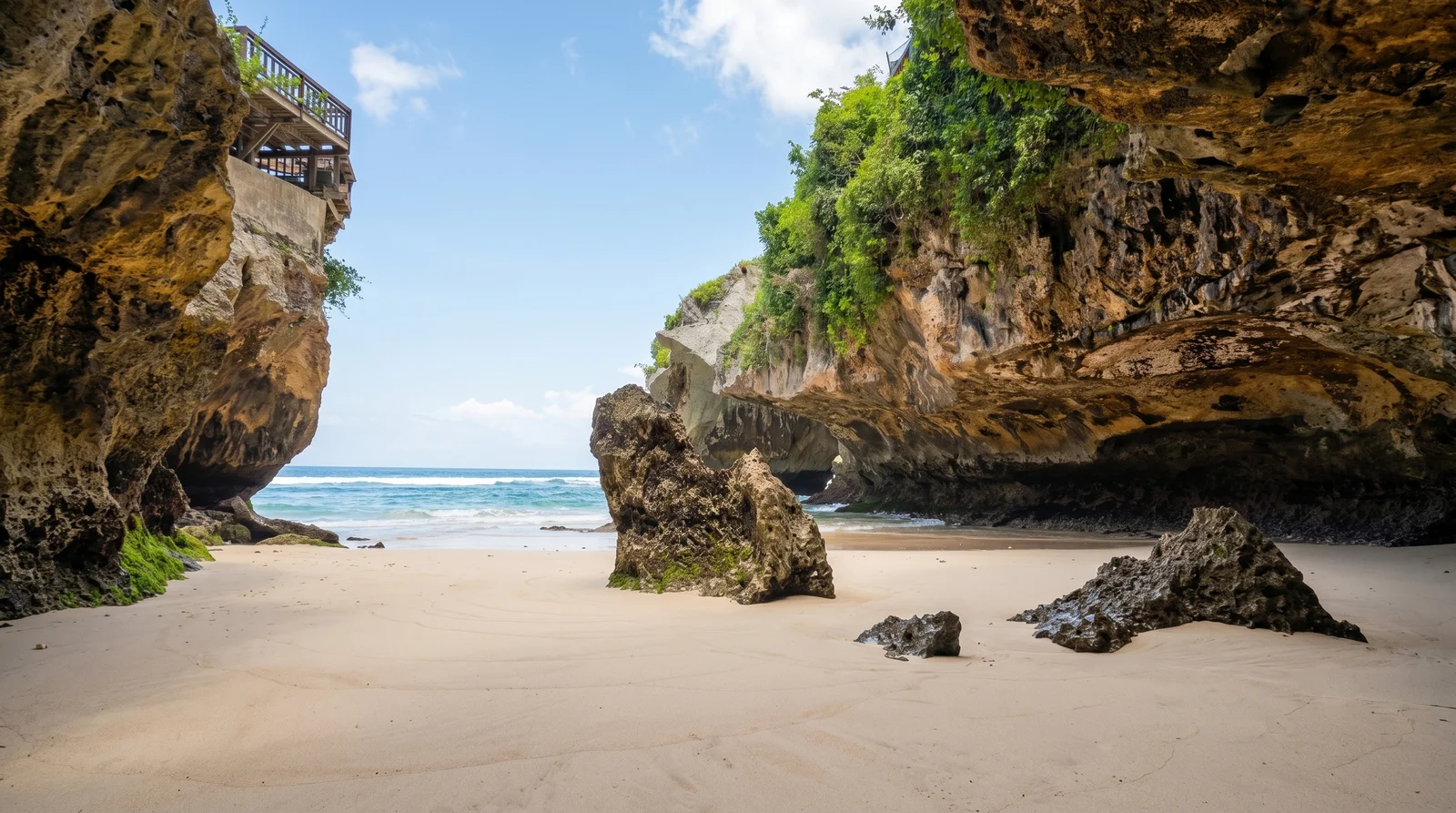
Suluban Beach (Blue Point)
A tiny cove at the foot of the Uluwatu cliff reached through a grotto: turquoise water in the rocks and the legendary Uluwatu surf break. Best at low tide.
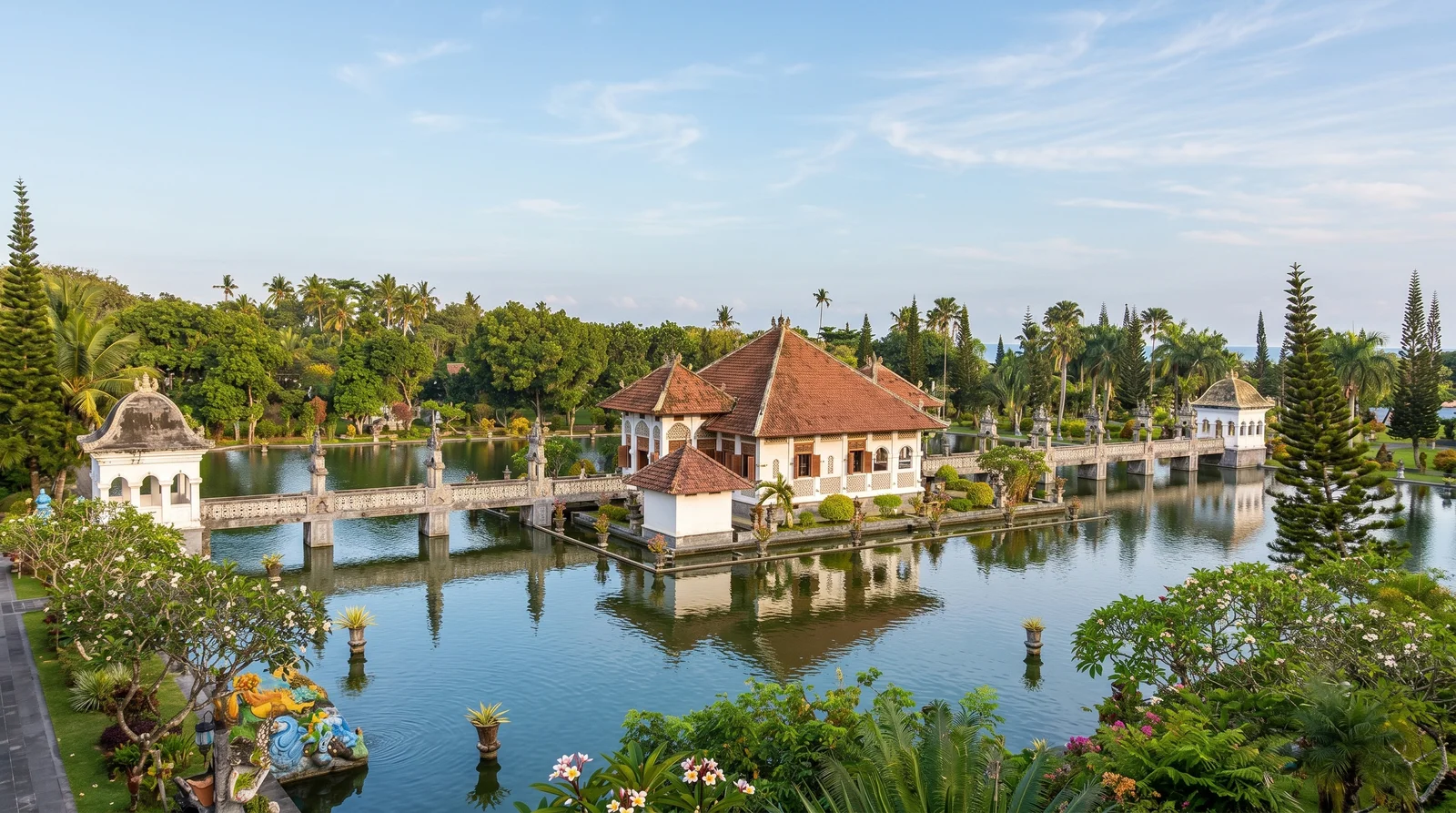
Taman Ujung Water Palace
The royal water palace of Karangasem (1909–1921): large pools, bridges and colonnades with views of Mount Agung and the ocean in East Bali.
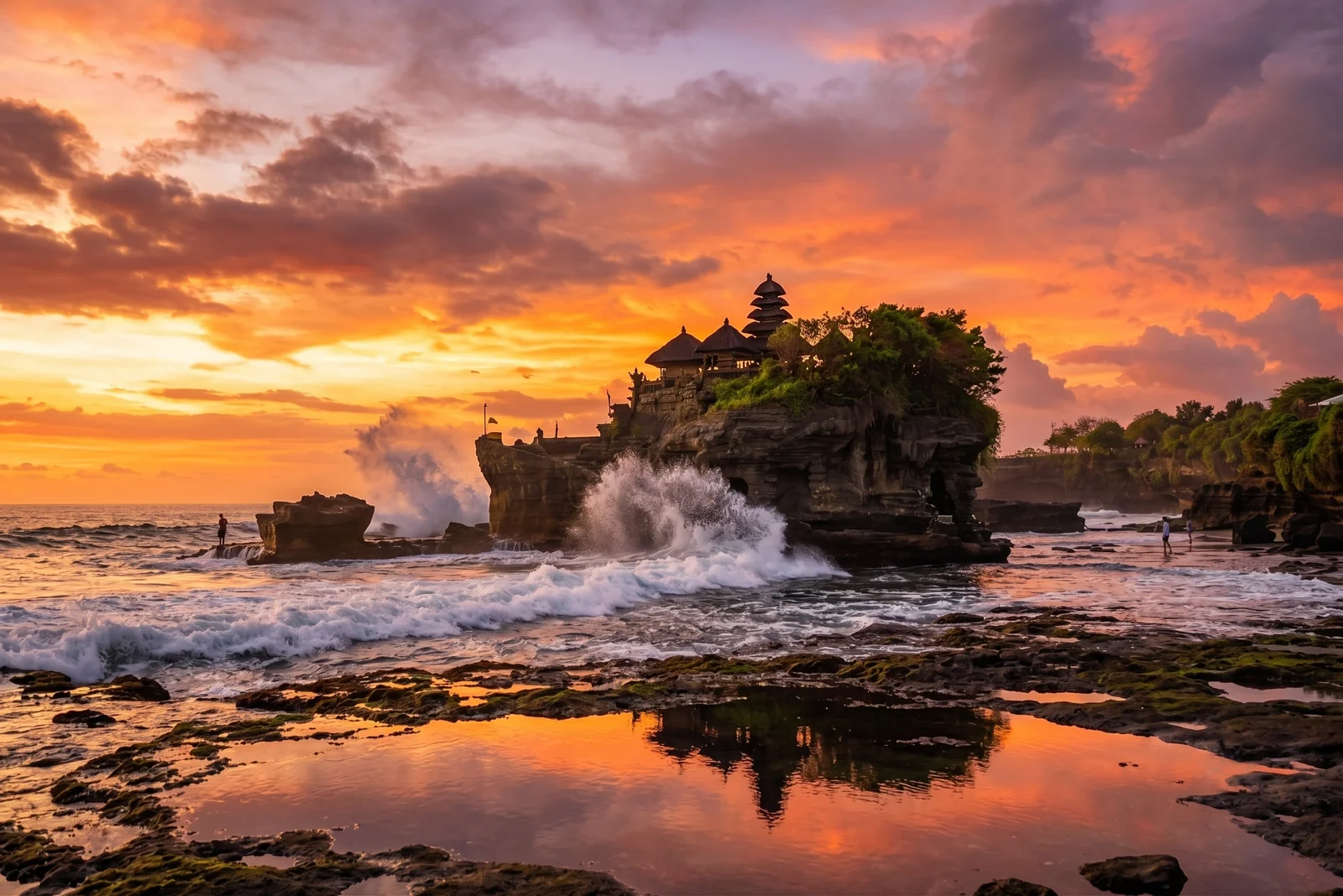
Tanah Lot Temple
The famous sea temple on Bali's southwest coast, set on a dramatic rocky outcrop in the ocean and accessible only during low tide.
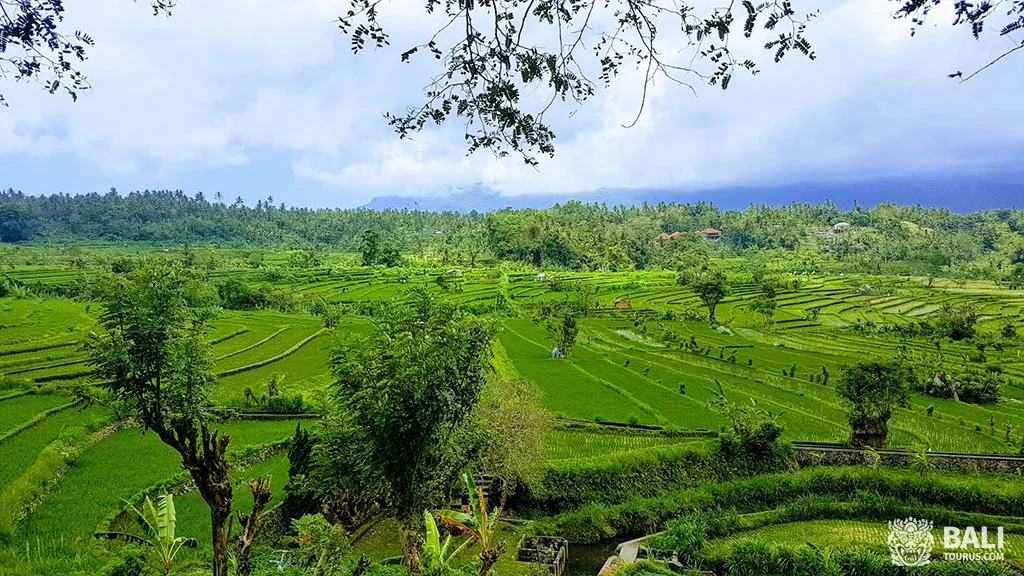
Tegallalang Rice Terraces
Discover Tegallalang rice paddies near Ubud. Walking trails, photography view points, and jungle swings.
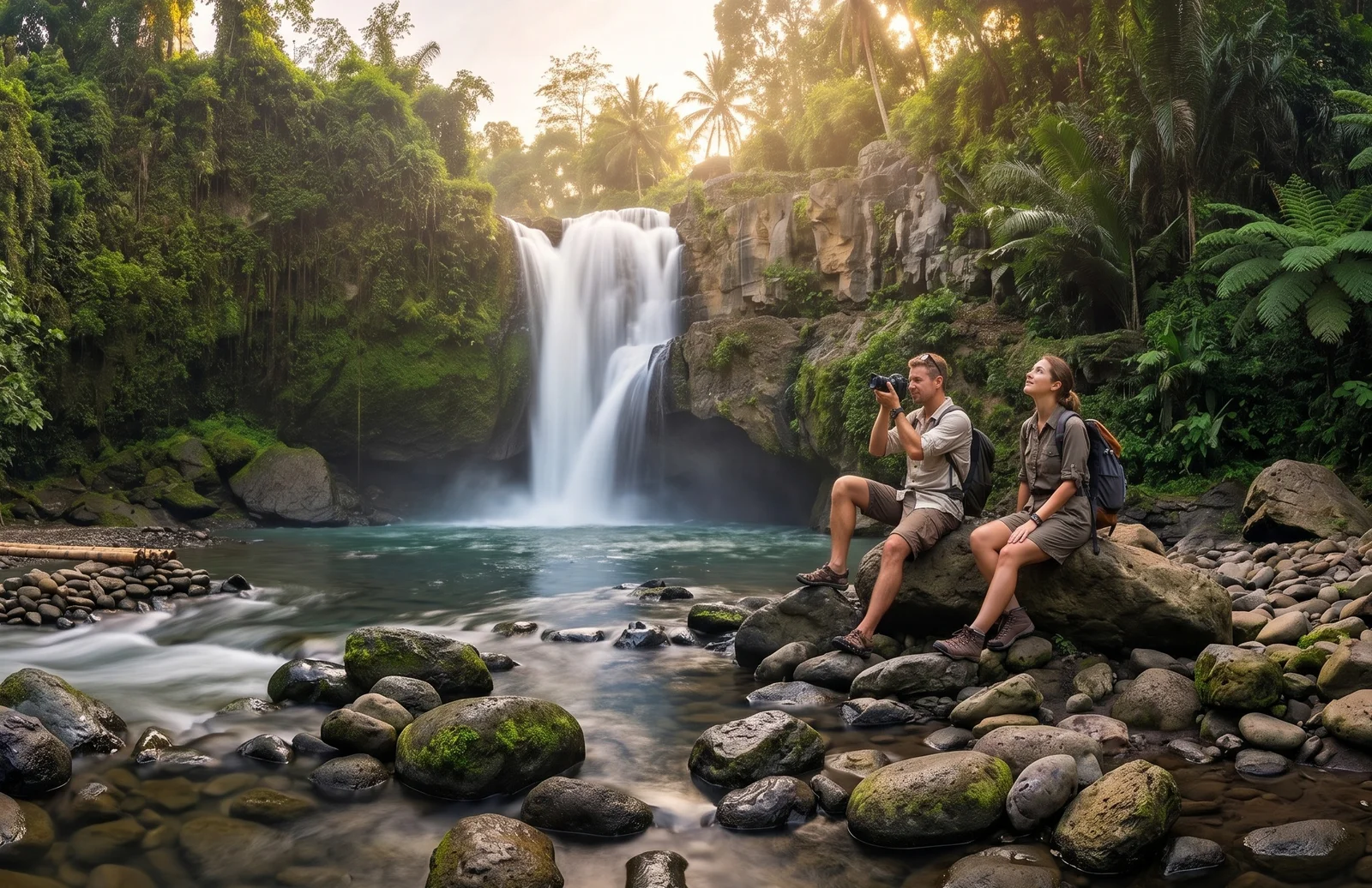
Tegenungan Waterfall
A powerful, easy-to-reach waterfall on the Petanu River 10 km from Ubud — a wide cascade, a swimming pool, and a short staircase down.
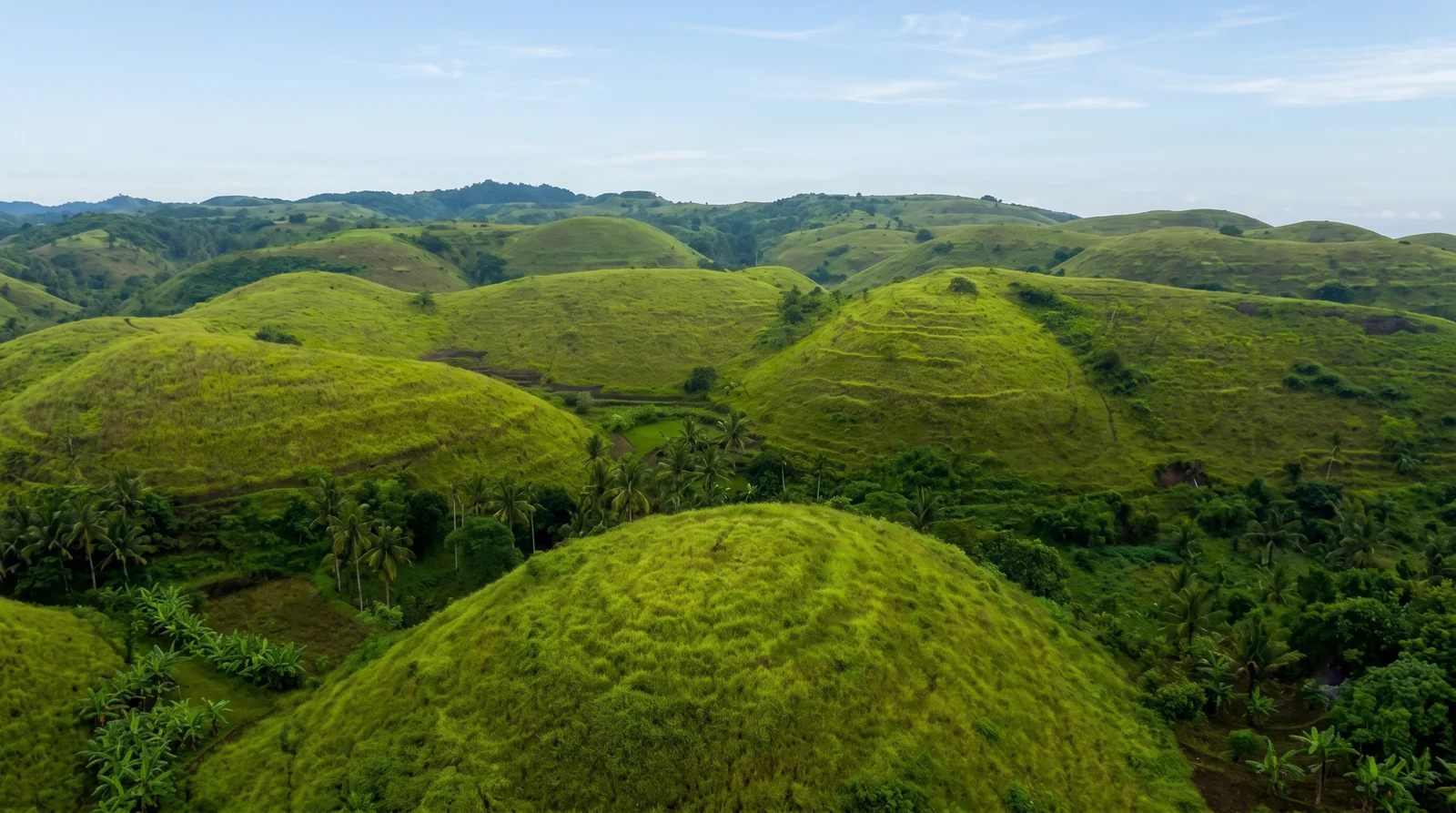
Teletubbies Hill
A run of rounded green hills on east Nusa Penida like a cartoon landscape: panoramic views and lush green after the rains.
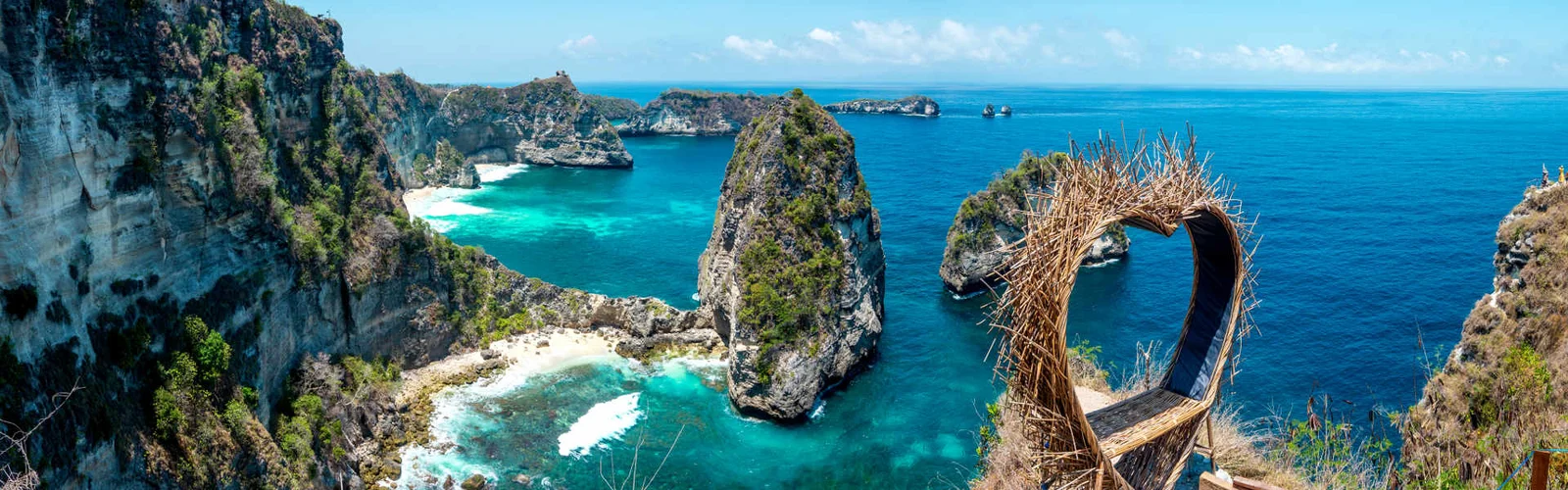
Thousand Islands Viewpoint
A striking viewpoint on east Nusa Penida: a panorama over a scatter of rocky islets in the turquoise ocean below sheer cliffs, beside the Tree House.
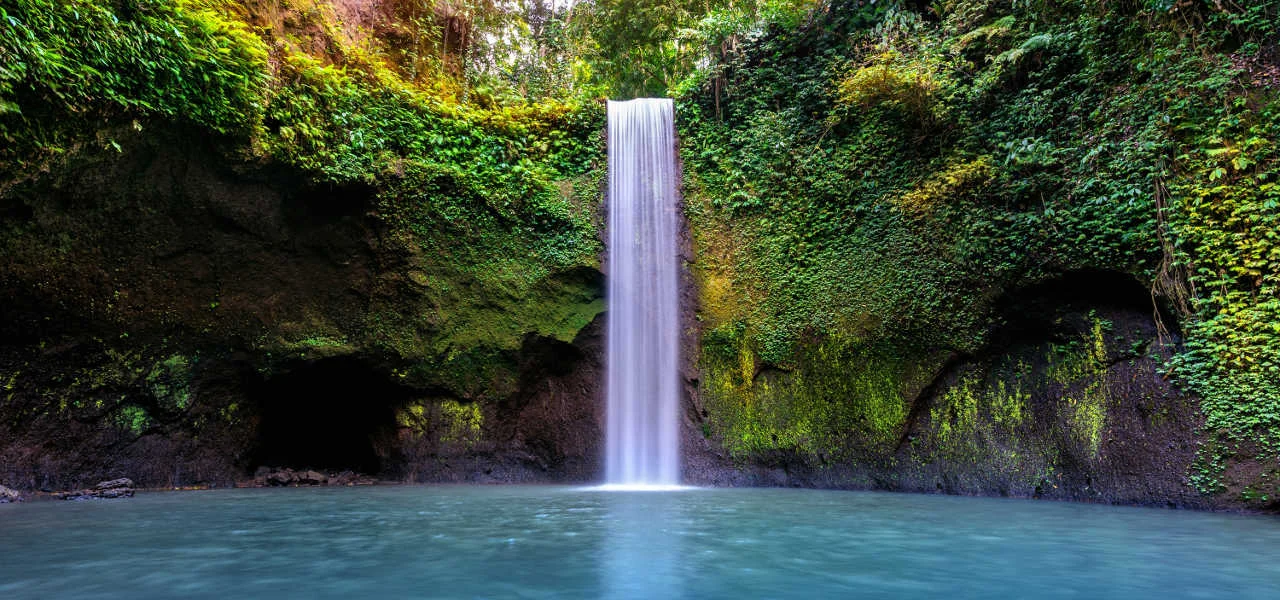
Tibumana Waterfall
A quiet 20-meter curtain waterfall in the Bangli jungle with a calm swimming pool, 30 minutes from Ubud.
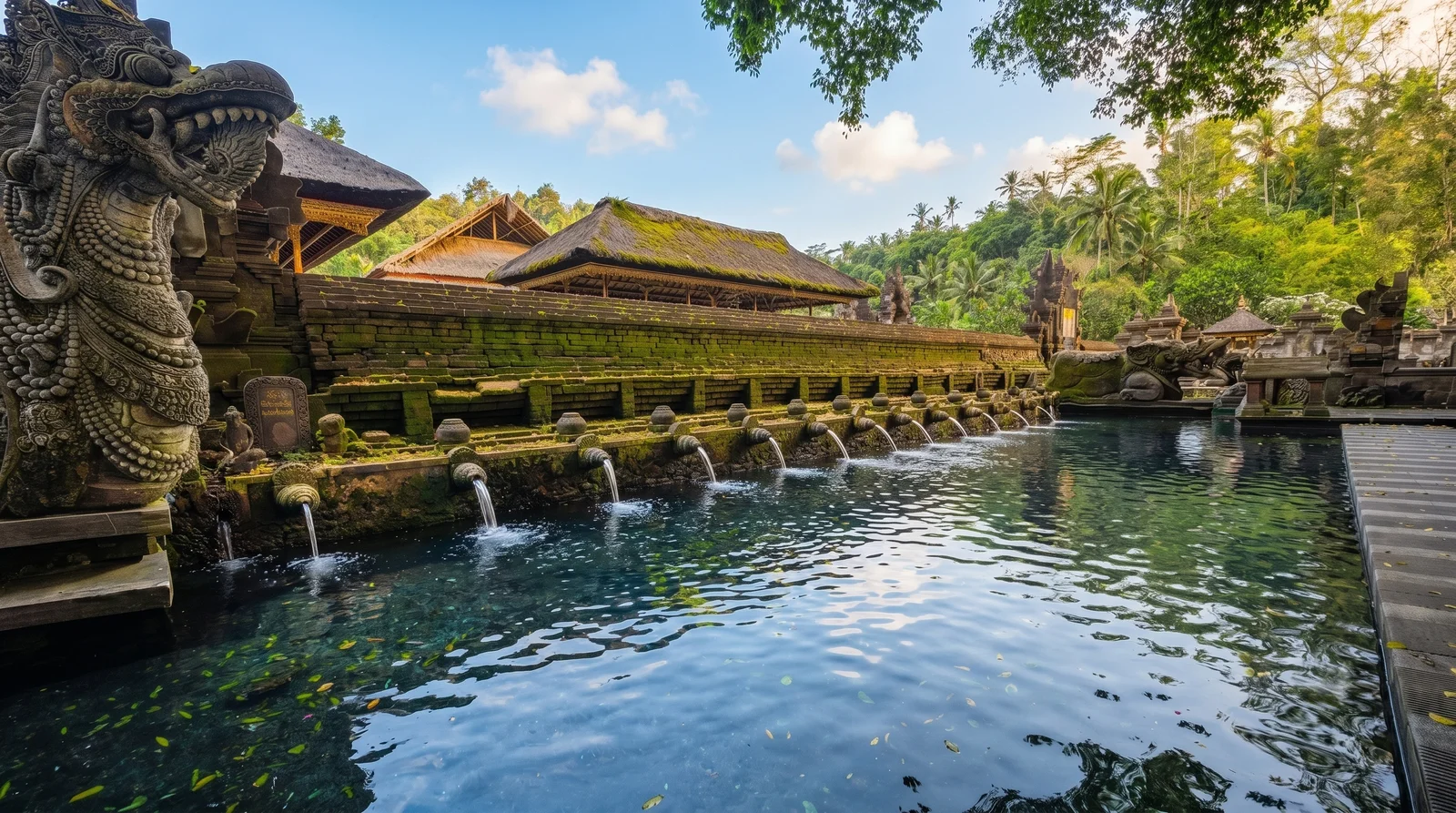
Tirta Empul Temple
A sacred spring temple where Balinese perform the ancient Melukat purification ritual under holy-water spouts.
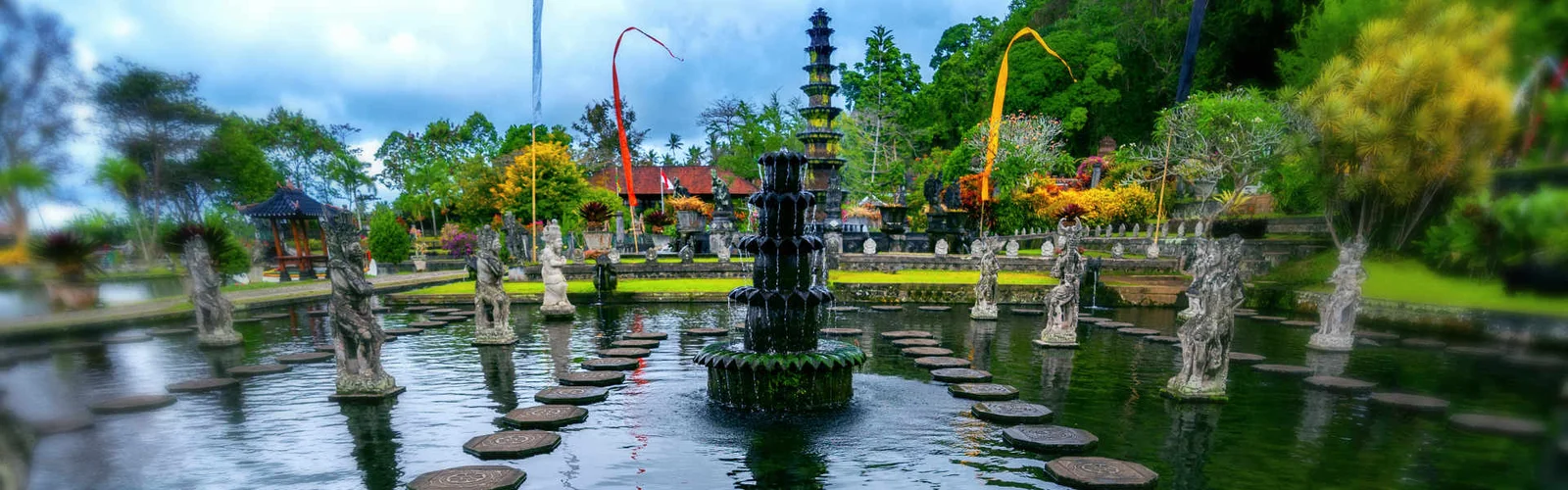
Tirta Gangga Water Palace
A former royal water palace in east Bali with ponds, a tiered lotus fountain, and stepping stones winding among giant koi.
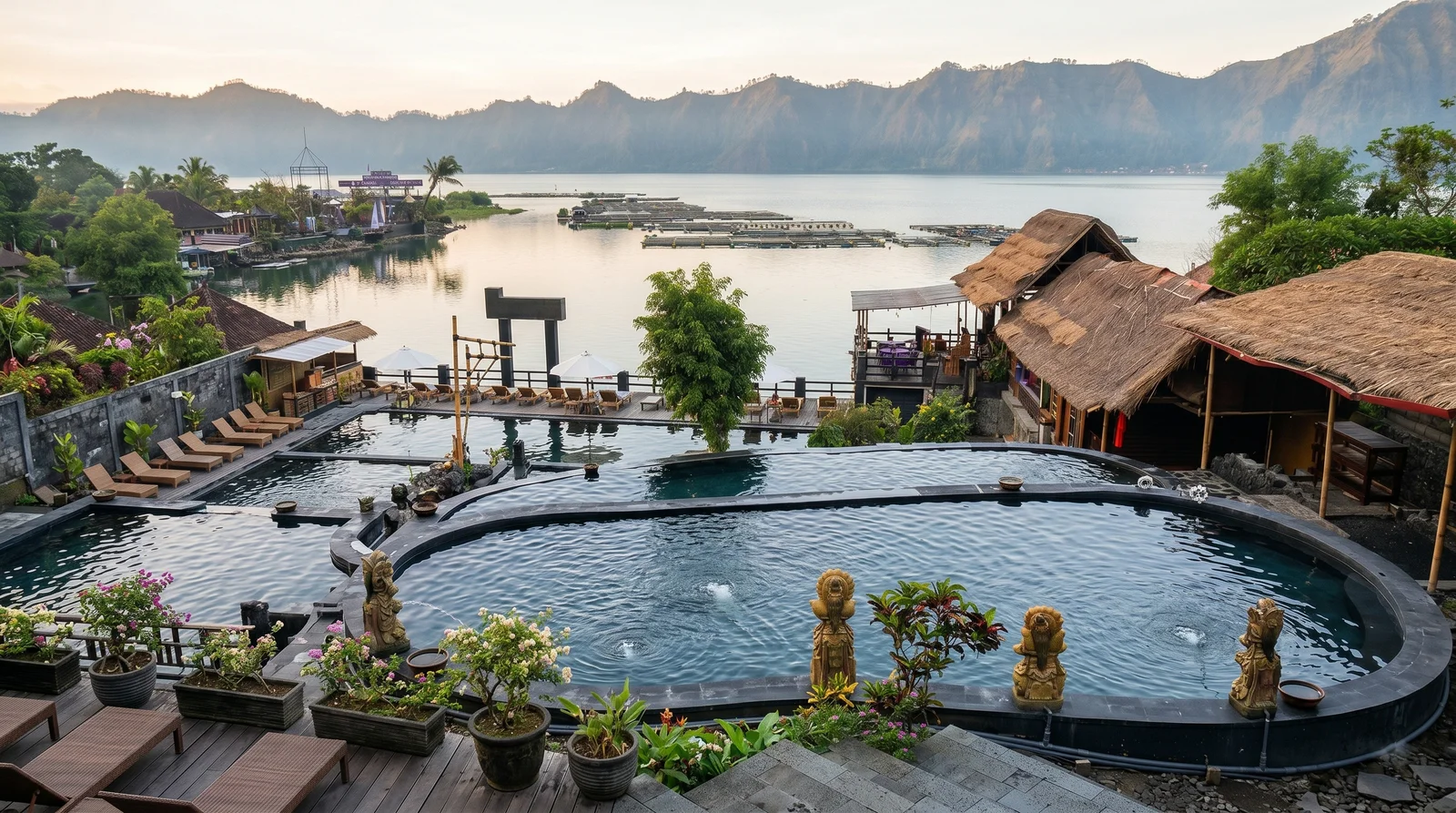
Toya Devasya Hot Springs
Geothermal hot springs on the shore of Lake Batur in Kintamani: mineral pools at 37–42°C and an infinity pool framed by the volcanic caldera.
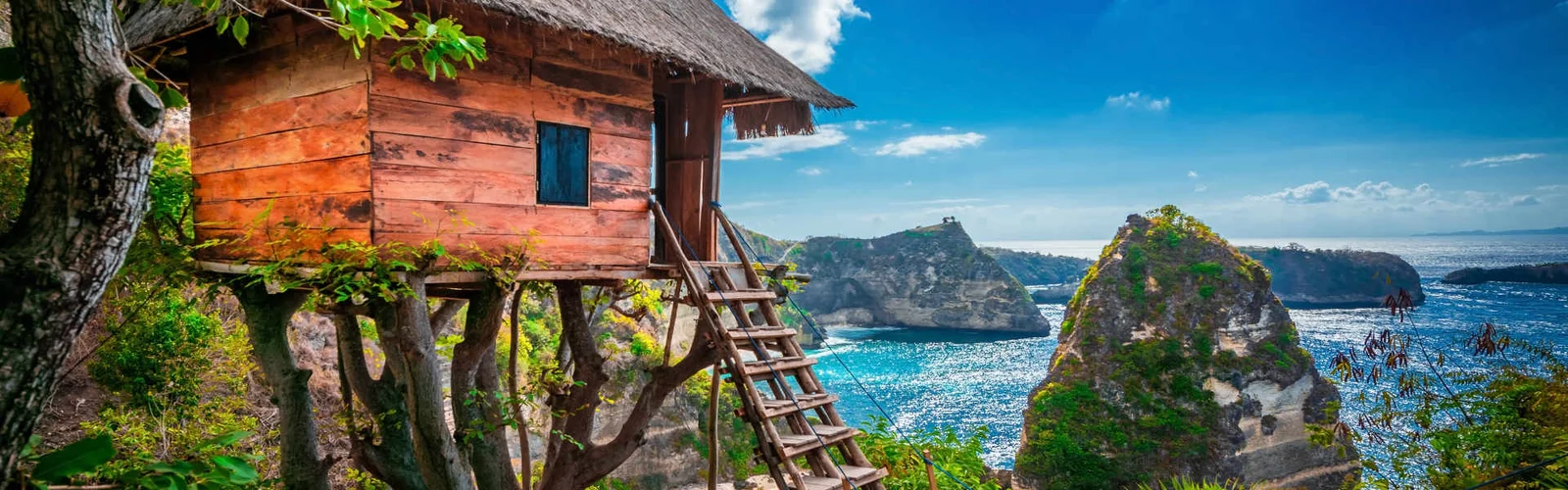
Tree House (Rumah Pohon)
A stilted bamboo hut on a cliff edge above the ocean on east Nusa Penida by Atuh Bay: one of the island's most recognisable photo spots.
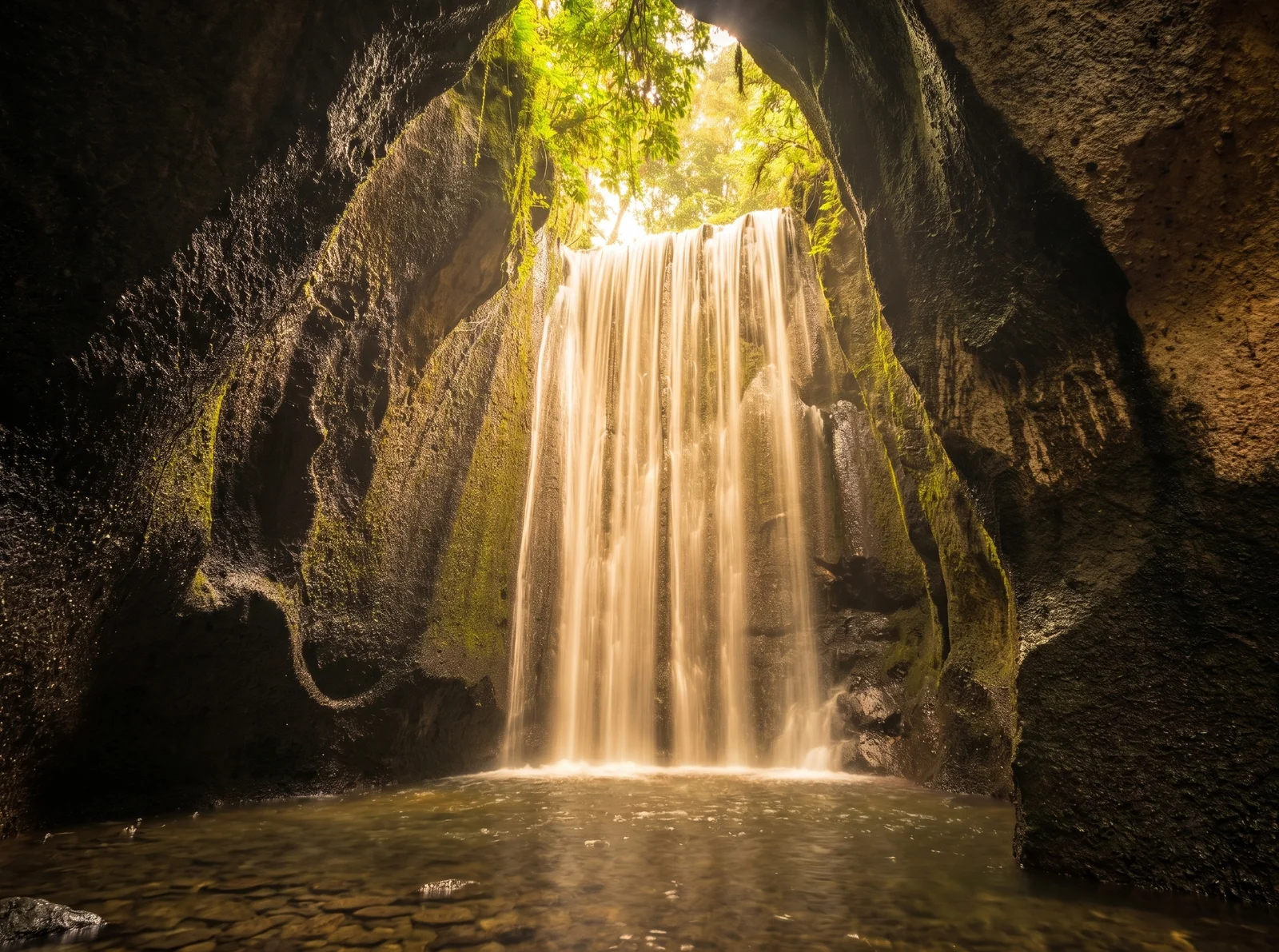
Tukad Cepung Waterfall
A waterfall inside a rock grotto in Bangli, famous for the sunbeams that pierce down into the canyon from above.
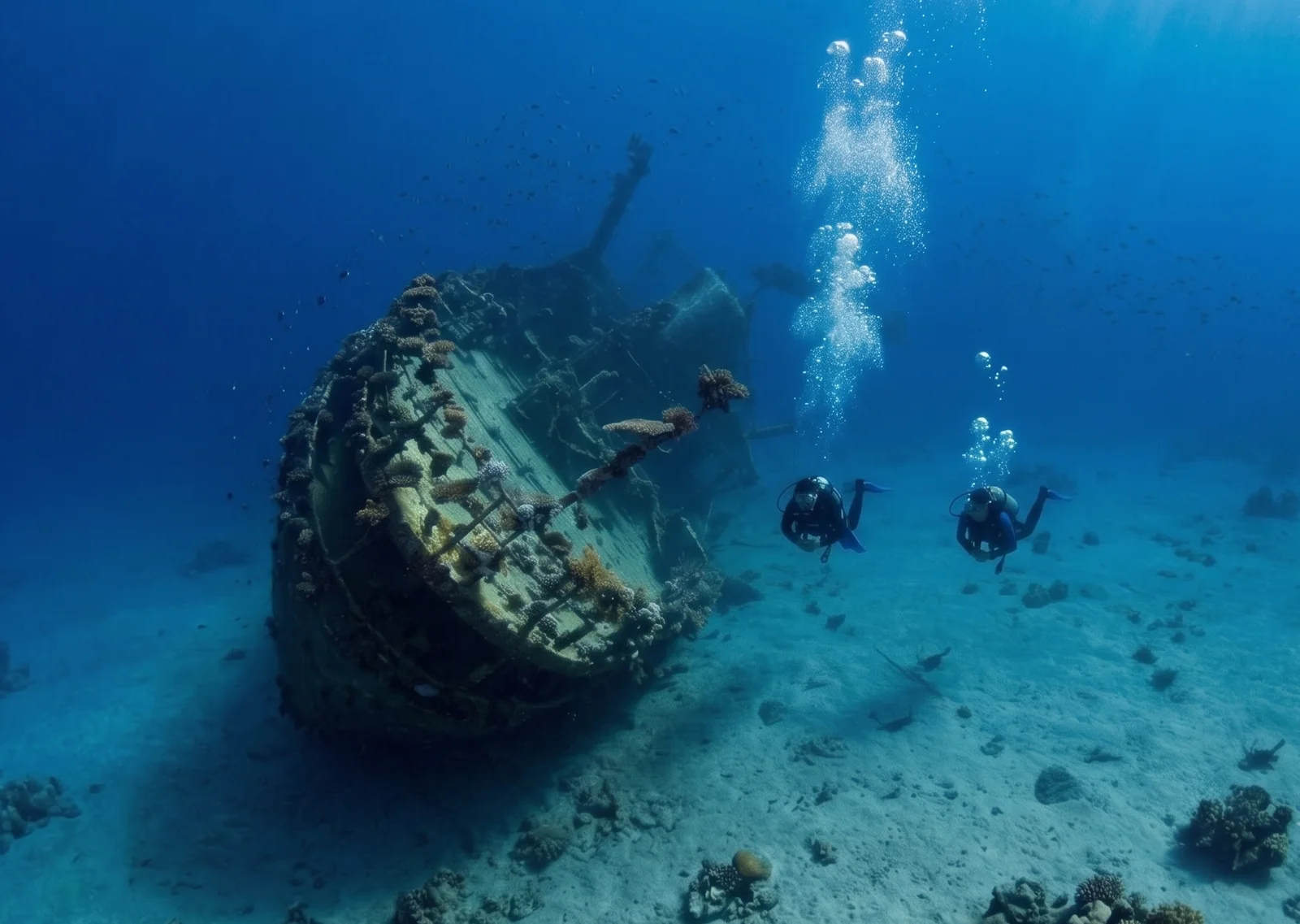
Tulamben
A fishing village on Bali's northeast coast and a diver's mecca — the USAT Liberty shipwreck sits just a short swim from the beach.
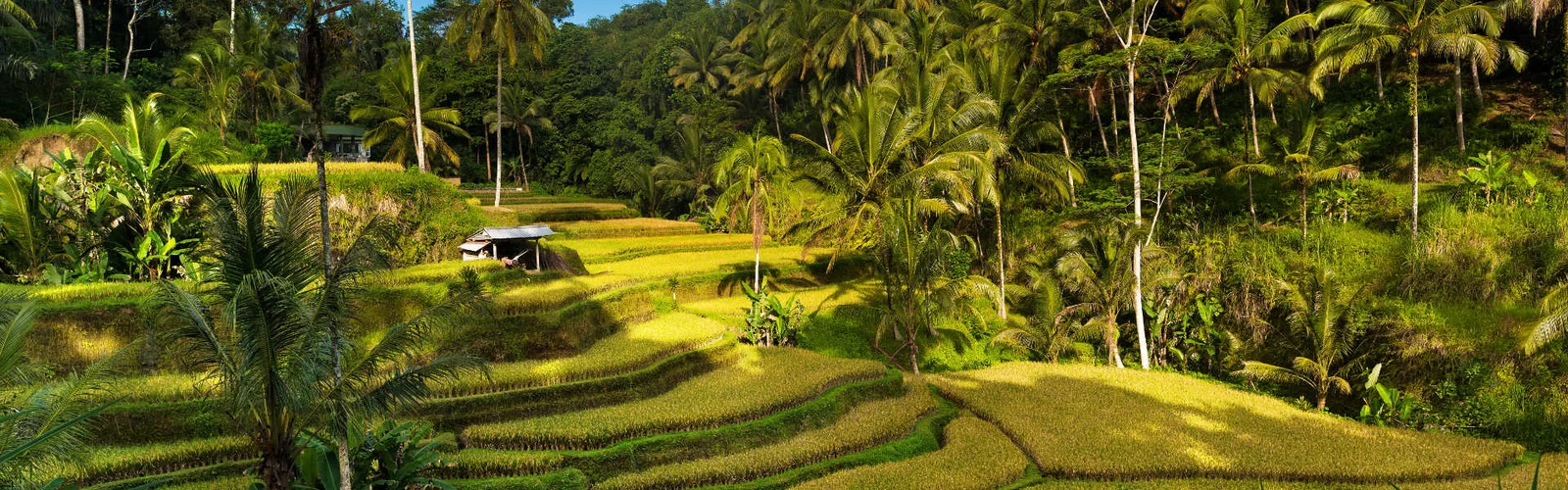
Ubud
Bali's cultural hub, surrounded by rice terraces, temples, art museums, craft villages, tropical valleys and central-island day trips.
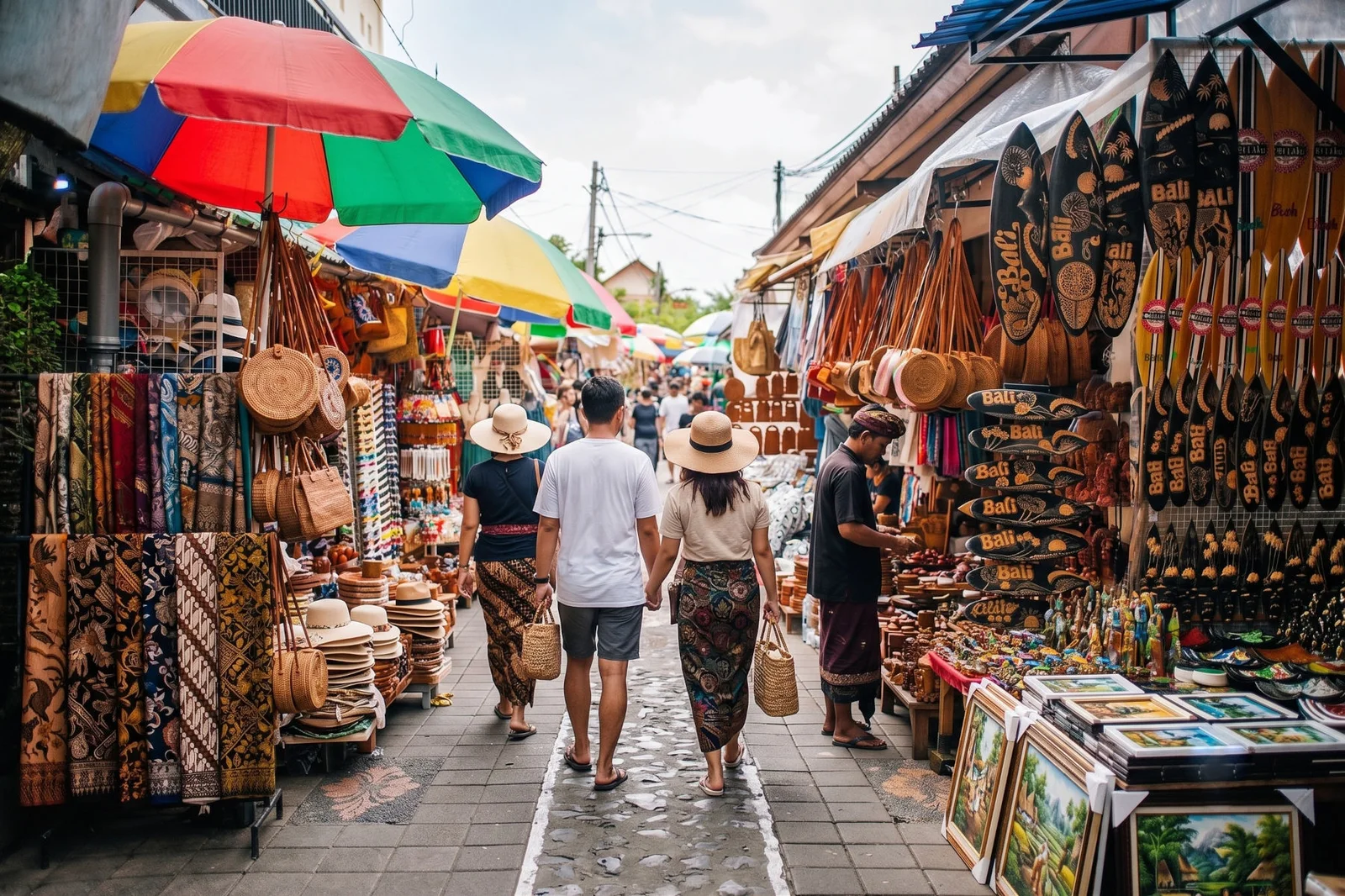
Ubud Art Market (Pasar Seni Ubud)
A covered handicraft market in central Ubud opposite the palace: scarves, bags, carvings and paintings, where bargaining is expected.
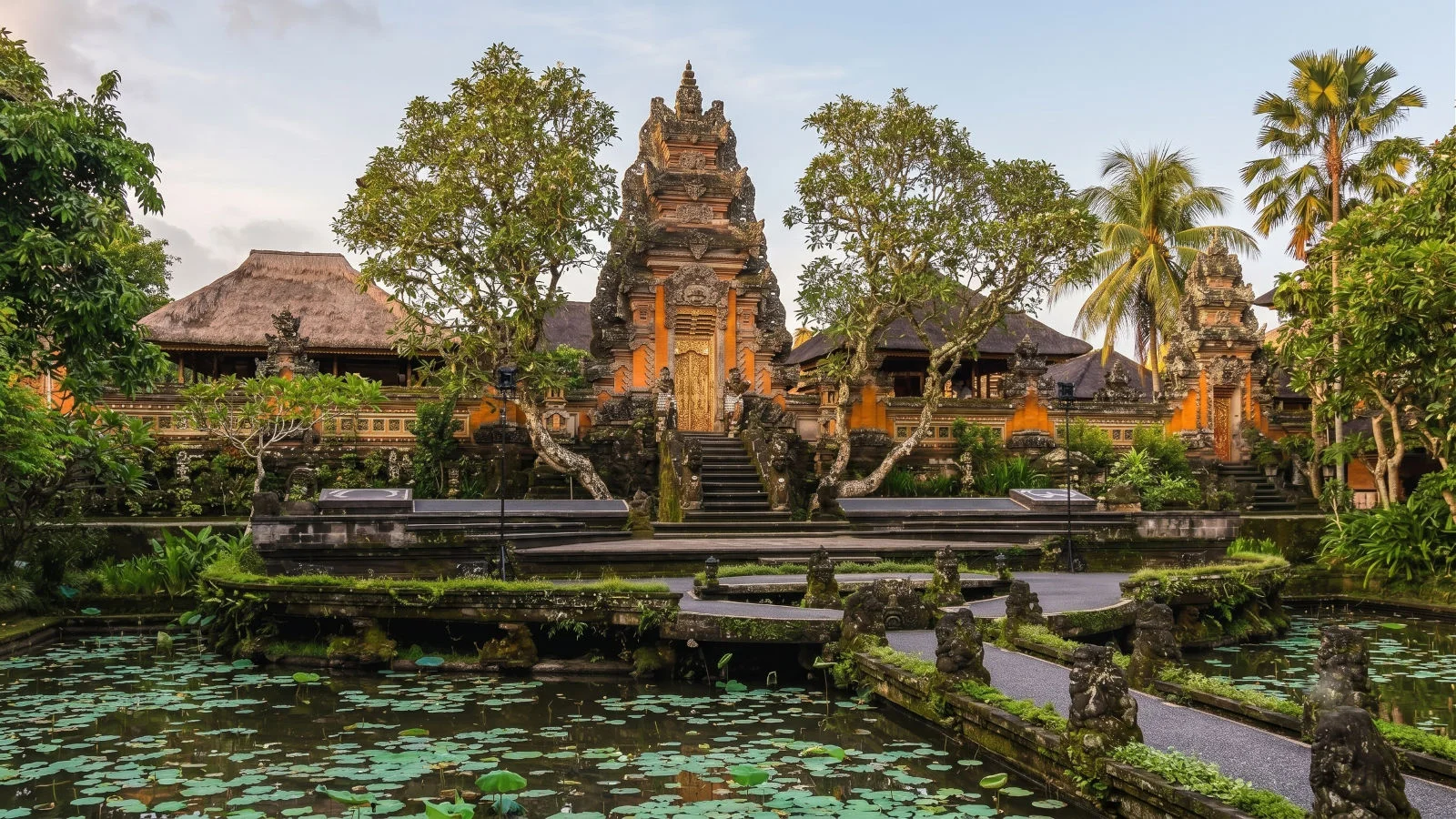
Ubud Palace (Puri Saren Agung)
The Ubud royal family's residence in the town centre: free daytime courtyards of Balinese architecture and nightly Legong and Barong dances.
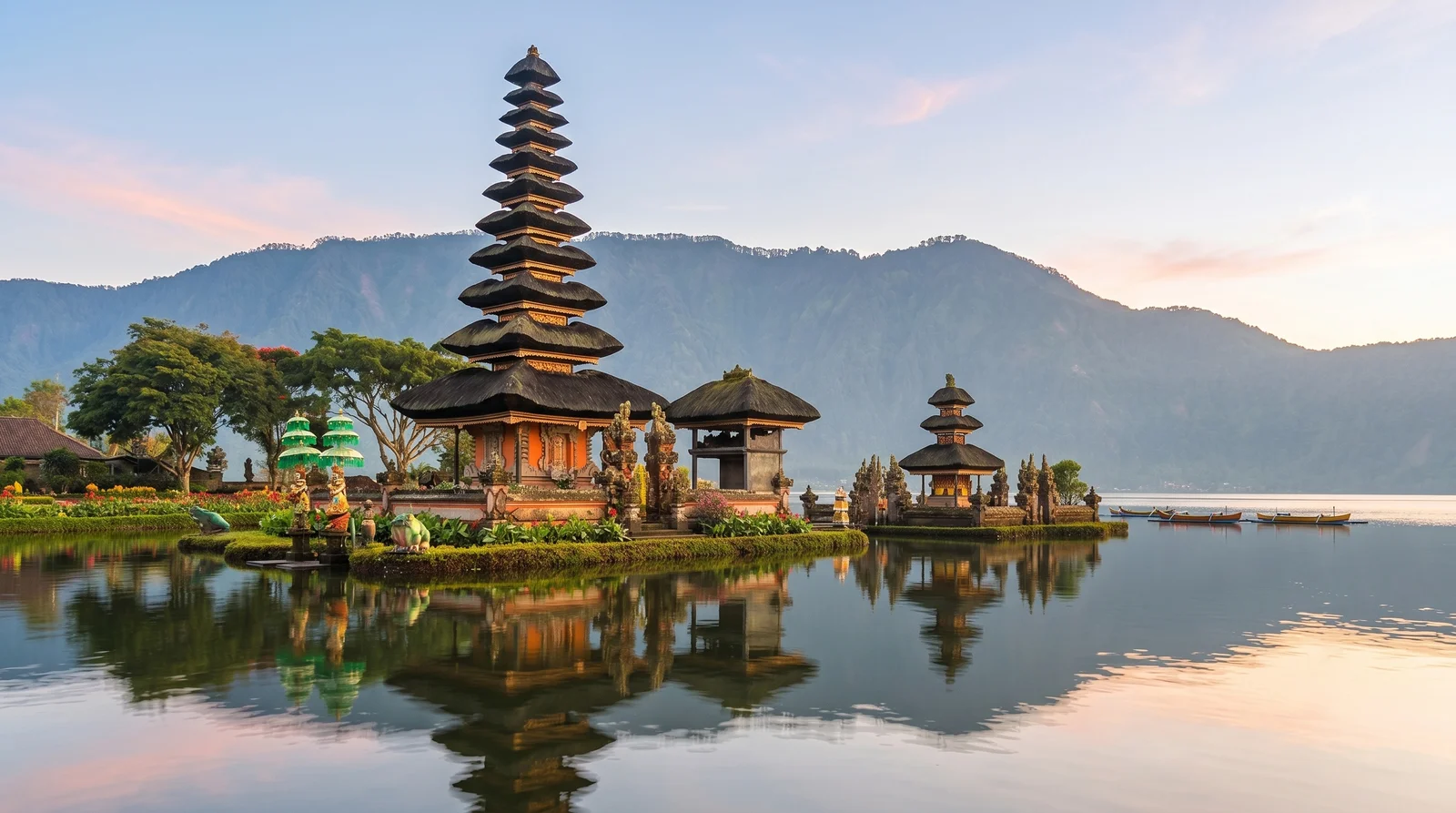
Ulun Danu Beratan Temple
A symbol of Bali: the pagoda temple on the shore of mountain Lake Bratan in cool Bedugul, featured on the 50,000 rupiah note.
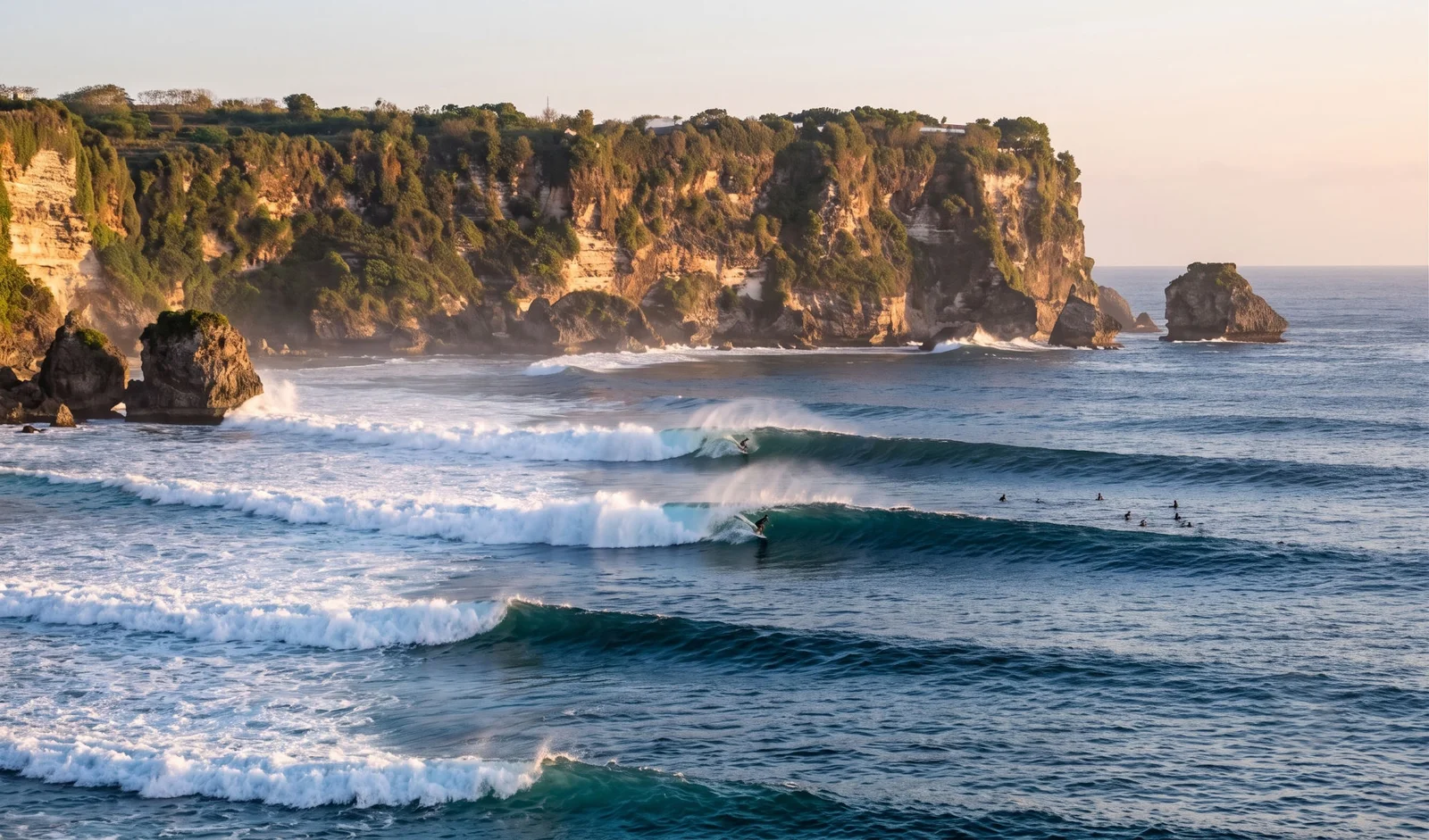
Uluwatu
The clifftop area on Bali's Bukit Peninsula — limestone cliffs over the ocean, a sea temple with the Kecak fire dance, world-class surf and hidden beaches.
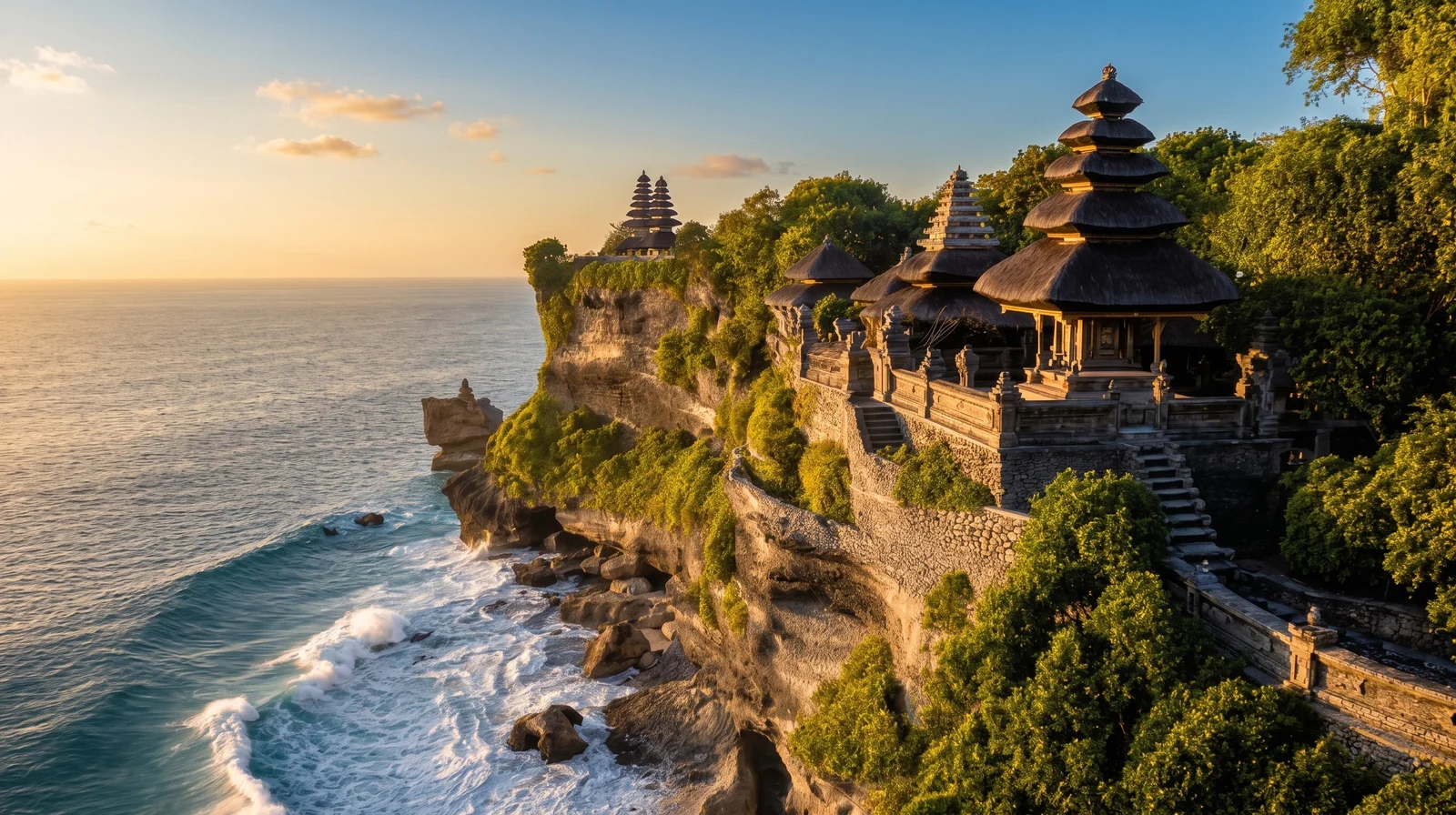
Uluwatu Temple
Visit the famous Uluwatu Temple in Bali. Discover sunset views, monkeys, and the daily Kecak fire dance show.
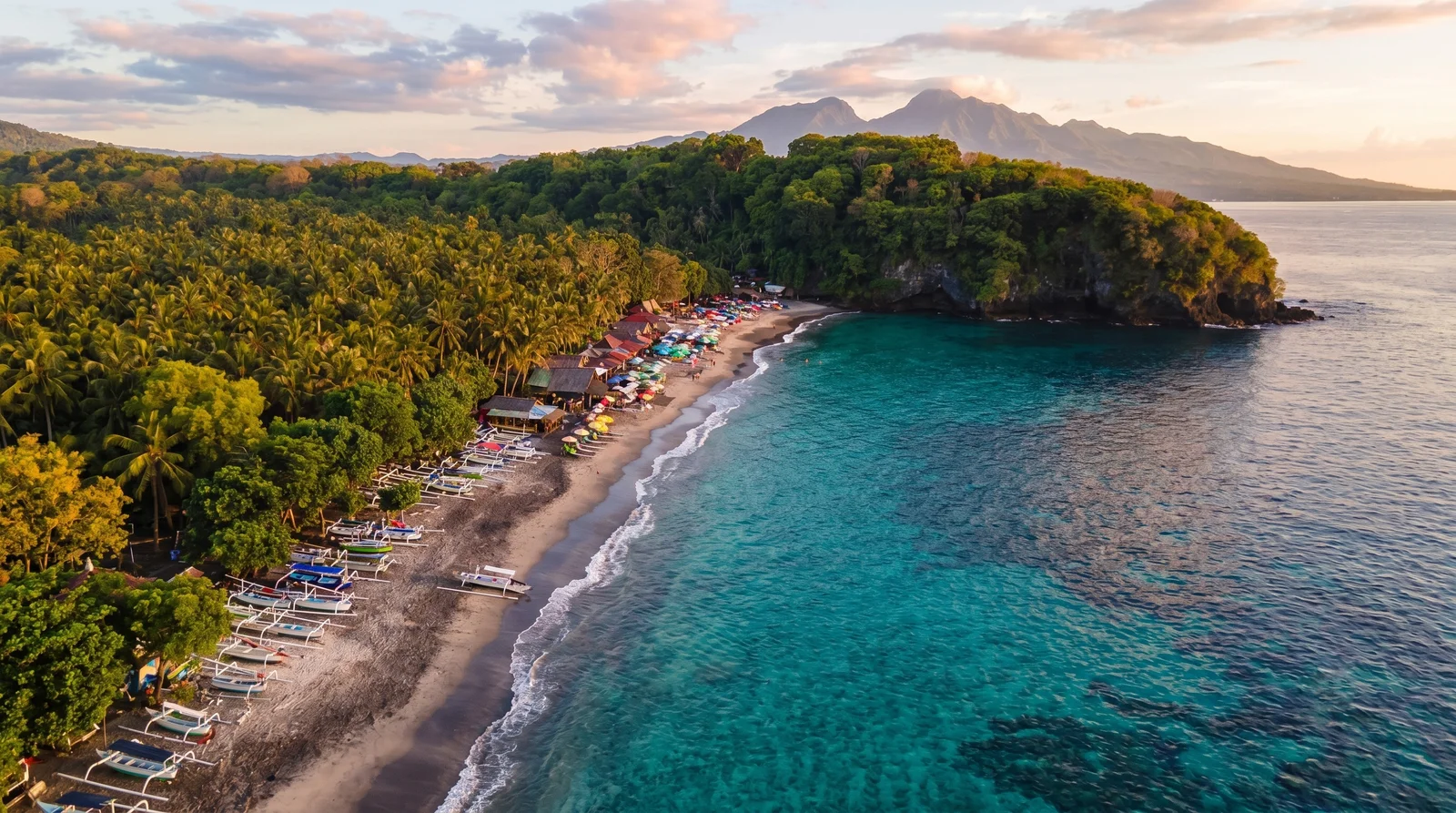
Virgin Beach
A secluded white-sand beach in East Bali (Pasir Putih, Perasi): calm turquoise water in a rocky cove, beachside warungs and snorkeling by the rocks.
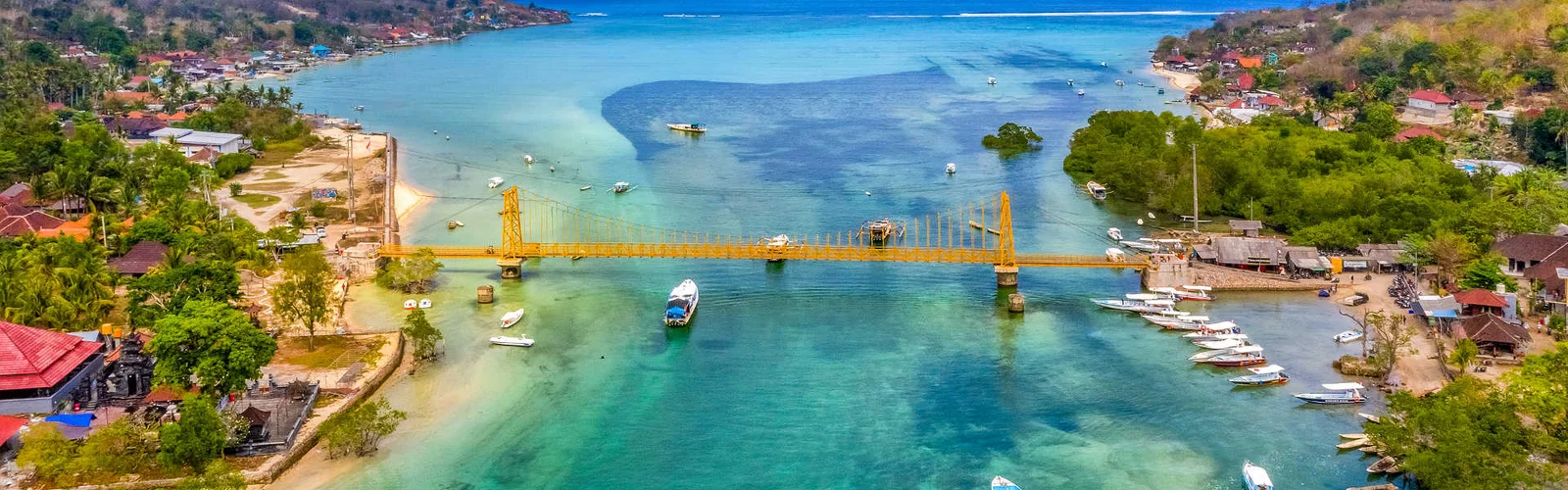
Yellow Bridge
A bright-yellow pedestrian bridge between Nusa Lembongan and Nusa Ceningan: the islands' main link and a colourful photo spot over the mangrove channel.
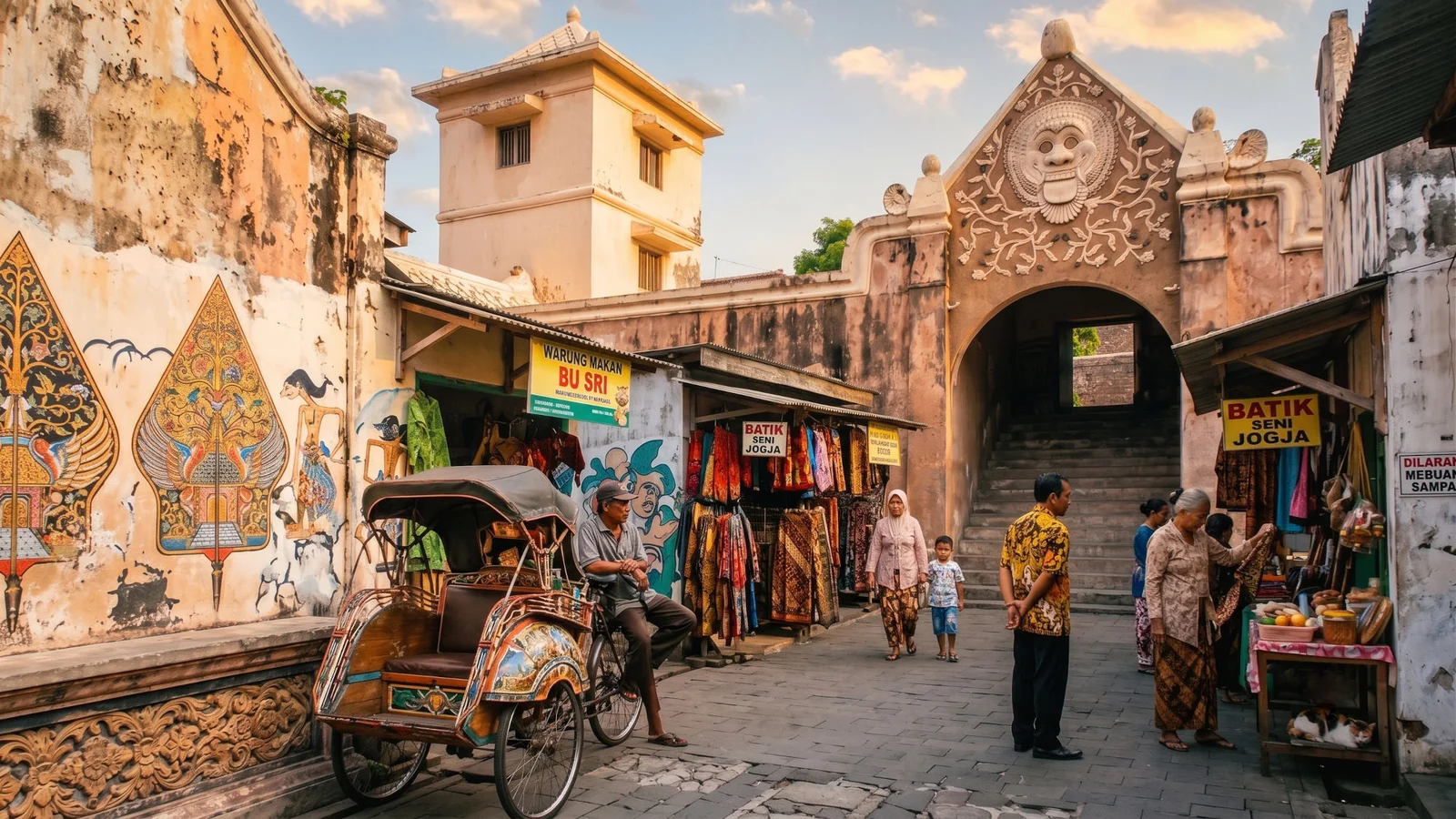
Yogyakarta
Java's cultural capital — gateway to the great temples of Borobudur and Prambanan, the Sultan's Kraton palace and living Javanese tradition.