In this area16
On the map →
Bali Bird Park
Bali Swing — Jungle Swings
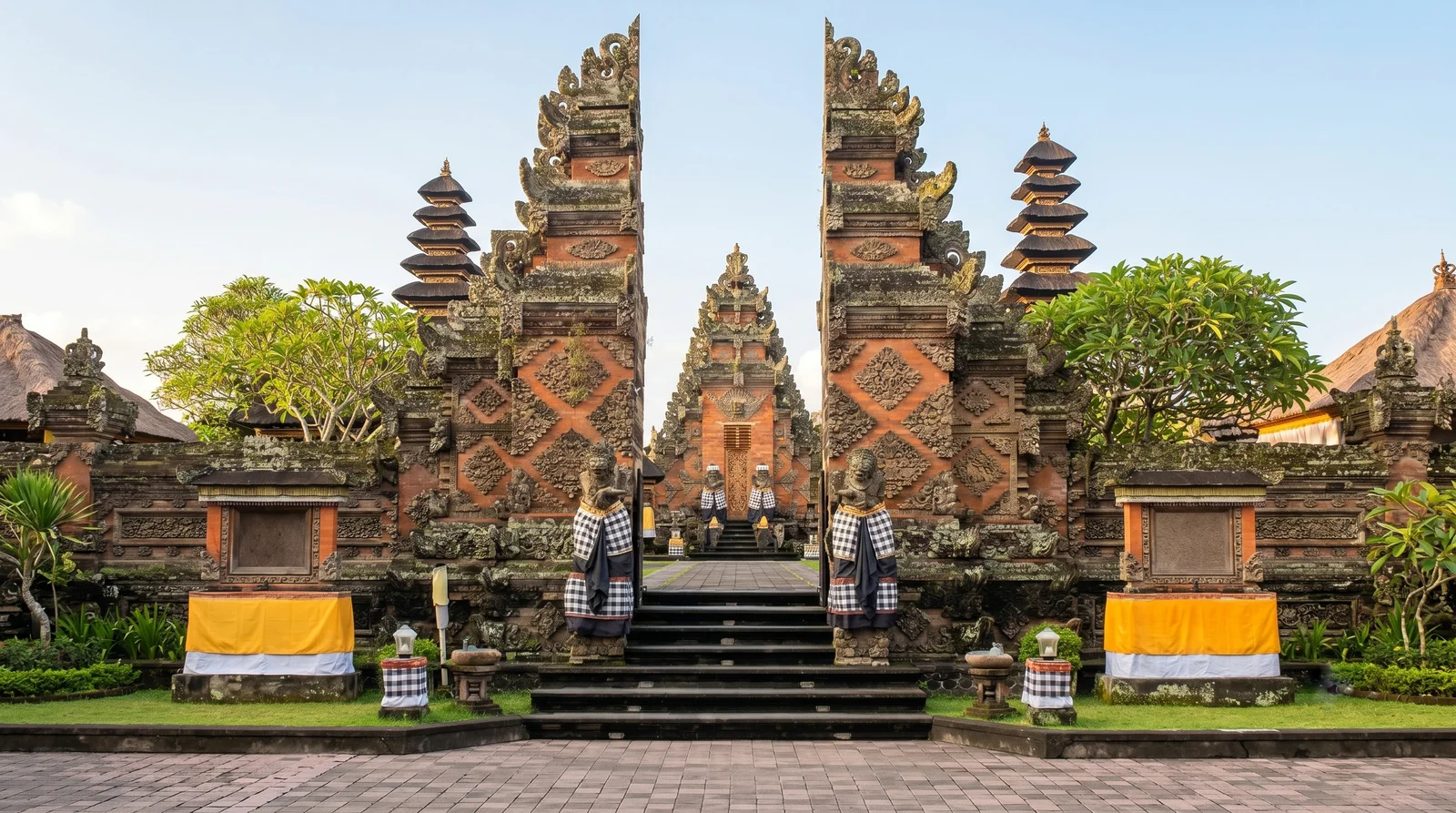
Batuan Temple
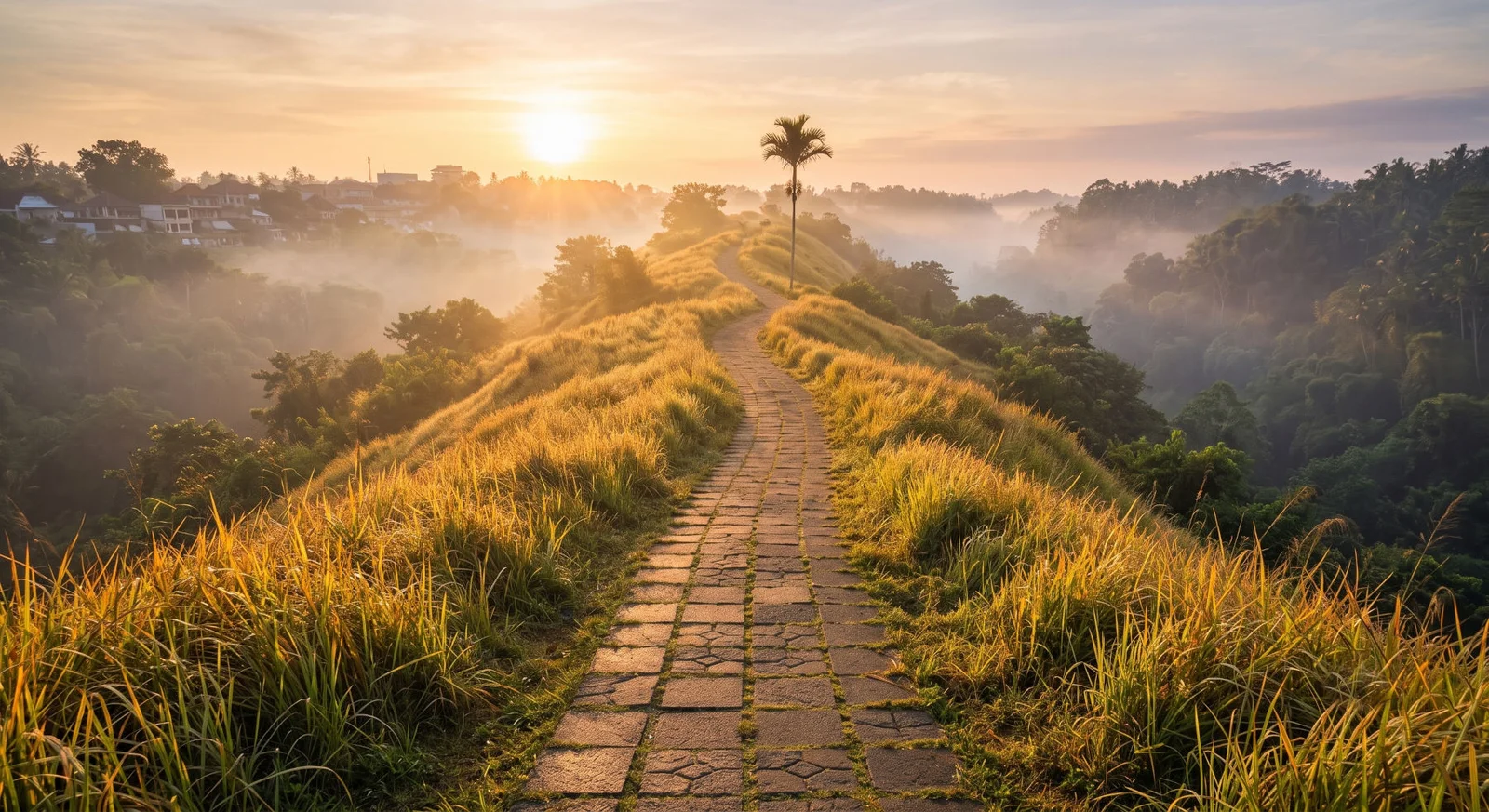
Campuhan Ridge Walk
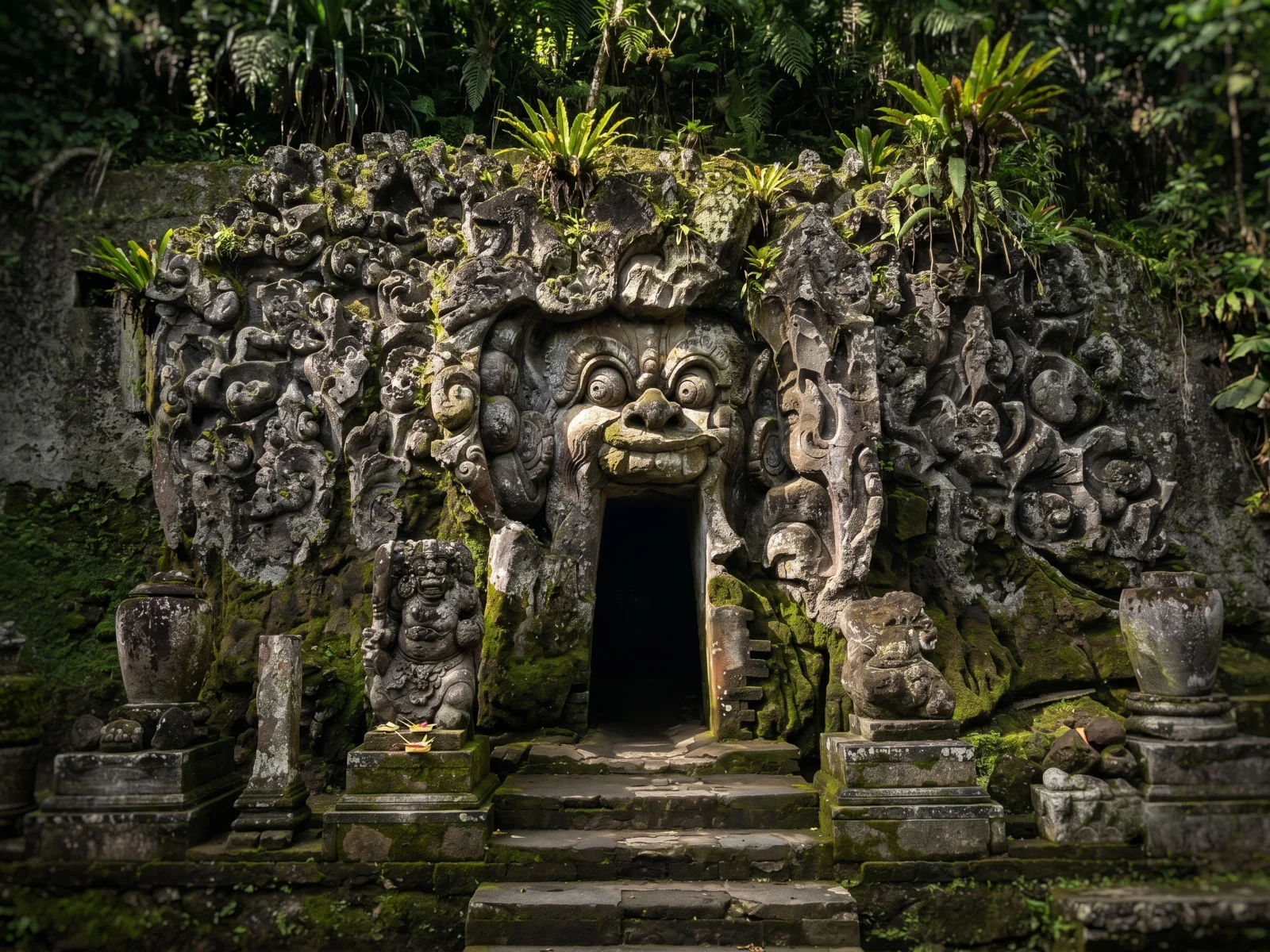
Goa Gajah (Elephant Cave)
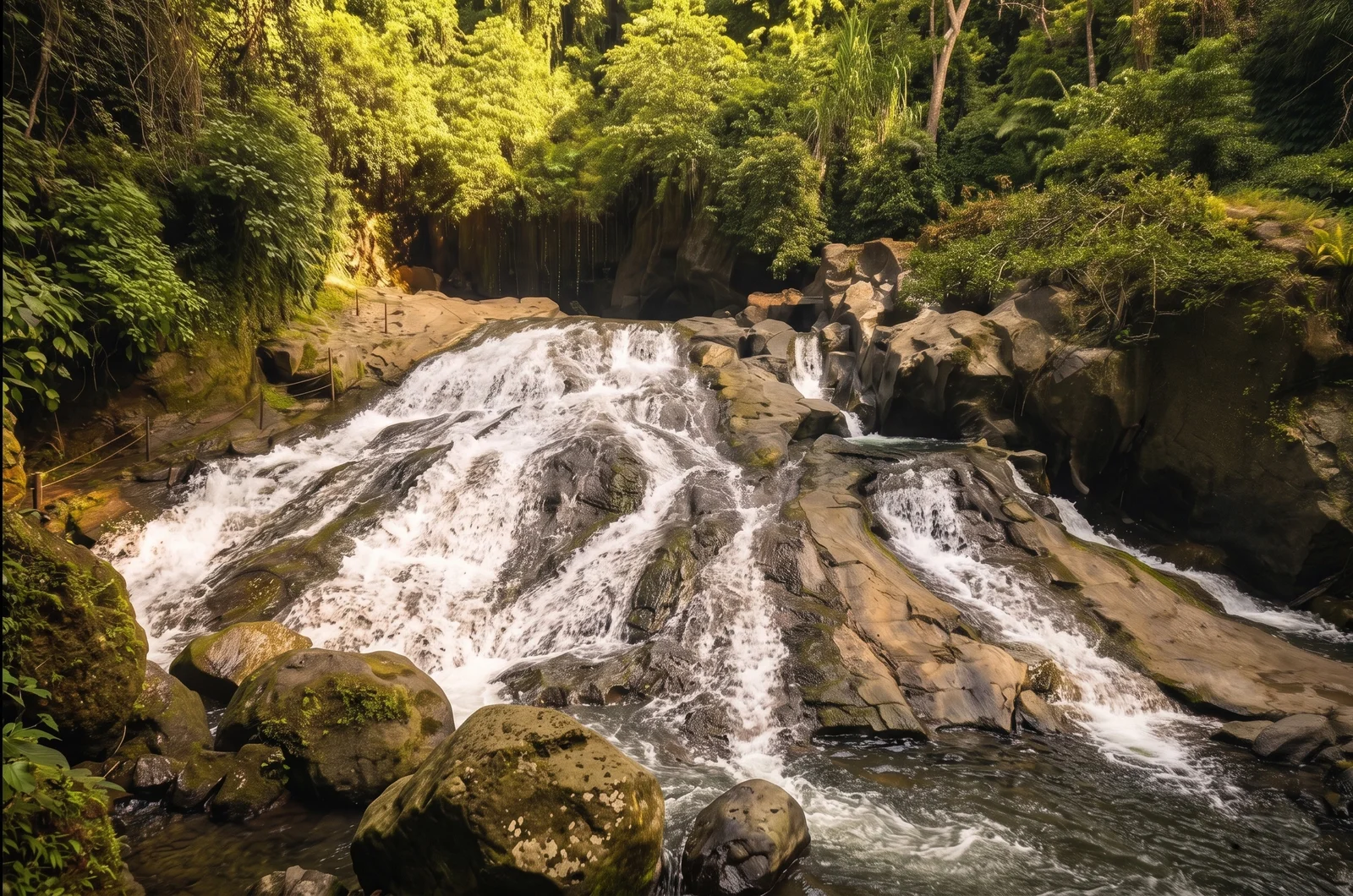
Goa Rang Reng Waterfall
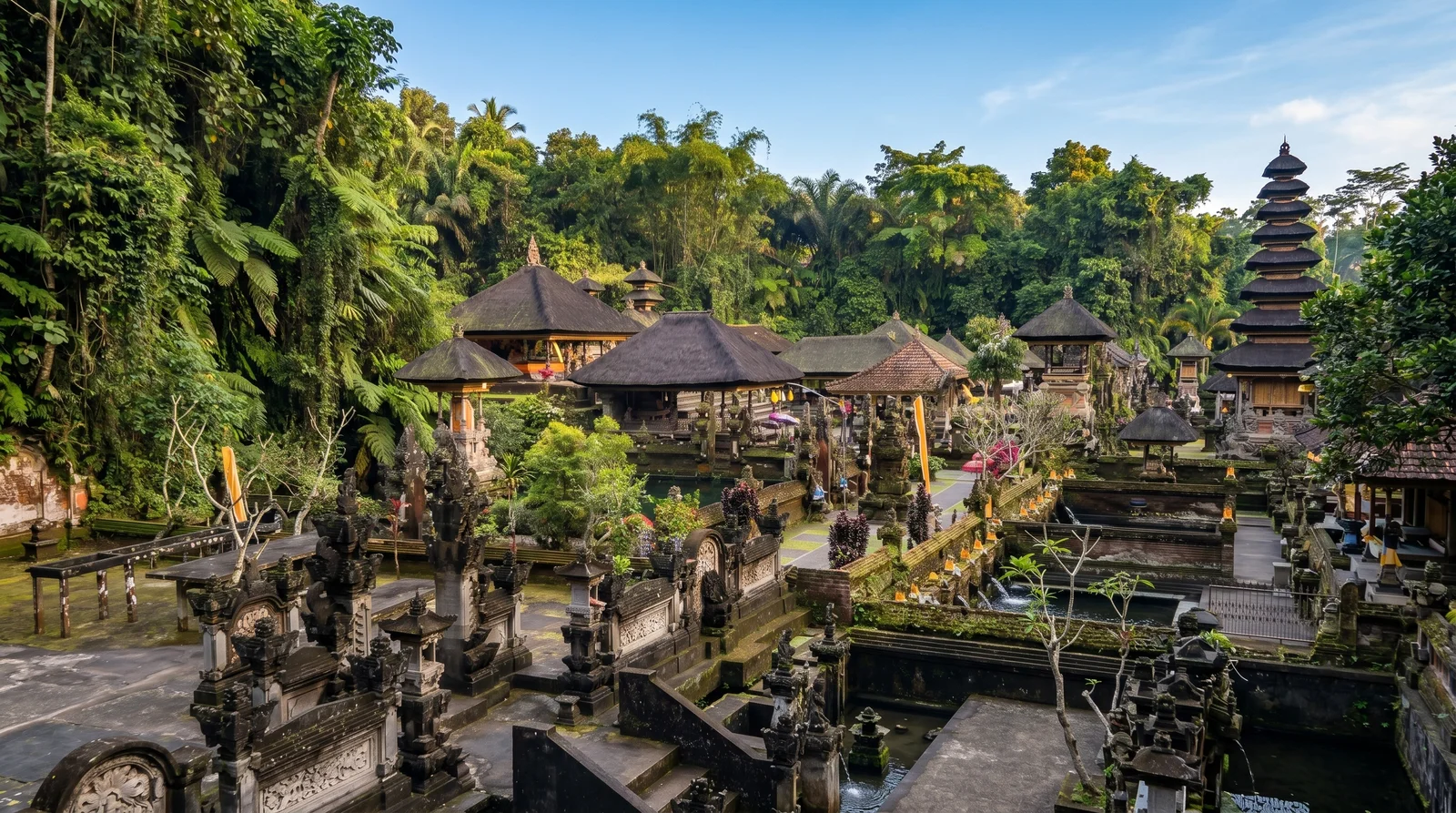
Gunung Kawi Sebatu Temple
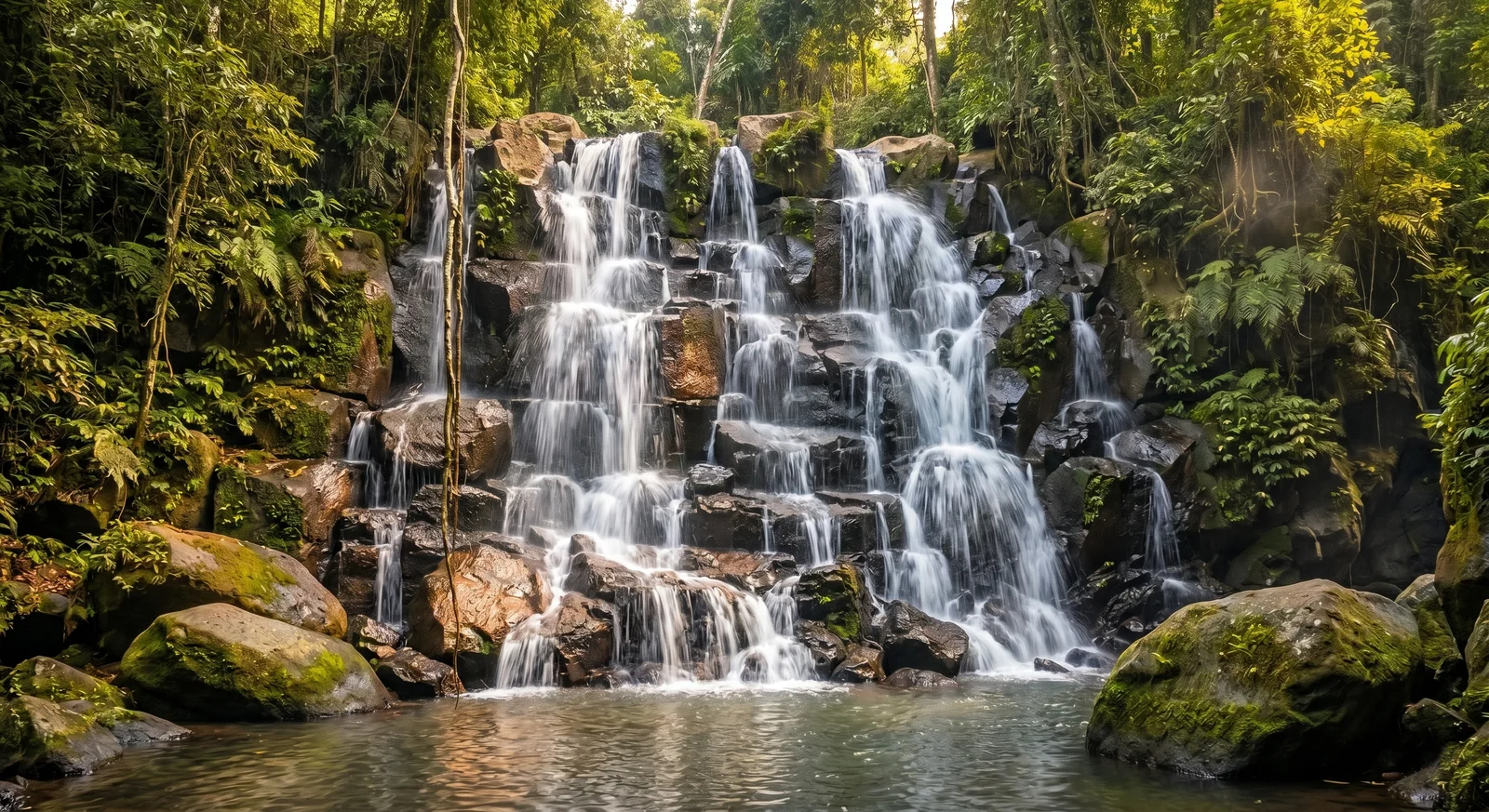
Kanto Lampo Waterfall
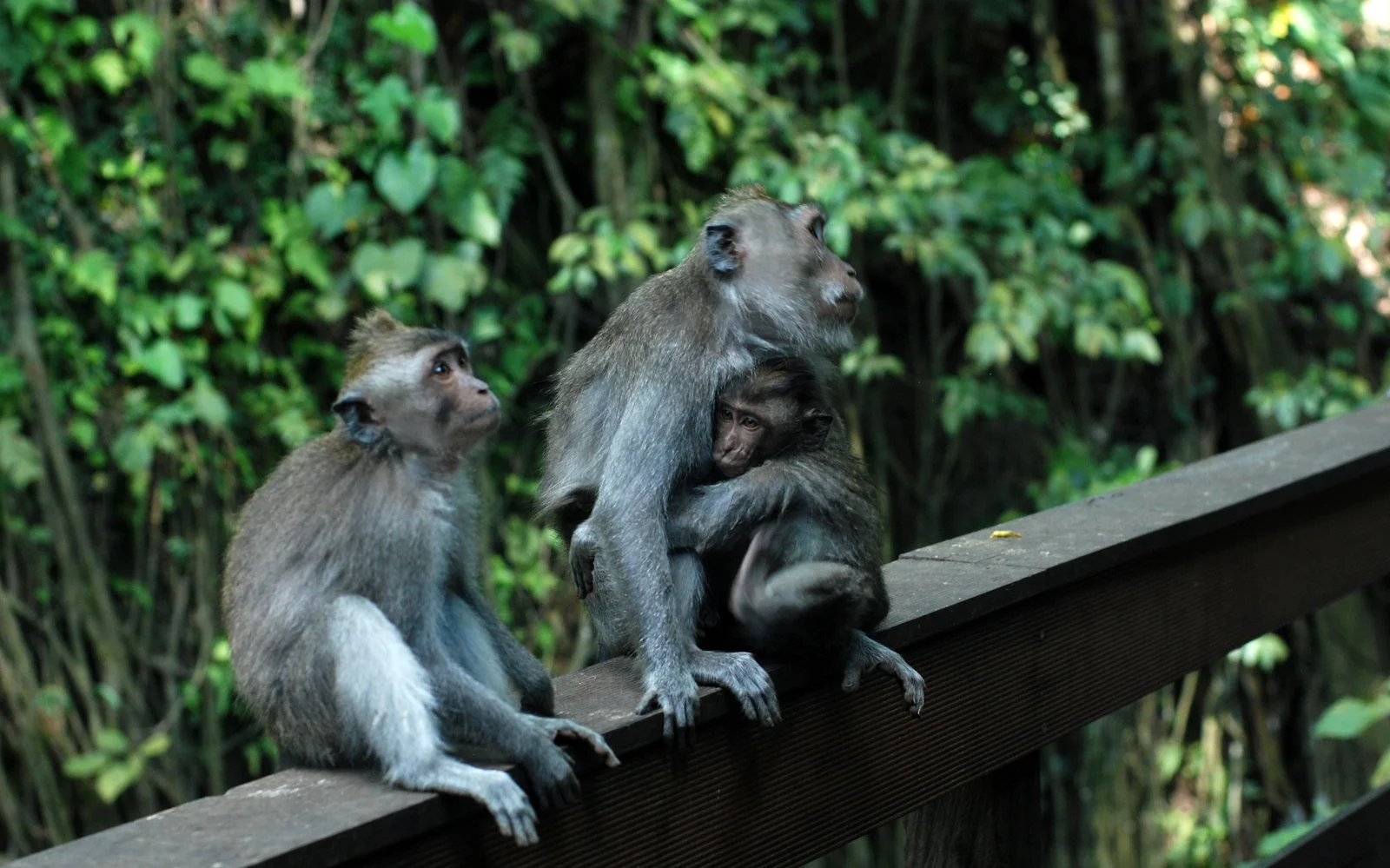
Sacred Monkey Forest Ubud
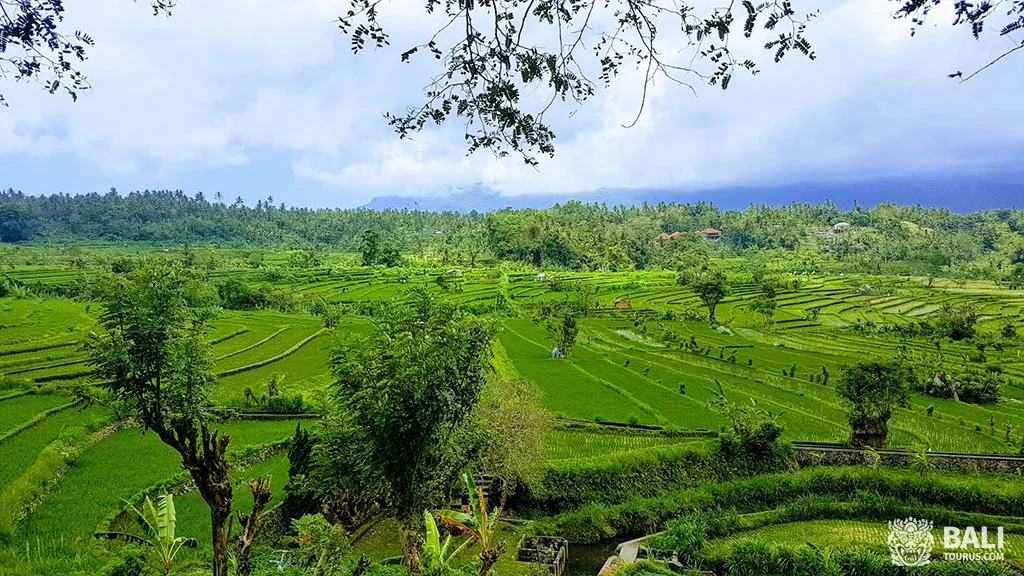
Tegallalang Rice Terraces
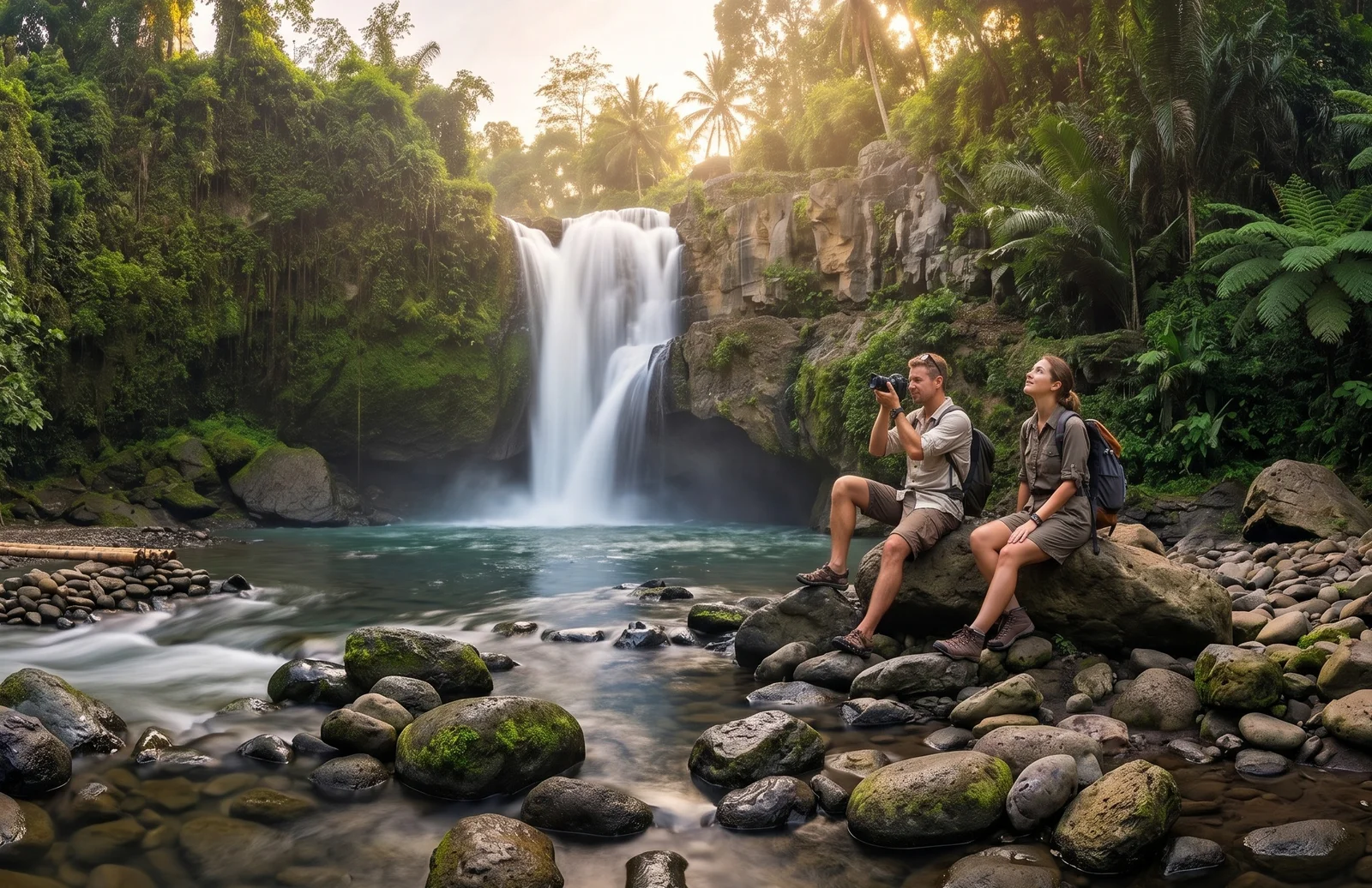
Tegenungan Waterfall
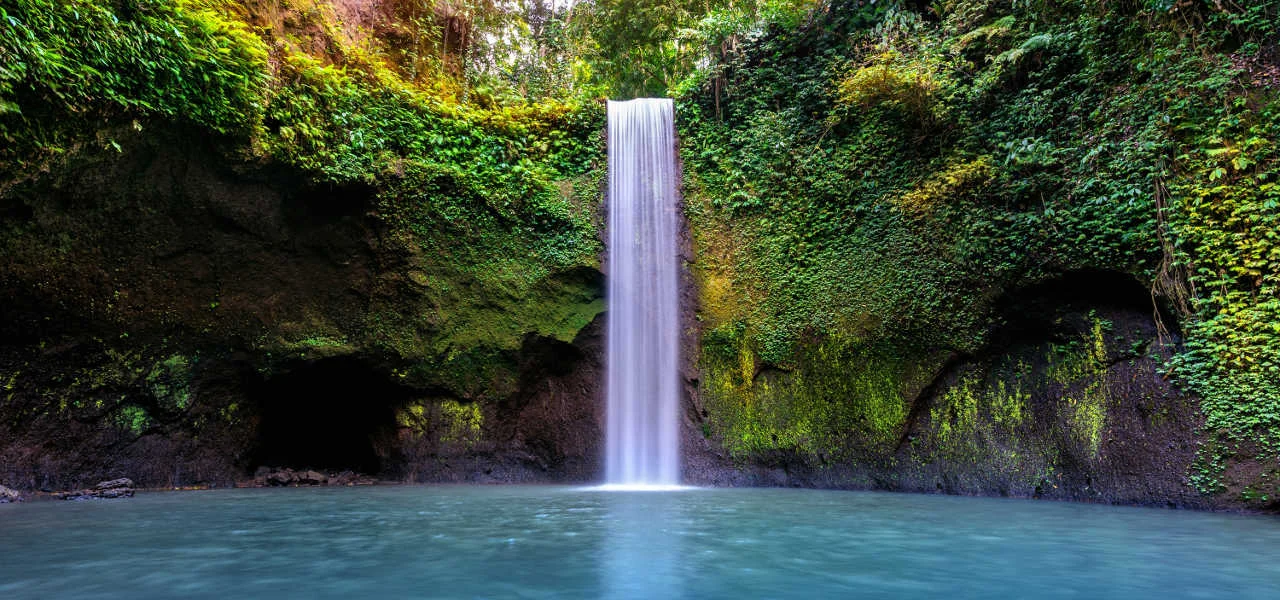
Tibumana Waterfall
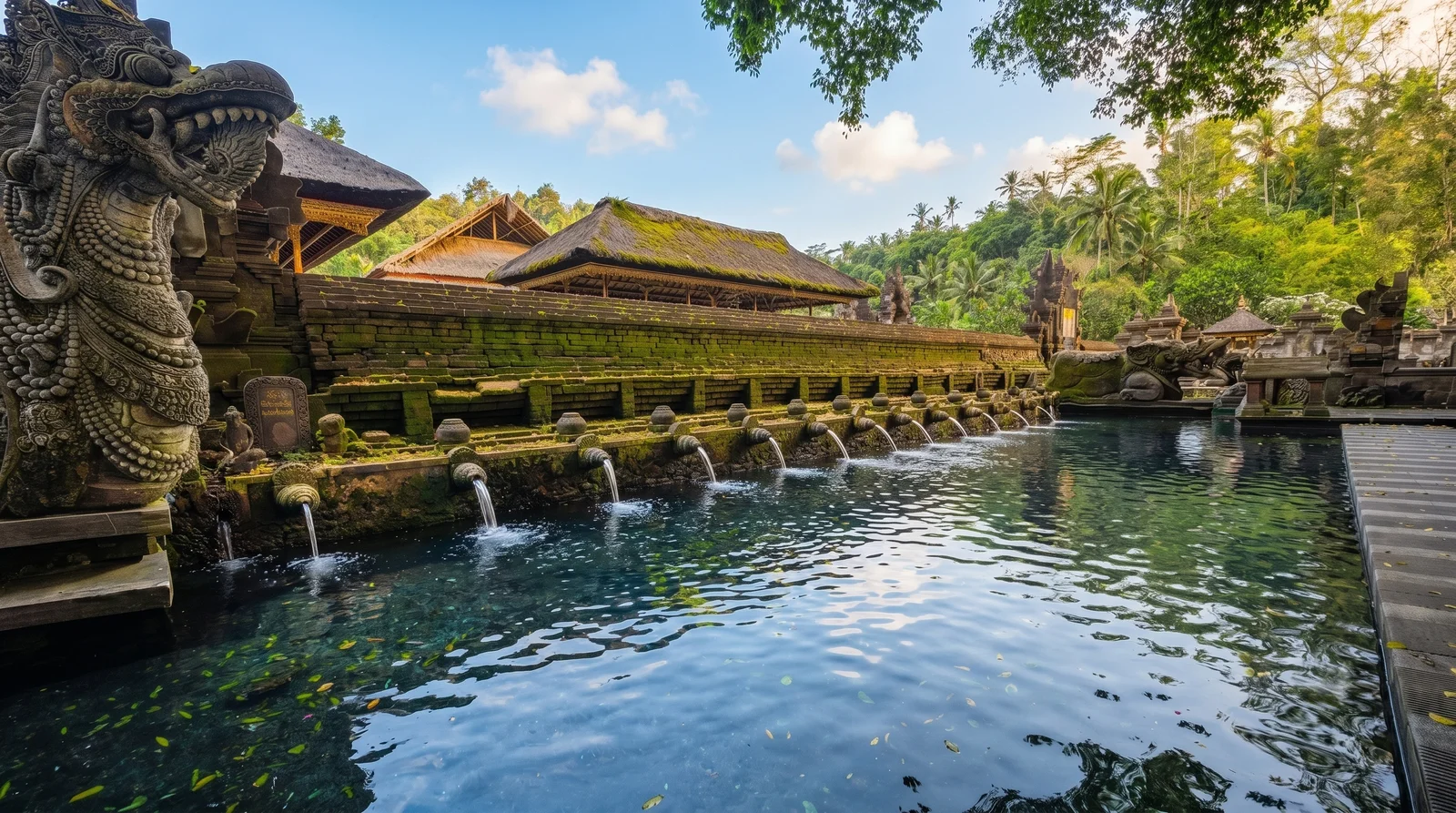
Tirta Empul Temple
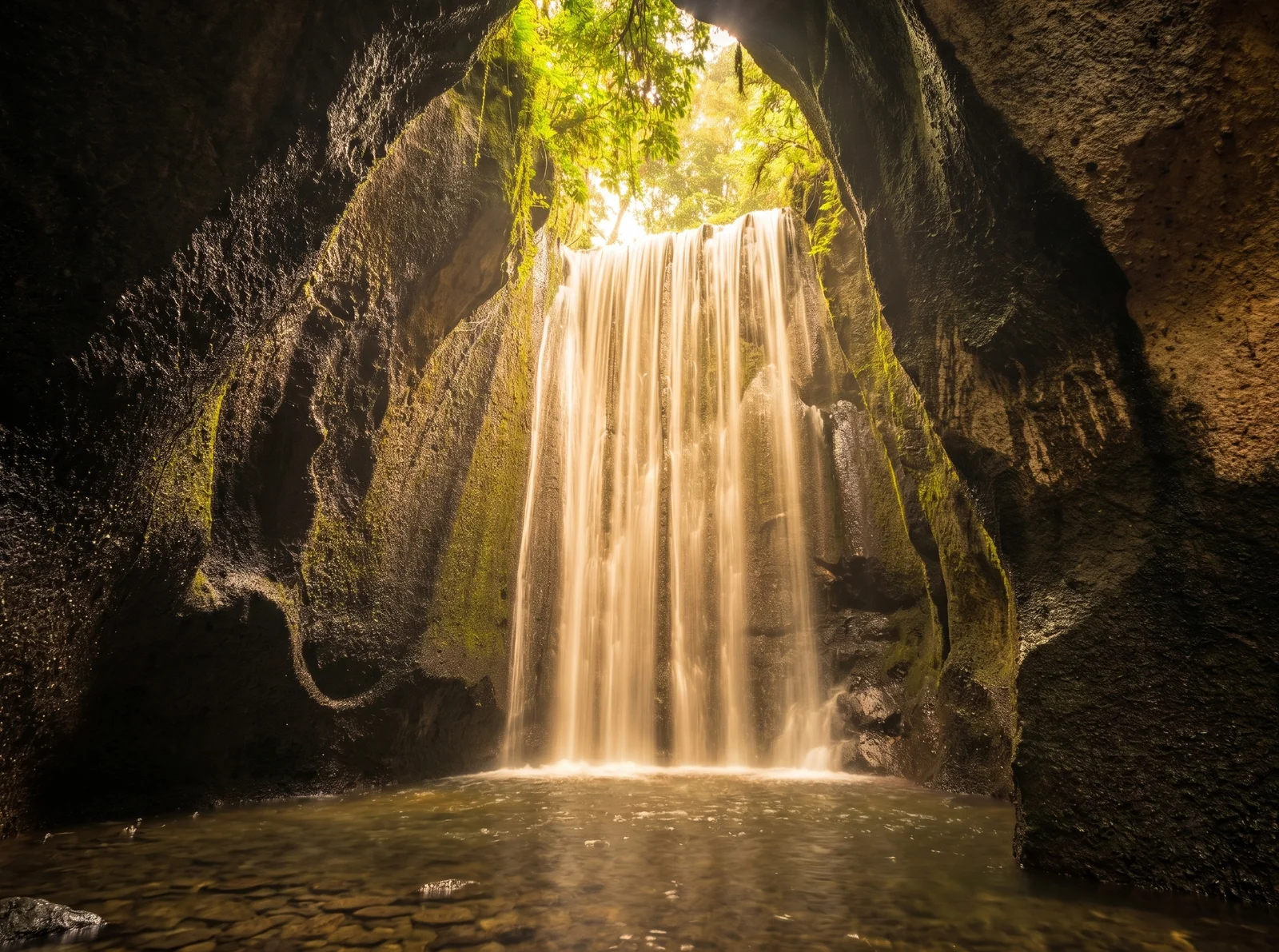
Tukad Cepung Waterfall
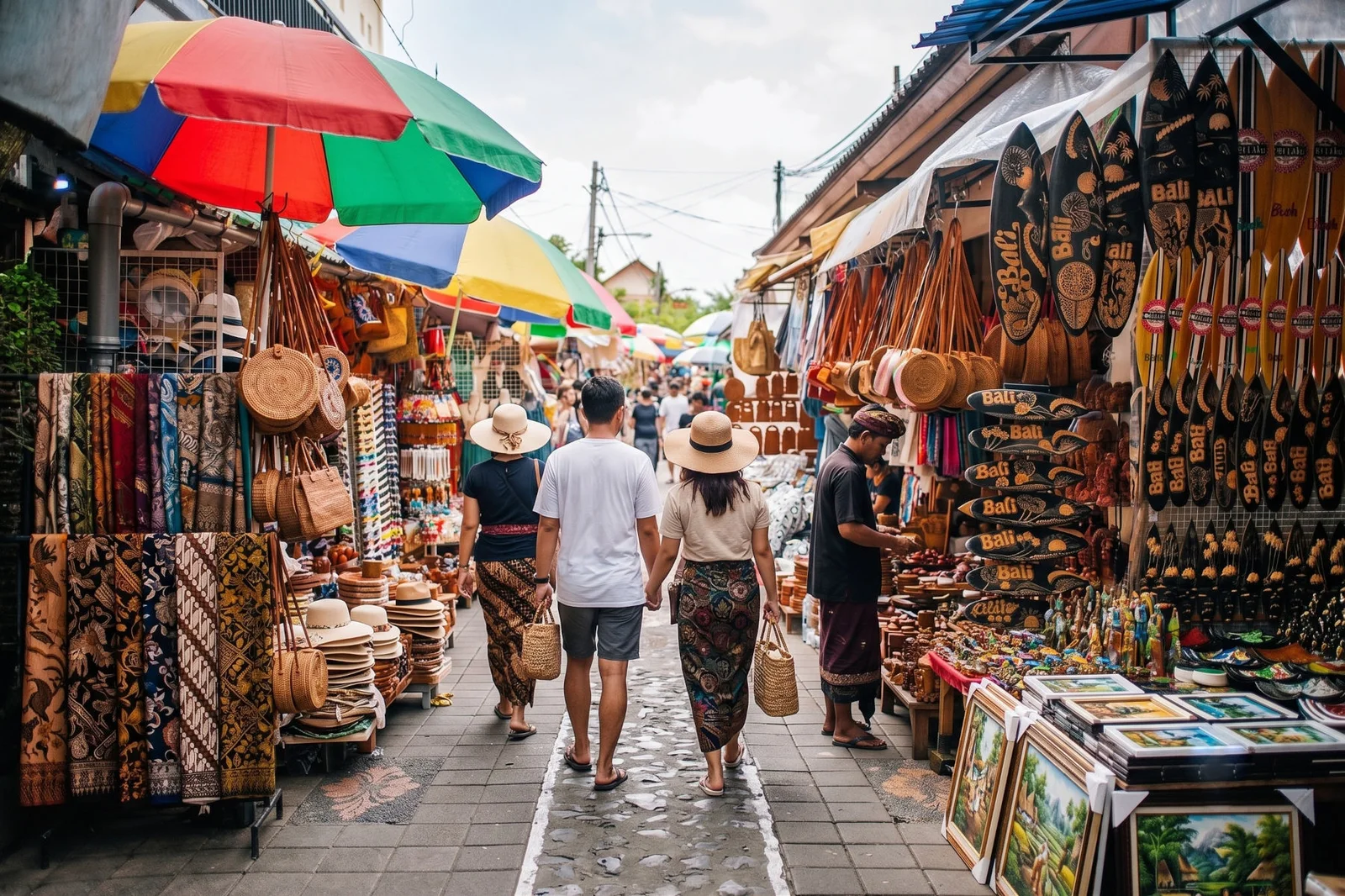
Ubud Art Market (Pasar Seni Ubud)
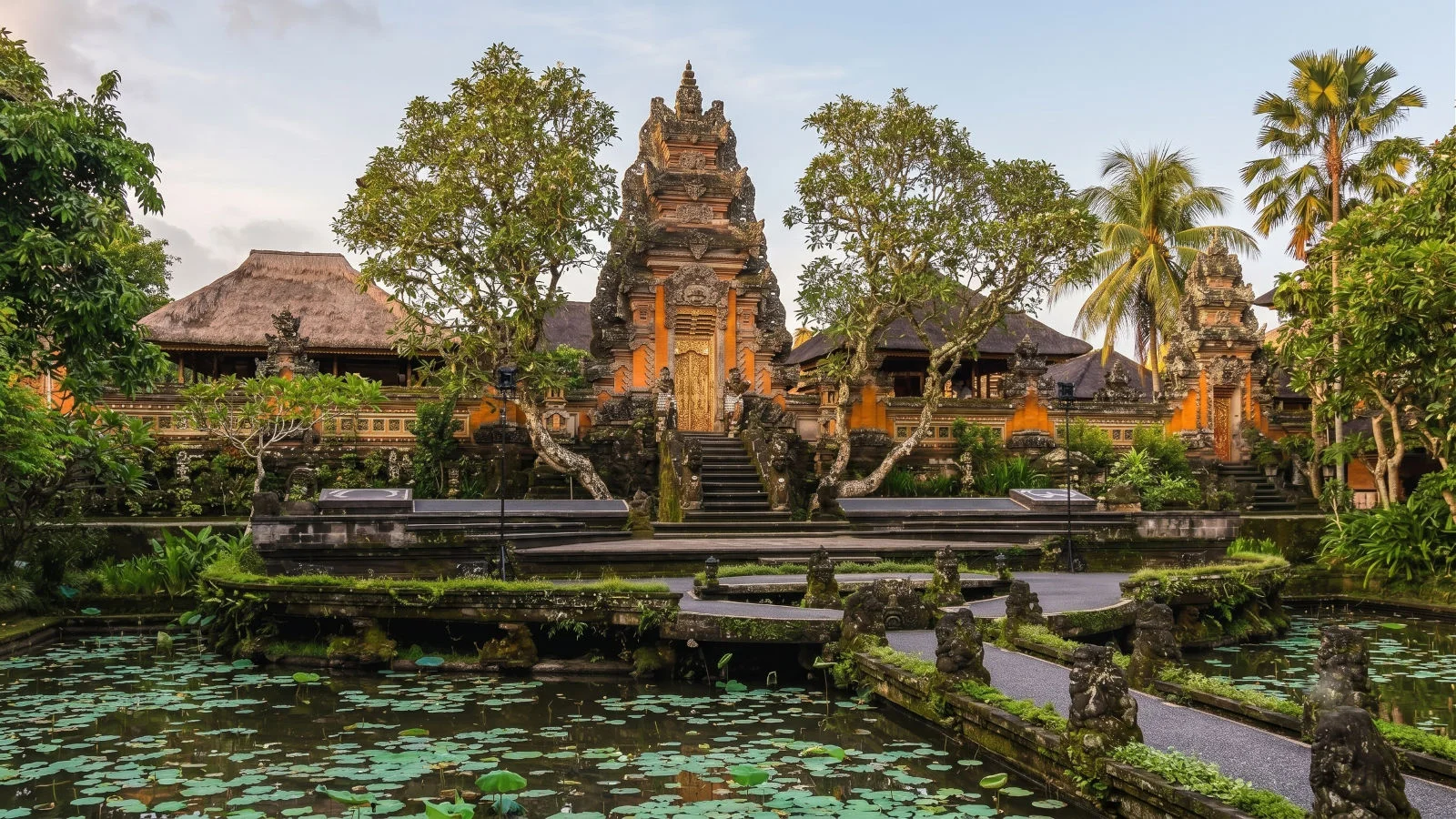
Ubud Palace (Puri Saren Agung)
At a Glance
- Where: central Bali, Gianyar Regency
- What it is: Bali's cultural and craft hub, surrounded by rice terraces and river valleys
- Main highlights: Ubud Palace, Ubud Art Market, Sacred Monkey Forest, art museums, dance performances and Tegallalang
- Time needed: 1 day for the town core, or 2-3 days if you use Ubud as a base for central Bali
- Best timing: early morning for rice terraces and temples, evening for the town center and dance performances
- Getting around: walk in the center; use a car, driver or scooter for terraces, waterfalls and temples outside town
Ubud is not a beach resort. It is Bali's inland cultural heart: a town of workshops, galleries, temple courtyards, rice landscapes and quiet river valleys. It sits in the central part of the island, away from the coast and higher in the landscape, so the atmosphere is greener, slower and more closely tied to everyday Balinese village life.
The name Ubud is commonly linked to the Balinese word ubad, meaning medicine, because the area was associated with medicinal plants and healing herbs. Today that idea survives in a wider sense: visitors come for a gentler rhythm, walks through rice fields, yoga, art, ceremonies and routes into central Bali.
What to See in Ubud Town
A good first stop is the area around Puri Saren Agung, the Ubud Royal Palace. It is not a museum in the European sense; it is a living piece of Balinese architecture, with carved gates, courtyards and pavilions. In the evening, the palace area often becomes a stage for traditional dance performances. Across the road, Ubud Art Market gathers textiles, baskets, wood carving, small crafts and souvenirs.
The founding of the palace and surrounding temples is linked to the Javanese sage Rsi Markandeya, who, guided by a divine vision in the 8th century, buried five precious stones in the region to establish a network of holy sanctuaries (including Besakih and Campuhan). In the early 20th century, the palace served as the residence of the local ruler, Ida Putu Kandel (King Saraswati). A notable historical highlight is Charlie Chaplin's visit in the 1930s, during which he was captivated by Ubud's unique performing arts and architecture. While a section of the palace remains closed to the public as the royal descendants still reside there, the outer courtyards are open to explore.
From the center, you can walk to the Sacred Monkey Forest (Mandala Suci Wenara Wana). It is both a nature reserve and a temple complex in Padangtegal village, with about 12.5 hectares of forest, three sacred temples and more than a thousand Balinese long-tailed macaques. The place is beautiful and atmospheric, but the monkeys live in a semi-wild environment, so secure glasses, bottles, food, jewelry and loose items, and avoid direct eye contact.
For art, make time for Museum Puri Lukisan, ARMA or Neka Art Museum. These museums show Ubud as more than a scenic town: it has long been a center of painting, carving, dance and exchange between Balinese artists and international visitors.
Rice Terraces and Subak
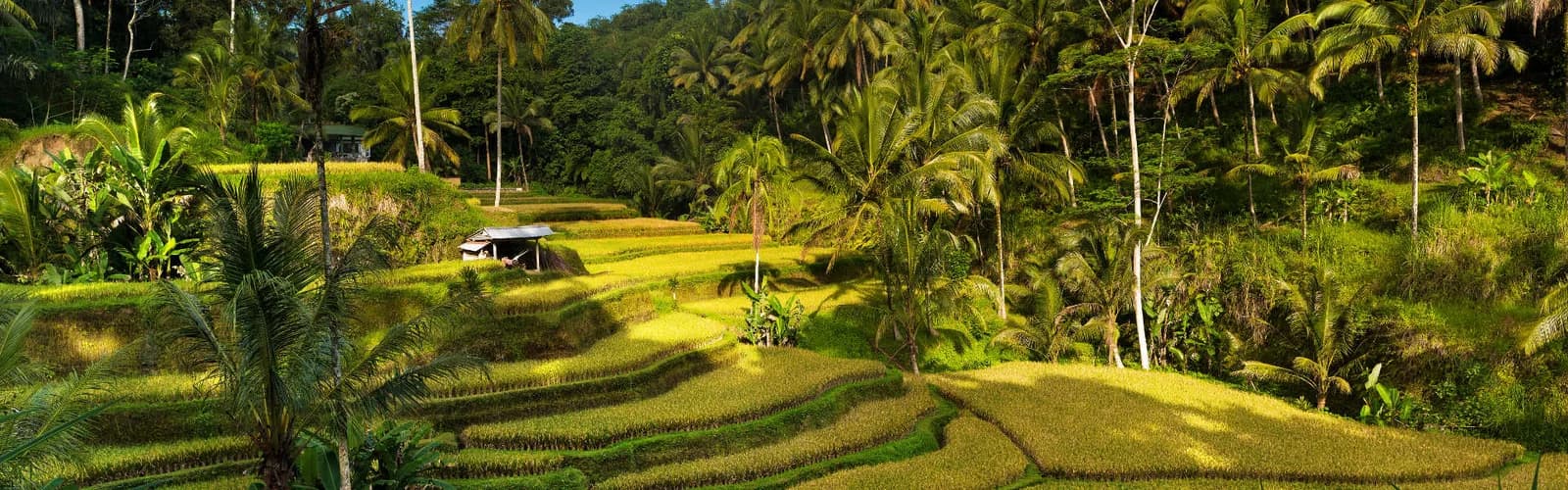
Ubud's surroundings are famous for rice terraces. The most recognizable route is Tegallalang, north of town: narrow cascades of fields, palms, paths between plots and viewpoints over the valley. Come in the morning for softer light, cooler air and fewer tour groups.
Bali's rice fields are connected to subak, the traditional water-management system that links canals, water temples and community decisions. UNESCO lists Bali's cultural landscape with the subak system as a World Heritage property and describes it as a manifestation of Tri Hita Karana, the Balinese philosophy of harmony between people, nature and the divine. Even when a particular terrace near Ubud is outside the UNESCO boundary, understanding subak turns the view from a photo backdrop into a living cultural landscape.
How to Plan Your Route
If you have one day, start early: see Tegallalang or another rice-field route in the morning, then return to the town center for Ubud Palace, the market and the Monkey Forest. In the evening, stay for a dance performance or a relaxed dinner in town.
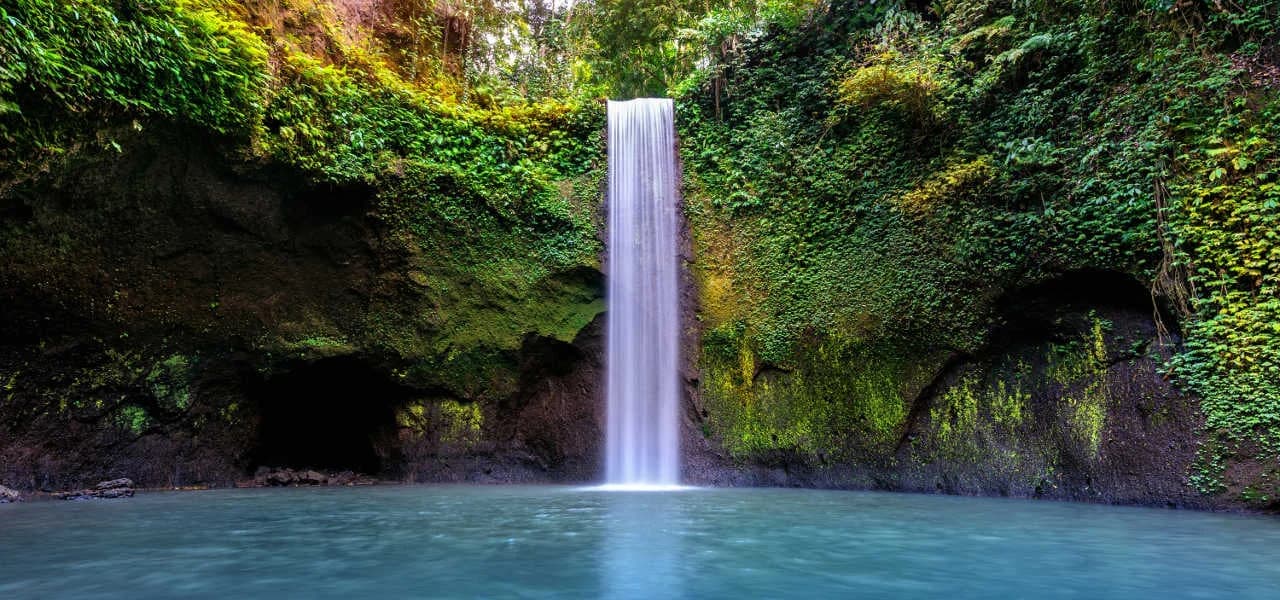
If Ubud is your base for several days, add Tirta Empul, Tegenungan Waterfall, Kanto Lampo Waterfall, Tibumana Waterfall and Gianyar's craft villages. This gives a fuller picture of central Bali than a quick two-hour stop.
Practical Tips
Ubud is compact, but traffic in the center can be heavy. Monkey Forest Road, Jl. Raya Ubud and the market area often move slowly. Walking is usually best for the town core, while a private driver, taxi or confident scooter ride is more practical for outlying sights.
For temples and sacred areas, dress respectfully: covered shoulders, a sarong where required and calm behavior during ceremonies. For rice terraces, wear shoes that can handle mud, especially after rain.
Who Will Enjoy Ubud
Ubud works especially well for first-time visitors who want to understand Balinese culture, for couples and families who want nature without very long drives, and for travelers who prefer temples, crafts, walks and landscapes to a beach schedule. If your main goal is surfing and ocean time, stay in the south and visit Ubud as a separate day trip or overnight route.
Frequently asked questions
Excursions visiting Ubud
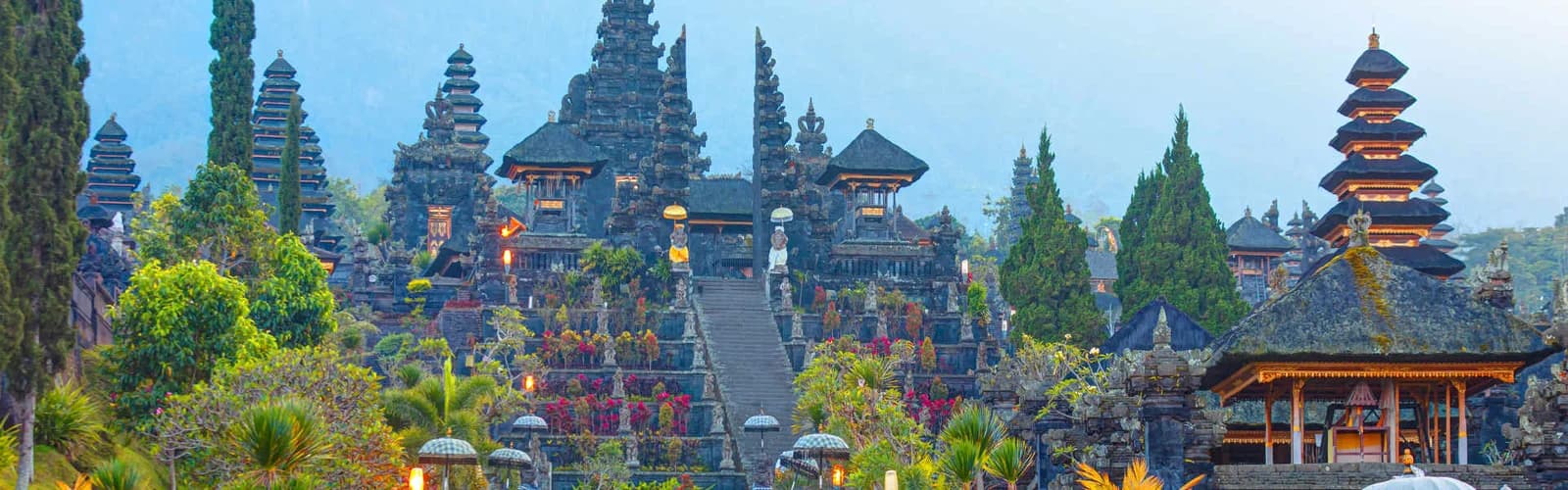
Kintamani & Besakih
Private Tour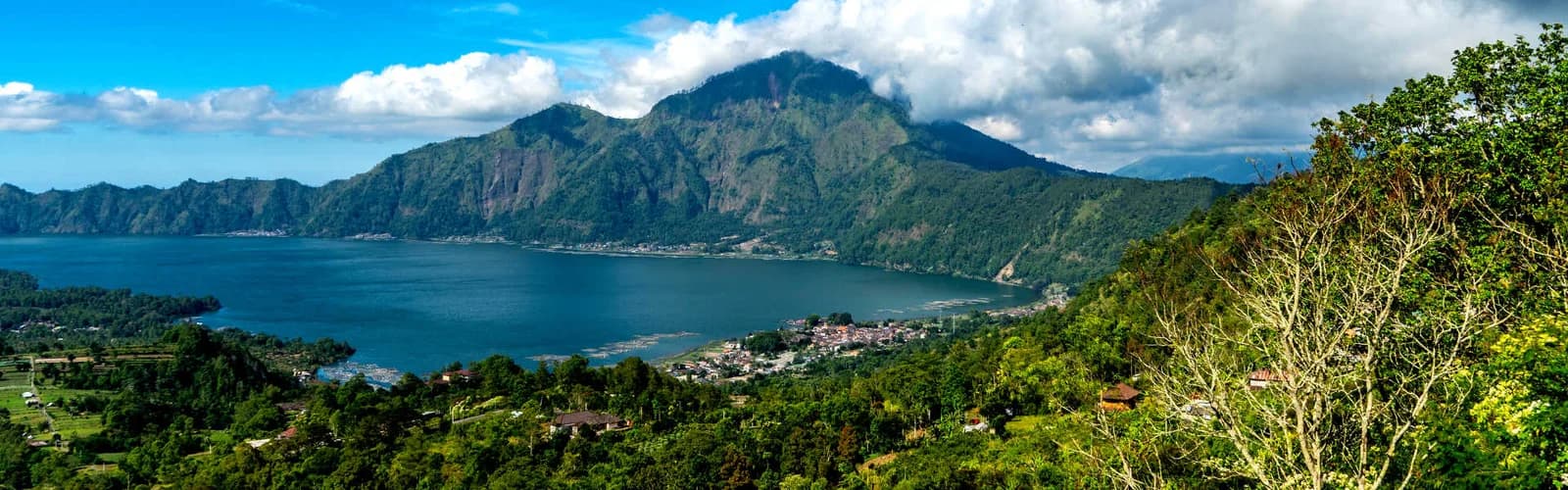



Rafting on Bakas River
Dynamic Descent