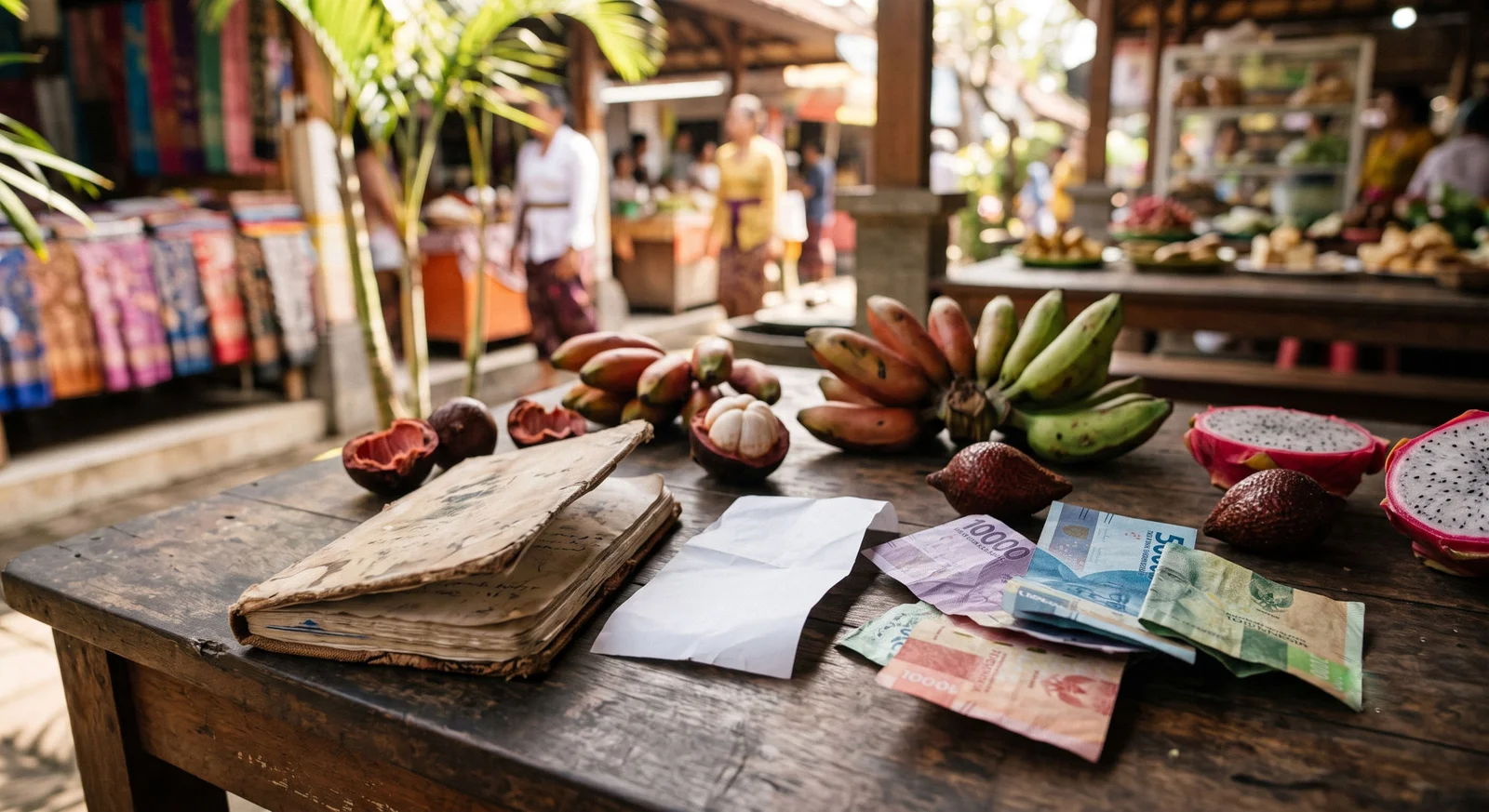
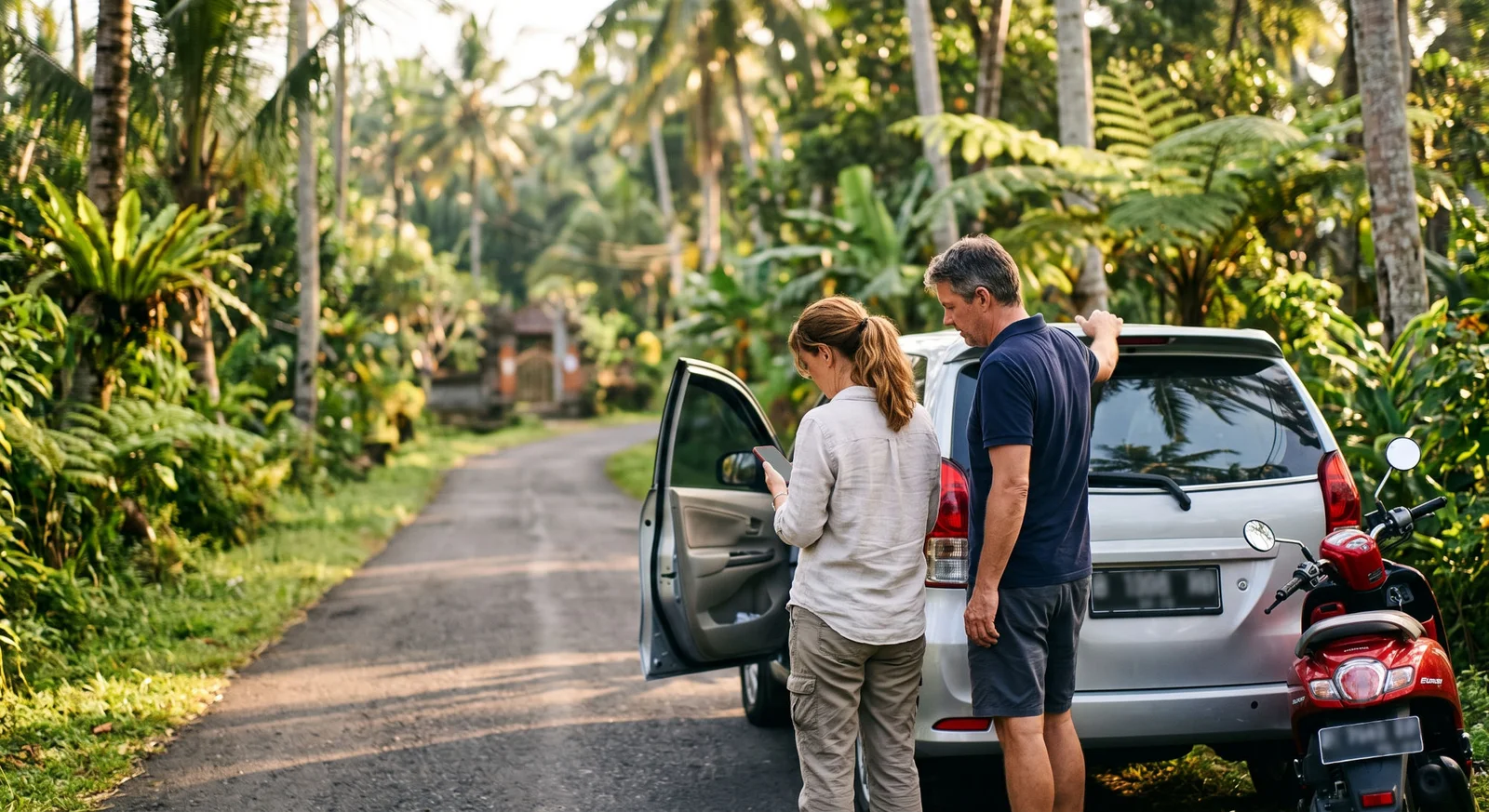


Bali prices depend on season, area, exchange rate, accommodation level, and whether you travel like a short-stay tourist or live more slowly for a month. The useful way to think about a Bali trip cost is not one magic number, but a basket: flights, accommodation, food, transport, tours, insurance, connectivity, visa-related costs, and emergency buffer.
Below are 2026 annual planning ranges, not month-specific prices. Amounts are shown in Indonesian rupiah with a rough USD equivalent for easier planning: 1 USD ≈ 16,000 IDR. Use the live exchange rate before payment, especially if you are converting from a third currency.
Which Bali prices should you plan first?
The main Bali expenses are flights, accommodation, food, transport, tours, insurance, connectivity, visa-related payments, and the official tourist levy. Bali can be budget-friendly or expensive depending on whether you eat in local warungs, stay in Canggu villas, or book a resort in Nusa Dua.
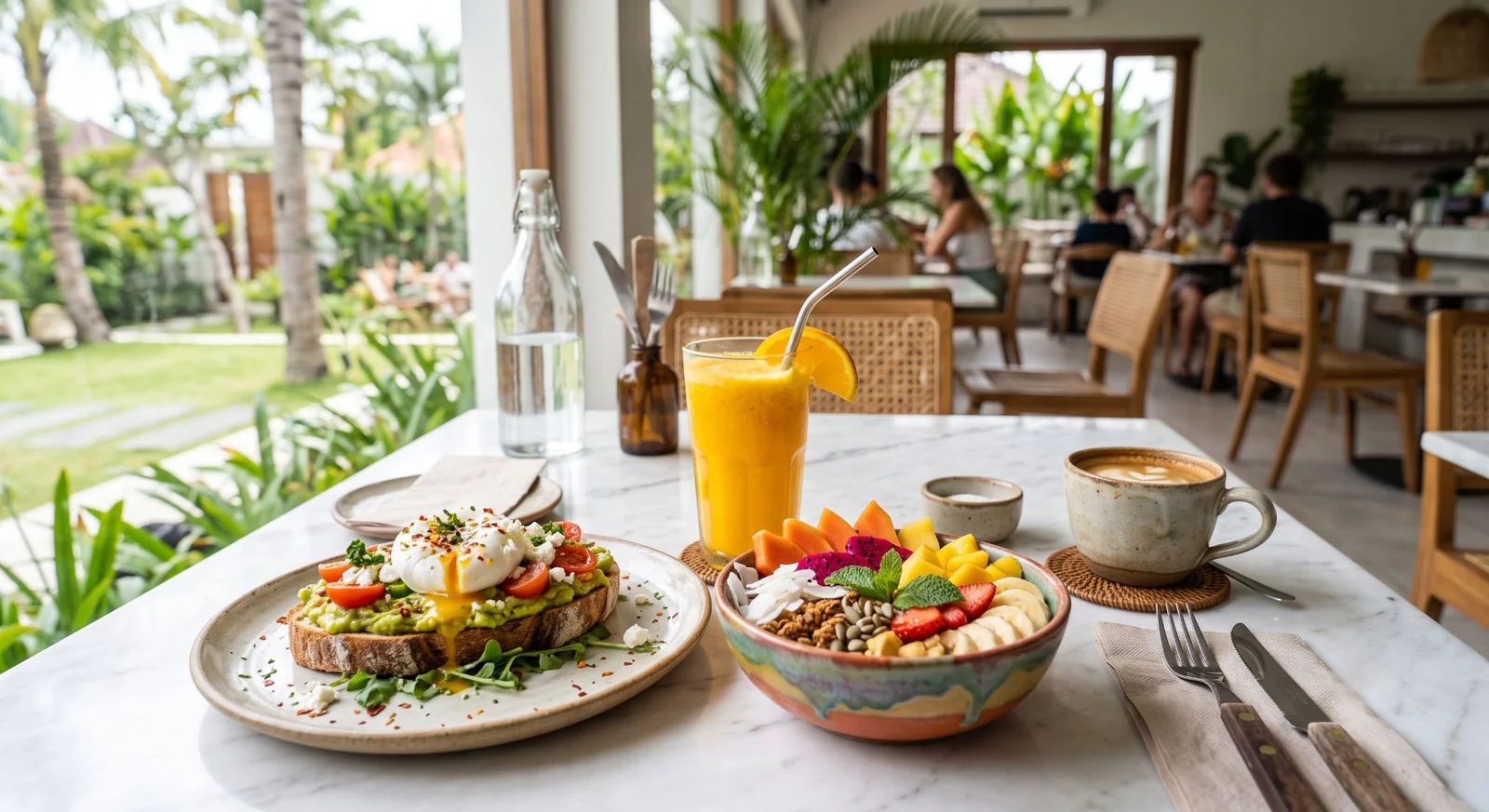
Budget structure:
- Flights: usually the largest pre-trip expense.
- Accommodation: depends heavily on area and season.
- Food: warungs, cafes, restaurants, and delivery vary widely.
- Transport: driver, taxis, scooter, transfers, parking.
- Tours: group, private, tickets, boats, guides.
- Documents: visa, extension if needed, tourist levy.
- Buffer: medical needs, flight changes, weather, spontaneous trips.
Bali price ranges in 2026
For 2026 planning, ranges are more useful than one average price. The same breakfast, transfer, or room can cost very differently in Kuta, Sanur, Canggu, Ubud, or Nusa Dua; season, view, taxes, delivery fees, and service charges all change the final bill.
| Category | Budget | Comfortable | Above average |
|---|---|---|---|
| Simple warung meal | 25k–60k IDR / $2-4 | 60k–120k IDR / $4-8 | 120k+ IDR / $8+ |
| Cafe breakfast/lunch | 70k–120k IDR / $4-8 | 120k–220k IDR / $8-14 | 220k+ IDR / $14+ |
| Coffee | 25k–45k IDR / $2-3 | 45k–70k IDR / $3-4 | 70k+ IDR / $4+ |
| Restaurant dinner per person | 150k–250k IDR / $9-16 | 250k–500k IDR / $16-31 | 500k+ IDR / $31+ |
| Simple guesthouse per night | 250k–600k IDR / $16-38 | 600k – 1.2m IDR / $38-75 | 1.2m+ IDR / $75+ |
| Mid-range hotel or villa per night | 900k – 1.8m IDR / $56-113 | 1.8–4m IDR / $113-250 | 4m+ IDR / $250+ |
| Taxi/ride-hailing within one area | 40k–100k IDR / $3-6 | 100k–250k IDR / $6-16 | 250k+ IDR / $16+ |
| Car with driver for a day | 650k–900k IDR / $41-56 | 900k – 1.4m IDR / $56-88 | 1.4m+ IDR / $88+ |
| Scooter rental per day | 80k–150k IDR / $5-9 | 150k–250k IDR / $9-16 | 250k+ IDR / $16+ |
| Mobile data/eSIM | 100k–250k IDR / $6-16 | 250k–500k IDR / $16-31 | 500k+ IDR / $31+ |
| Temples, waterfalls, beach entries | 20k–75k IDR / $1-5 | 75k–150k IDR / $5-9 | 150k+ IDR / $9+ |
| Spa/massage | 150k–300k IDR / $9-19 | 300k–800k IDR / $19-50 | 800k+ IDR / $50+ |
Budget separately for official payments: the Bali tourist levy is 150k IDR per foreign visitor, and e-VOA/visa on arrival for eligible nationals is a separate entry cost. Check Love Bali and Indonesian Immigration before payment because rules and payment-provider fees can change.
How much does Bali cost for one week, 10 days, or two weeks?
Bali trip cost does not rise evenly by day because flights and some documents are fixed, while accommodation, food, and transport are daily. A one-week trip can feel more expensive per day than 10-14 days, but a longer stay often adds more activities and island trips.
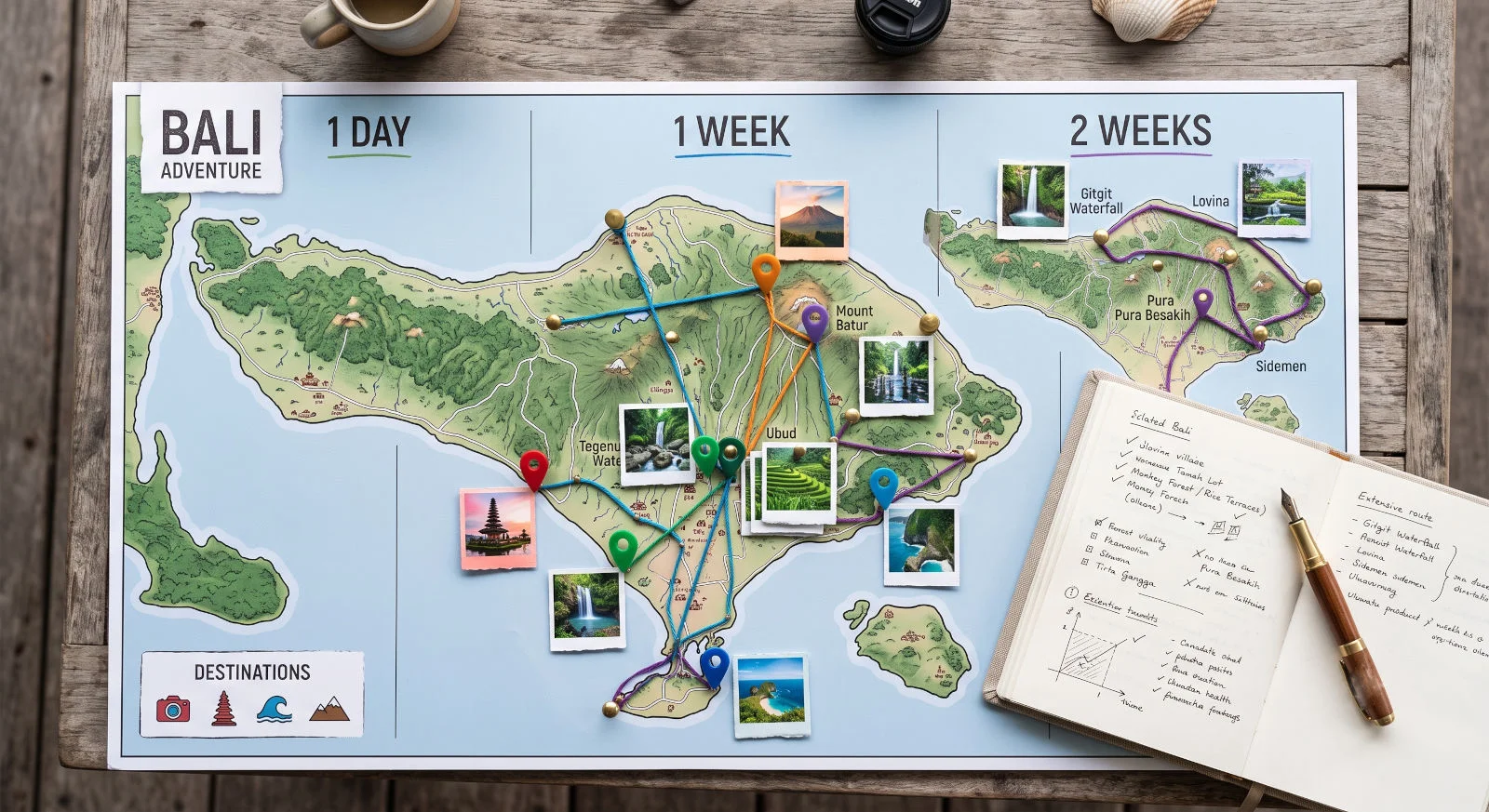
Split the budget into:
- fixed costs: flights, insurance, visa or levy-related payments, some transfers;
- daily costs: accommodation, food, transport, activities;
- variable costs: tours, spa, shopping, islands, diving, unexpected changes.
For couples, some costs are shared: car with driver, transfers, villa, certain tours. Flights, insurance, visa-related payments, entrance tickets, and meals are per person.
How much money should you bring to Bali: budget scenarios
For a short holiday, it is easier to calculate both daily spend and the whole trip without international flights. The ranges below are per adult, assuming two people share a room or villa and split some transport costs.
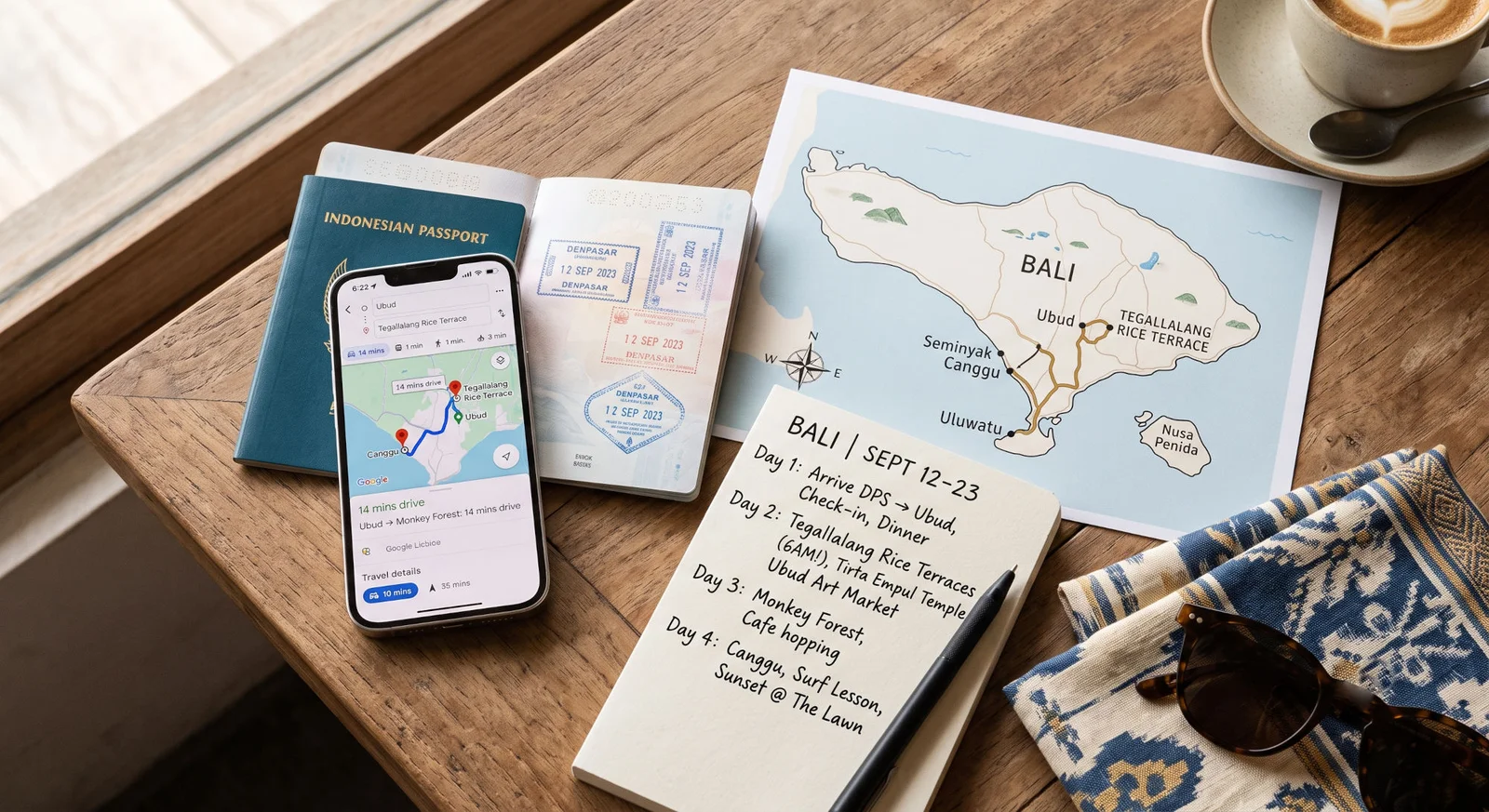
| Scenario | Per person per day | 7 days | 10 days | 14 days |
|---|---|---|---|---|
| Budget: warungs, simple stays, few long transfers | 650k – 1.2m IDR / $40-75 | 4.5-8.4m IDR / $280-525 | 6.5-12m IDR / $405-750 | 9.1-16.8m IDR / $570-1,050 |
| Comfortable: cafes, decent hotel, 2-4 route days | 1.2–2.4m IDR / $75-150 | 8.4-16.8m IDR / $525-1,050 | 12-24m IDR / $750-1,500 | 16.8-33.6m IDR / $1,050-2,100 |
| Above average: better hotels, restaurants, driver, islands/activities | 2.4–5m IDR / $150-313 | 16.8-35m IDR / $1,050-2,188 | 24-50m IDR / $1,500-3,125 | 33.6-70m IDR / $2,100-4,375 |
These ranges exclude international flights, major shopping, medical costs, high-end villas, premium beach clubs, and multi-day tours outside Bali. For families with children, calculate accommodation, meals, and tickets separately: some transport is shared, but food, entrances, insurance, and activities rise with the number of travelers.
Food prices in Bali: where is it cheap and where is it expensive?
Food in Bali can be inexpensive if you eat in local warungs, and much higher if most meals are in Canggu, Seminyak, Ubud, or Nusa Dua restaurants. The difference is less about Bali as a whole and more about venue type and area.
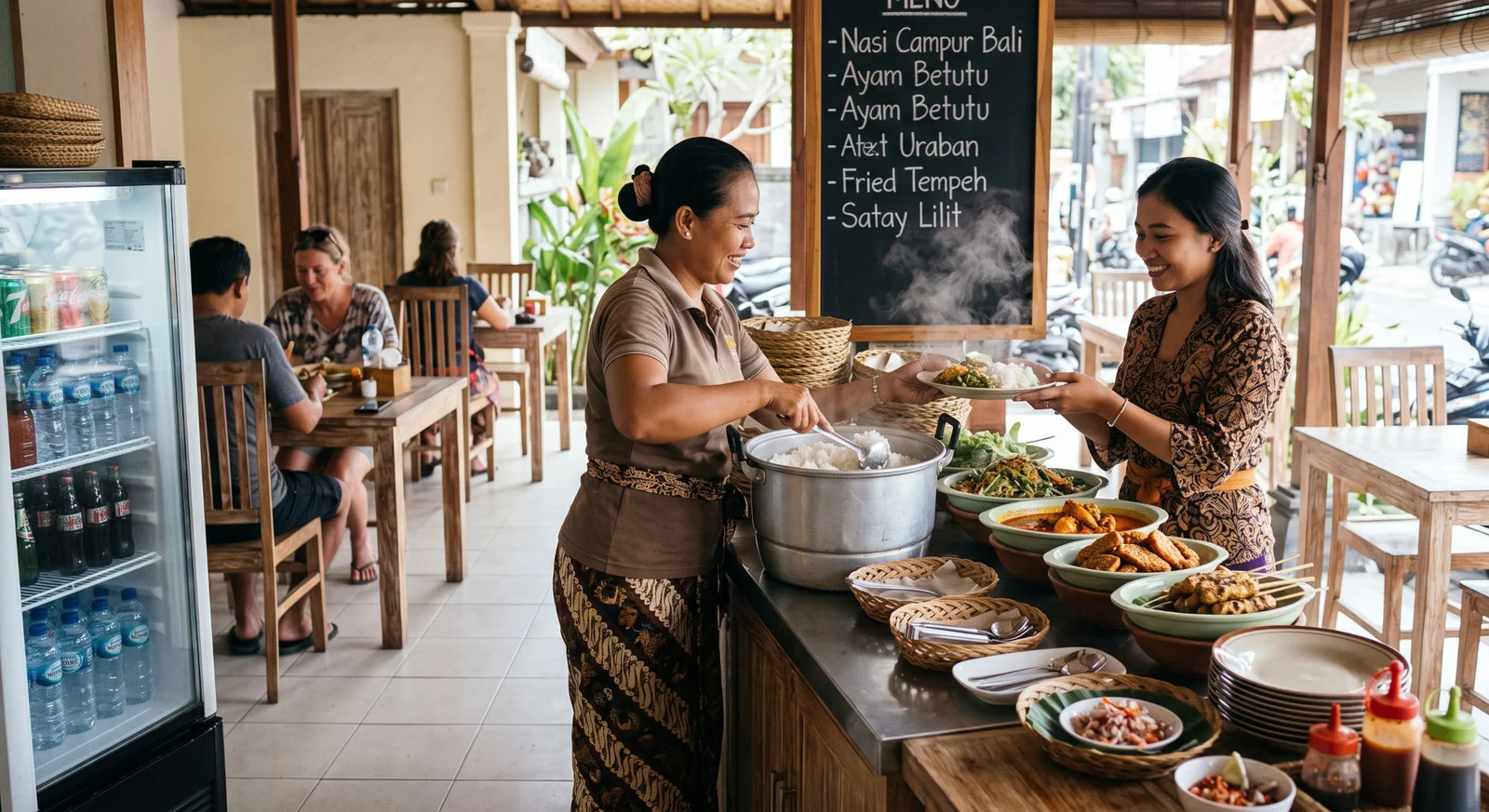
Typical levels:
- Warungs: usually 25k–60k IDR for a simple local dish in a no-frills place.
- Cafes: often 70k–220k IDR for breakfast or lunch with coffee or a drink.
- Restaurants: dinner often starts around 150k–250k IDR per person and climbs quickly with tax and service charges.
- Delivery: convenient, but delivery fees and small add-ons can quietly inflate the daily budget.
- Hotels: usually the most expensive food setting.
Nusa Dua and hotel areas are generally pricier. Ubud and Canggu have huge range: you can eat simply or spend at big-city levels.
Accommodation in Bali: why does the area change the budget?
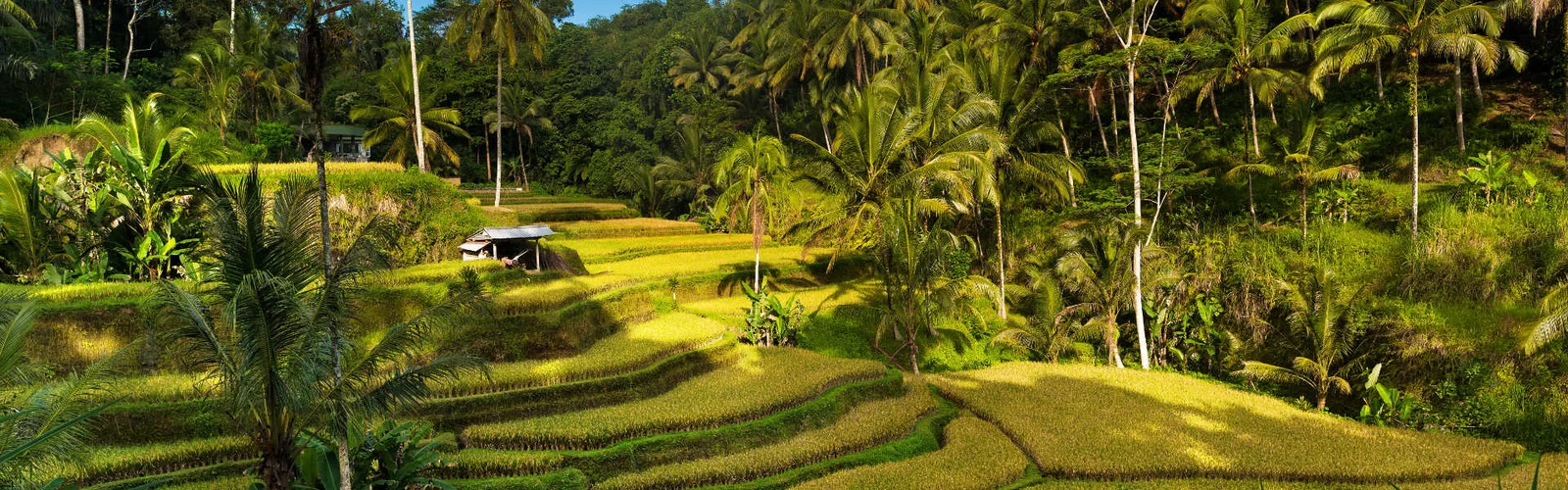
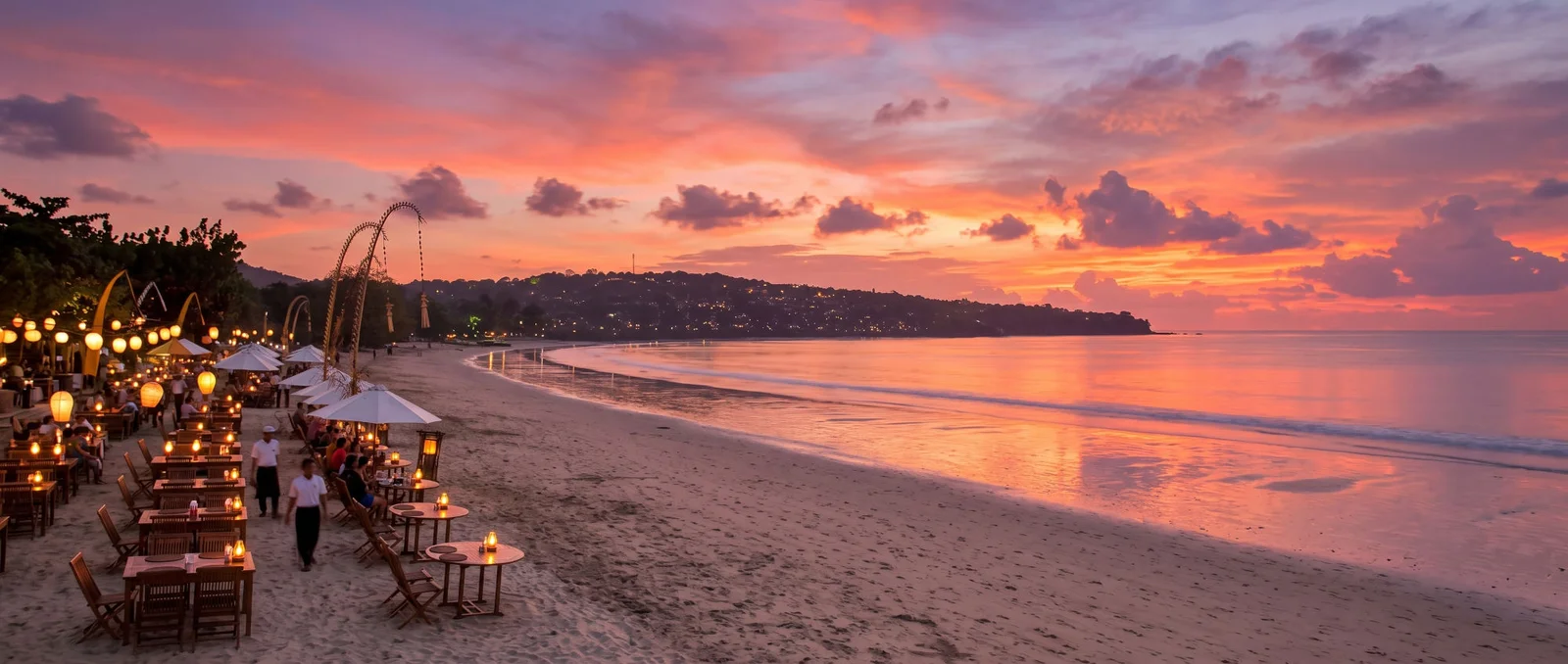
Accommodation is the biggest daily cost after flights, and area choice can change the budget more than hotel category. Nusa Dua, Seminyak, Canggu, and Uluwatu often become more expensive in peak periods; Sanur and Jimbaran can feel calmer; Ubud ranges from simple guesthouses to high-end villas.
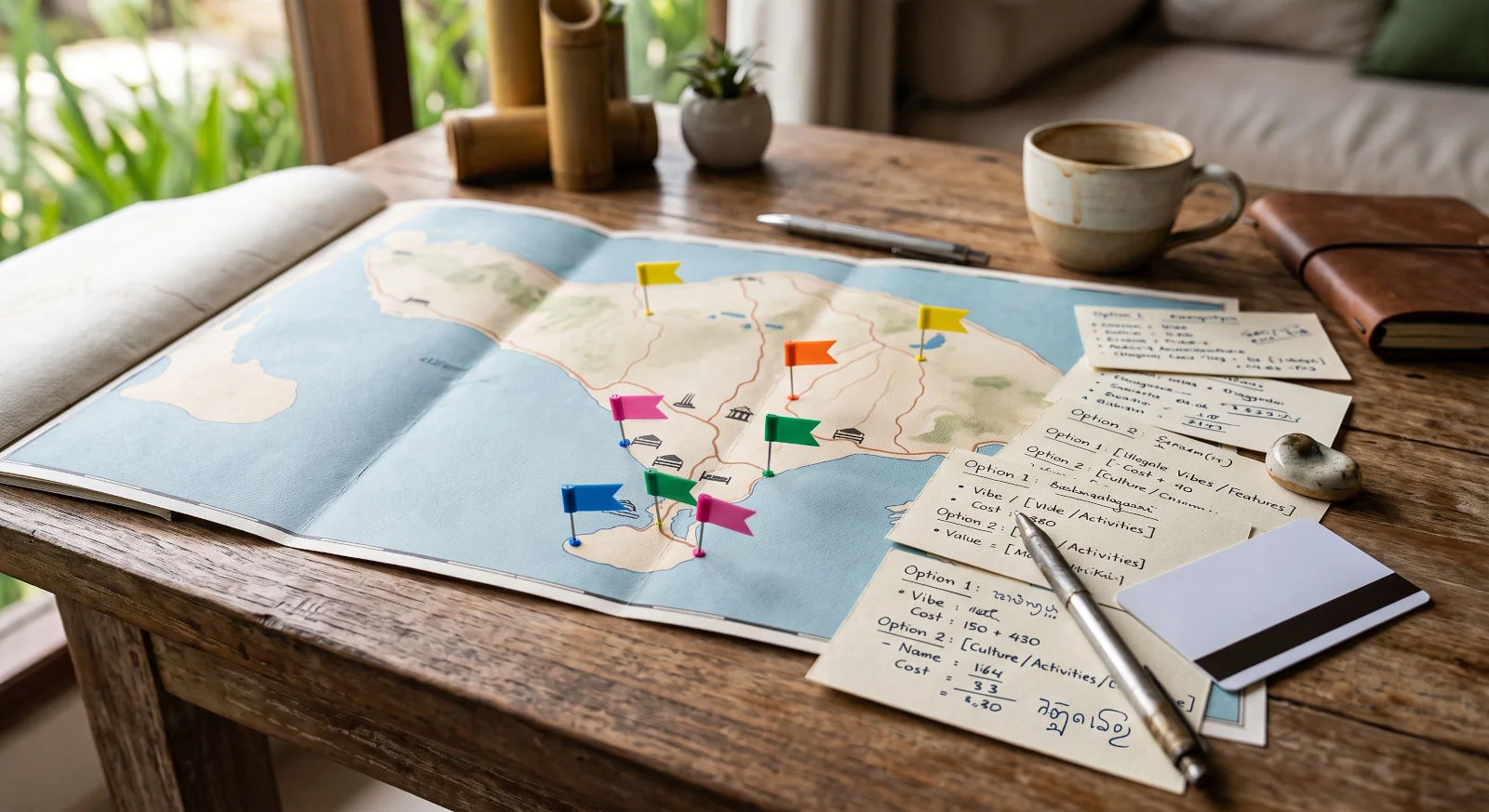
What changes the price:
- season and holidays;
- distance to the beach;
- pool and property grounds;
- recent renovation;
- kitchen access;
- traffic and practical location;
- cleanliness and noise reviews.
Do not choose only by nightly price. A cheaper stay far from your real route can cost more in taxis, time, and fatigue.
Transport and tours: where do travelers overspend in Bali?
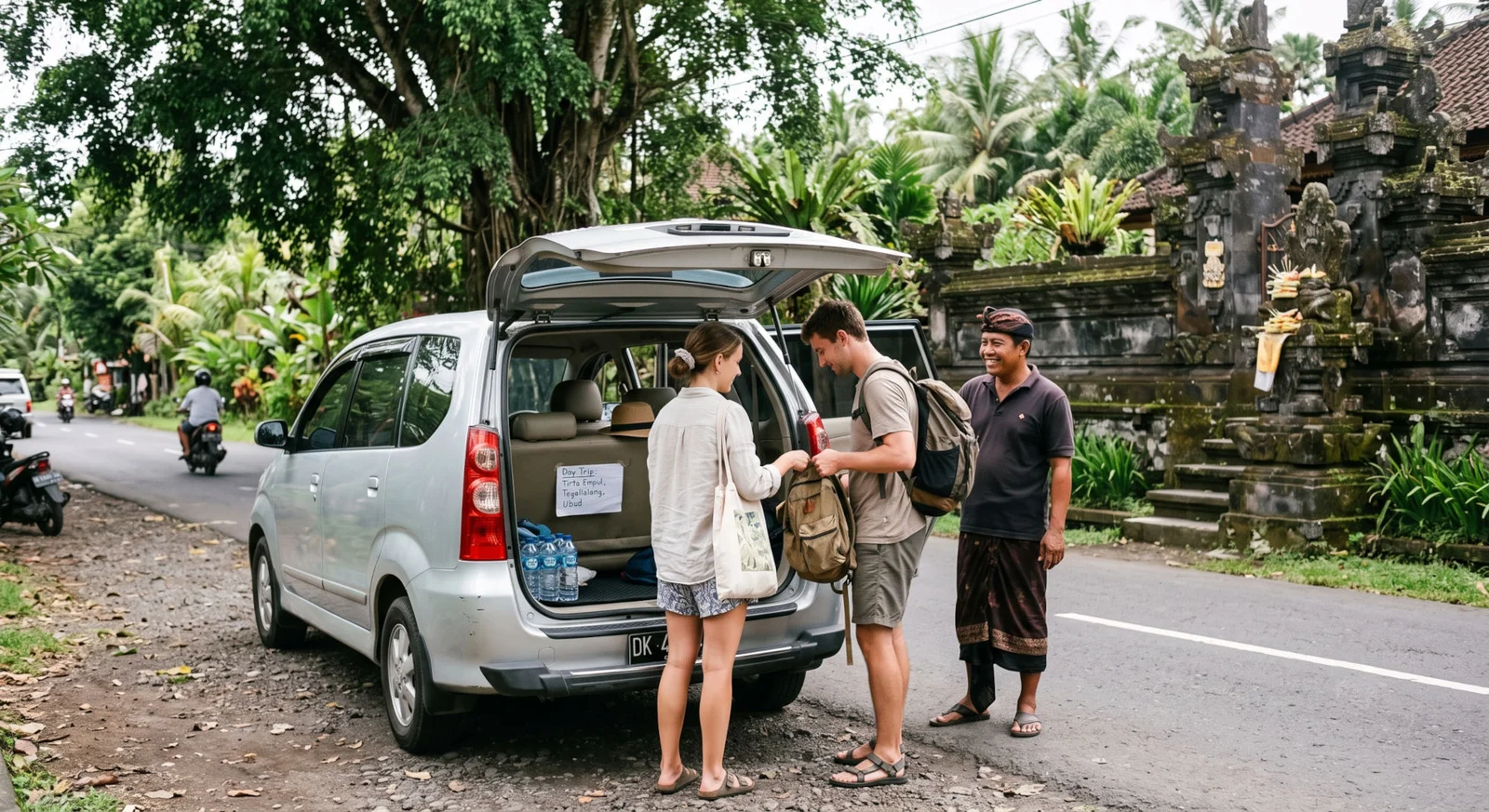
Transport is often underestimated in Bali. Distances look short on the map, but narrow roads and traffic make daily taxi-hopping expensive and tiring. For route-heavy days, a car with driver is often calmer and more efficient.
Common overspending points:
- staying in the wrong area and crossing the island daily;
- using separate taxis between many stops;
- booking cheaper accommodation far from the beach and cafes;
- going to Nusa Penida without understanding boats and transfers;
- booking tours without checking what is included.
For waterfalls, Ubud, Uluwatu, Bedugul, and East Bali, check what is included: car, guide, tickets, parking, boats, meals, and insurance conditions.
How much money should you bring to Bali, and which currency works best?
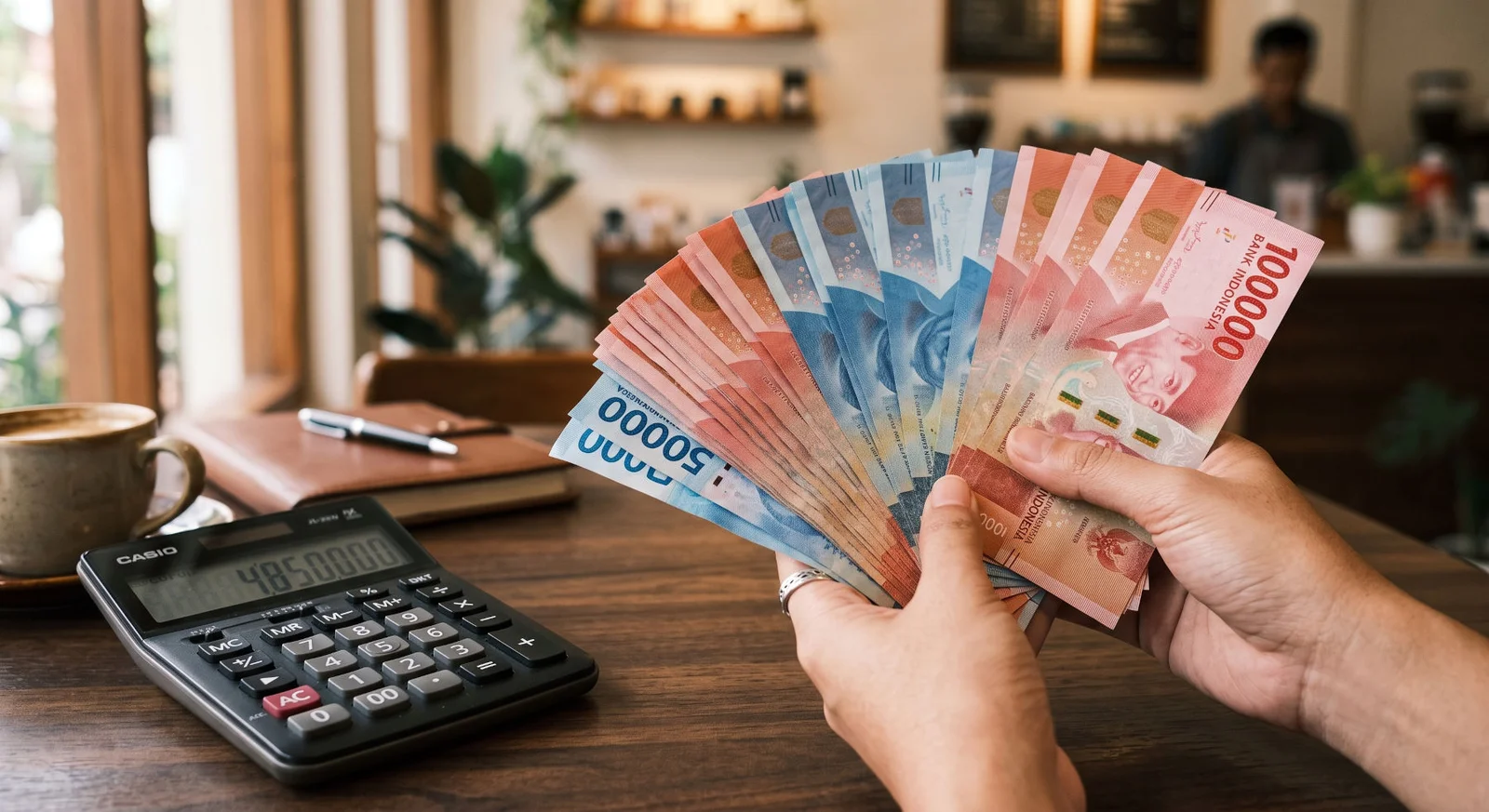
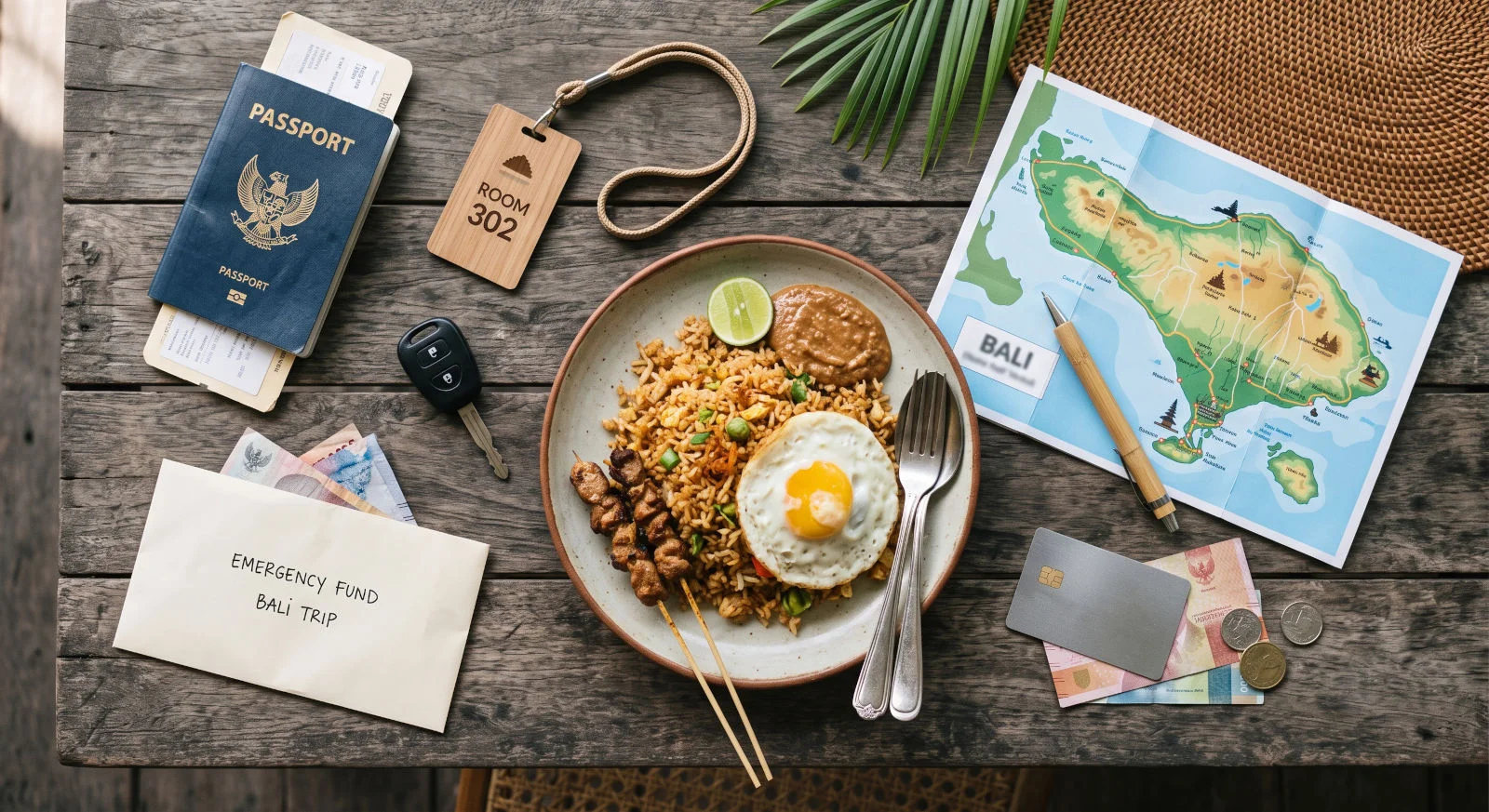
In Bali, use a mix of cards and cash. Cards are practical in hotels, larger cafes, and shops, while cash is needed for small warungs, parking, markets, entrance points, tips, local transport, and places where terminals fail.
Practical approach:
- keep the main amount on cards;
- withdraw cash in smaller portions from bank ATMs;
- avoid exchange booths with suspiciously good rates;
- bring a backup card;
- do not carry all cash at once;
- check tourist levy, visa, and arrival-card rules on official sites before departure.
Indonesia uses the Indonesian rupiah, and Bank Indonesia publishes official currency information. Visa procedures should be checked through Indonesian Immigration, while the Bali tourist levy is handled through the official Love Bali system or connected partners.
How can you reduce Bali costs without lowering trip quality?
The best way to save money in Bali is not bargaining over every small item. It is better logistics: the right area, fewer cross-island transfers, accommodation with the infrastructure you actually need, and a clear plan for tour days.
What helps:
- stay close to your main trip scenario;
- group places by region;
- avoid crossing the island every day;
- alternate restaurants with simple warungs;
- plan long routes in advance;
- keep free days without paid activities;
- check tour and transfer inclusions.
Bali is not automatically cheap or expensive. It becomes what you build: area, season, food style, transport, and travel pace matter more than the old myth of “cheap Asia.”