





There is no single best area in Bali: Nusa Dua is easier for resorts, Sanur is calmer, Ubud is cultural, Canggu is cafe-and-surf focused, and Uluwatu is built around cliffs and Bukit beaches.
Where you stay in Bali shapes the whole trip. The island looks compact, but traffic is slow, roads are narrow, and the mood changes sharply between Nusa Dua, Sanur, Ubud, Canggu, Seminyak, Kuta, Jimbaran, and Uluwatu. Choosing the right area before booking is much easier than trying to fix the route later.
This guide compares the best Bali areas for beach holidays, families, first visits, excursions, nightlife, surfing, and longer stays. There is no single best area: Nusa Dua is easier for resorts, Sanur is calmer, Ubud is cultural, Canggu is cafe-and-surf focused, and Uluwatu is built around cliffs and Bukit beaches.
Which Bali area is best for a first trip?

For a first trip, choose the area by your main travel rhythm. Nusa Dua or Sanur works for a calmer beach base, Ubud for culture and day trips, Seminyak or Canggu for restaurants and social energy, Uluwatu for cliffs and beaches, and Jimbaran or Kuta for airport convenience.
Quick choices:
- Calm first holiday: Nusa Dua, Sanur, Jimbaran.
- Culture and routes: Ubud.
- Cafes, sport, longer stays: Canggu.
- Restaurants and shopping: Seminyak.
- Budget and surf lessons: Kuta and Legian.
- Cliffs and scenic beaches: Uluwatu, Pecatu, Bukit.
- Quiet north: Lovina, Munduk.
Nusa Dua: the resort area for beach hotels and calmer water
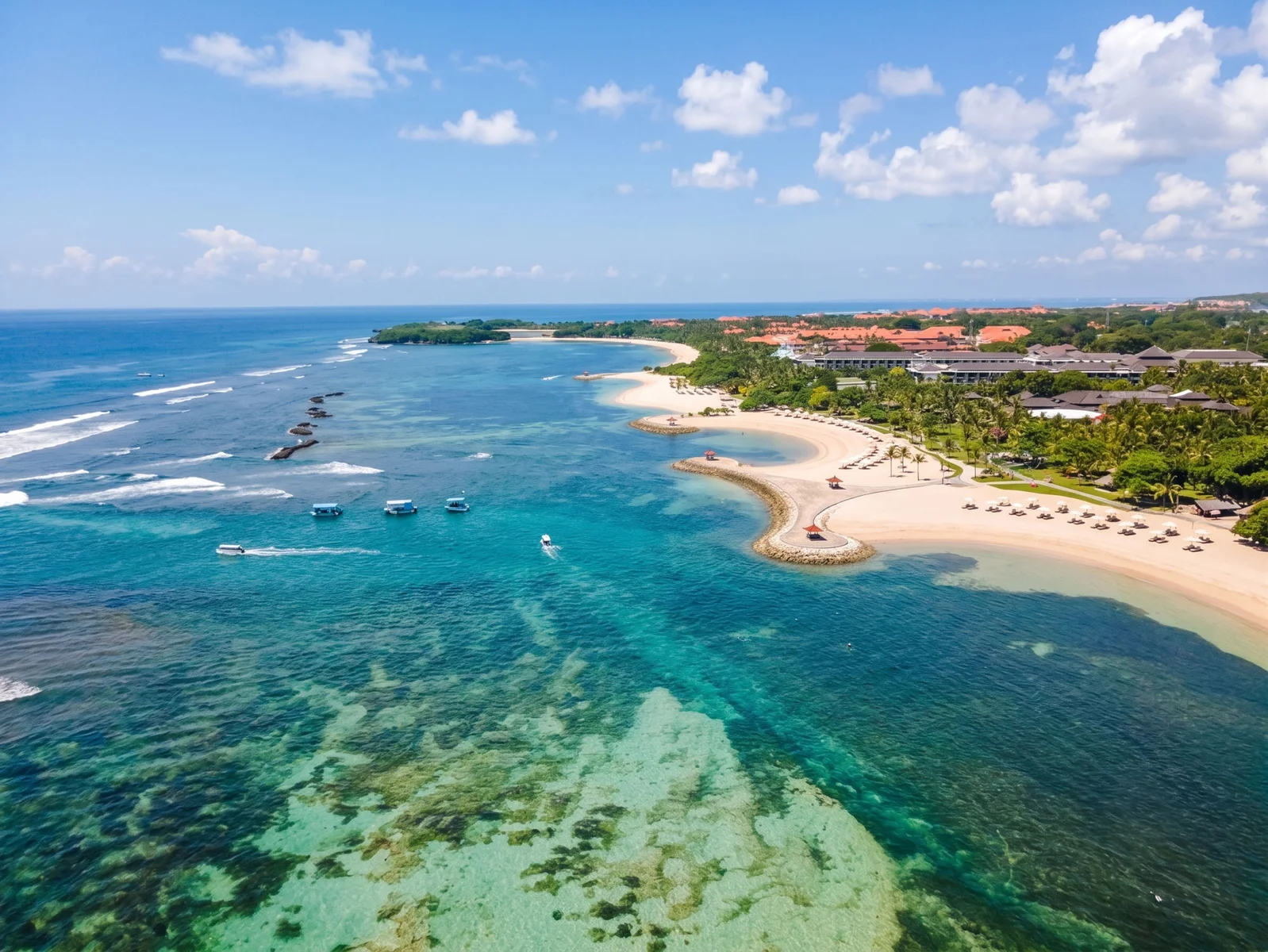
Nusa Dua suits travelers who want a structured resort experience: large hotels, tidy beachfront areas, a slower rhythm, family comfort, and less street chaos. It is one of the easiest areas if your main goals are swimming, service, and a low-friction beach holiday.
Strengths:
- strong beach-hotel infrastructure;
- calmer water than Kuta or Canggu;
- practical for families and older travelers;
- access to Geger, Melasti, Uluwatu, and Jimbaran.
The tradeoff is atmosphere. Nusa Dua is less lively than Canggu or Seminyak and far from Ubud, the north, and East Bali. If you want independent cafes, nightlife, and spontaneous street life, it may feel too controlled.

Sanur: calm beach life for families and slower trips
Sanur is often chosen by families, couples, and travelers who want a calmer coast without a club scene. It has a long seaside path, sunrise views, a gentler rhythm, and easy access to boats for Nusa Penida and Nusa Lembongan.
Sanur is not as dramatic as Uluwatu's cliffs, but it is practical: walkable beach paths, seaside cafes, easier stroller movement, and a less aggressive nightlife scene. It works well when you want the trip to feel manageable.
Good for:
- families with children;
- travelers who dislike party areas;
- early starts toward East Bali;
- boat departures to nearby islands.
Ubud: Bali's cultural and nature base
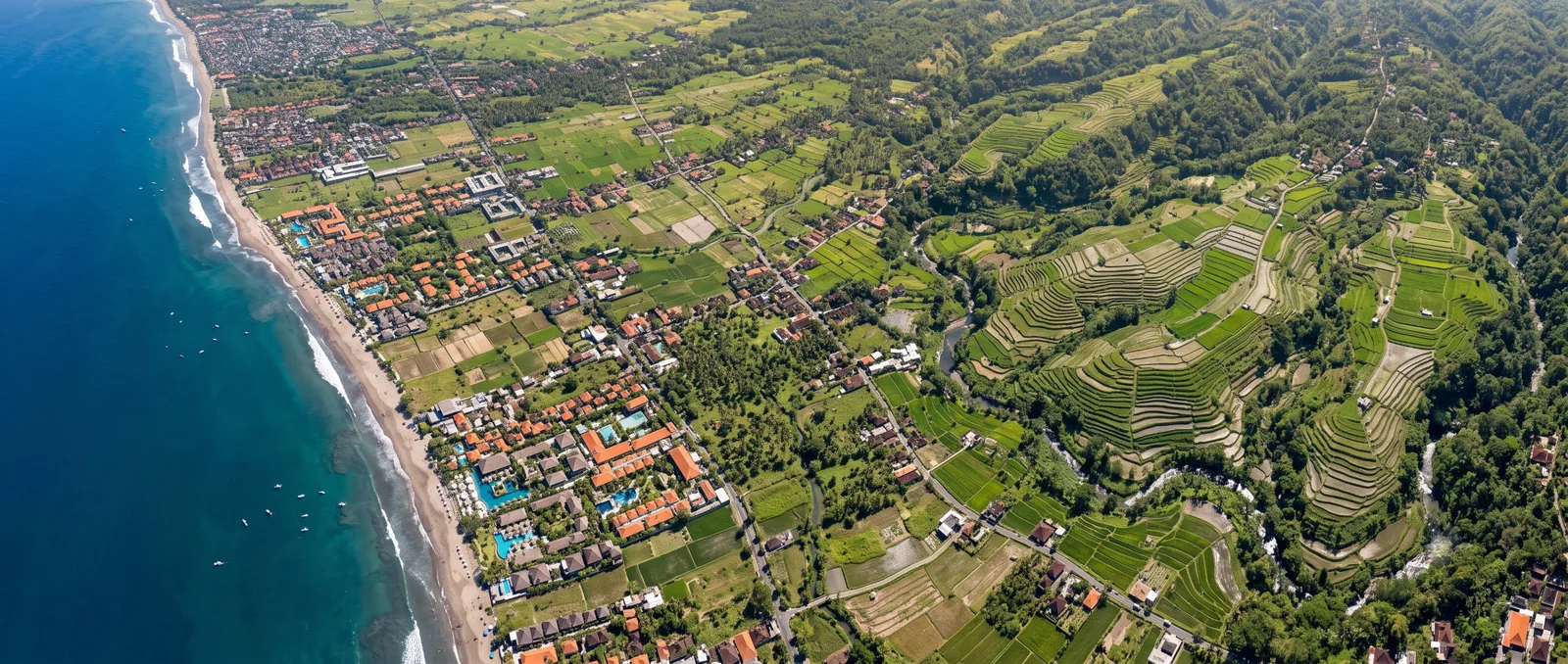
Ubud is not on the coast, but it gives many travelers the Bali they came for: rice terraces, temples, craft villages, Monkey Forest, waterfalls, yoga, galleries, and villas in greenery. It is the best base when beach time is secondary and culture or day trips matter more.
From Ubud, it is easier to visit Tegallalang, Tirta Empul, Batuan, Tegenungan, Kintamani, and central waterfalls. But daily beach trips from Ubud are a poor plan: the transfers will eat too much of the day.
Use Ubud as a separate 2-4 night stage. It becomes much richer when you treat it as a base for inland Bali rather than a traffic-heavy stopover.
Canggu, Seminyak, and Kuta: what is the difference?
Canggu, Seminyak, and Kuta sit along the southwest tourism belt, but they serve different trips. Kuta is budget and beginner surf, Seminyak is restaurants and shopping, and Canggu is cafes, gyms, surf culture, digital-nomad life, and heavy traffic.

Kuta is useful for short stays, cheaper hotels, surf schools, and airport access. The downside is noise, density, and a beach that is more wave-oriented than calm.
Seminyak is more polished, with restaurants, boutiques, beach clubs, villas, and sunset venues. It works well for couples and groups who want comfort without being inside a resort enclave.
Canggu has its own rhythm: workouts, coffee, coworking, surfing, and evening venues. If your dream is quiet swimming and relaxed walking, Canggu can feel tiring.
Jimbaran and Uluwatu: sunsets, cliffs, and Bukit beaches
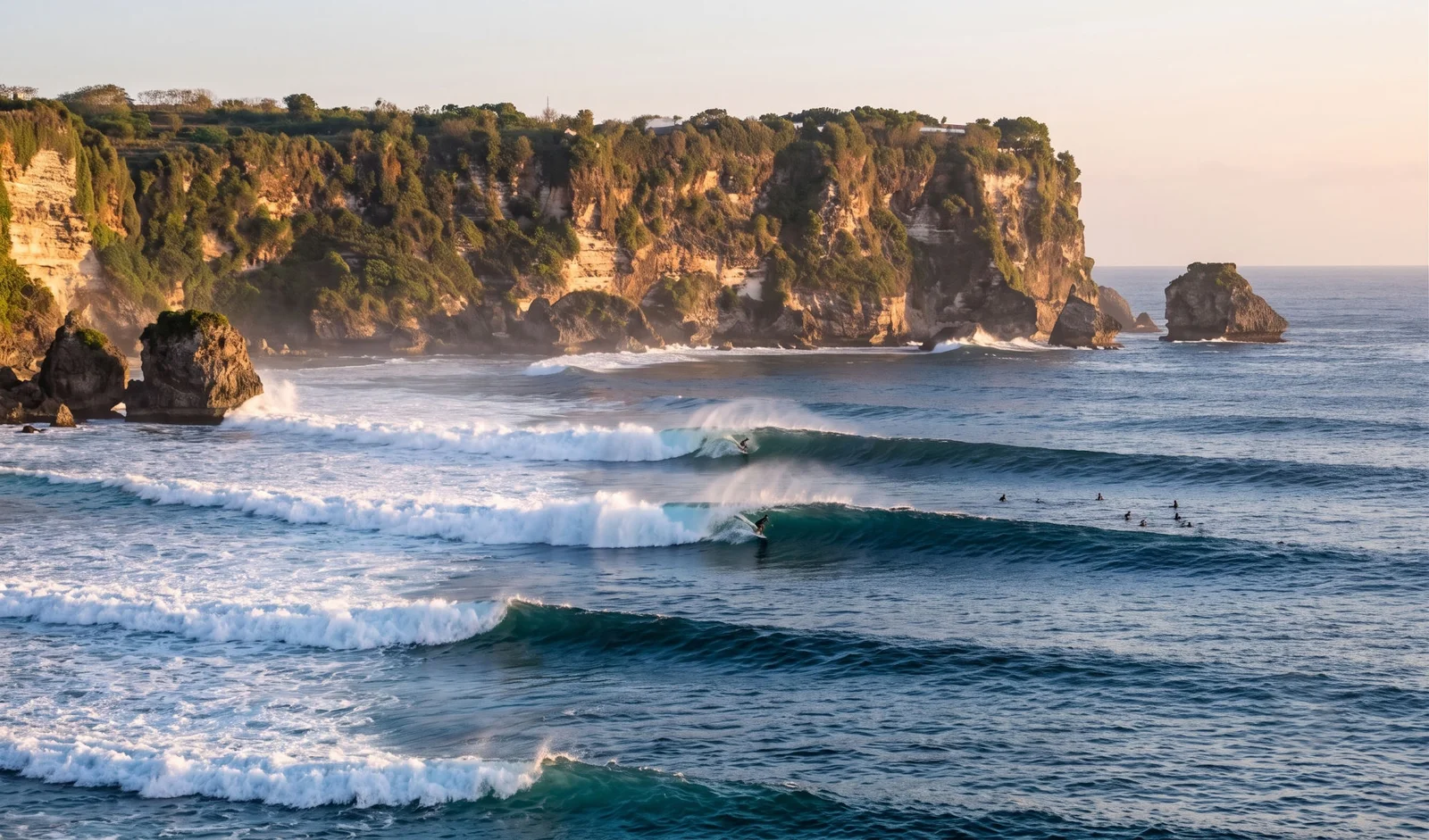
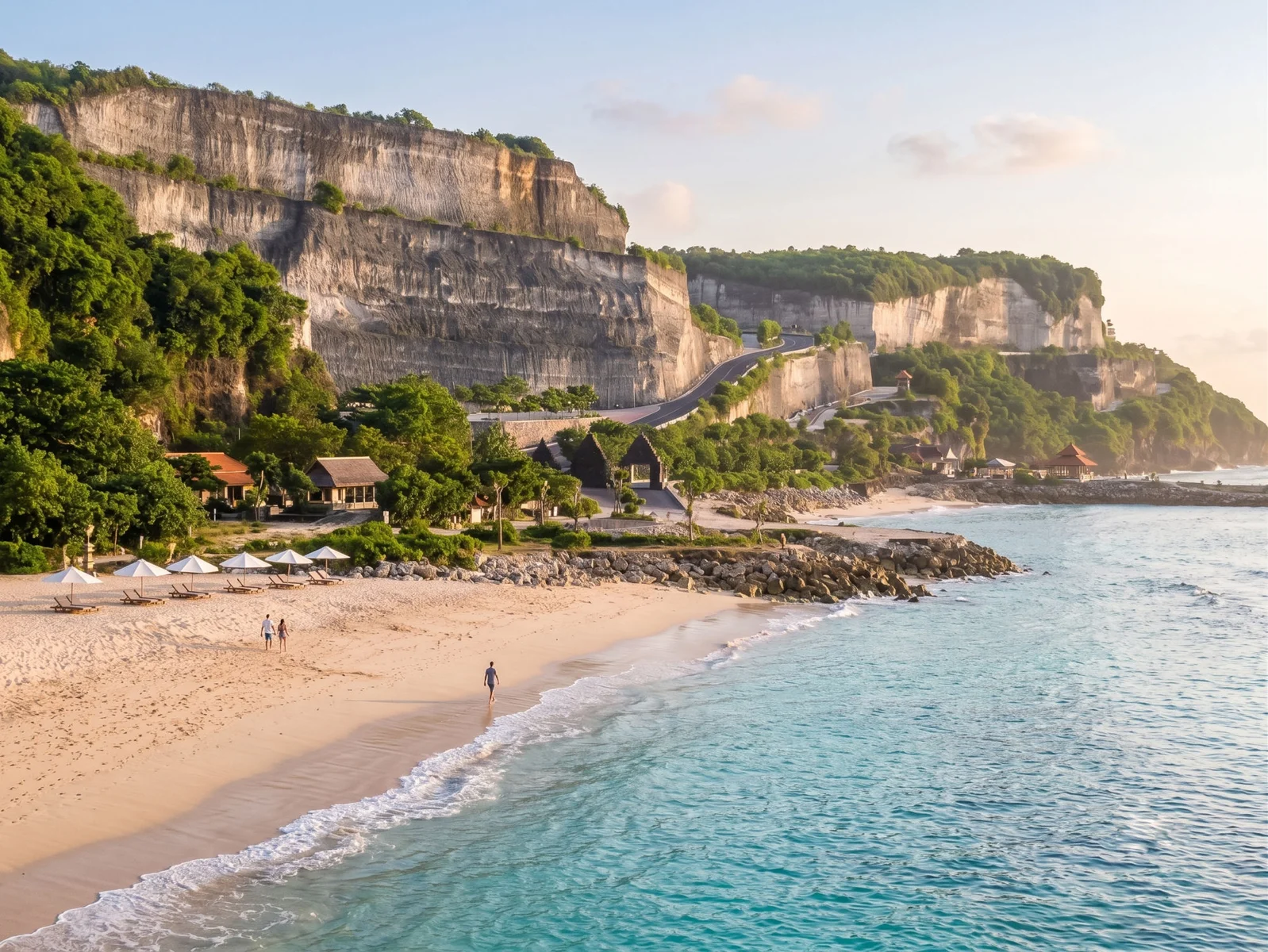
Jimbaran and Uluwatu are both in the south, but they feel different. Jimbaran is softer and more convenient near the airport, while Uluwatu and Pecatu give you cliffs, surf breaks, Bukit beaches, and some of Bali's strongest sunset scenery.

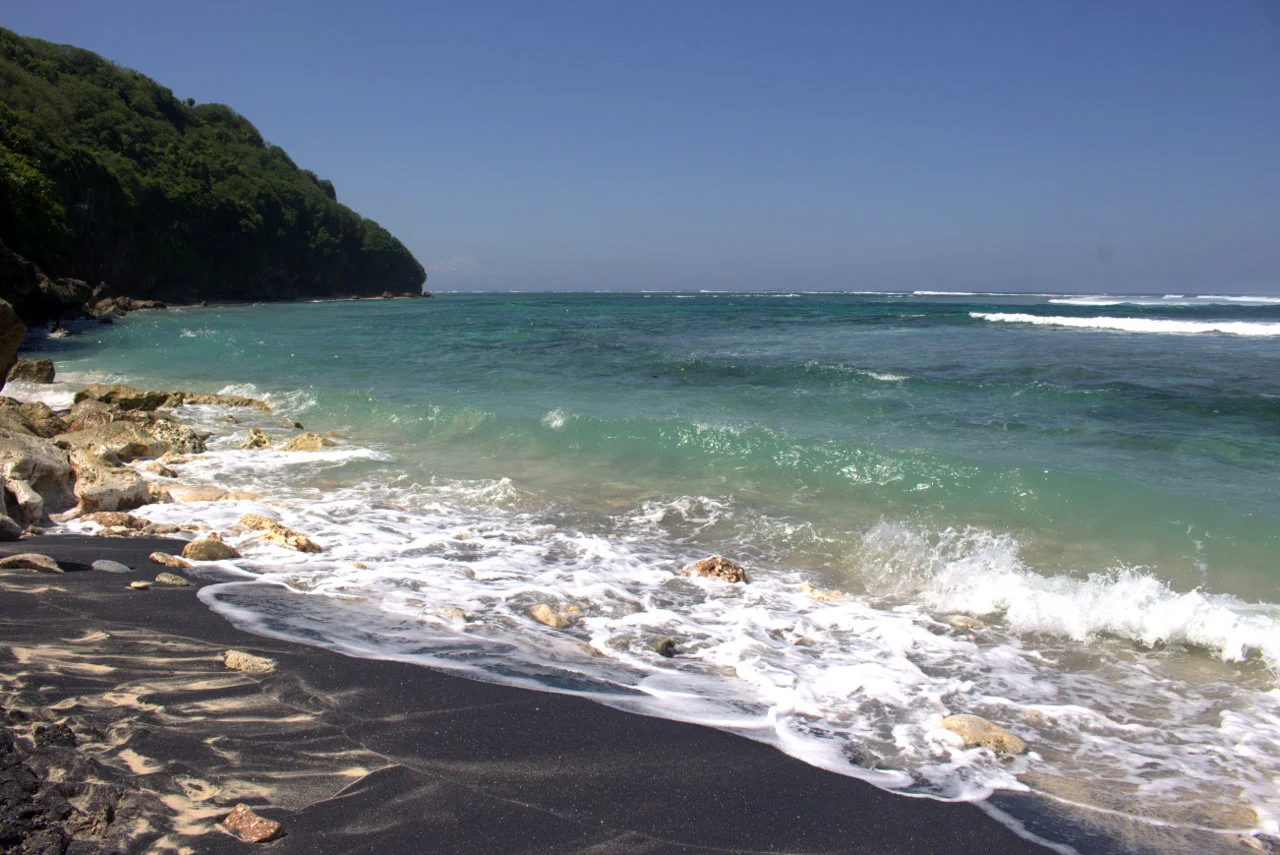
Jimbaran works well for families, couples, and short stays: wide sand, seafood dinners, and a calmer feeling than Kuta. Uluwatu is better for travelers who like scenic roads, stepped beach access, surfing, and hilltop villas.
Uluwatu is not ideal if you want to explore the whole island daily. But if your focus is Bukit beaches, Uluwatu Temple, and sunsets, it is one of Bali's strongest areas.
Lovina, Munduk, Amed, and the east: should you stay far from the south?
North and East Bali are not usually the simplest choice for a first resort holiday. They are better for slower, deeper trips: Lovina for black-sand beaches and sunrise dolphins, Munduk for waterfalls and mountain air, Amed and Tulamben for snorkeling, diving, and volcanic coastline.


These areas are excellent if you accept longer transfers and lighter infrastructure. You trade clubs and shopping streets for air, local life, mountain roads, and a slower pace.
For a first Bali itinerary, add the north or east as 1-3 nights after a main base. Staying there for the entire holiday makes sense only if you deliberately want distance and quiet.
What is the best way to split your vacation between different areas of Bali??

The best way to avoid area regret is to divide the trip into 2-3 bases instead of staying in one place and driving everywhere. This reduces traffic time and gives you a better feel for the island's different sides.
Sample plans:
- 7-8 nights first trip: Nusa Dua or Sanur + Ubud.
- 10-12 active nights: Canggu or Seminyak + Ubud + Uluwatu.
- With children: Sanur or Nusa Dua + 2 nights in Ubud.
- Beaches and cliffs: Nusa Dua + Uluwatu.
- Deeper island route: Ubud + Munduk or Lovina + East Bali.
Do not choose an area only by reviews. Reviews often describe the traveler's expectations more than the place itself: one person finds Canggu lively, another finds it exhausting; one finds Nusa Dua comfortable, another finds it sterile. Match the area to your pace.