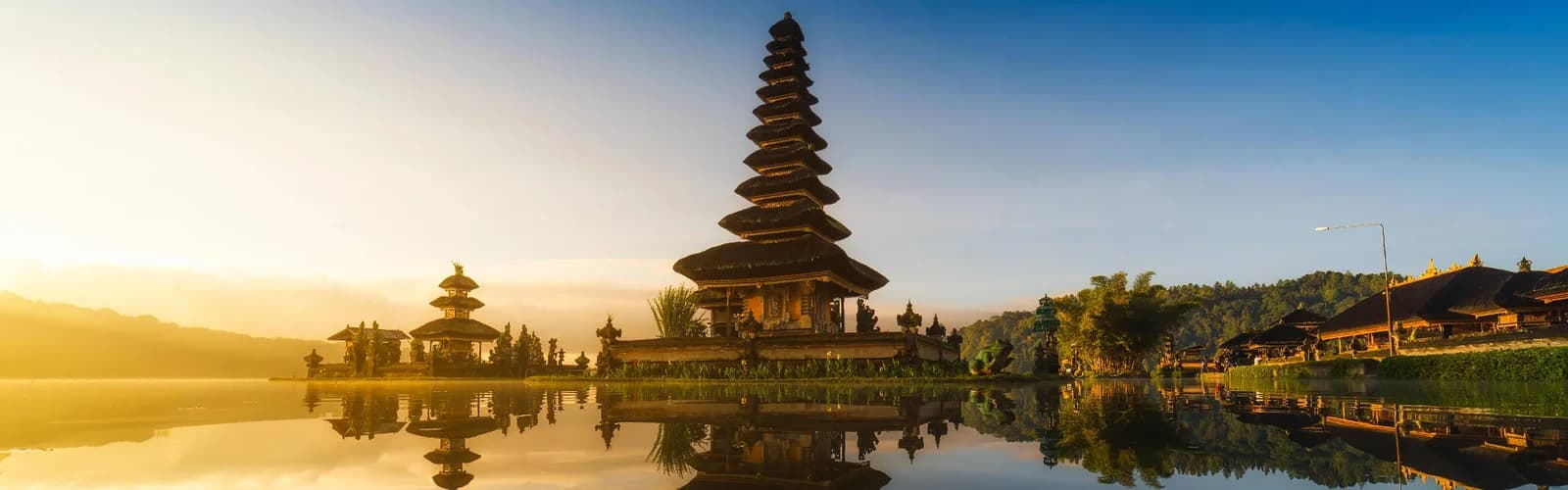
At a Glance
- Where: Buleleng regency, the mountainous north of Bali
- Elevation: village around 600–800 m; the twin lakes around 1,200 m
- Famous for: jungle waterfalls, coffee and clove plantations, Lakes Buyan and Tamblingan
- Climate: cool and often misty, chilly at night — bring a warm layer
- Best time: dry season April–October, early morning
- Getting there: ~1.5–2 hours from Ubud, 45–60 minutes from Lovina
Munduk is a mountain village in northern Bali, tucked among coffee and clove plantations, waterfalls and clouds. It sits on a ridge of the island's volcanic spine in Buleleng regency at around 600–800 metres, so the air is noticeably cooler and damper than on the southern beaches. This is the Bali for travellers who want mist, jungle and quiet rather than surf and clubs: waterfall treks, walks through spice gardens, and the crater Twin Lakes of Buyan and Tamblingan a few minutes' drive away.
Why Visit
Munduk is the "other Bali": cool, green and slow, without the crowds of the south coast. People come here for nature and stillness, not a beach holiday.
- Who it's for: lovers of trekking, waterfalls and coffee, anyone tired of the heat who wants sunrises above the clouds, plus couples and photographers.
- What's not here: sea and beaches — the Lovina coast is still about an hour's descent away.
- The mood. Valleys are often wrapped in morning mist that clears through the day; evenings are cool — a rarity on a tropical island.
Munduk's Waterfalls
Munduk is known as Bali's land of waterfalls: several powerful cascades hide in the jungle around the village, most linked by short walking trails. They're the main reason to come.
- Munduk Waterfall (Red Coral). The best-known and closest — about 15 metres high, a 20–30 minute walk from the village centre on a path through the plantations.
- Melanting Waterfall. One of the tallest and most powerful on Bali; a little deeper into the jungle, reached by steps down through clove trees.
- Golden Valley and Labuhan Kebo. Quieter cascades on the same trail — you can string several waterfalls into one half-day walk.
- Banyumala. A scenic "twin" waterfall in a jungle bowl just off to the side, one of the most photographed on the island.
Tip: the trails are slippery after rain — bring grippy shoes, water and cash for the small entrance fees at the trailheads.
The Twin Lakes: Buyan and Tamblingan
A few minutes' drive from Munduk lie two crater lakes — Buyan and Tamblingan — the famous "Twin Lakes" viewpoint. They formed inside the caldera of the extinct Bedugul volcano.
- Why "twins." They were once a single lake; around 1800 a landslide split it in two, leaving a narrow forested land bridge between them. The best view of both is from the roadside lookout on the switchbacks above.
- Tamblingan. The quietest and most protected of Bali's mountain lakes: no motorboats, just traditional dugout canoes. On its shore stands the ancient water temple Pura Ulun Danu Tamblingan.
- Buyan. The larger neighbouring lake, with a road running along it; in the dry season the receding shore reveals photogenic half-submerged trees.
Coffee, Cloves and Spices
Munduk has lived off highland farming for decades, its slopes planted with coffee, cloves, cocoa and vanilla. When the cloves flower, the air literally smells of spice.
- Coffee tours. Local farms show the whole journey from bean to cup and let you taste Balinese coffee and teas; this is also where the famous (and controversial) luwak coffee (kopi luwak) is offered.
- Clove country. Cloves are dried right along the roadsides — their red-brown "carpets" drying in the sun are part of the local scenery.
- Plantation walks. Trails between the spice gardens are a pleasure in themselves, with guides pointing out how coffee, vanilla and cocoa actually grow.
Dutch Heritage
Munduk began as a Dutch colonial hill station in the 1890s — its cool climate made it a retreat from the coastal heat. You can still see it in the architecture today.
- Colonial houses. Some of the old stone houses along the main street keep their colonial style; walking "colonial" tours trace them.
- Bali's first guesthouse. Local accounts place the island's first guest house here, in a building dating to 1906.
- A planter's past. It was the Dutch who laid out the coffee, cocoa, vanilla and clove plantations above the rice terraces that still sustain the village.
Things to Do
Munduk is a base for slow, nature-based activity. Most of it revolves around walking and views.
- Waterfall trekking on trails through jungle and plantations — from easy 30-minute strolls to half-day routes.
- Sunrise above the clouds. On a clear morning, viewpoints and hotel terraces look out over a "sea of clouds" filling the valleys.
- Bike or scooter for unhurried hops between lakes, temples and farms.
- Coffee tasting and a spice-plantation walk with a local guide.
When to Visit
The best time is the dry season, April to October, and early morning, when the sky is clearest and mist hasn't yet filled the valleys.
- Wet season (November–March) makes the greenery especially lush, but trails turn slippery and views are more often clouded over.
- Dress warm. It's cool at altitude, especially in the evening and early morning — a light jacket or fleece is worth packing.
Plan Your Visit
Munduk lies in the mountains between Bedugul and the north coast, so the drive itself is part of the experience: switchbacks with views over the lakes and valleys.
- From Ubud — about 1.5–2 hours by car, climbing into the hills.
- From Lovina (north coast) — 45–60 minutes down the switchbacks.
- Getting around. A car with driver or a rented scooter is easiest; public transport is almost nonexistent.
- Bring. A warm top, a rain layer, sturdy shoes, water and cash for waterfall fees.
Combine Your Trip
Munduk pairs naturally with other spots in mountain and northern Bali on a day trip or an overnight loop.
- Bedugul — the Ulun Danu Beratan temple on Lake Beratan, about half an hour away.
- Sekumpul and Gitgit waterfalls — among the most spectacular cascades in the north.
- Lovina — black-sand beaches and a morning dolphin trip on the north coast.
- Banjar Hot Springs — warm jungle pools near Lovina.
FAQ
What should I see in Munduk? The Munduk and Melanting waterfalls, the Twin Lakes (Buyan and Tamblingan) viewpoint, and a coffee plantation. Allow at least a full day.
How far is Munduk from Ubud? About 1.5–2 hours by car, climbing into the mountains; from Lovina on the north coast it's 45–60 minutes.
When is the best time to visit? The dry season (April–October) and early morning: less mist, clearer skies and less slippery trails.
Is it cold in Munduk? By Bali standards, yes: at 600–800 m it's noticeably cooler, especially in the evening and at night, so bring warm clothing.
Is it worth staying overnight? Yes, if you love nature: an overnight lets you catch the sunrise above the clouds and walk several waterfalls without rushing.
Excursions visiting Munduk
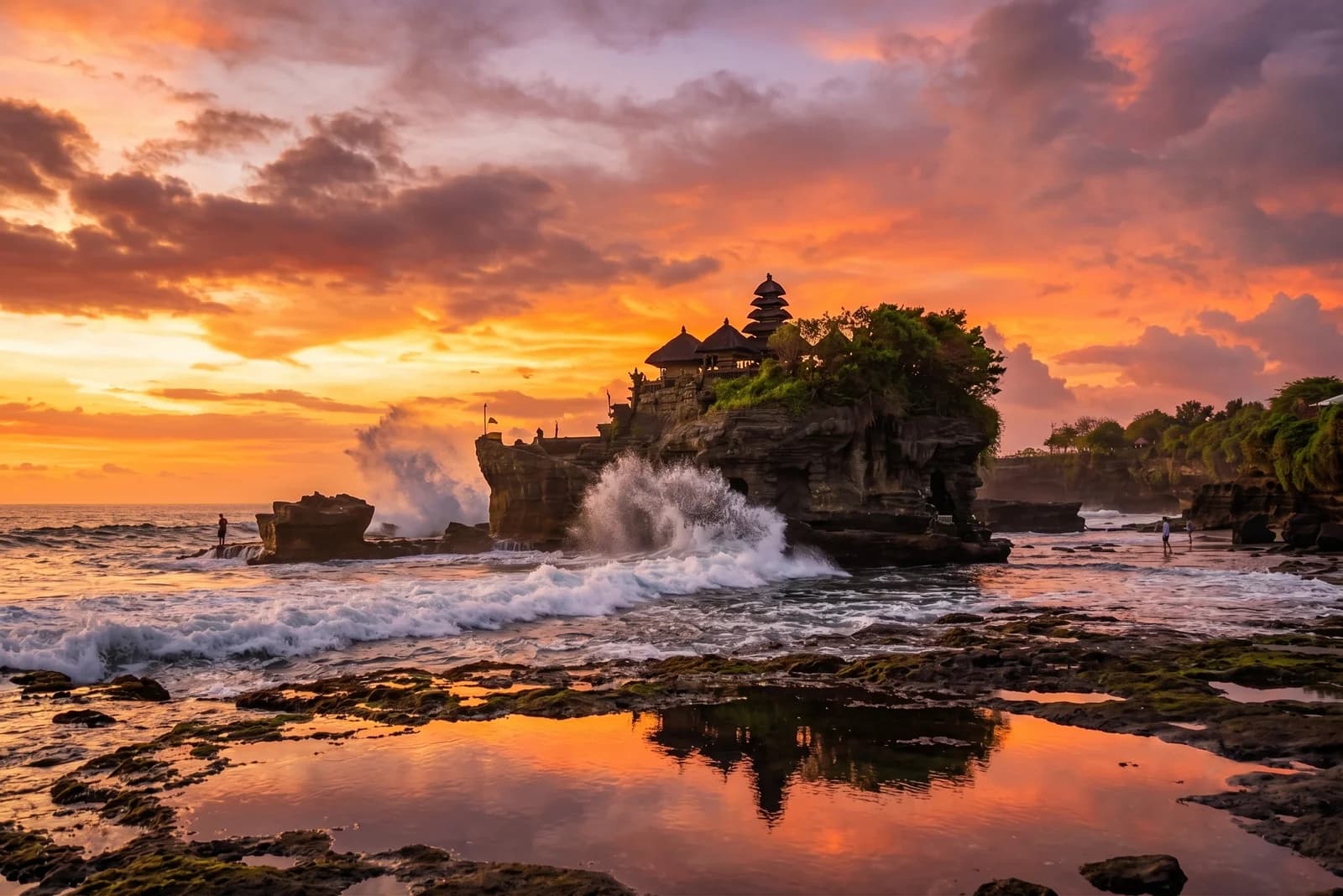
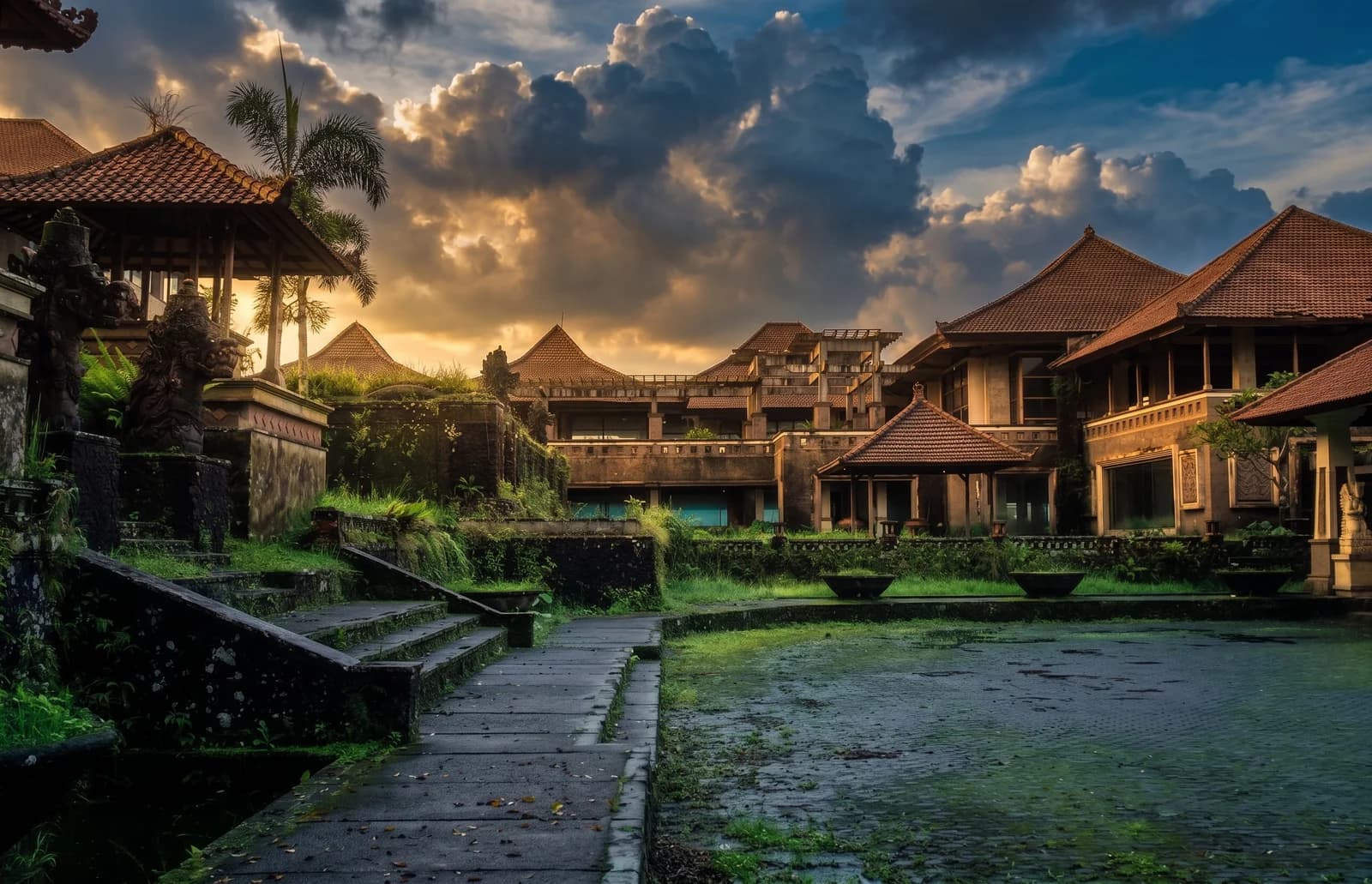
Bedugul and Tanah Lot + Ghost Hotel
Extended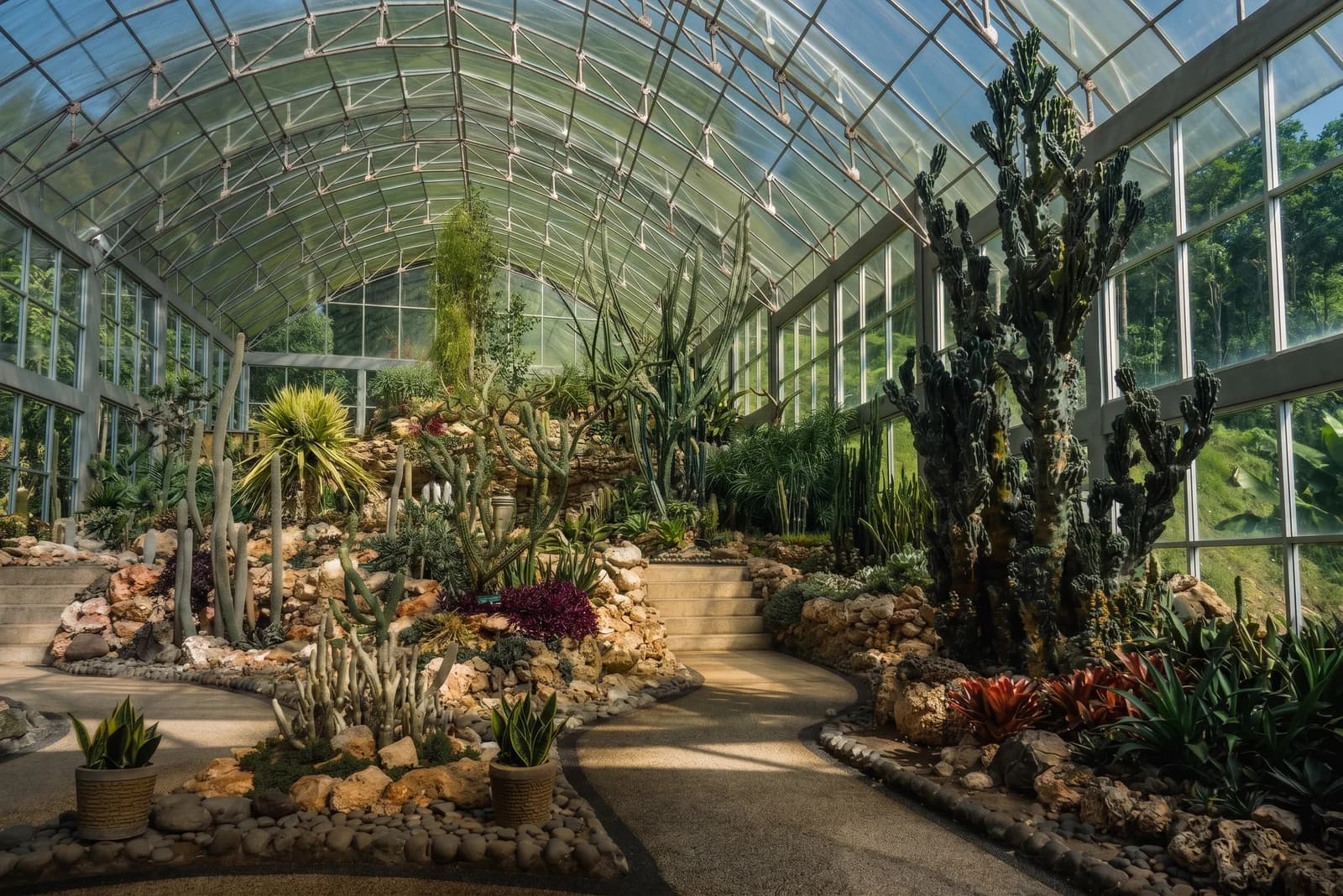
Bedugul and Tanah Lot + Botanic Garden
Extended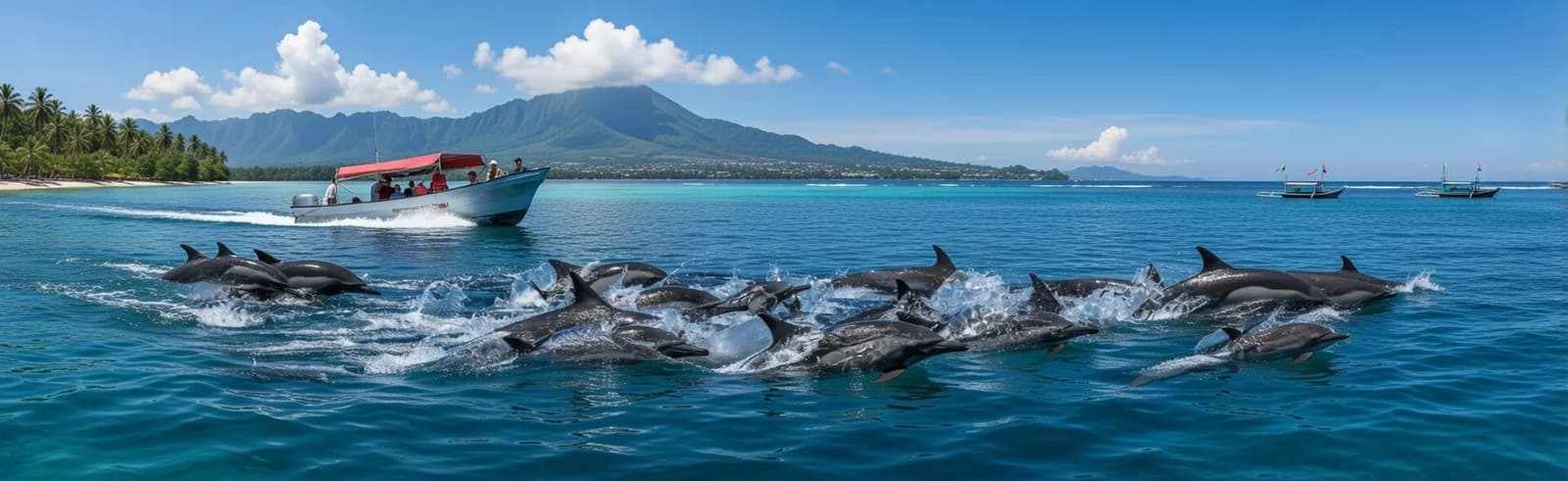
Sunrise Dolphins
All Inclusive