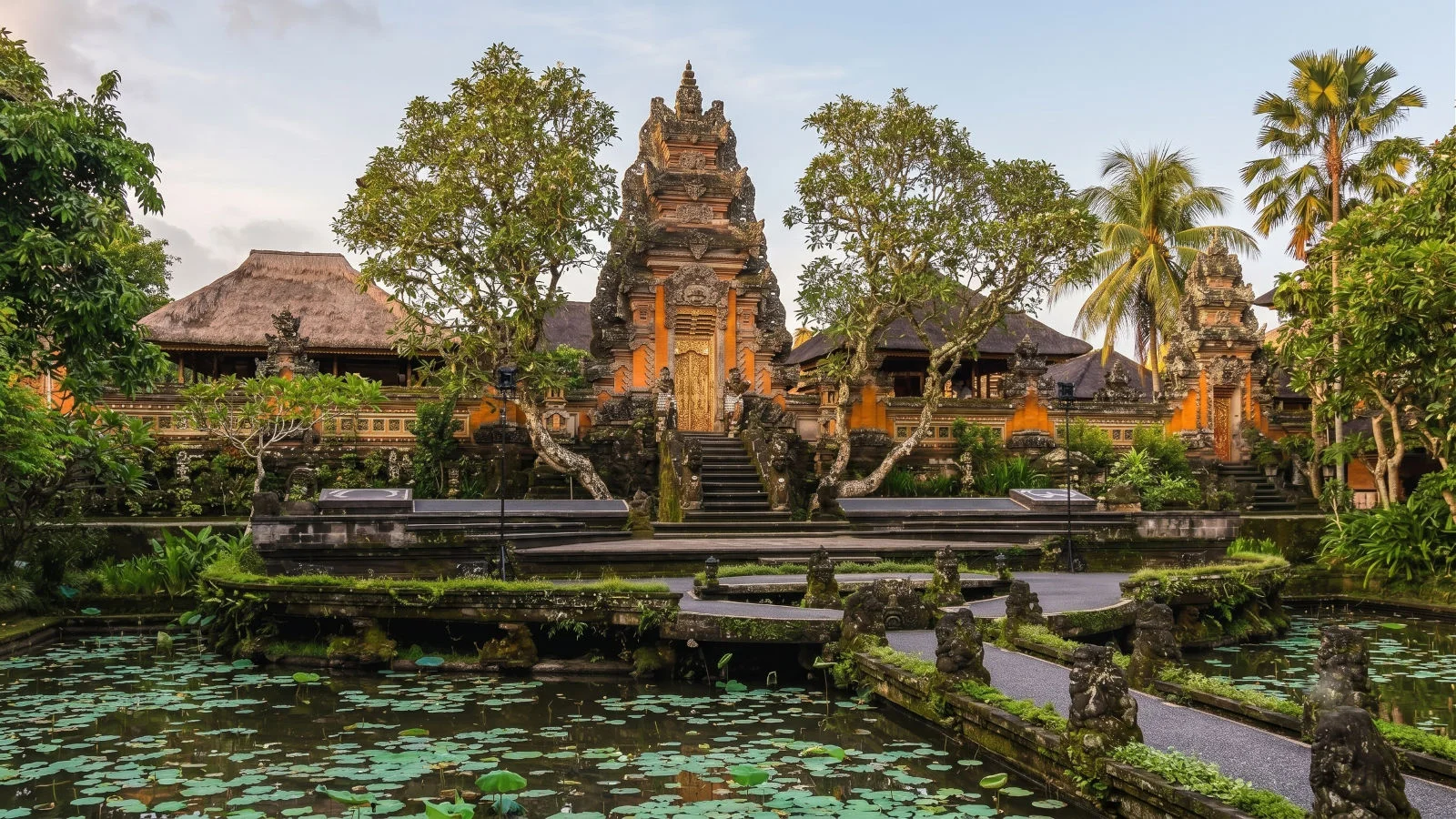

Ubud didn't become Bali's yoga capital by accident: after the book and film Eat, Pray, Love came out in 2010, travelers started arriving looking for more than rice terraces — they wanted a practice. Today the town runs dozens of studios and retreat centers at every level and format, and picking the right first stop usually causes more confusion than the poses themselves.
Drop-in class, retreat, or a studio pass — which format fits?
A single drop-in class works if you're passing through Ubud and want to try a practice with no commitment; a multi-day retreat makes sense if yoga is the point of the trip; and a studio pass only pays off if you're staying in Ubud for a month or longer.
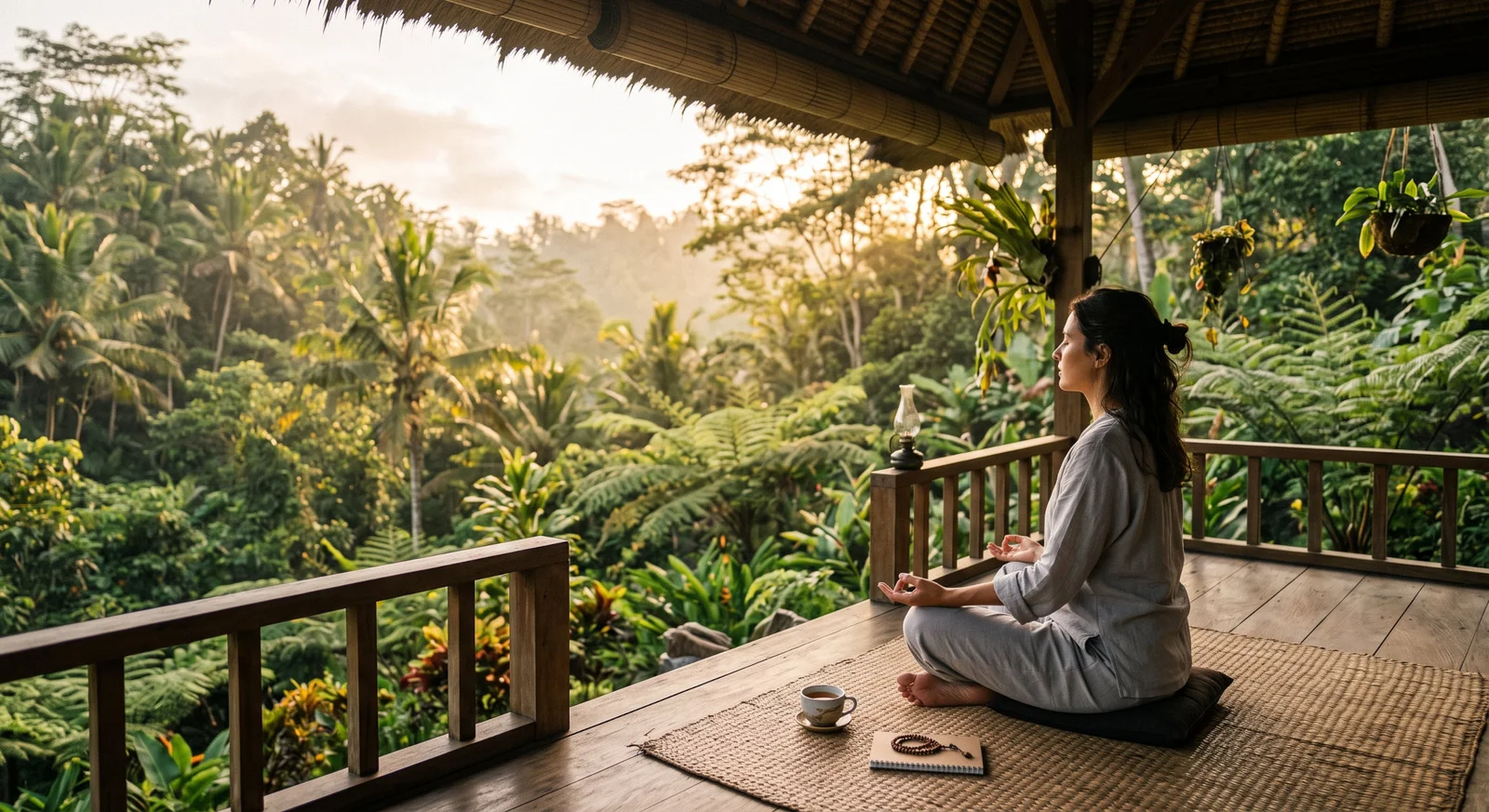
Most Ubud studios don't need advance booking for a drop-in class — show up 10-15 minutes early and rent a mat on the spot. A retreat typically bundles accommodation, meals, and a full multi-day program — that format makes sense when yoga is the actual purpose of the trip, not one stop on a wider itinerary. A studio pass only pays off with regular visits: for just a couple of classes, paying drop-in each time works out cheaper than a pass you won't fully use.
- In Ubud for a day or two? Go drop-in — no booking needed, mats are rented on arrival;
- Is yoga the reason for the trip? Look at a 3-7 day retreat with accommodation and a program;
- Staying a month or longer? A single-studio pass only pays off with regular visits.
Where to practice yoga in Ubud: the real studios?
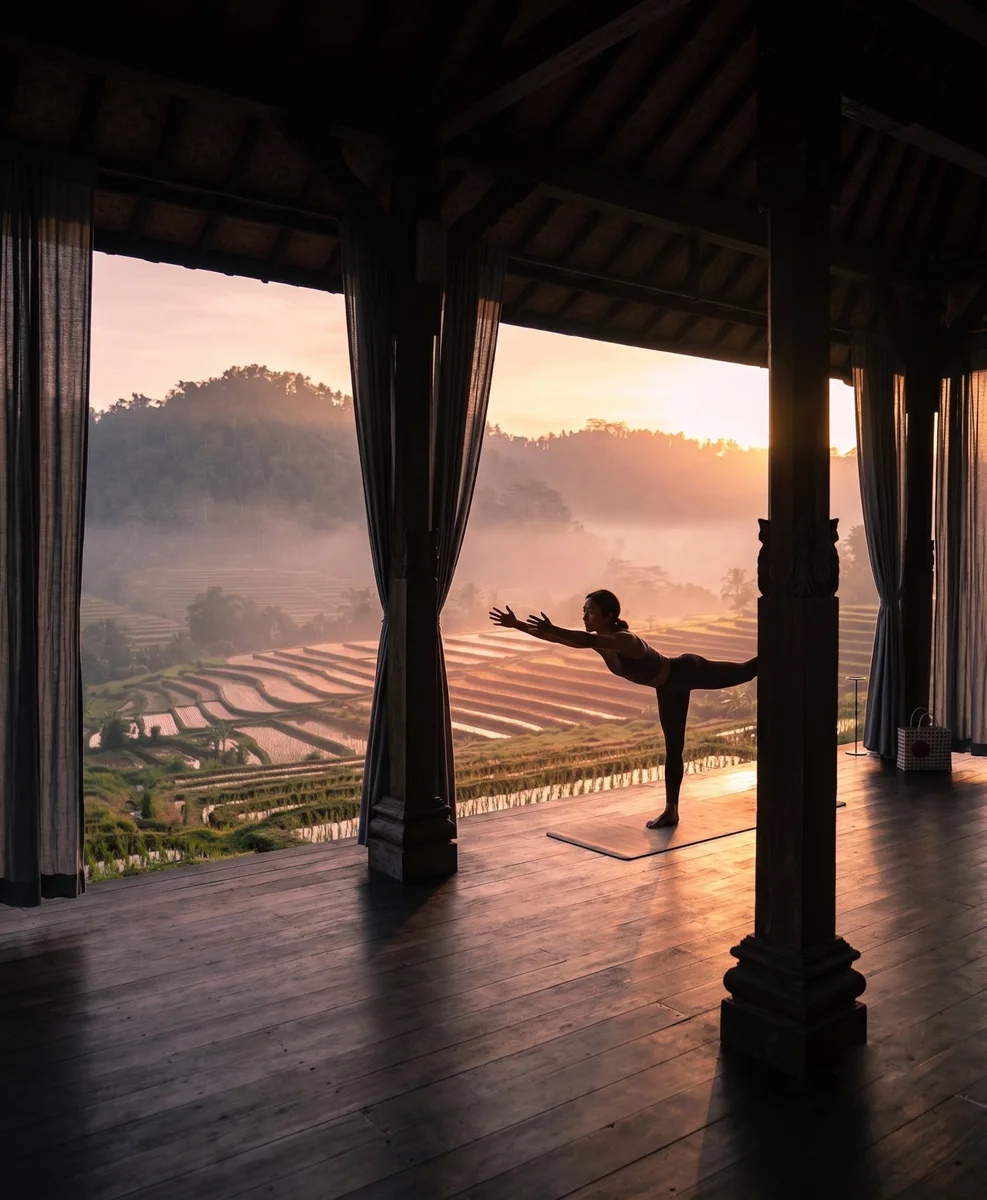
Ubud's yoga scene centers on four well-known studios: Yoga Barn, with its open-air shalas over rice fields; the more intimate Radiantly Alive in the town center; Intuitive Flow on Penestanan hill with jungle views; and Shanti Toya Ashram for a quieter, more spiritual format.
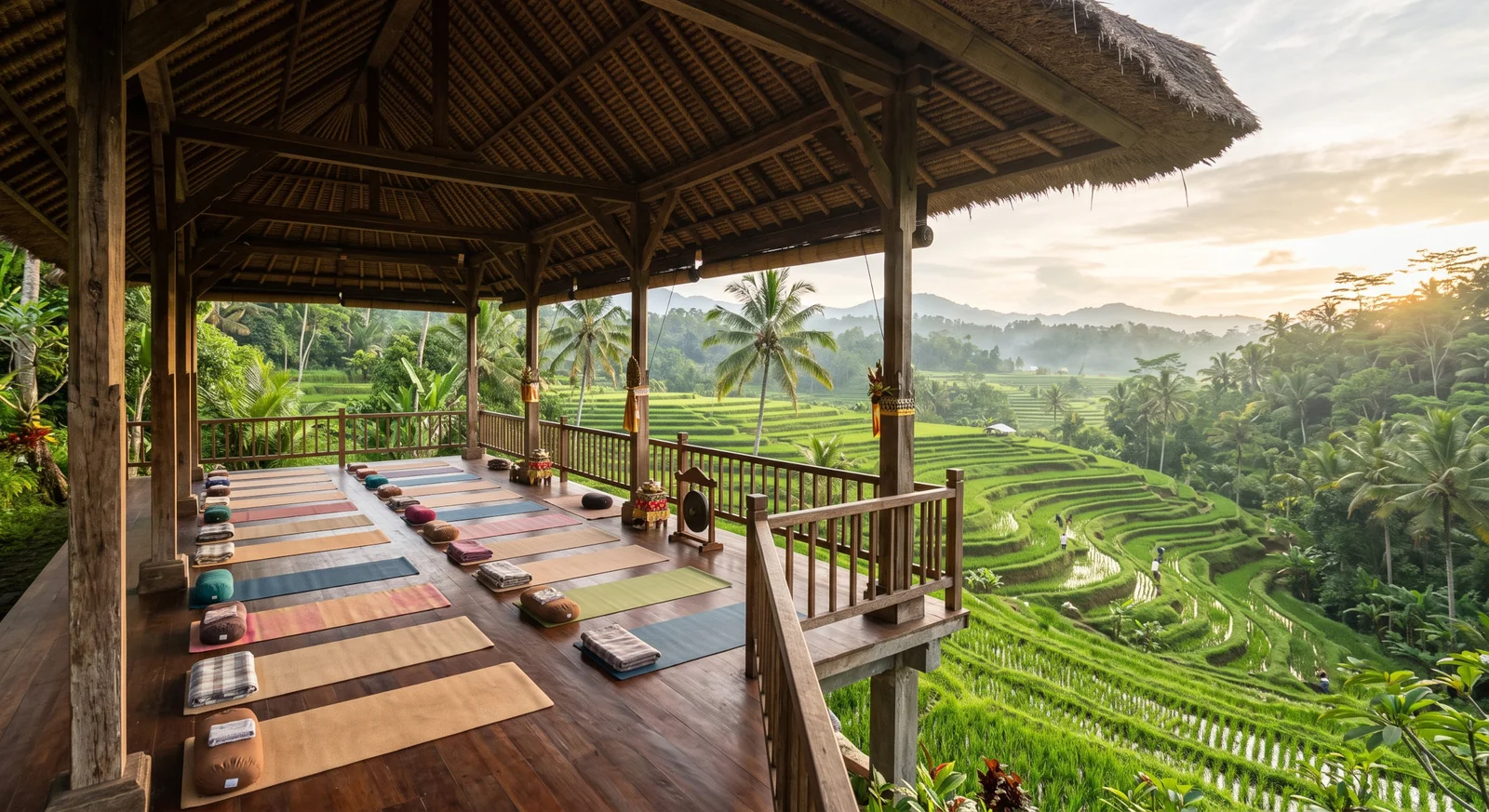
Yoga Barn has run since 2007 and remains the largest studio in Southeast Asia: five open-air shalas, with the two main rooms seating up to 80 and 35 people, and a schedule packing in over 100 classes a week — you can walk in at almost any level without booking ahead.
Radiantly Alive is one of Ubud's oldest and most respected studios, sitting right in the town center with 60-plus drop-in classes a week: vinyasa flow, hatha, yin, kundalini, sound healing, and meditation — class sizes here run noticeably smaller than at Yoga Barn.
Intuitive Flow sits on Penestanan hill with jungle and volcano views — an intimate spot, good for beginners in its hatha classes, with yoga nidra and restorative sessions running in the evenings.
Shanti Toya Ashram is one of the island's oldest ashrams: two daily sessions (hatha, restorative, dynamic, even laughter yoga) in a setting built around a spiritual atmosphere rather than a fitness one.
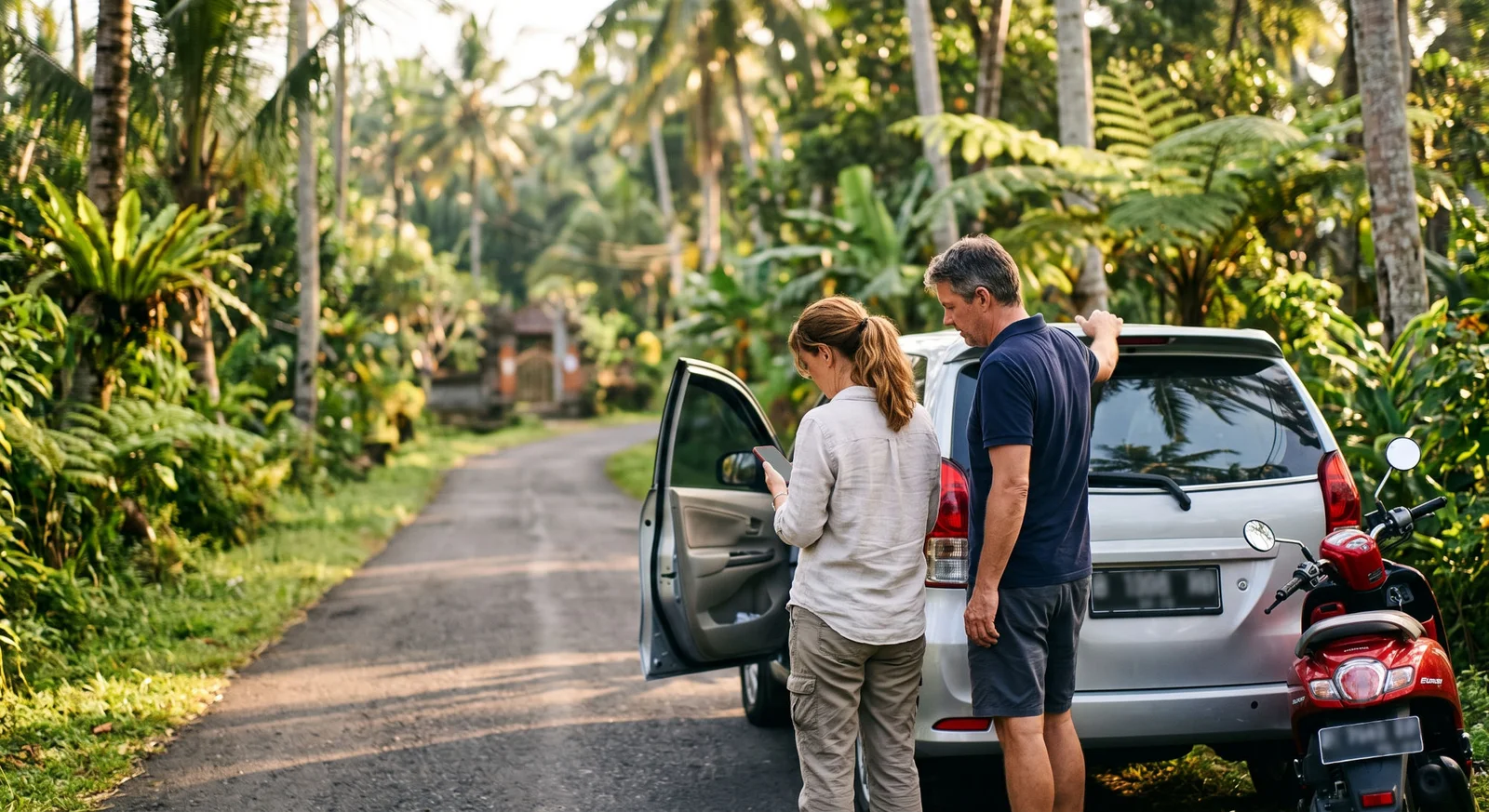
All four studios sit in Ubud itself or a couple of kilometers from its center — for a first visit, basing yourself in Ubud rather than the coast makes the logistics much simpler.
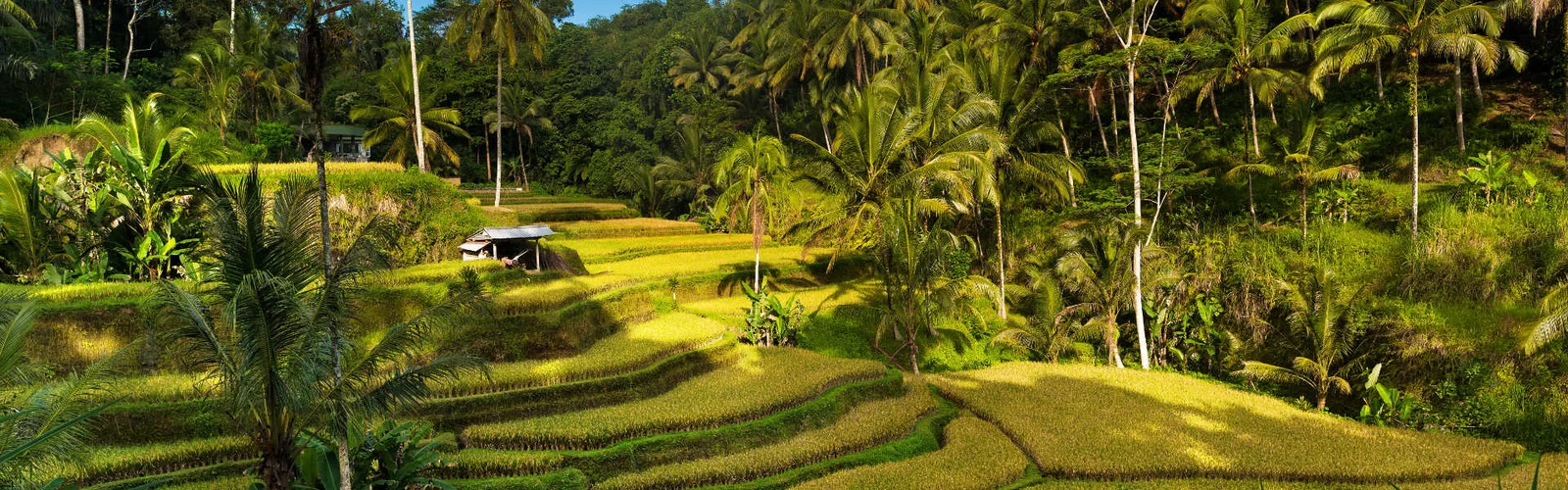
- Yoga Barn — running since 2007, 5 shalas, 100+ classes a week, the easiest starting point for beginners and walk-ins;
- Radiantly Alive — town center, 60+ classes a week, varied styles, smaller groups;
- Intuitive Flow — Penestanan hill, jungle views, beginner hatha plus evening yoga nidra;
- Shanti Toya Ashram — one of the oldest ashrams, two sessions a day, spiritual rather than fitness-focused.
Which yoga style should you pick: vinyasa, hatha, yin, or kundalini?
Beginners usually start with hatha or a gentle vinyasa flow — the pace is slower, giving the teacher time to correct your form; experienced practitioners tend toward dynamic vinyasa or ashtanga, while yin yoga and sound healing suit recovery after trekking or diving.
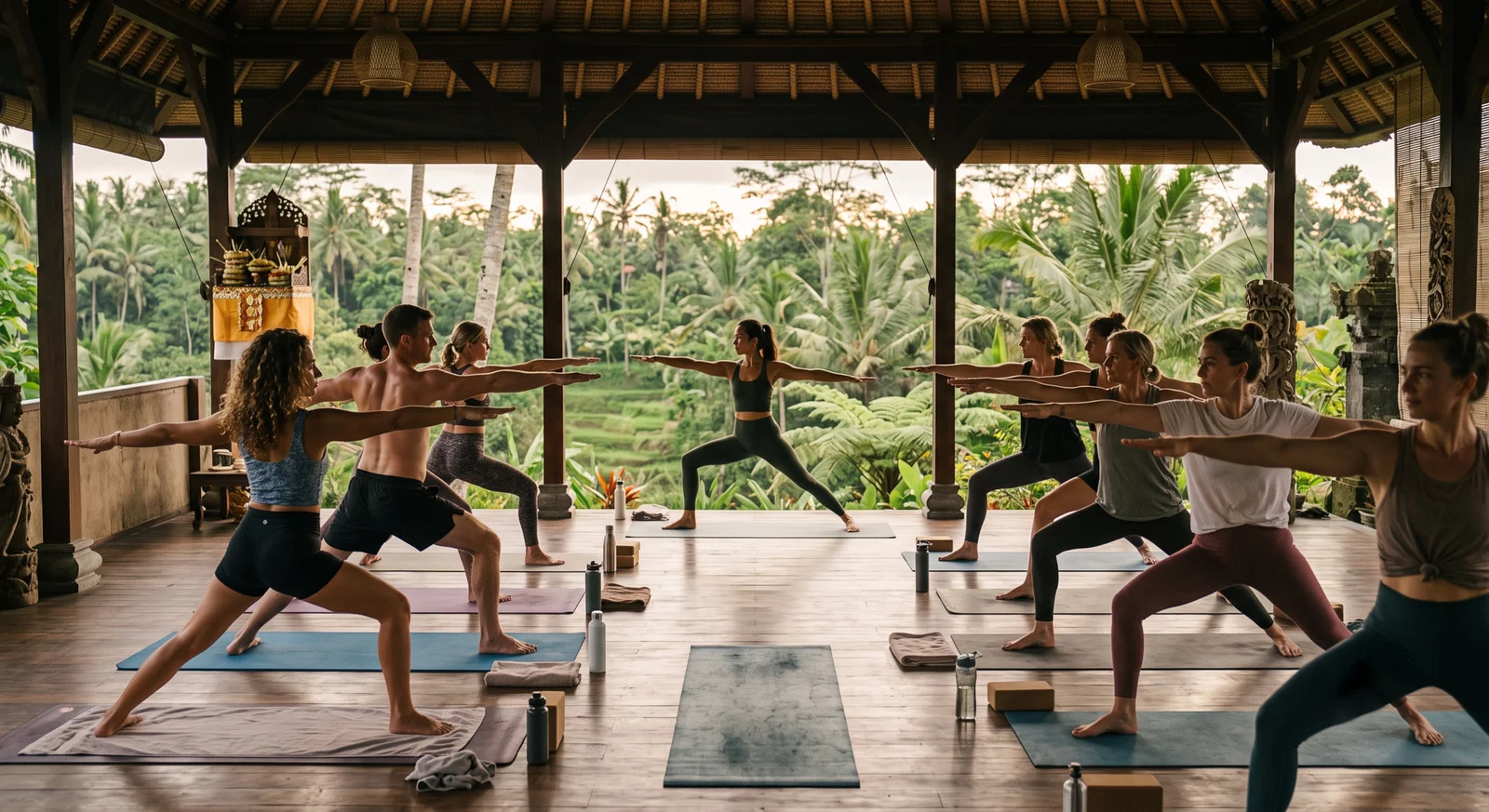
Kundalini and meditation-focused sessions in Ubud usually run as their own track, separate from the physical classes — it's breathwork and energy work more than stretching, and beginners are better off trying hatha first before moving into anything more specific. Mixing a few styles across one trip is completely normal: most studios sell flexible drop-in packages built for exactly that, rather than locking you into one style.
- Hatha — slower pace, a solid pick for beginners or for a first class at an unfamiliar studio;
- Vinyasa flow — a dynamic sequence of poses synced to the breath;
- Yin yoga — poses held for several minutes, good for recovery after an active day;
- Kundalini — breathwork and energy practices, kept separate from physical stretching.
How much does yoga in Bali cost?
A single drop-in class in Ubud averages 150-165k IDR, a private session starts around 1m IDR an hour, and a retreat's price bundles accommodation, meals, and the full program — so comparing it to a single class isn't a meaningful comparison.
| Format | Rough cost |
|---|---|
| Drop-in class | 150-165k IDR per class |
| Private session | from 1m IDR per hour |
| 5-10 class package | cheaper per class than paying drop-in each time |
| Multi-day retreat | priced as a whole program, not per class |
A 5-10 class package almost always beats paying drop-in each time if you're in Ubud for more than a week — most studios sell these right at the front desk, no website booking needed. Retreat pricing varies widely depending on the accommodation tier, how many sessions run per day, and what meals are included, so there's no single reference number worth quoting.
What to bring and wear to class?
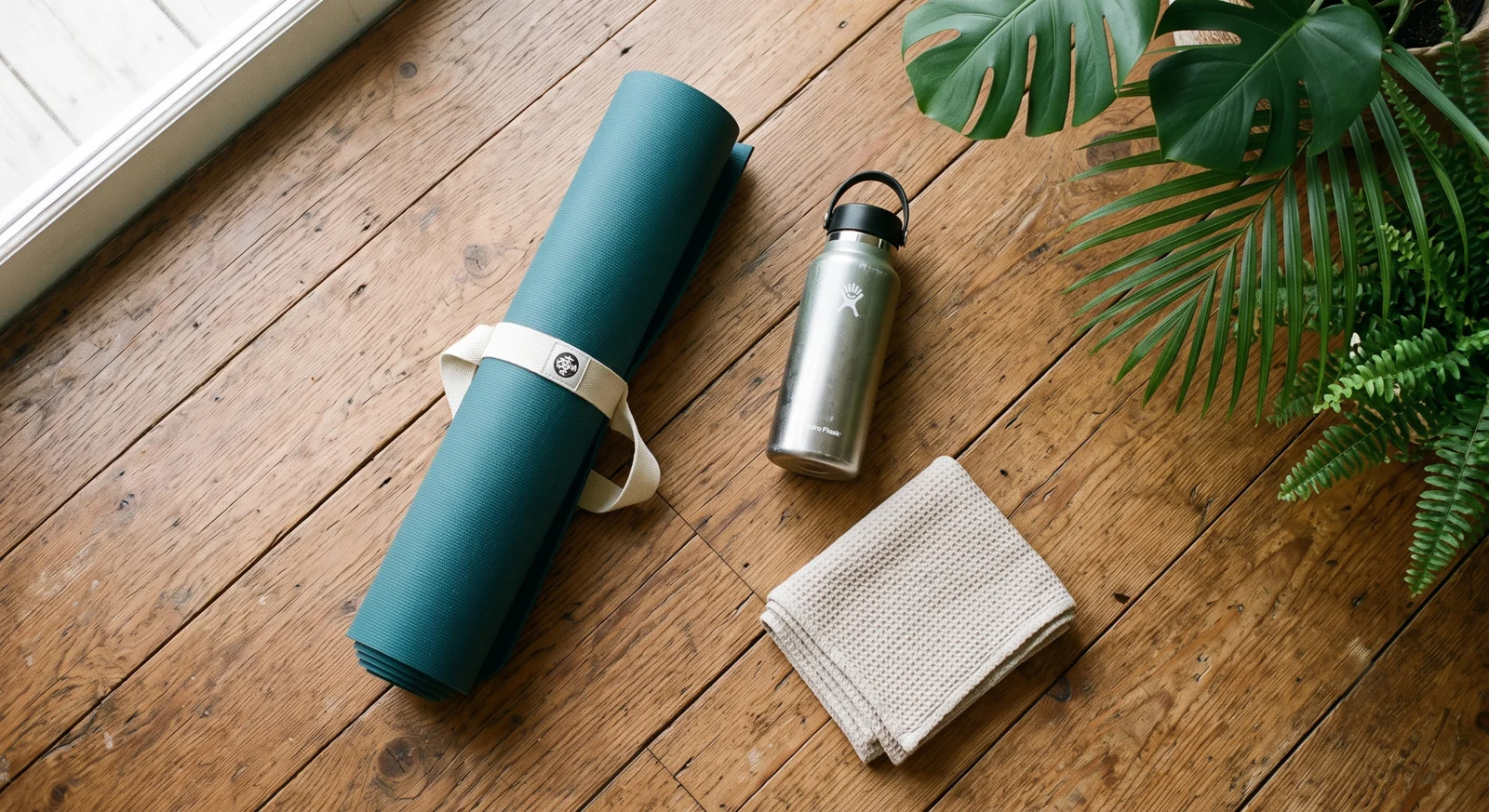
Bring water, a towel, and a light change of clothes — most of Ubud's shalas are open-air with no air conditioning, and humidity catches up with you after an active class; your own mat isn't always necessary, since larger studios rent one on the spot.
Morning classes (7-9am) fall in the most comfortable part of the day temperature-wise, ahead of the midday heat and humidity. The dress code in Ubud is relaxed: a covered swimsuit or ordinary activewear works at any studio — no dedicated "yoga outfit" is required anywhere.
- water and a towel — essential in open-air shalas with no air conditioning;
- a light spare shirt — welcome after a class in the heat and humidity;
- a mat — check ahead, some studios charge separately to rent one;
- morning slots (7-9am) — noticeably more comfortable than afternoon ones.
Outside Ubud, the yoga scene looks different: studios in Canggu and Uluwatu tend to pair classes with surf schools and run more like beachside co-working spaces than a jungle retreat — if you're after the quieter retreat format specifically, Ubud remains the more predictable choice.