What is the Bali rupiah rate, and where can you exchange money safely?
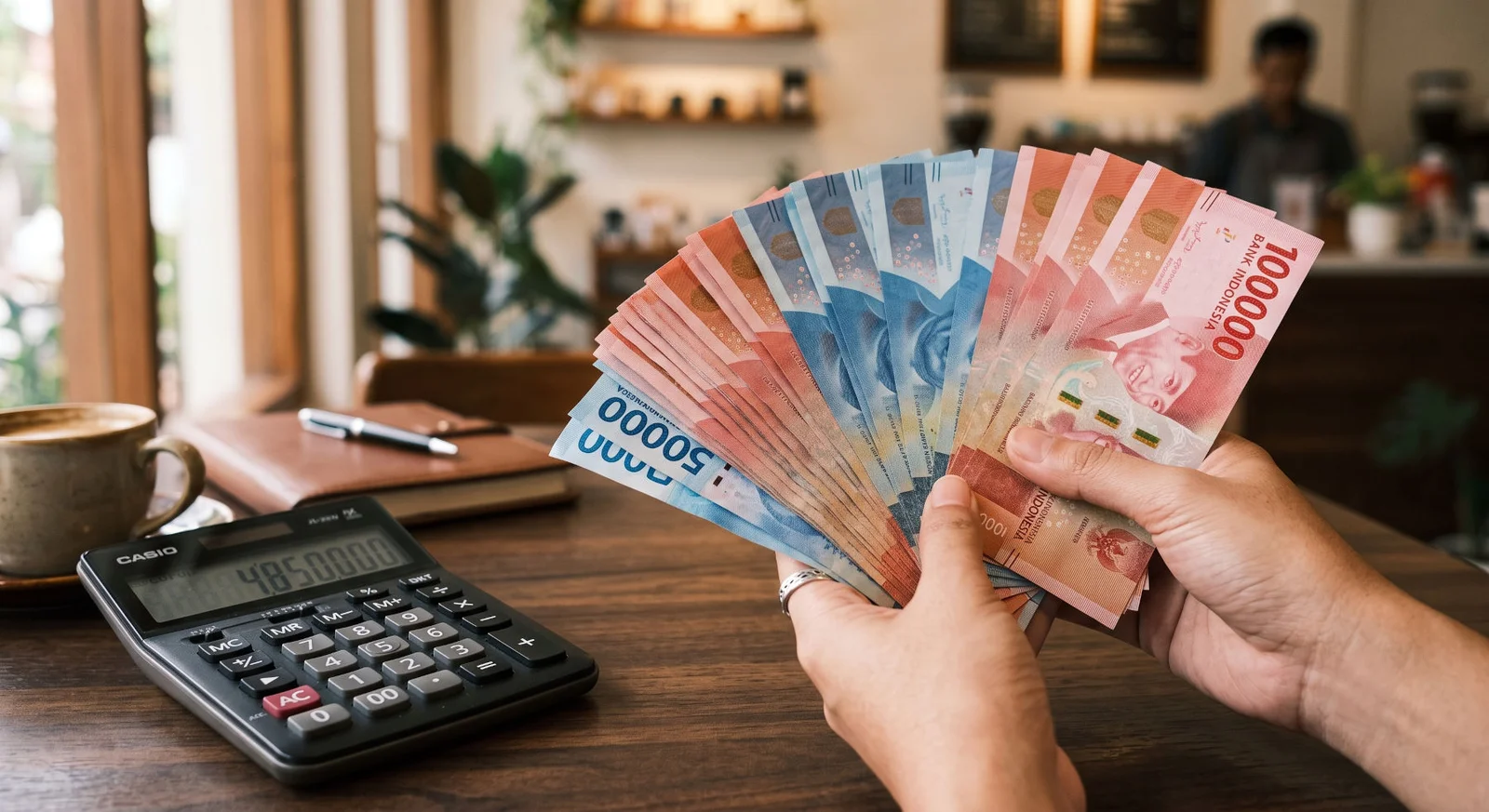
The Indonesian Rupiah (IDR) is the official currency of Bali. The exchange rate is usually around 15,000–16,000 IDR to 1 USD.
Tips for Currency Exchange:
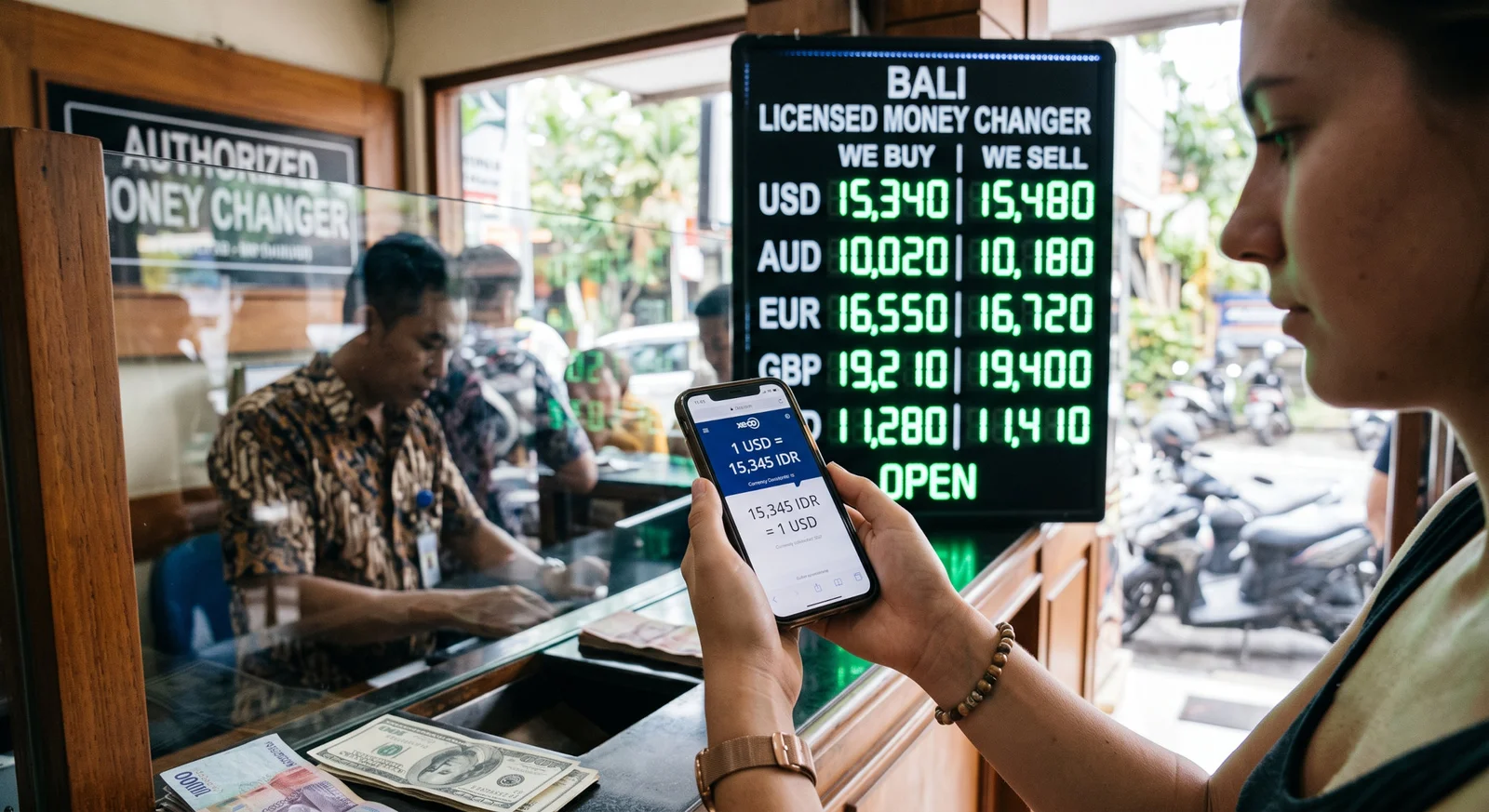
- Always use authorized money changers (such as BMC, Central Kuta, PT. Bali Maspintjinra). They feature proper signage, electronic rate boards, and security.
- Avoid small street-side booths offering abnormally high rates — these are typical traps for counting tricks.
- Re-count your bills yourself at the counter before putting them into your wallet.
Card or cash in Bali: which should you use?
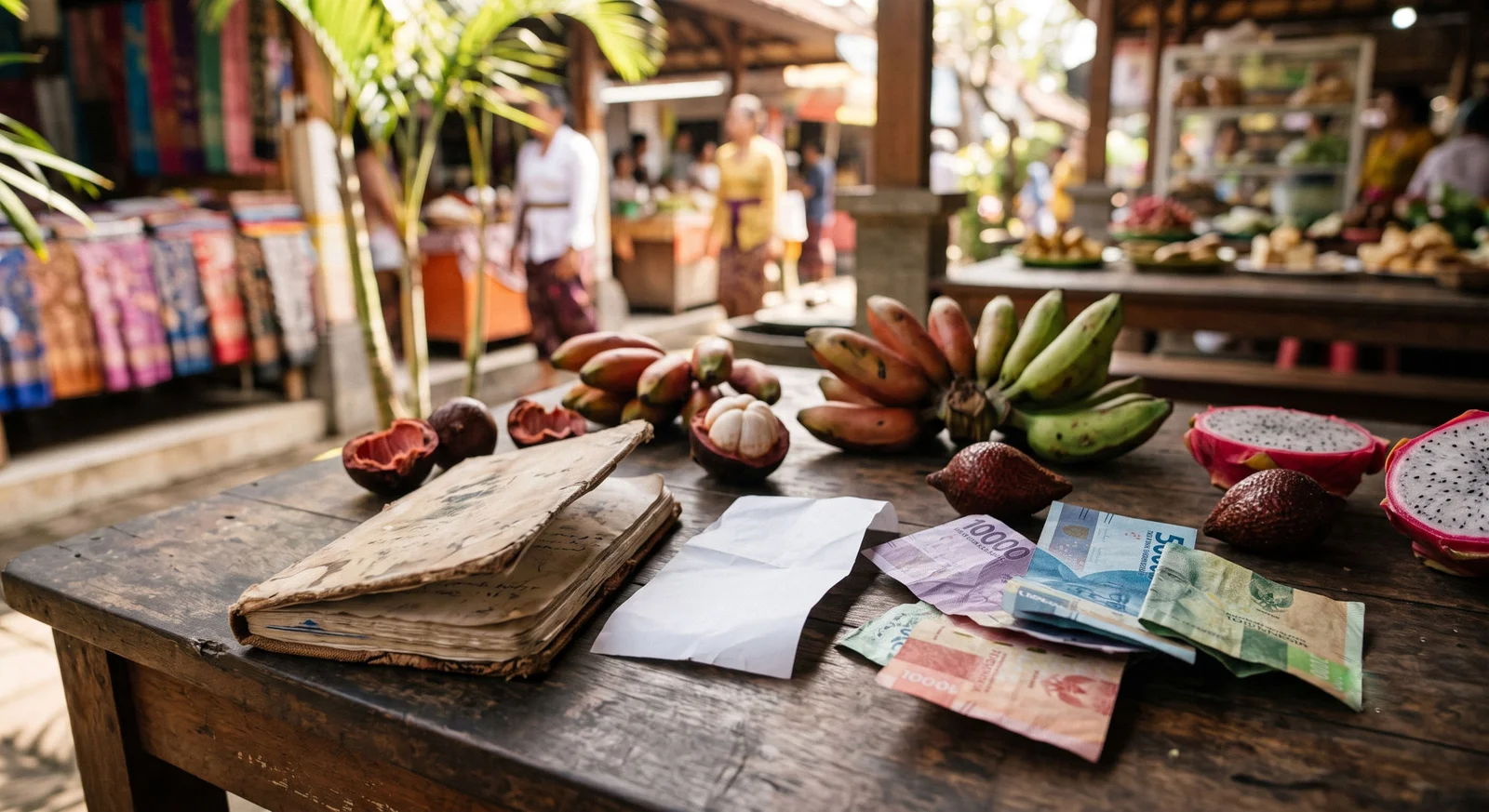
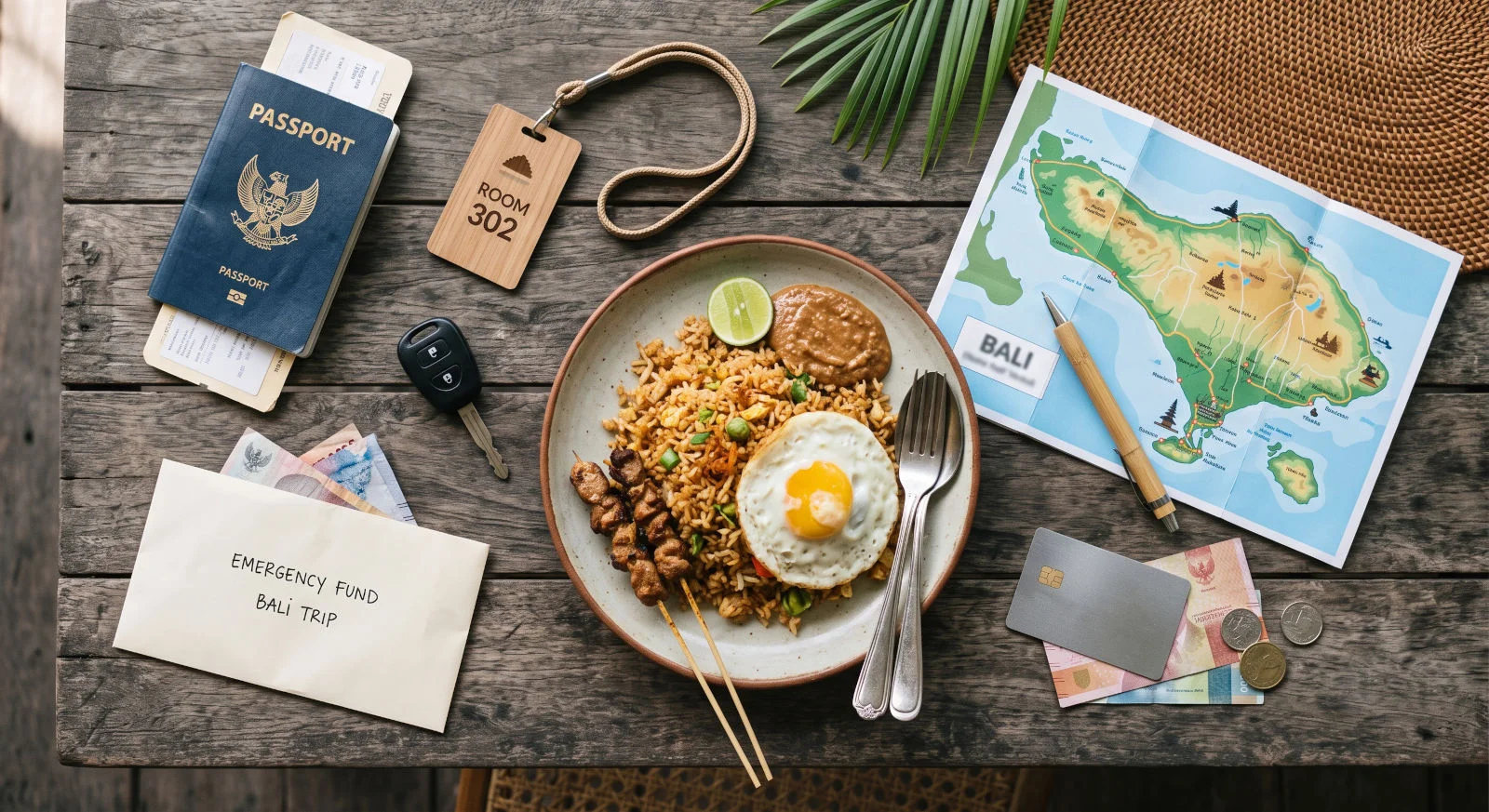
Bali needs a mix of cards and cash: cards are convenient in hotels, larger cafes, and shops, while cash is needed for warungs, markets, parking, tips, and places where terminals fail.
Handling money safely:
- keep the main amount on cards and withdraw cash in smaller portions from bank ATMs;
- carry a backup card in case your main one gets blocked;
- avoid carrying all your cash at once.
Where can you check the official rupiah rate before exchanging?
The official rupiah rate is published by Indonesia's central bank, Bank Indonesia, at bi.go.id. Check it before exchanging so you have a real benchmark instead of relying only on one money changer's board.
What to watch for:
- compare the rate at 2-3 nearby money changers before exchanging;
- a rate noticeably above the official one almost always means a hidden fee;
- rates can shift during the day, so check right before you exchange.
FAQ: Money and Currency Exchange
Use only licensed money changers: an official one displays a 'PVA Berizin' sticker and registration number (Bank Indonesia), and you can verify the licence on Bank Indonesia's portal. Reliable names are BMC and Central Kuta, or exchange inside a bank. Avoid booths offering rates well above the market (more than ~3% better) and the 'fast-fold' trick, where the cashier slips notes back out while counting — count the cash yourself and don't rush. Many travellers skip exchange entirely and simply withdraw rupiah from a bank-owned ATM.
Your Visa and Mastercard work at bank-owned ATMs and in established hotels, restaurants and shops (UnionPay is also accepted at 90%+ of ATMs). Withdraw cash at ATMs attached to bank branches (Mandiri, BCA, BNI, BRI, Permata) for safety, and watch for foreign-transaction and ATM fees. Keep cash in rupiah for everyday spending — warungs, markets, small shops and transport are often cash-only — while cards and QR payments cover the bigger venues.
Most ATMs dispense roughly IDR 1,250,000–3,000,000 per withdrawal (BCA and BNI are usually 1.25–2.5M). Fees: your home bank charges for an overseas withdrawal (often 2–8%), and from 2026 Mandiri adds an IDR 50,000 fee for foreign cards; BCA and BNI more often have no local fee. Always choose rupiah, not 'conversion' (DCC), for a better rate. Use ATMs attached to bank branches for safety and to reduce the risk of card skimming.
It depends on your style. Very roughly, per person per day: budget (warungs, a scooter, simple stays) around USD 30–50; mid-range (cafés, tours, a comfortable hotel) USD 75–120; comfort or luxury from USD 150–200. On top of that, budget for your visa, insurance and any big activities. You can rely on cards and bank-owned ATMs, plus some cash for small vendors and transport. Exact costs vary by area and season.