
Is it possible for a Western person to fully understand the depth of the Eastern soul? In Southeast Asia, the spiritual sphere is not merely separated from secular life — it penetrates daily activities, shapes philosophy, defines architecture, and influences social norms. Alluring Indonesia — the largest island country in the world — serves as a perfect example of how completely different spiritual traditions have coexisted for centuries.
Today, religion in Indonesia is a fascinating, vibrant kaleidoscope. The country's geographical location at the crossroads of ancient trade routes between India, China, and the Middle East ensured that major world religions arrived one after another, layering over a foundation of ancient local beliefs.
In this guide, you will learn about the predominant religion in Indonesia, how a unique syncretism emerged, and how belief in Bali differs from classical Indian Hinduism.
Islam in Indonesia: The World's Largest Muslim Population
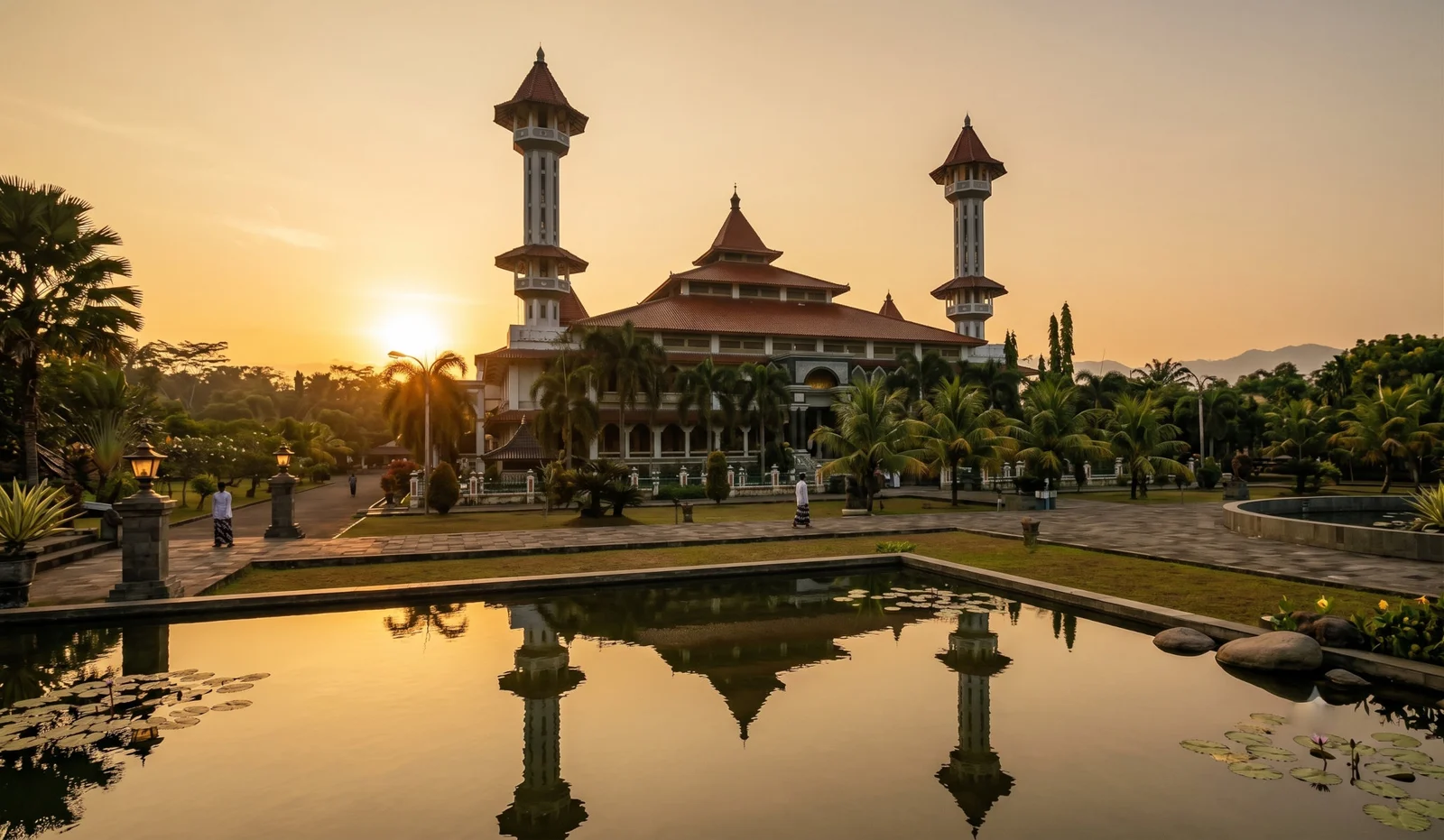
When asking what is the predominant religion in Indonesia today, statistics provide a clear answer: Islam. Around 87% of the population (over 230 million people) practice Islam, making Indonesia the largest Muslim-majority nation in the world.
How Did Islam Arrive in Indonesia and Why Did It Stay?
Many travelers wonder: why did Islam become the dominant religion in Indonesia, especially since the region was previously heavily influenced by Buddhism and Hinduism?
The spread of Islam across the archipelago began around the 11th and 12th centuries, introduced by Arab, Persian, and Indian (Gujarati) merchants. Merchants established trade posts along the coasts of Sumatra and Java. Local rulers (rajas) quickly recognized the economic and political advantages of alliances with Muslim trading guilds and began embracing the faith.
Unlike in the Middle East, Islam spread through the islands peacefully via trade and royal marriages, adapting to local Javanese traditions. By the 16th century, the Hindu-Buddhist Majapahit Empire collapsed, giving way to Muslim sultanates (such as Demak and Mataram).
Characteristics of Indonesian Islam
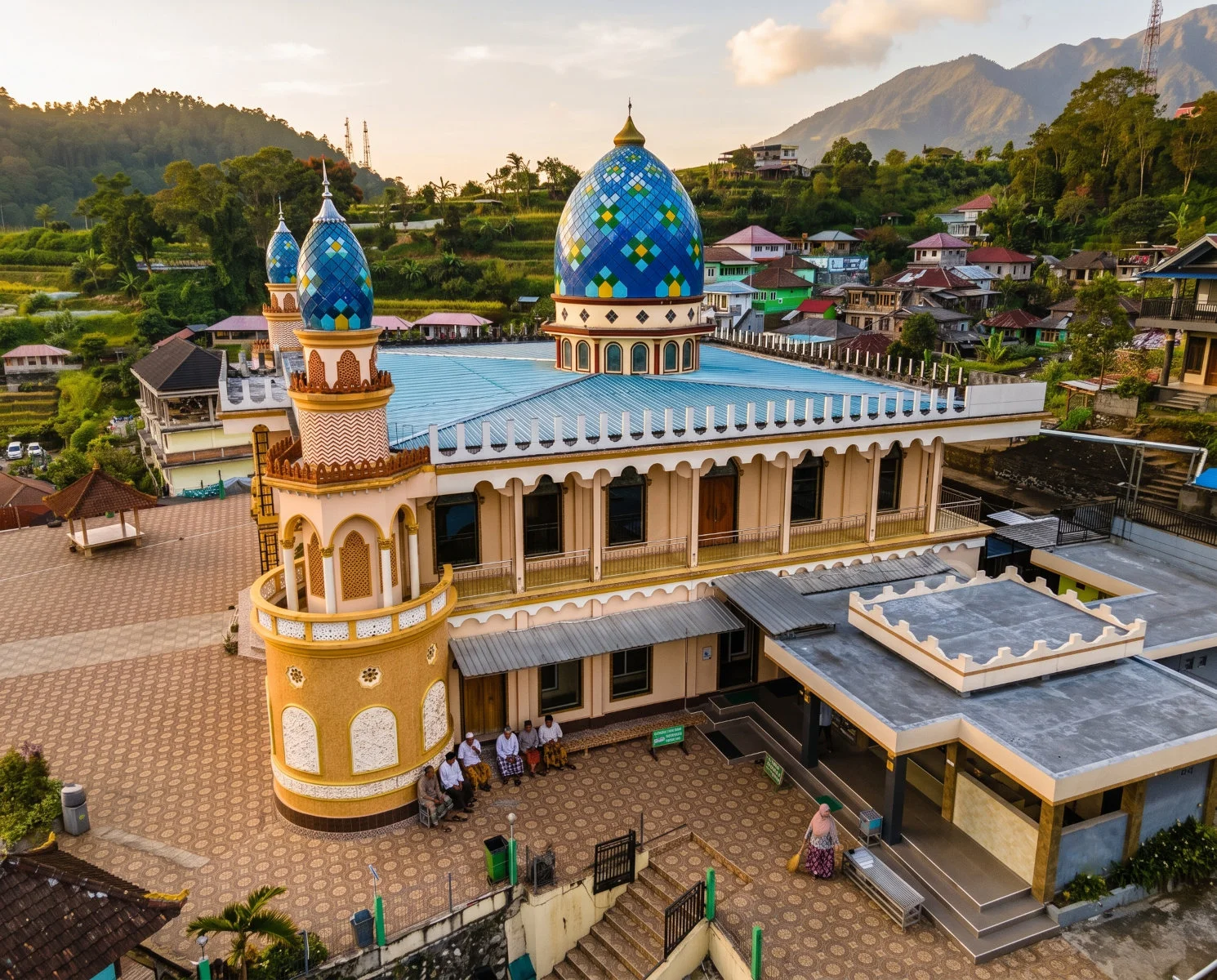
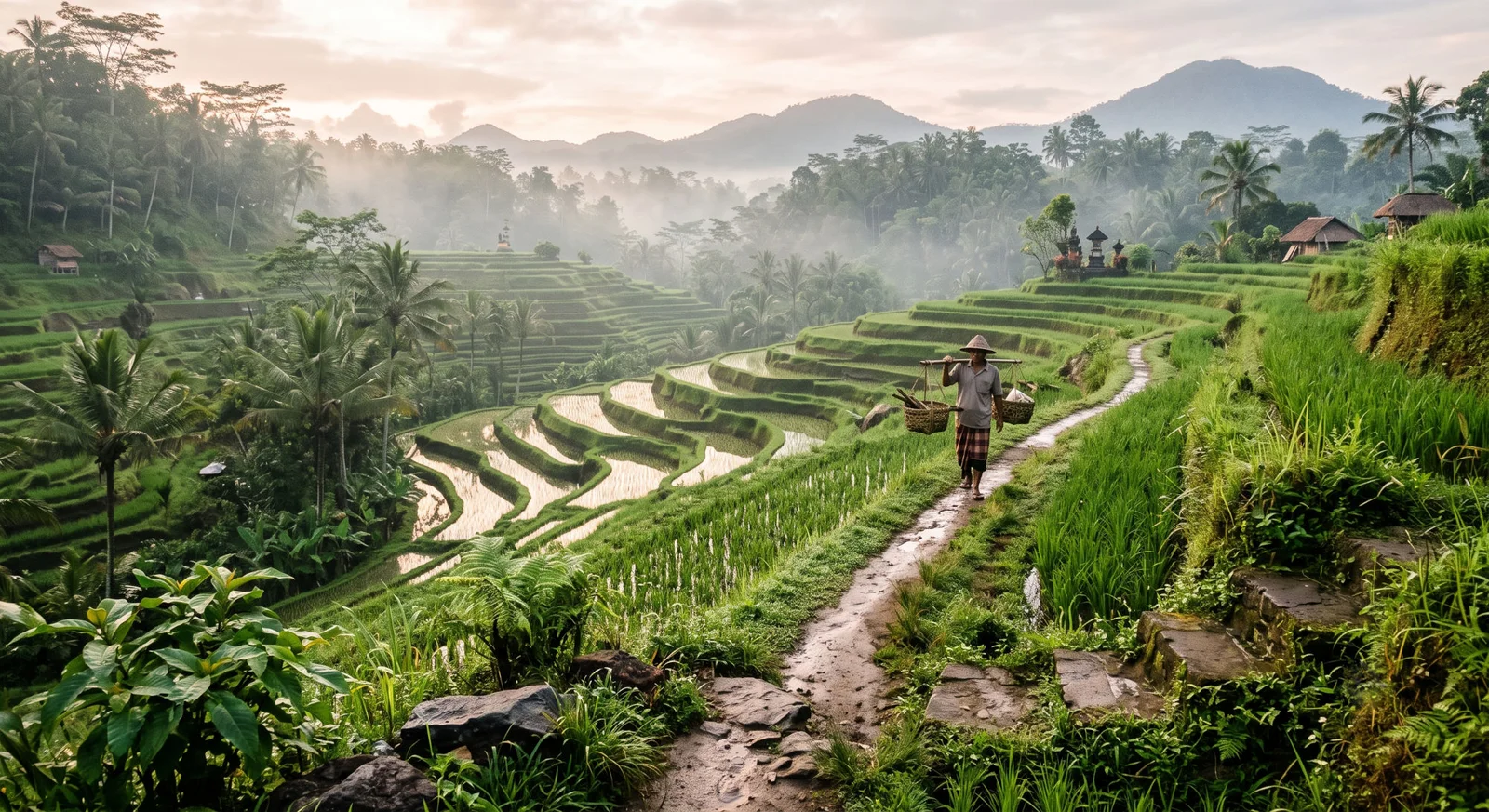
For the majority of the archipelago's population, Islam is moderate and syncretic. On the island of Java, a unique movement called Abangan developed. Abangan Javanese identify as Muslims but incorporate Hindu rituals, worship the rice goddess Dewi Sri, and pray to local nature spirits. Sharia law is only practiced strictly in a few regions, such as the province of Aceh in northern Sumatra.
Christianity: The Colonial Legacy of the Archipelago
Christianity is the second-largest major religion in Indonesia, practiced by about 10% of the population (approximately 7% Protestant and 3% Catholic).
The distribution of Christian communities is uneven:
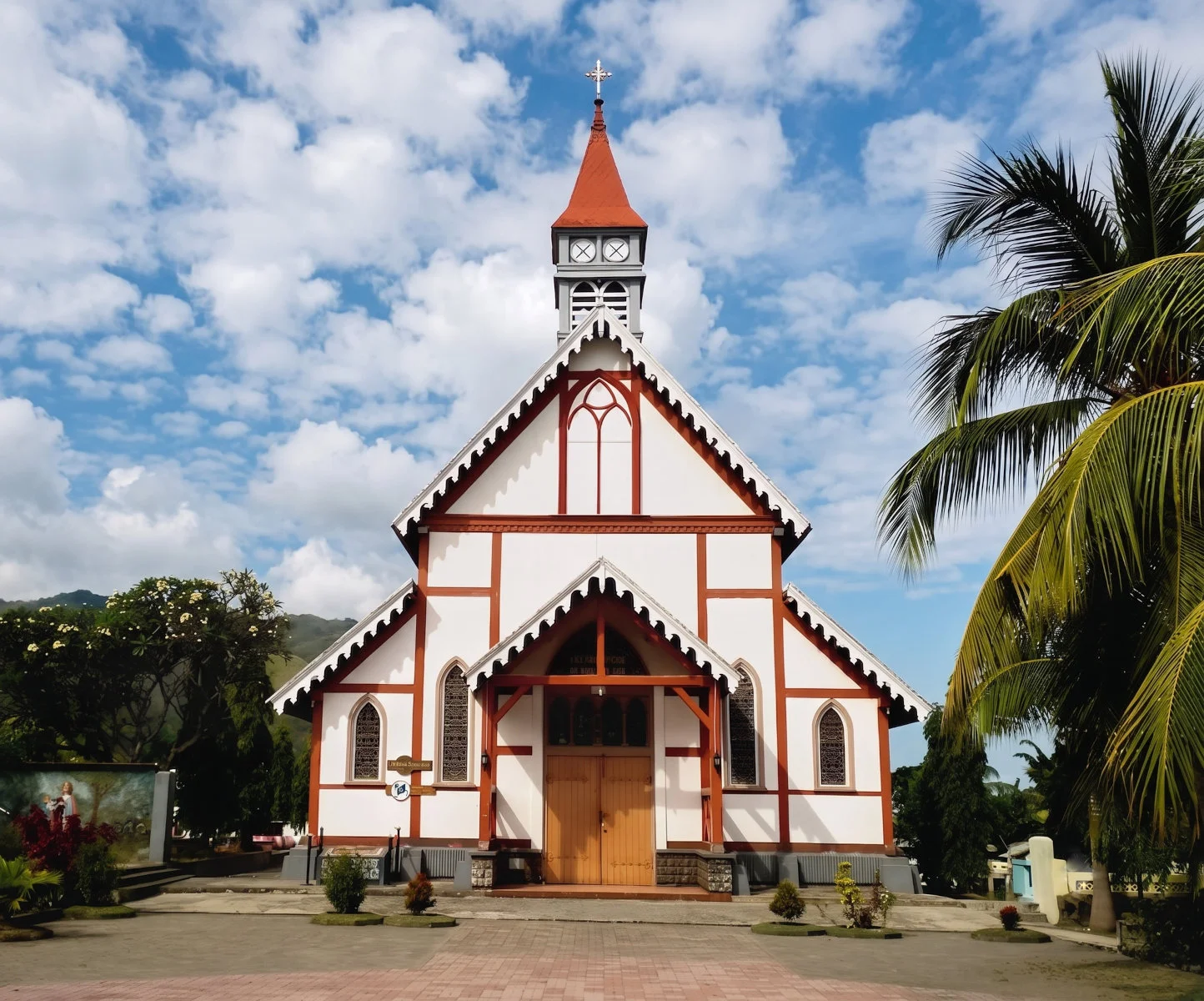
- Catholicism took root mainly on the island of Flores and the East Nusa Tenggara province, introduced by Portuguese missionaries in the 16th century.
- Protestantism was introduced by the Dutch during the colonial era (17th–20th centuries) among populations in North Sulawesi, the Maluku Islands, and West Papua.
Indonesian Christian communities play a key role in education and healthcare, and the state protects minority rights to freedom of worship.
Buddhism and Hinduism: The Golden Age of Java
Before the arrival of Islam, great Hindu-Buddhist kingdoms (Srivijaya, Mataram, Majapahit) flourished on the islands of Java and Sumatra for a thousand years. They left behind monumental architectural sites that attract millions of tourists today.
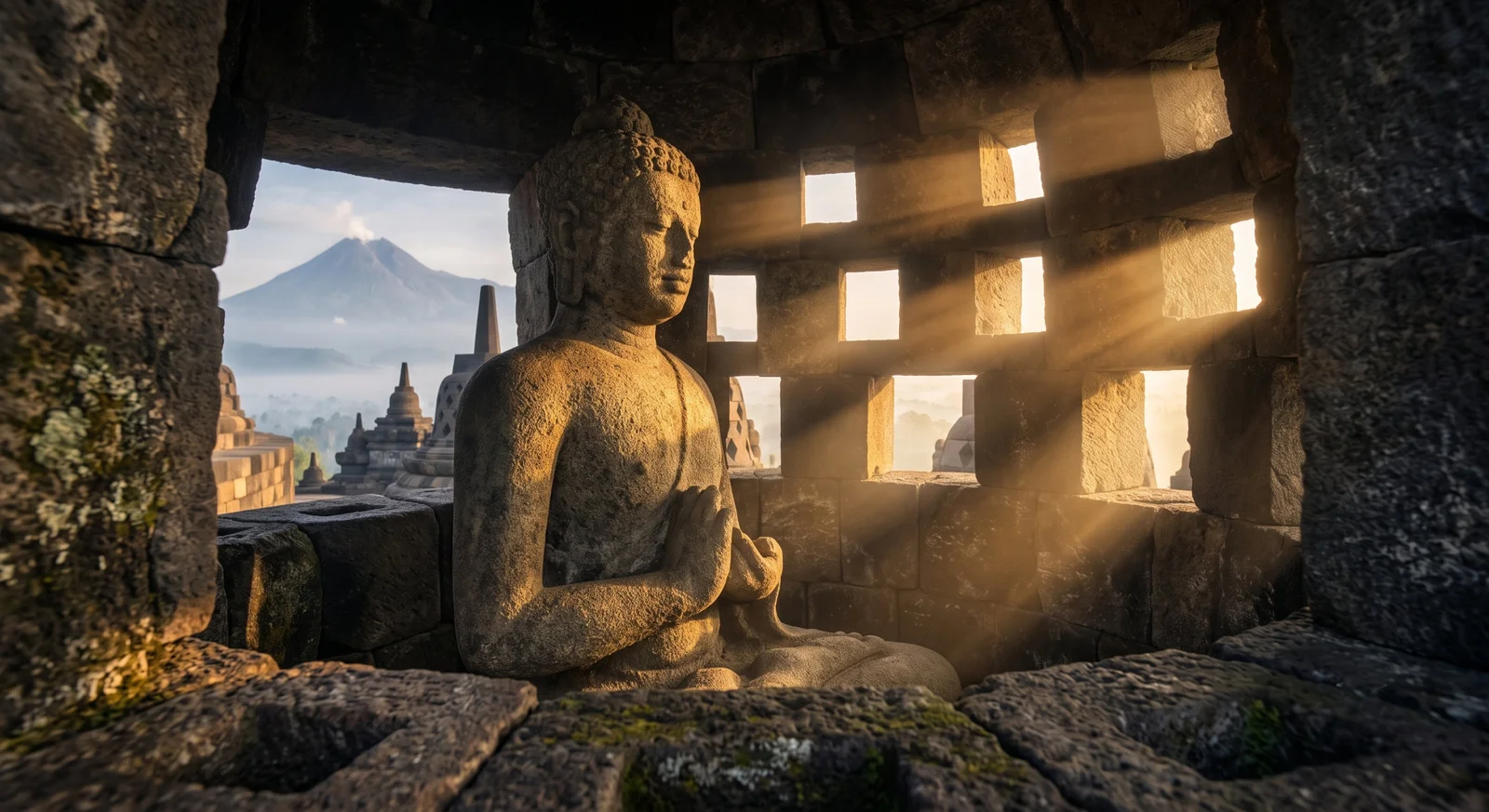
Borobudur — The Buddhist Mandala
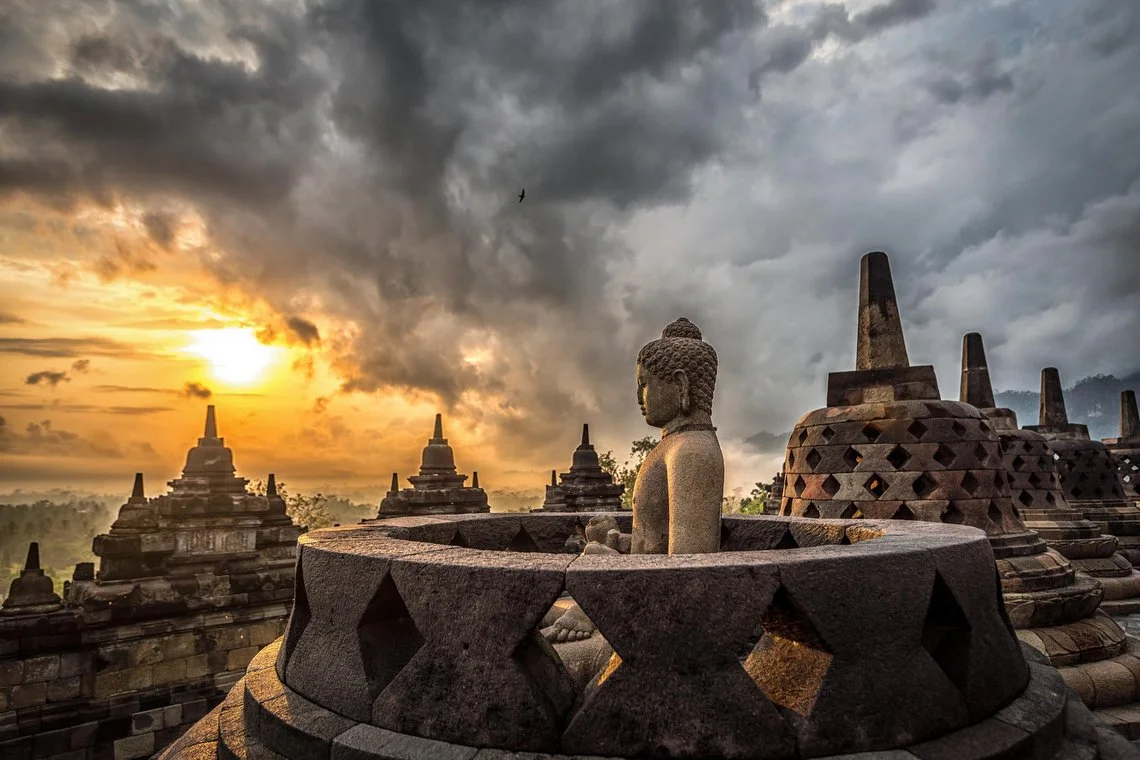
Built in the 9th century by the Sailendra dynasty, Borobudur is the largest Buddhist temple in the world. It is designed as a stone mandala, symbolizing the human soul's journey from earthly desires to Nirvana.
Prambanan — The Majestic Shiva Temple
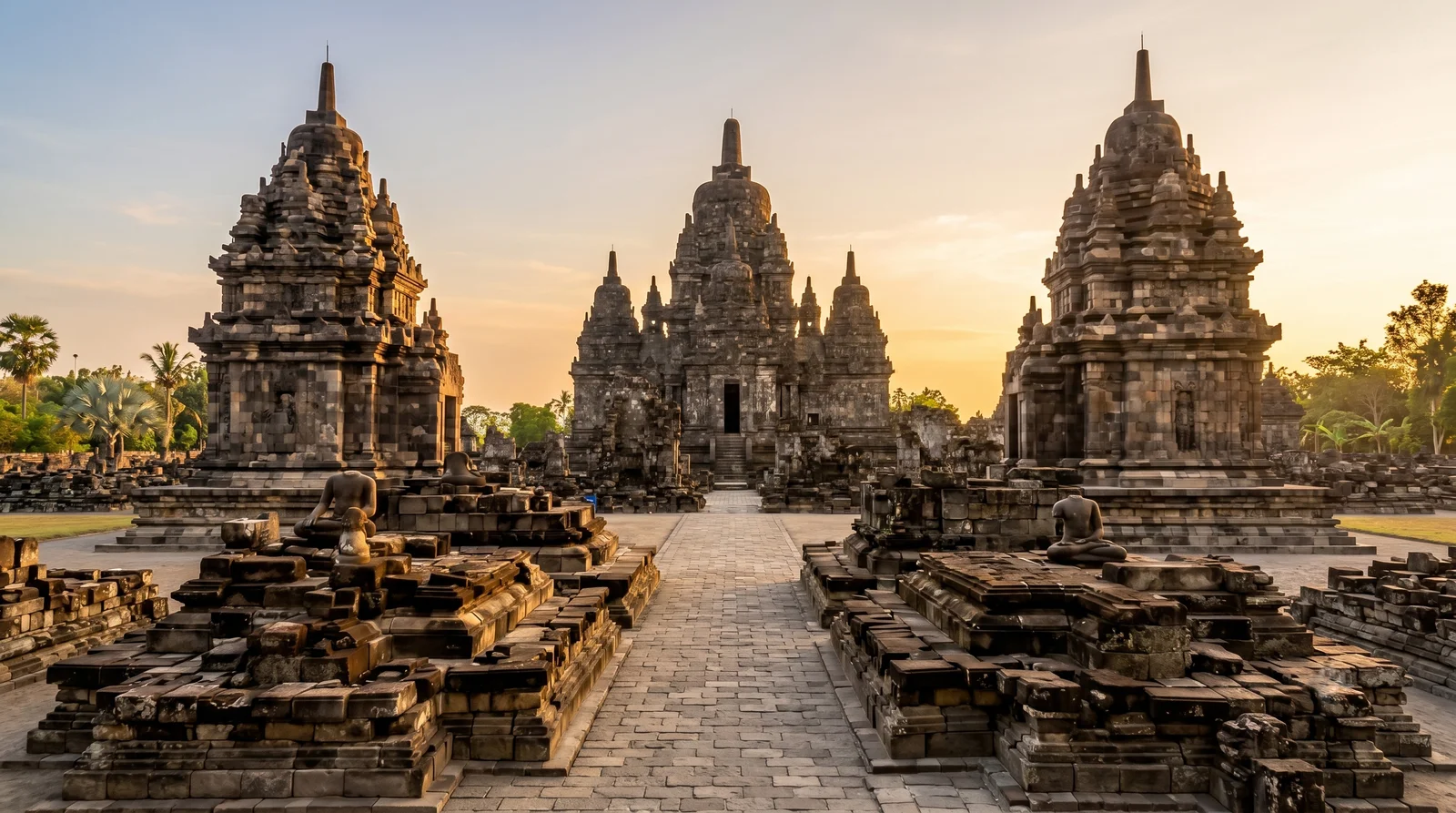
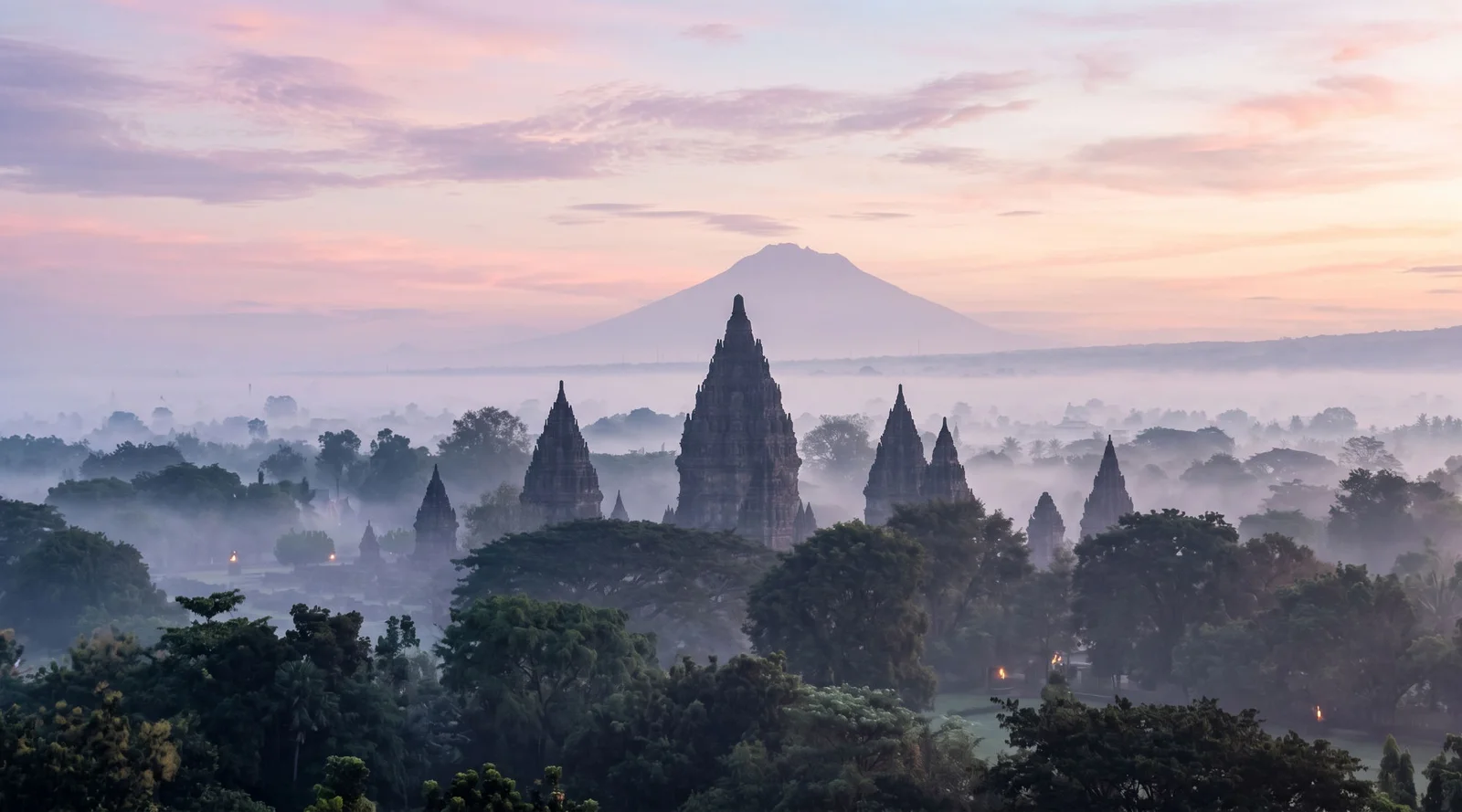
In contrast to Borobudur, the rulers of Mataram built Prambanan — a grand complex of Hindu temples dedicated to the Trimurti: Shiva, Brahma, and Vishnu. Its towering spires resemble the sacred Mount Meru.
Unique Religion in Bali: Agama Hindu Dharma
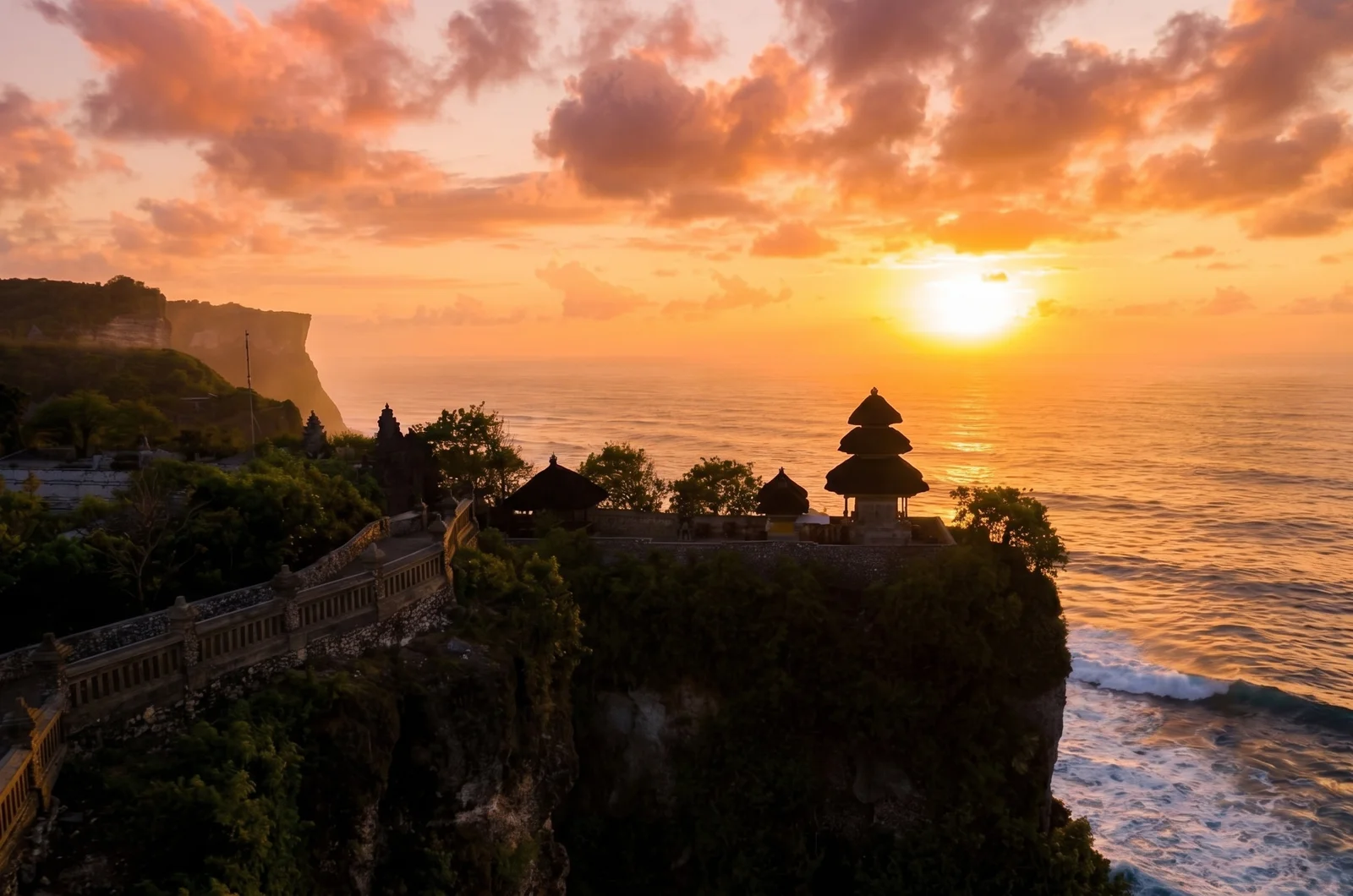
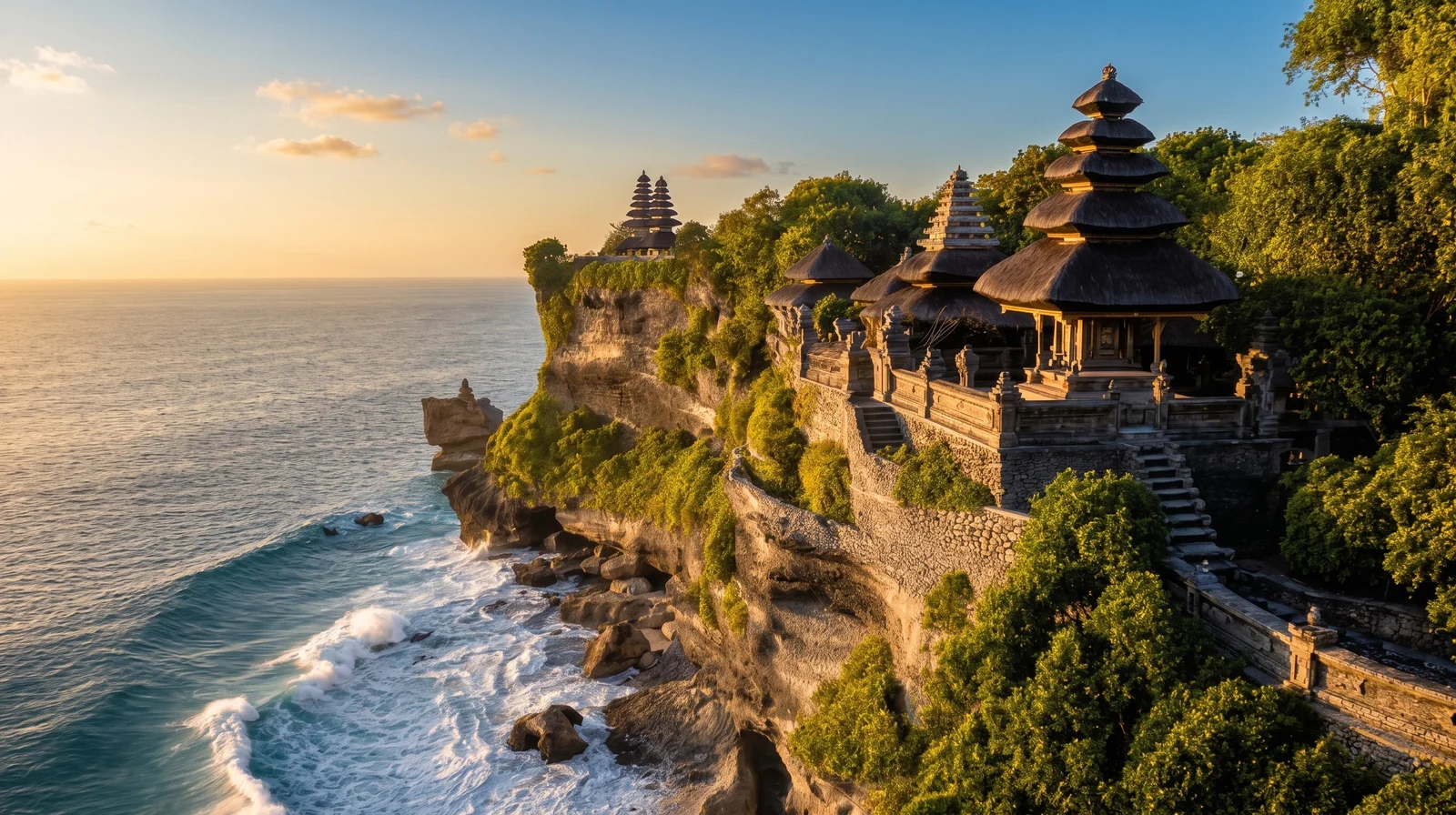
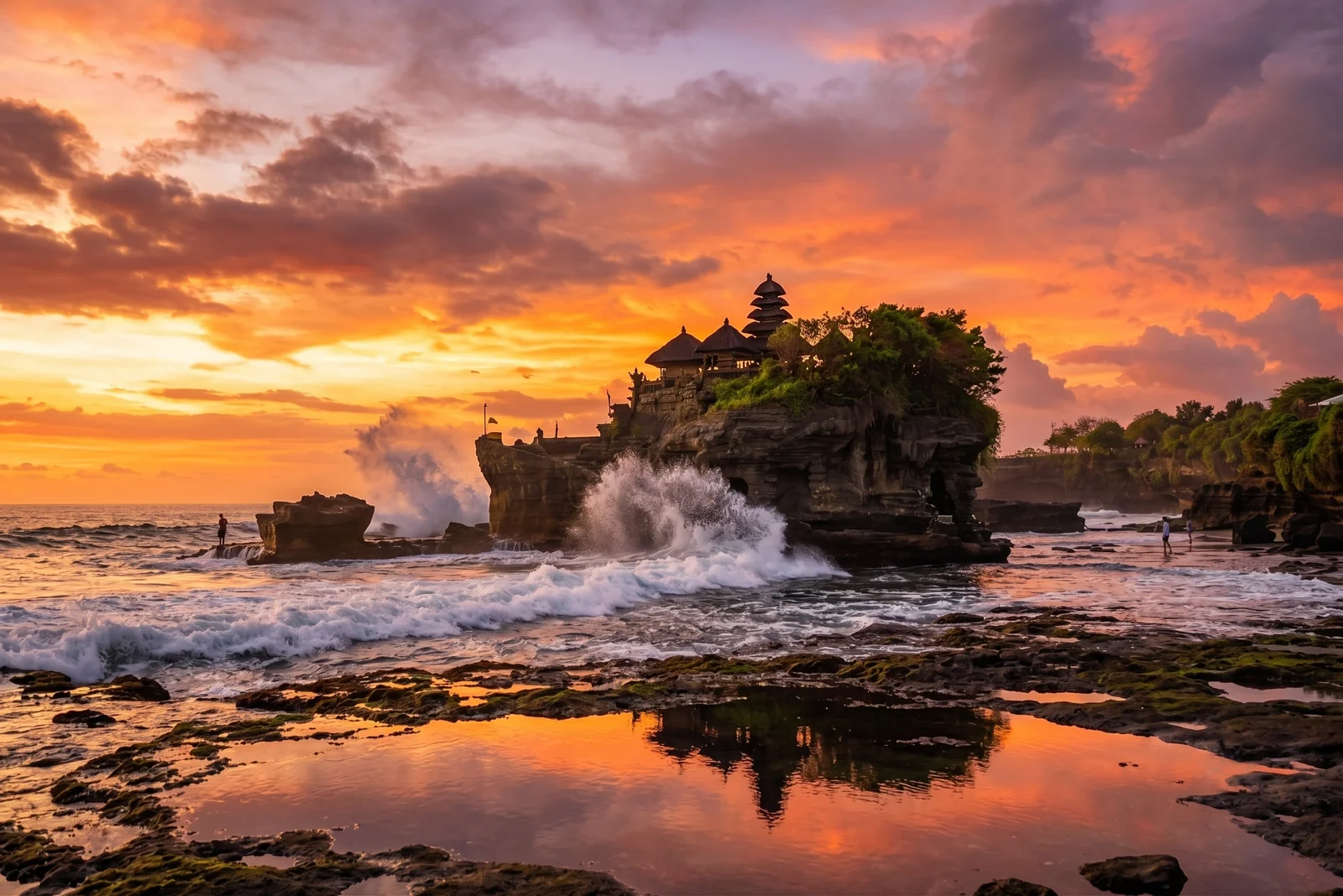
Bali holds a unique place in the Indonesian kaleidoscope. If you are wondering what religion is practiced in Bali, the statistics differ dramatically: over 85% of Balinese practice Hinduism.
However, this is not standard Indian Hinduism, but a unique local faith called Agama Hindu Dharma (or Balinese Shivaism).
How Did Balinese Hinduism Begin?
When Islam took hold in Java during the 16th century, the elite of the Hindu Majapahit Empire — priests, artists, craftsmen, and nobles — fled to Bali, bringing their culture with them. Here, Indian cosmology blended with Balinese animism, ancestor worship, and shamanism.
Key Aspects of Balinese Hinduism:
- Ancestor and Mountain Worship: Balinese believe that the spirits of deceased ancestors guard their homes, and gods live on the peaks of sacred volcanoes like Agung and Batur.
- Daily Offerings (Canang Sari): Small baskets made of palm leaves containing flowers, rice, and incense are placed in front of houses, shops, and shrines daily to appease spirits.
- Karmaphala: A deep belief in Bali that actions determine future incarnations (the law of karma), fostering the famous friendliness and honesty of the island's inhabitants.

Animism and Local Beliefs: The Invisible World of Spirits
Official statistics only show part of the picture. Beyond world religions, ancient animist beliefs remain strong throughout Indonesia. Locals believe that trees, rocks, rivers, and objects house spirits.
In remote regions like Sumba Island, Torajaland (Sulawesi), or the forests of Kalimantan, local tribes practice traditional animism (Marapu, Aluk Todolo, or Kaharingan), which involves complex funeral rites and animal sacrifices.
Pancasila: How Different Faiths Coexist
Since declaring independence in 1945, Indonesia has operated as a secular state with a strong religious foundation. The national ideology is Pancasila, and its first principle is Ketuhanan Yang Maha Esa — Belief in the One Supreme God.
The state officially recognizes six religions:
- Islam
- Protestantism
- Catholicism
- Hinduism
- Buddhism
- Confucianism
Citizens must list one of these six religions on their national ID cards. While the state is secular, atheism is not socially accepted.
Religious Tolerance
For Indonesians, faith is the anchor of life. It guides individuals from birth to death. An admirable balance of tolerance allows mosques, Protestant cathedrals, and Hindu temples to stand on the same street, and neighbors of different faiths to celebrate holidays together.
Visiting Indonesia offers a rare chance to witness a living world of spirituality that inspires and purifies the minds and souls of locals and visitors alike.