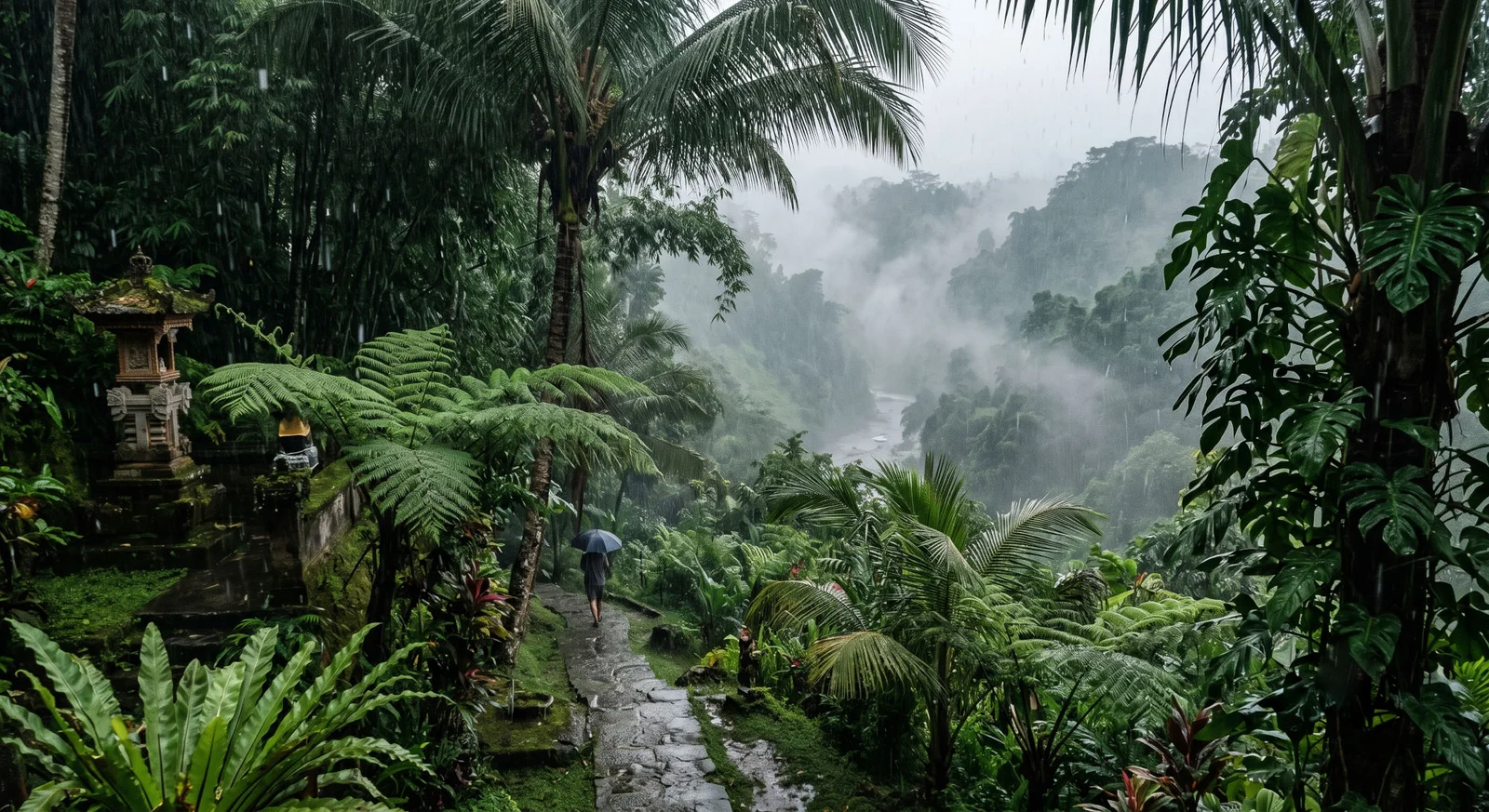



Planning a trip to the "Island of the Gods" and wondering what the weather will be like? Located just 8 degrees south of the equator, Bali enjoys a tropical climate with warm temperatures hovering between 29–33°C and water temperatures averaging 28°C year-round. However, your travel experience will be heavily influenced by rainfall, which divides the year into two distinct seasons.
The Two Seasons in Bali: When is the Best Time to Go?
Seasons in bali are split between the dry season and the rainy season. Each offers a different atmosphere, affecting beach quality, sightseeing, and outdoor activities.
The Dry Season (April — October)
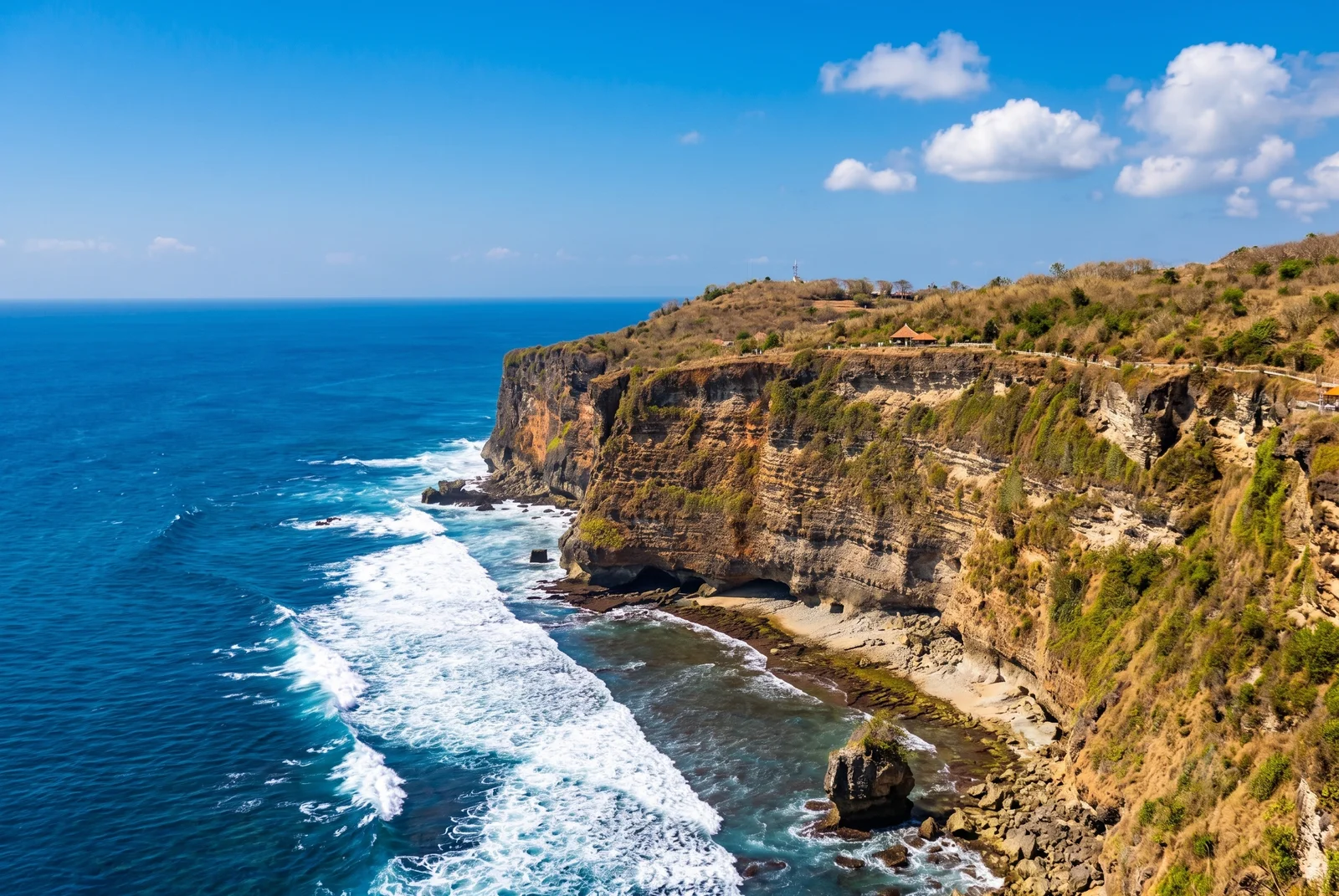
Running from April to October, the dry season is widely considered the best time to visit Bali. During these months, humidity drops to a comfortable 60–70%, cool Australian breezes sweep across the island, and rain is rare. This is the optimal window for sunbathing, touring the sights, and trekking.

The Rainy Season in Bali (November — March)
The wet season begins in November and lasts through March. Due to shifting monsoon winds, humidity rises to 85–95%, making the air feel heavy. Showers occur mostly in the afternoon or at night. While these downpours can be torrential, they typically clear up within 1–2 hours.
Bali Weather by Month: A Detailed Breakdown
To help you plan your itinerary, here is what to expect from Bali's weather throughout the year:
January and February: Peak Monsoon Season
Bali in January and February sees the highest rainfall of the year. Skies are often overcast, and ocean currents can bring significant amounts of marine debris onto the southern beaches (Kuta, Seminyak). Water temperature remains warm at 29°C, but visibility can be poor due to swell. On the plus side, crowds at major temples are minimal, and villa rates are at their lowest.
March: Transition Month and Nyepi (Day of Silence)
Rain showers start to clear up, and the sun shines more frequently. In March or late February, the Balinese celebrate Nyepi, the Hindu Day of Silence. For 24 hours, the entire island shuts down completely: the airport closes, no lights are allowed, and everyone must stay indoors. It is a deeply spiritual and unique cultural event.

April and May: Ideal Shoulder Months
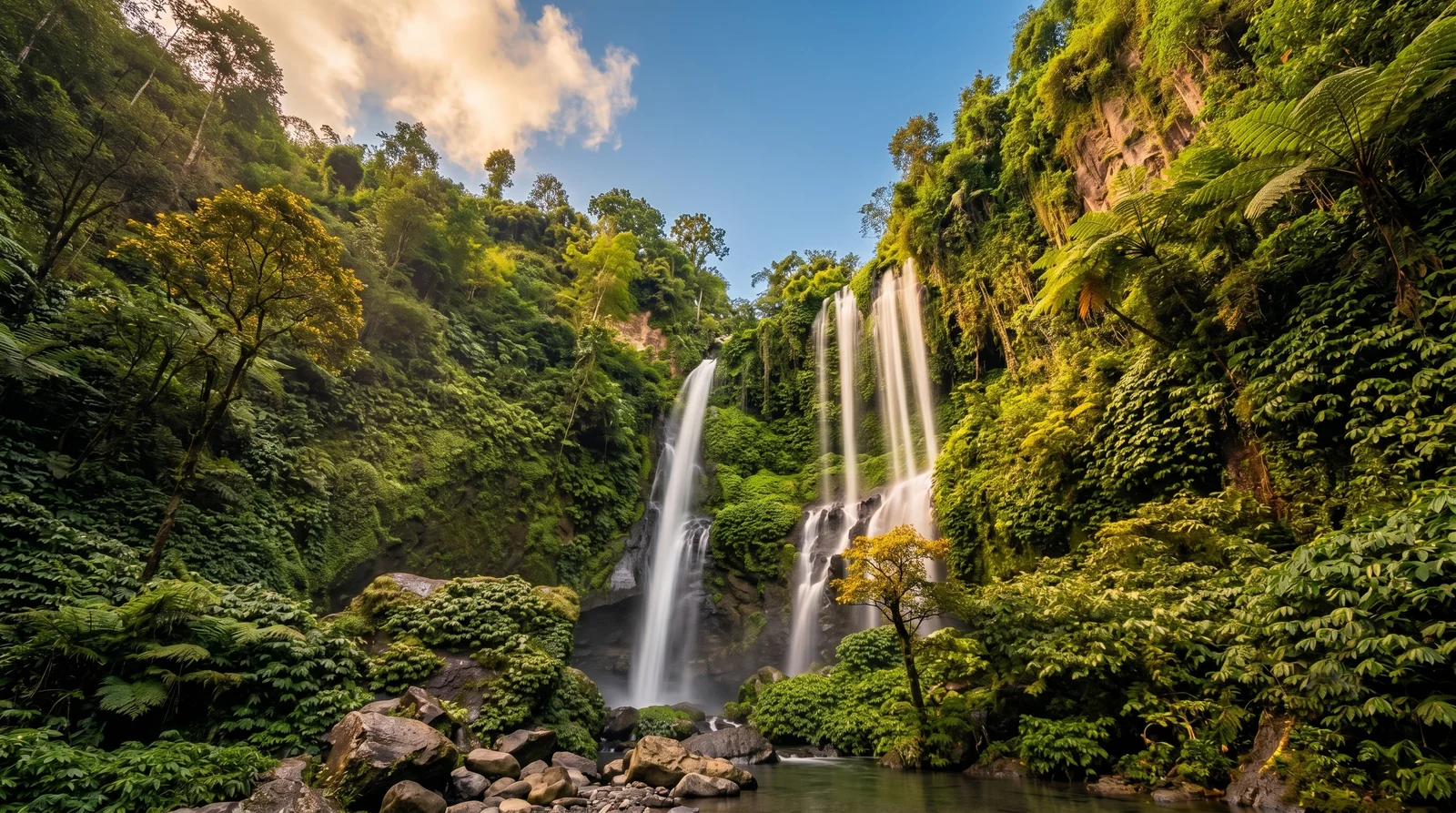
Bali in May and April is beautiful. The landscape is lush and green after the rains, waterfalls are flowing in full force, and the sky is mostly clear. The daytime temperature sits around 31°C, and humidity decreases. These months offer a fantastic balance of excellent weather and lower prices.
June, July, and August: The Climatic Peak
The period from June to August is the height of the dry season. Bali in July and August brings crisp, cool evenings (dipping to 21°C on the coast and 15°C in the mountains of Kintamani). This is the best time for spectacular sunsets and world-class surfing along the west coast.


September and October: The Golden Window
September and October mark the end of the dry season. Temperatures rise slightly, and the ocean warms up to 27°C. Tourist crowds thin out, and accommodation rates decrease, while the weather remains warm, dry, and sunny.
November and December: The Return of the Rain
November brings the first tropical thunderstorms. Bali in December sees a massive surge of holiday travelers despite daily downpours. High humidity creates a "sauna-like" feel, but the festive holiday energy is high.
When is the Best Time to Visit Bali?
The perfect time for your trip depends on what you want to experience:
- Beaches and Sightseeing: Aim for May, June, September, and October. You will enjoy excellent weather and avoid the peak crowds and prices of July and August.
- Surfing: The best swells hit the west coast (Kuta, Canggu, Uluwatu) from May to September. During the rainy season, winds shift, making the east coast (Nusa Dua, Sanur) the preferred surfing zone.
- Volcano Trekking: Climbing Mount Batur or Mount Agung is only recommended during the dry season (from May to October) when the hiking trails are dry and the summits are free from heavy cloud cover.

- Budget Travel: The shoulder months of March, April, and November offer great discounts on flights and accommodation with decent weather.